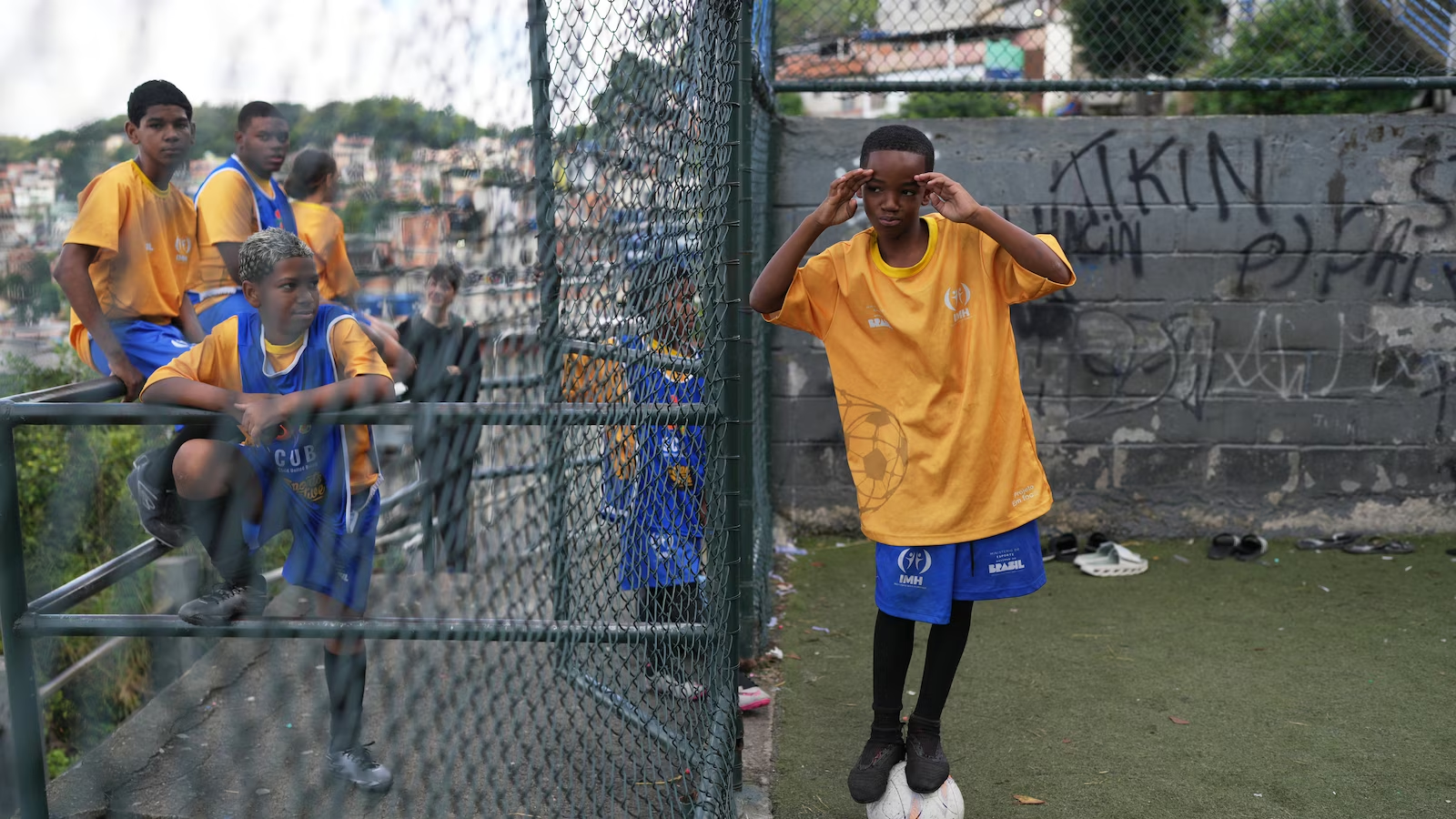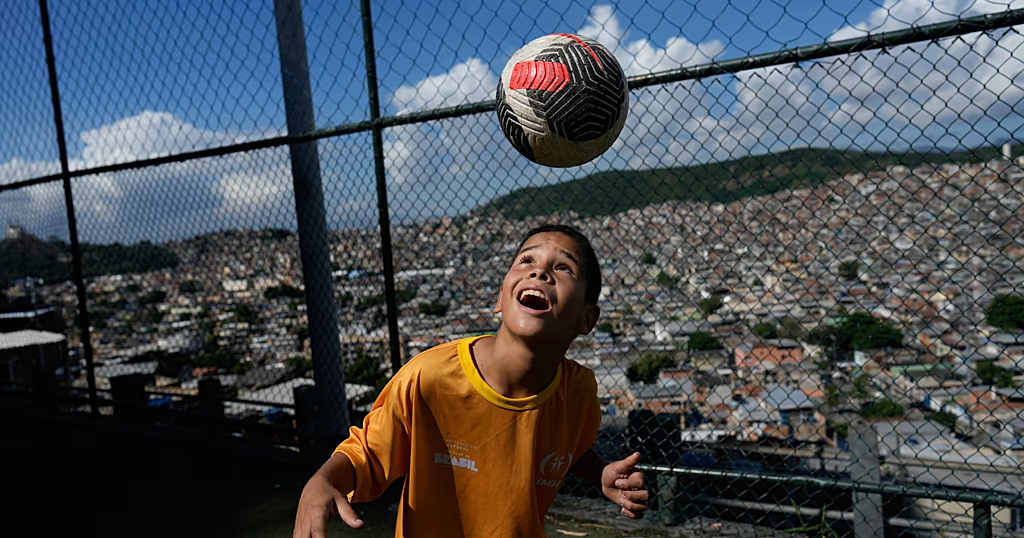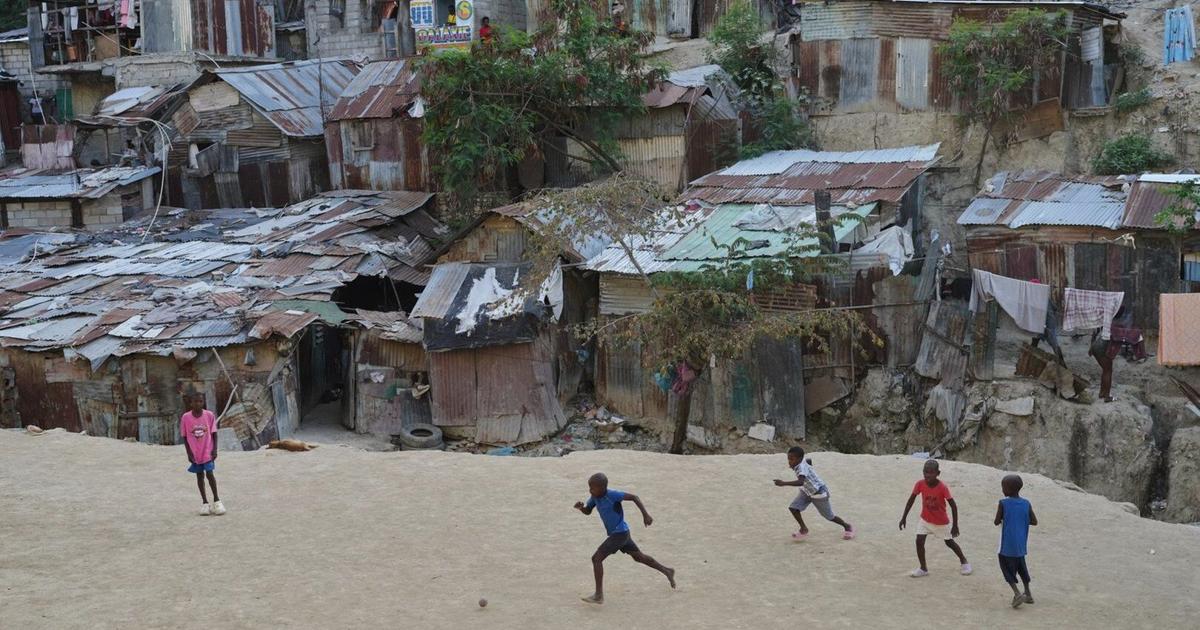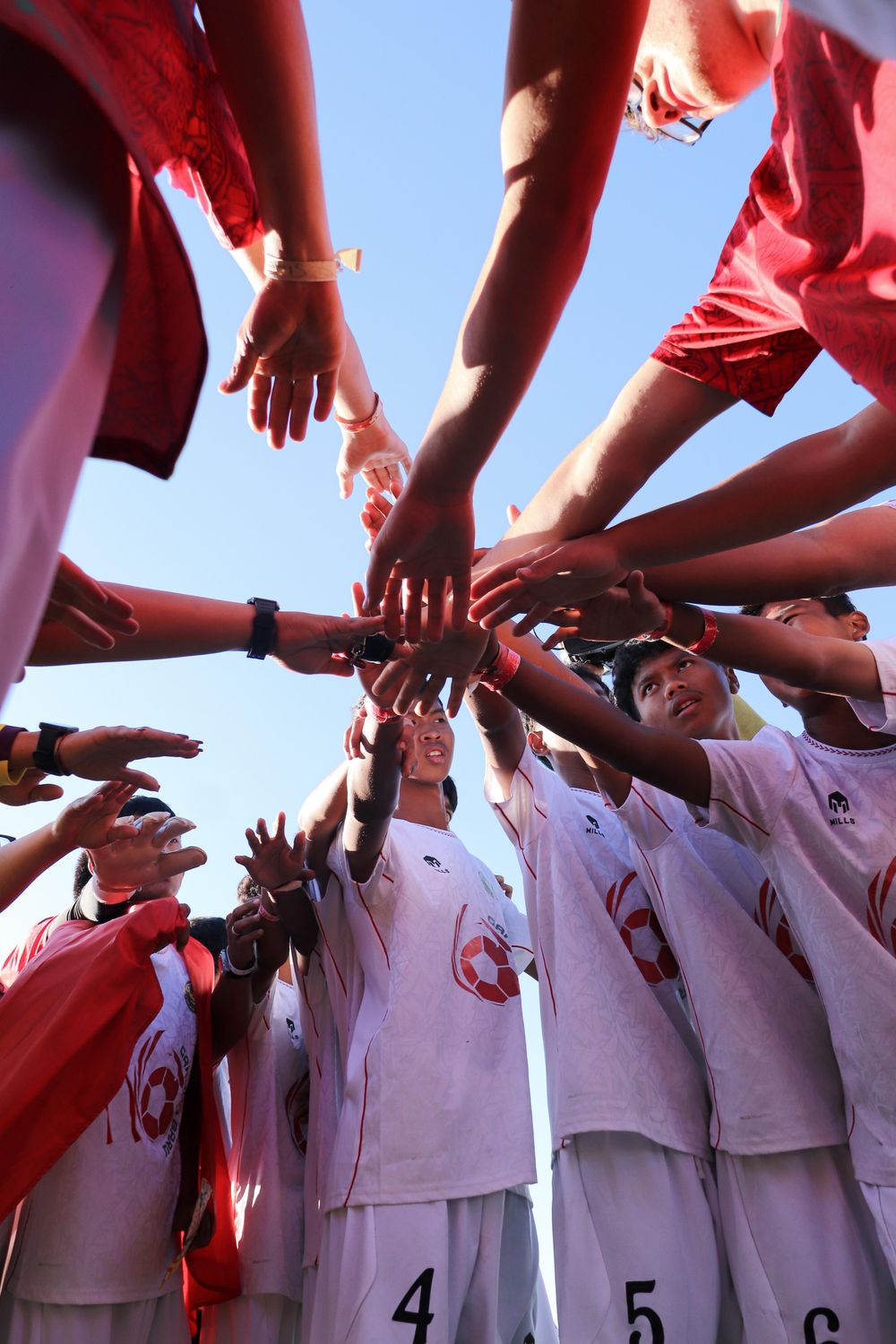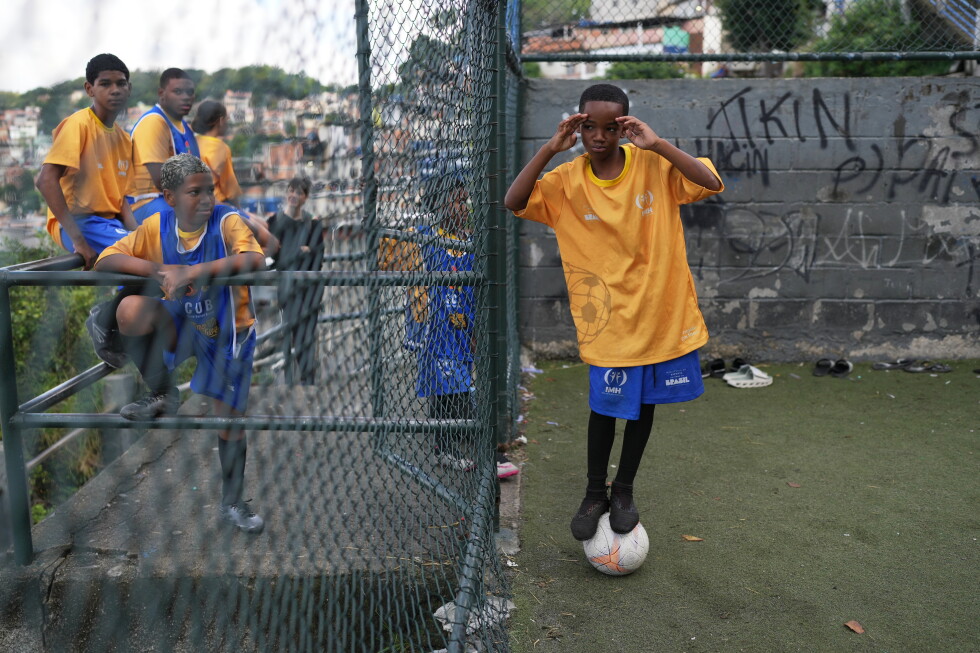
RIO DE JANEIRO (AP) — When Brazilian João Victor Gonçalves began playing soccer in one of Rio de Janeiro ’s poorest and most violent favelas, little did he know the game would one day allow him to travel abroad and play in an international competition.Last month, along with nine other young boys, he flew to Mexico to represent Brazil in the Street Child World Cup, a tournament with teams from 30 countries composed of boys from impoverished backgrounds, organized ahead of this year’s FIFA World Cup.“I never could have imagined that one day this would happen, that I would represent my country, doing what I most love — playing soccer — in another country,” said Gonçalves, who is 18. The Brazil team went undefeated and won the tournament, enhancing the thrill of the experience.Like many Brazilians, Gonçalves and his teammates grew up kicking a ball around and closely following members of the Seleção, Brazil’s national soccer team. They dream of one day becoming professional soccer players like their heroes.
The project has already changed their lives, they say.Beyond being the gateway to climatic moments, the Street Child United Brazil project in the Penha complex of favelas allows participants to at least momentarily escape from everyday life marked by deprivation and violence, fostering a sense of safety, belonging and hope.