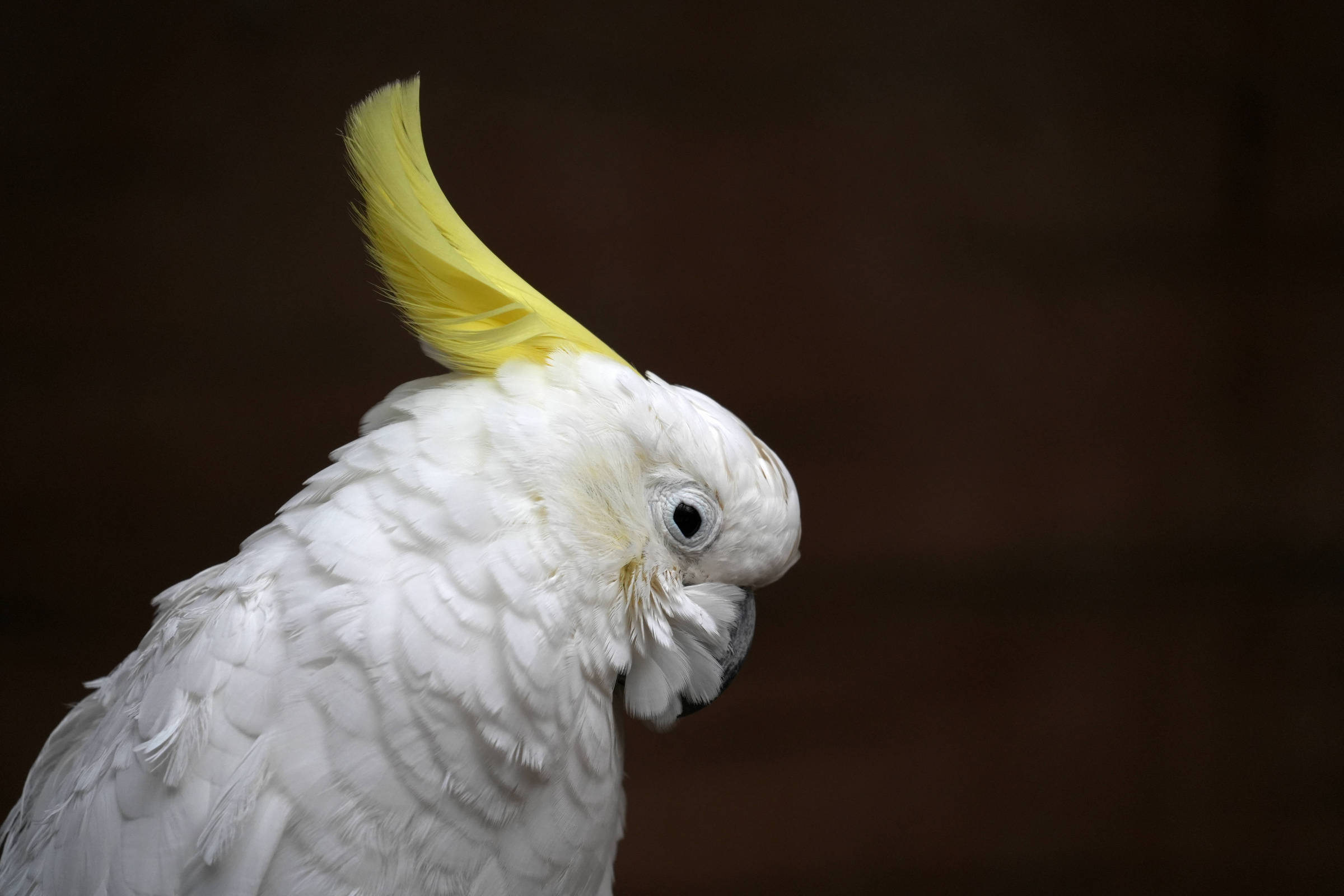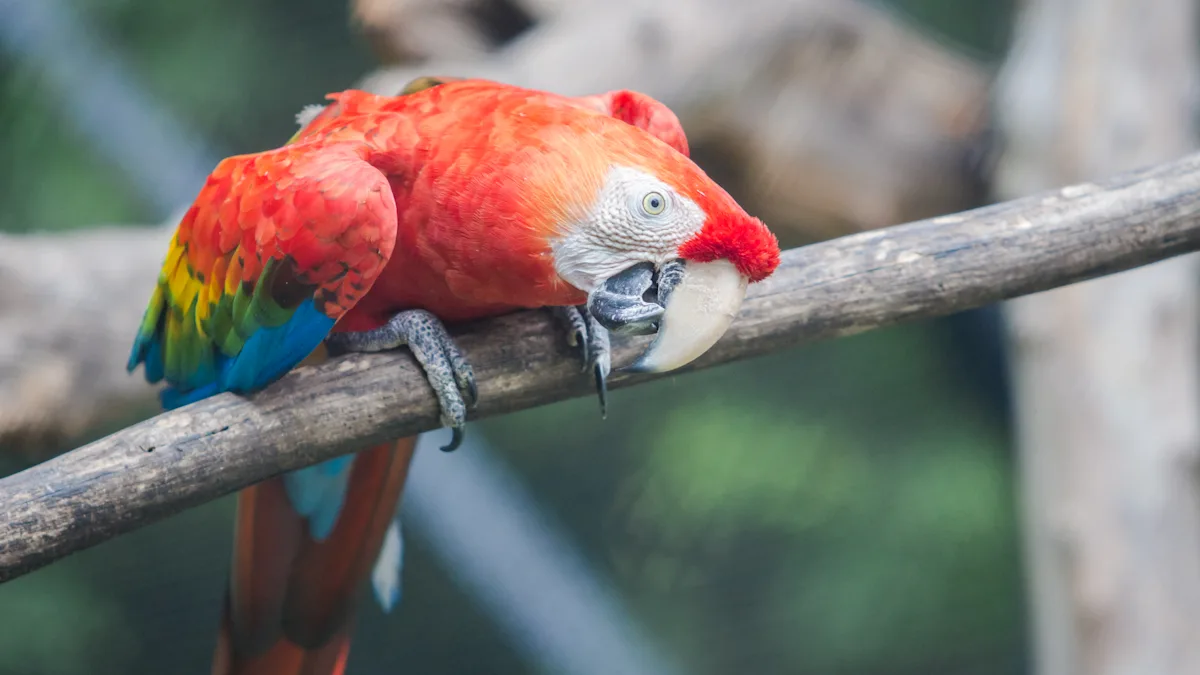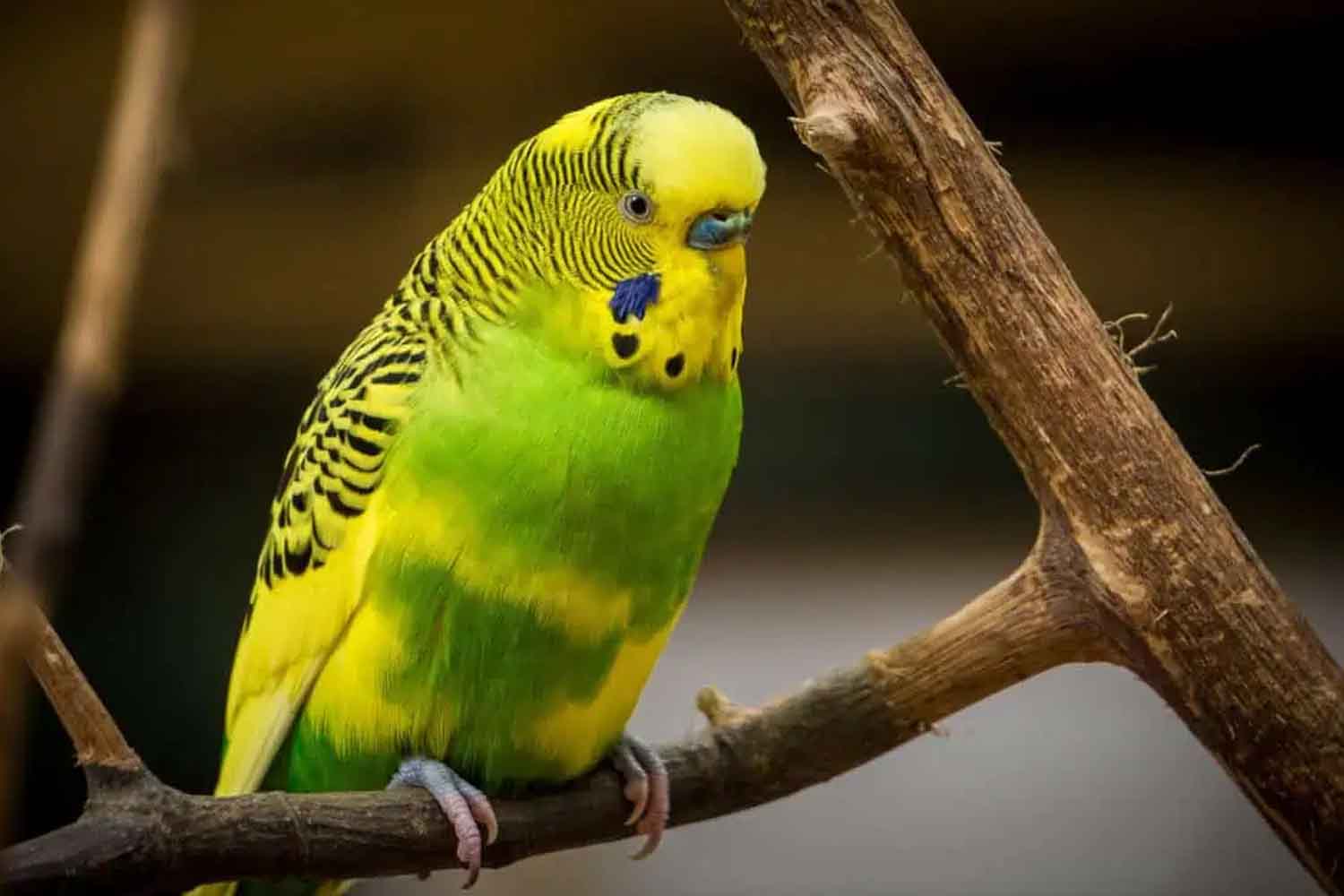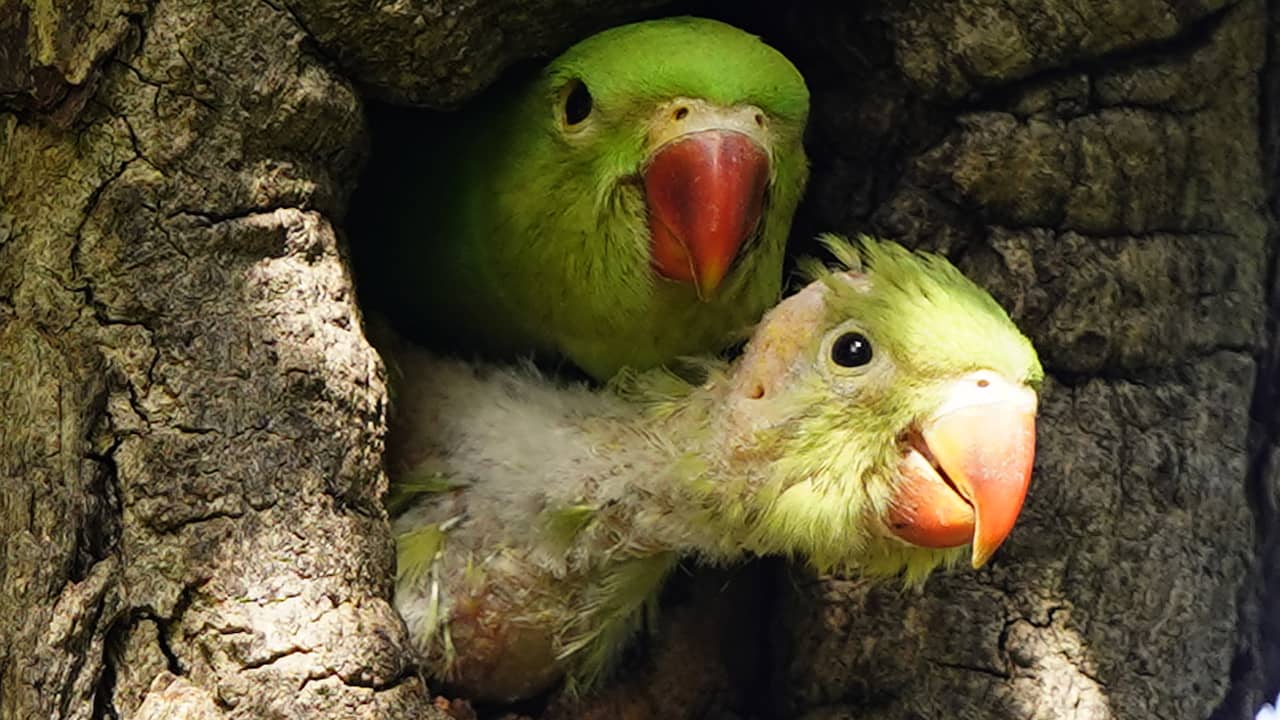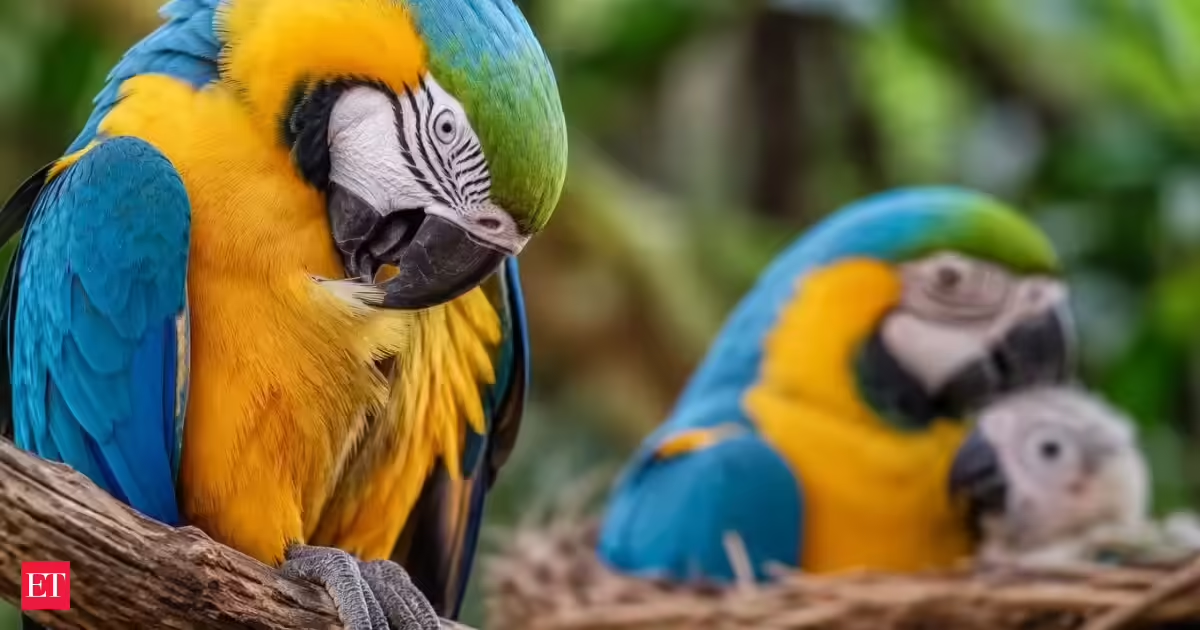
New research shows that masturbation among birds, including popular pet parrots, forms a normal part of their sexual behaviour rather than a problem caused by captivity. The study challenge long-held views among vets and bird owners that this activity needs medical fixes like drugs, diet changes or even surgery. Scientists from several UK universities compiled extensive data on 120 bird species and concluded that the behaviour appears widespread in both wild and captive birds. Their work, published in the journal Ecology and Evolution, suggests owners and breeders may need to rethink how they handle this in pet birds. Old Assumptions Get a Shake-UpFor years, many experts believed masturbation in birds stemmed from unnatural living conditions, especially in solitary pets like parrots. They treated it as a harmful habit requiring intervention to protect the bird's health. The new study turns that idea on its head. Researchers discovered that masturbation occurs more often in wild birds and those raised by their own parents compared to hand-reared ones in captivity. This points to deep evolutionary roots rather than stress from human environments.Key Findings from Birds Masturbation ResearchThe team gathered information from scientific papers as well as surveys and online communities of bird keepers and breeders. They looked across 22 major bird groups covering both wild and captive settings. Here is what stood out:Male birds masturbate more than females, but both sexes do it (55% of male records versus 36% for females).Juveniles and adults show nearly equal participation, with rates of 100% and 97% respectively.Captive birds actually show lower rates than their wild counterparts.The behaviour forms part of a broader set of natural sexual activities in birds.These results suggest masturbation evolved as a healthy trait rather than a sign of distress.Why This Matters for Bird LoversThe study carries practical value for pet owners, breeders and conservation workers. Understanding these natural behaviours could lead to better welfare practices and higher success rates in breeding programmes. Chloe Heys, Senior Lecturer in the School of Pharmacy and Biomedical Sciences at the University of Lancashire, quoted in the study said: “Despite assumptions that masturbation among captive birds like parrots is a result of their often-solitary living, our study finds that it is natural, healthy, and widespread across diverse bird species, even in different environments.""Through enhancing our biological understanding of this unusual trait, our research can give owners, breeders and conservationists more clarity if birds in their care display this behaviour, by highlighting that veterinary interventions trying to stop masturbation may actually be causing more harm to birds. I hope that our research can trigger a shift in the current advice that vets give to bird owners and ultimately improve animal welfare,” Chloe said.Ana Basto, Veterinary Lecturer in Exotic and Wildlife Medicine at the University of Lancashire added: “There has historically been a lack of research around masturbation in birds like parrots, despite how we’re frequently consulted on it as vets. This research is pivotal and will be a step towards achieving a more holistic understanding of why and how birds behave the way they do. I hope the findings therefore enable vets to give more accurate advice to protect birds’ welfare which remains our key priority across the industry.”Dr Matilda Brindle, an evolutionary biologist at Oxford University and the study’s co-author says “This research adds to a vital and growing body of work highlighting that non-reproductive sexual behaviours occur right across the animal kingdom, not just in humans.”"The fact that masturbation seems to be even more common in wild birds than those in captivity has huge implications for their welfare, especially given that folk husbandry often advises bird-keepers to discourage or punish this behaviour, sometimes even resorting to surgery and hormonal interventions. Masturbation is not a pathological or aberrant consequence of captivity, it is part of a healthy range of sexual behaviours."A Fresh Look at Animal BehaviourLed by Chloe Heys at the University of Lancashire, with co-authors from Swansea, Oxford and Liverpool universities, this marks the first major study of its kind. It opens the door for more informed conversations about bird care and welfare. Next time you spot unusual behaviour in your pet bird, it might just be nature taking its course. This research encourages a more relaxed and science-backed approach instead of rushing to stop something that could be perfectly normal. Bird enthusiasts and vets alike may soon adopt gentler, evidence-based ways to support our feathered companions.
Parrots masturbate too: New study finds it's natural for both males and females and more common in parent-raised birds
A new study reveals that masturbation in birds is a natural and widespread behavior, challenging the long-held belief that it's solely a sign of poor captive conditions. Researchers found the behavior occurs across 120 species, even more frequently in wild birds, suggesting an evolutionary role rather than a welfare issue.
731 words~3 min read