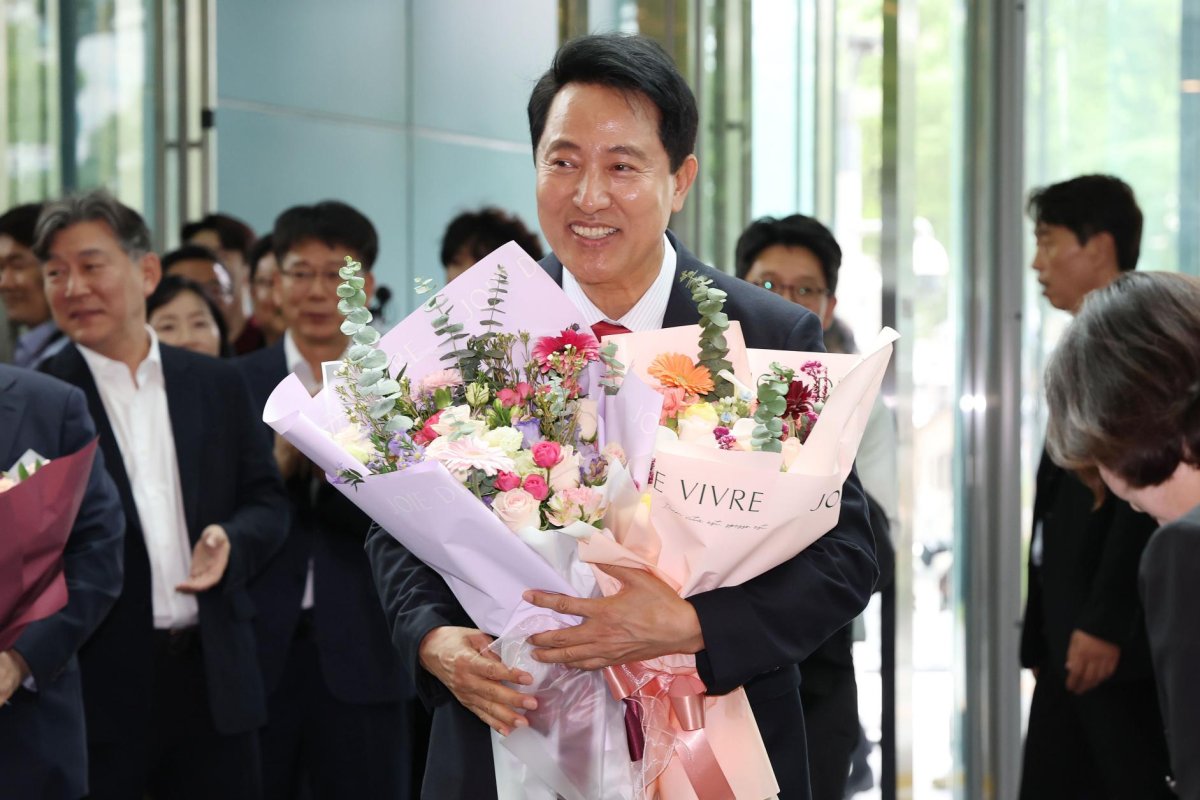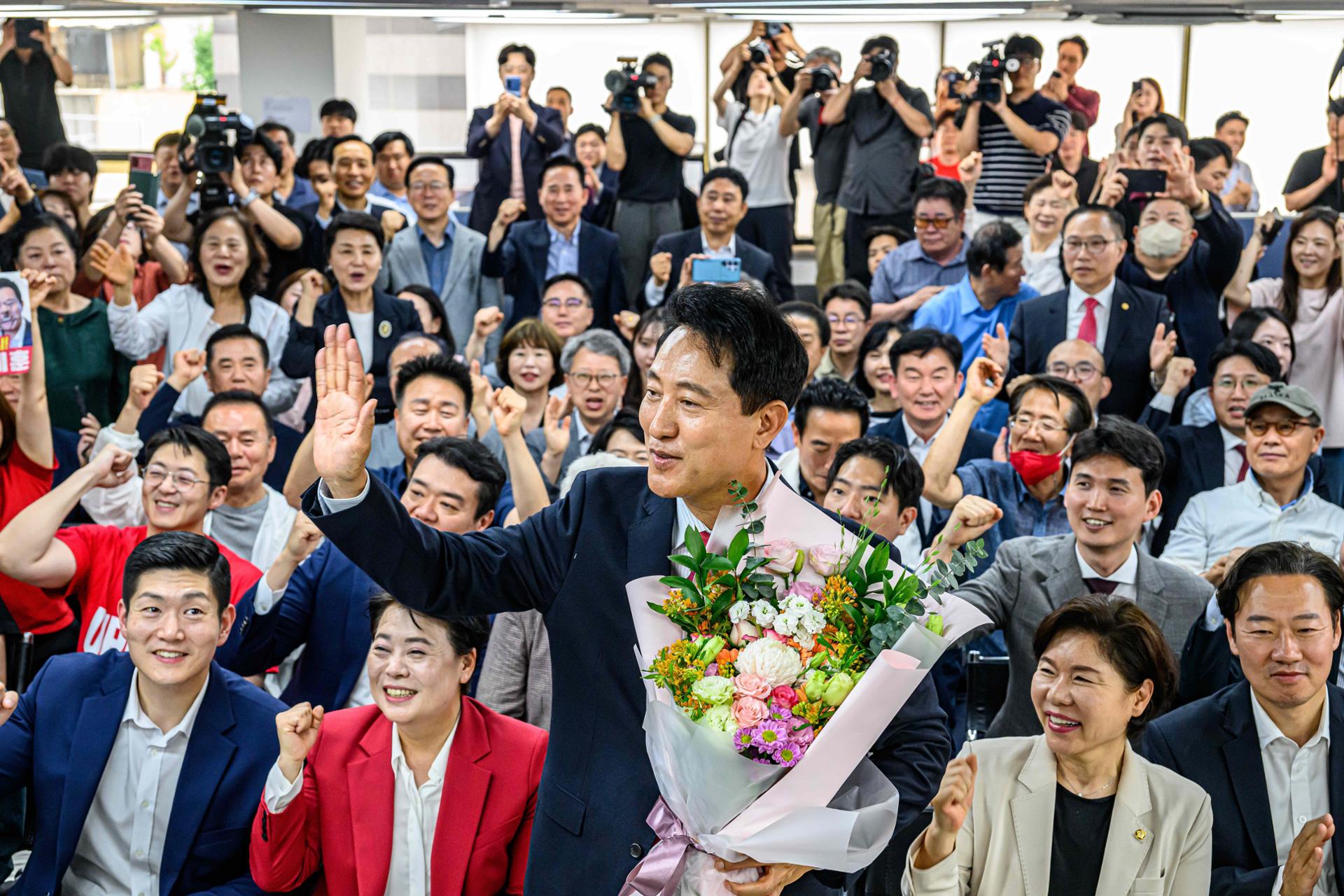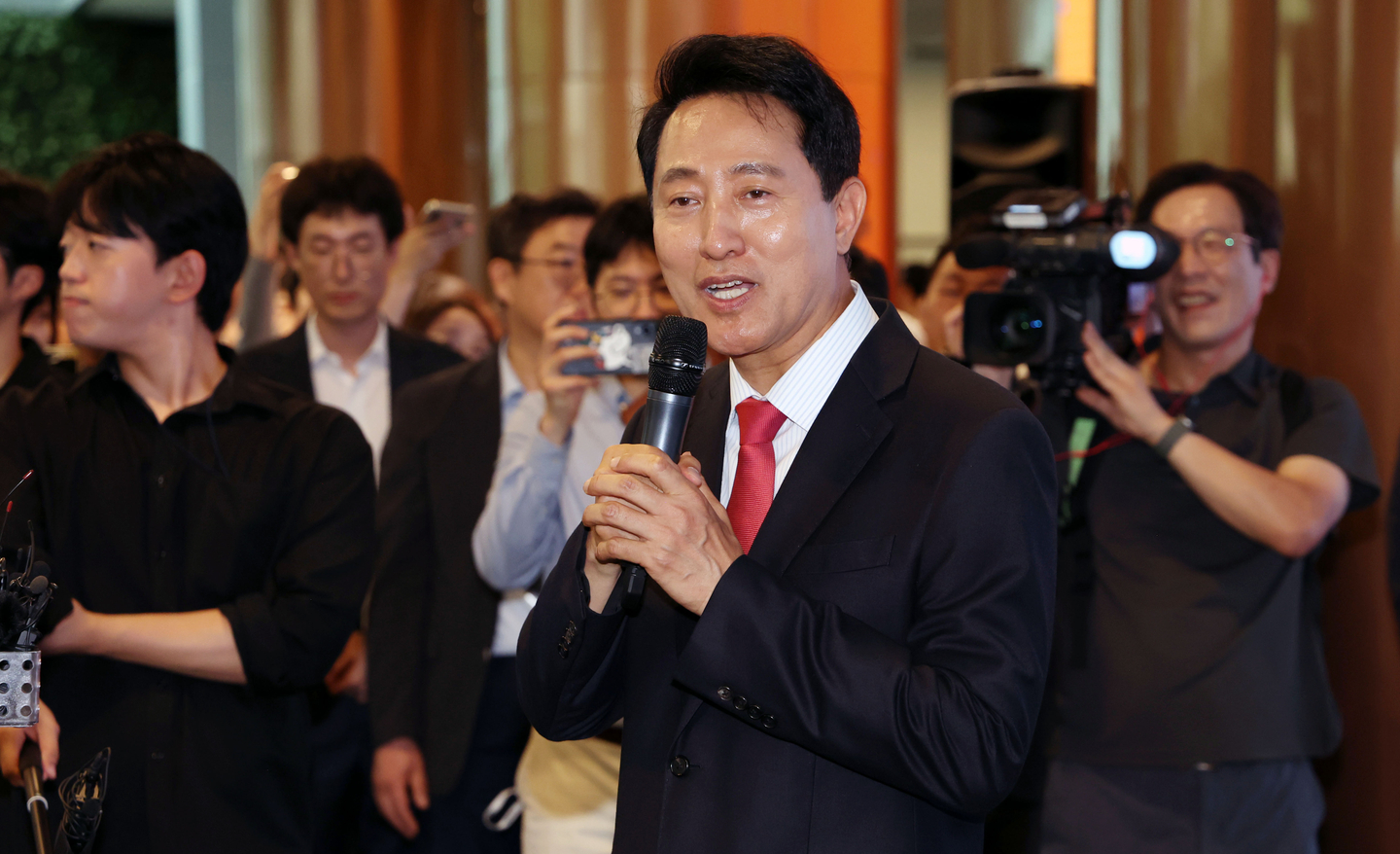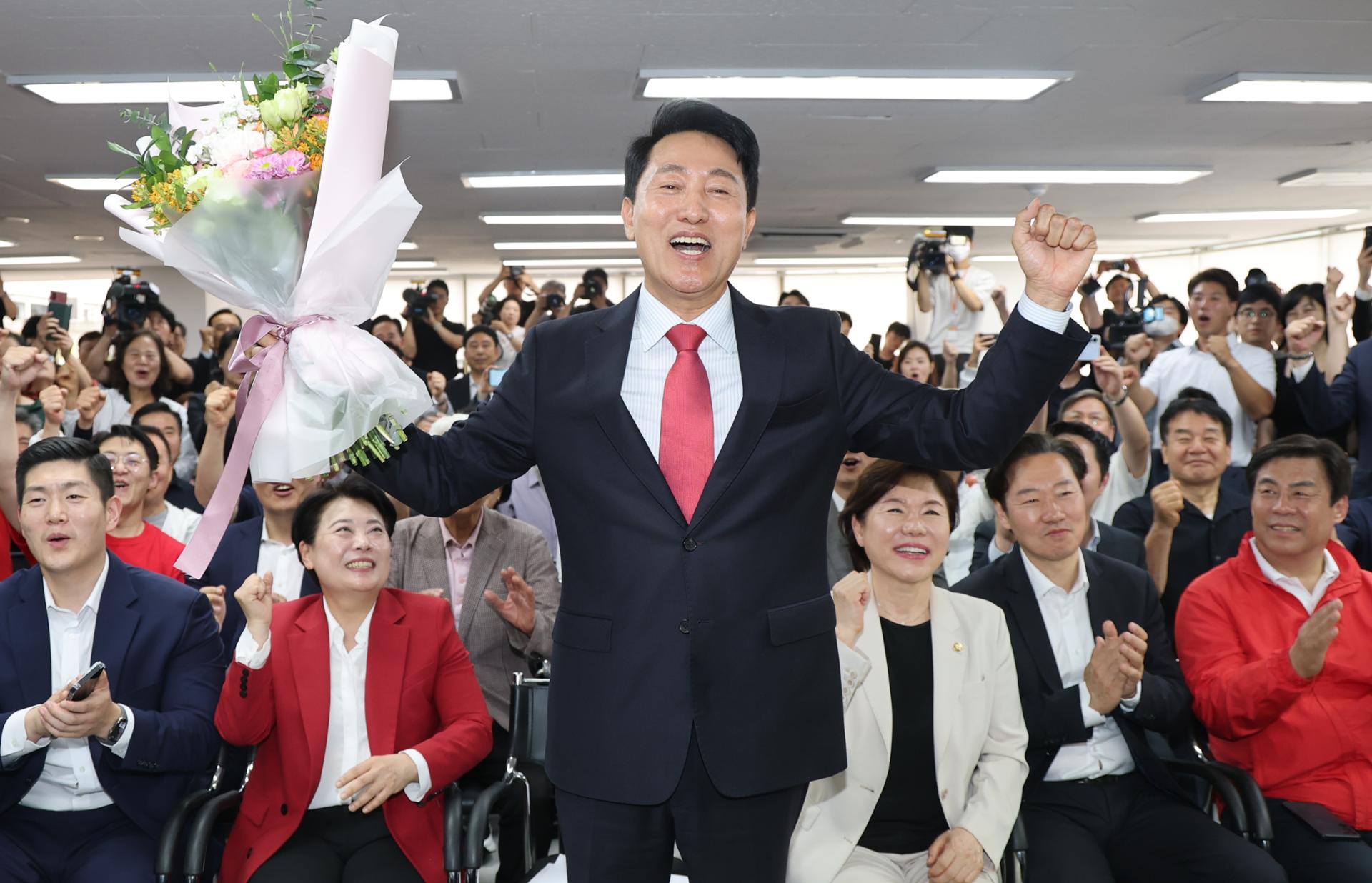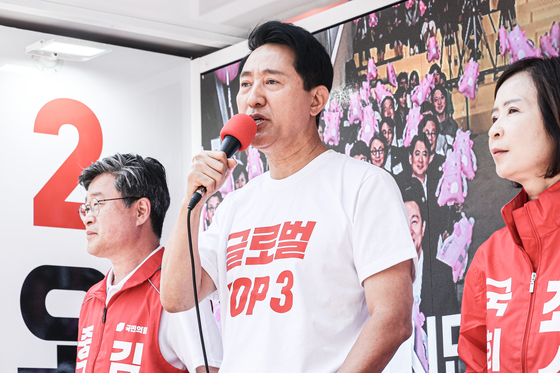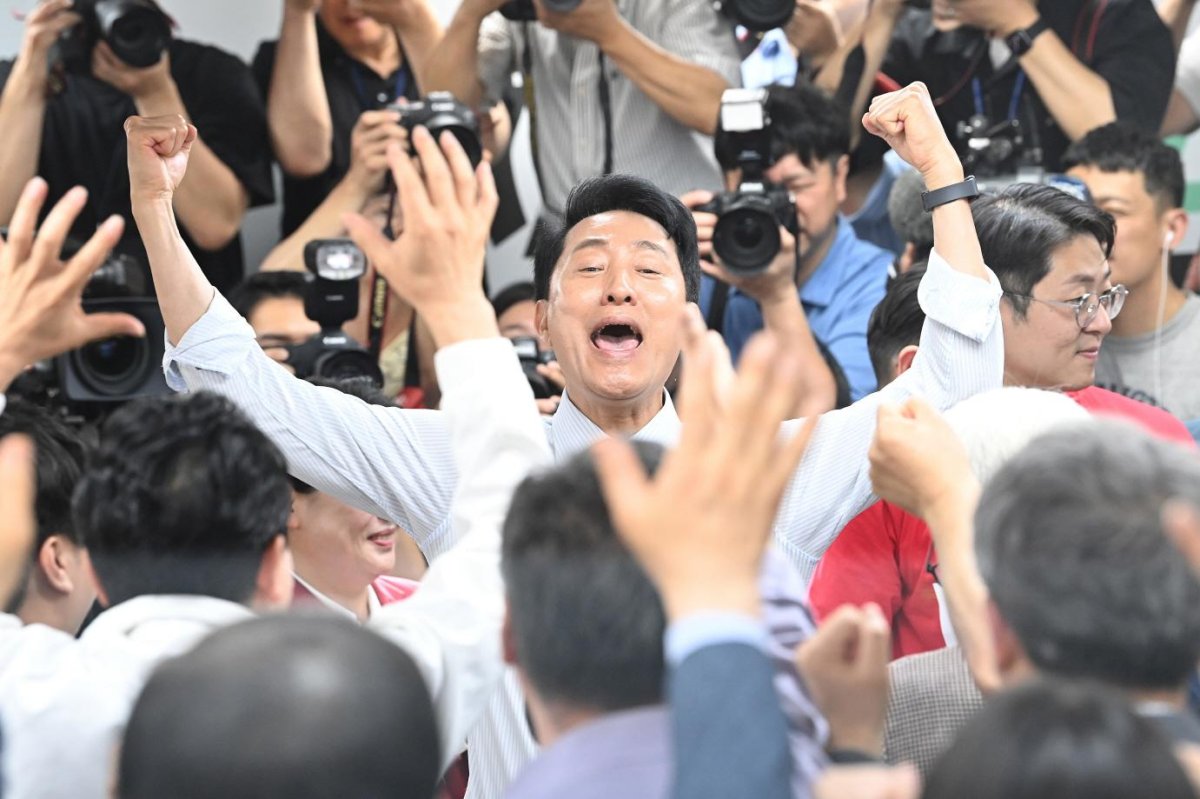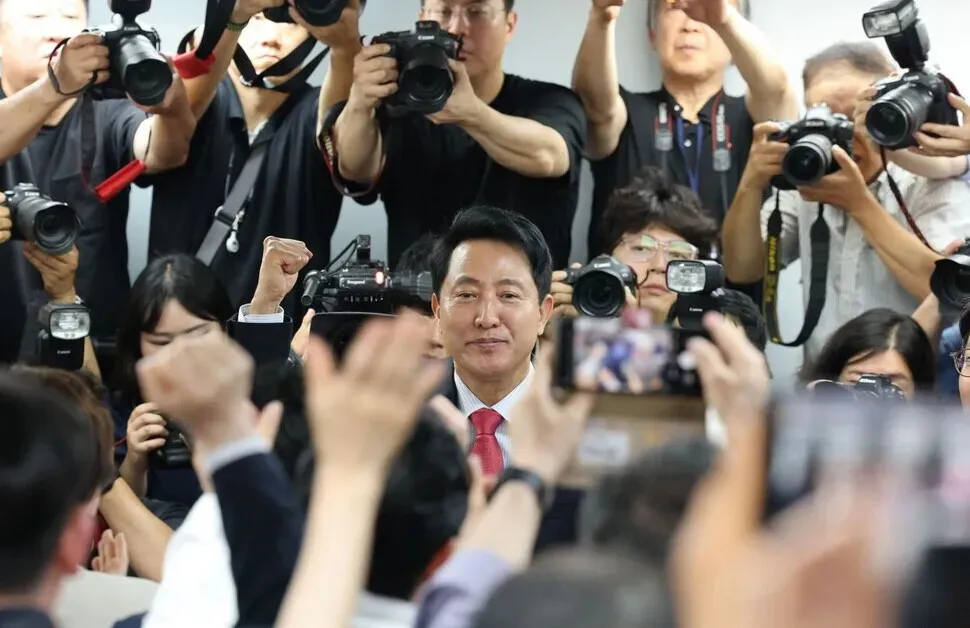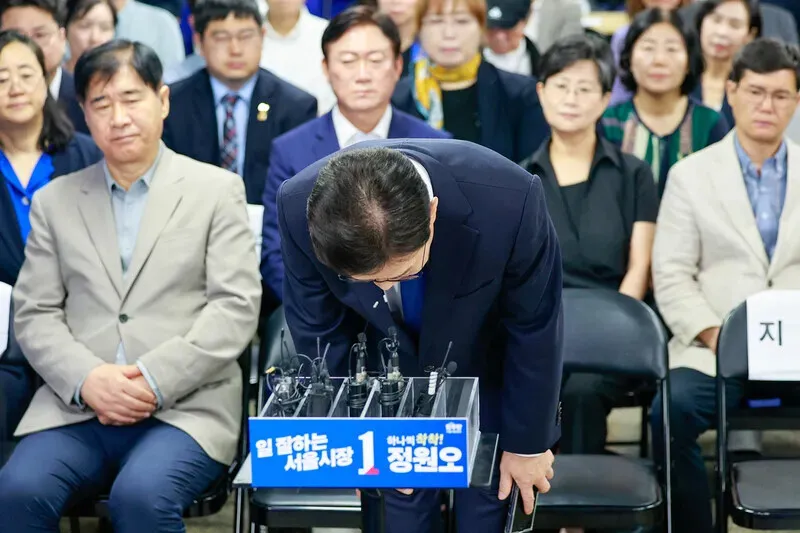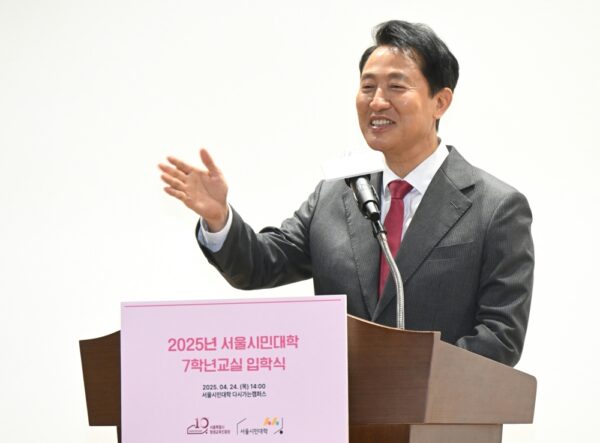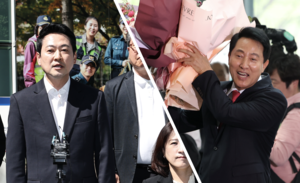
Rep. Jang Dong-hyeok, chair of the main opposition People Power Party (left), and Seoul Mayor Oh Se-hoon. (Yonhap) Seoul Mayor Oh Se-hoon’s reelection gave the main opposition People Power Party its most important victory in Wednesday’s local elections, but results also revealed the limits of its support in the capital.Oh retained the Seoul mayoralty after a close race against Democratic Party of Korea candidate Chong Won-o. He framed the result as a basis for conservative recovery, saying Seoul would serve as “a platform for conservative revival,” “a source of hope for the conservative bloc” and “a basis for turning the tide.”He also linked his victory to voter frustration over the Lee Jae Myung administration’s housing policy, calling the result “a victory of ordinary, hardworking citizens — tenants hoping for an end to the hellish rental housing crisis and residents who have waited in aging homes for the hope of reconstruction.”But far from being an endorsement of the People Power Party, Oh’s victory has added weight to the debate over whether the conservative bloc could recover without making a clearer break with former President Yoon Suk Yeol.Since taking office last year, People Power Party Chair Rep. Jang Dong-hyeok has faced repeated calls from within the party to step aside or shift course. Critics argued that the party remained too closely tied to Yoon and his loyalist supporters even after his removal from office over the Dec. 3, 2024, martial law declaration.For many in the party, the concern went beyond Yoon, raising questions about whether the party could win back moderate and swing voters.Oh was one of the most visible figures making that argument. During the campaign, he repeatedly called on the party to sever ties with Yoon and move toward the center, warning that the party could not win the local elections with a message focused mainly on its traditional conservative base.After securing the party’s nomination, Oh moved to run the race through a candidate-centered campaign structure rather than relying on support from the central leadership. He said the role of Jang’s leadership would become smaller once the campaign entered its main phase, signaling that his campaign would be led more by local candidates and a broader reform-oriented message than by the party headquarters.The distance between Oh and Jang remained visible in the final stretch of the race. When Jang campaigned in Seoul late last month, Oh did not join him and followed a separate schedule. Local reports said Oh’s camp and some lawmakers in the capital region were concerned that a joint appearance with Jang could hurt the campaign among moderate voters.The election result gave Oh a basis to argue that his approach was closer to public sentiment than the party leadership’s.The district-level results also indicated a split between support for Oh and support for the party. Of Seoul’s 25 district chief races, the Democratic Party won 17, while the People Power Party took eight. The result was the reverse of the 2022 local elections, when the People Power Party won 17 districts and the Democratic Party won eight.A People Power Party official said the outcome showed that Oh’s victory should not be interpreted as a recovery of support for the party as a whole.“Seoul was won by Oh Se-hoon, not necessarily by the party brand,” the official said, speaking on condition of anonymity. “Many voters supported Oh because of his record as mayor and because they wanted checks on the central government. But the party still needs to ask why it lost most district chief races in Seoul.”The official said the result reflected a broader problem for the party leadership.“There have been many people inside the party who believed we had to move more clearly toward the center and make a break with the Yoon Suk Yeol era,” the official said. “Oh represented that view during the campaign, and his victory without strong support from the leadership showed that this was not just an internal argument, but something voters were also responding to.”Political commentator Park Sang-byeong said Oh’s win should be seen as a warning to the People Power Party leadership rather than a mandate for it.“Oh Se-hoon won because he was able to separate himself from the People Power Party’s current image,” Park said. “The result does not mean the party has regained support among moderate voters.”Park said the Seoul result strengthened the argument that the conservative bloc needs to move away from a politics centered on Yoon and his core supporters.“The message from Seoul is that a conservative candidate can still win when he appeals to the center and keeps his distance from the party’s hard-line image,” Park said. “But the broader election result shows that the People Power Party has not fully recovered from the Yoon Suk Yeol era.”The nationwide results also made it difficult for the party to claim broader momentum. The Democratic Party won 12 of the 16 mayoral and gubernatorial races, while the People Power Party won four, including Seoul.
Oh’s win brings relief to conservatives, but People Power Party faces deeper doubts
Seoul Mayor Oh Se-hoon’s reelection gave the main opposition People Power Party its most important victory in Wednesday’s local elections, but results also reve
829 words~4 min read