Read The Diplomat, Know The Asia-Pacific
Why Seoul picked the PPP incumbent yet again, and what it means for the city.
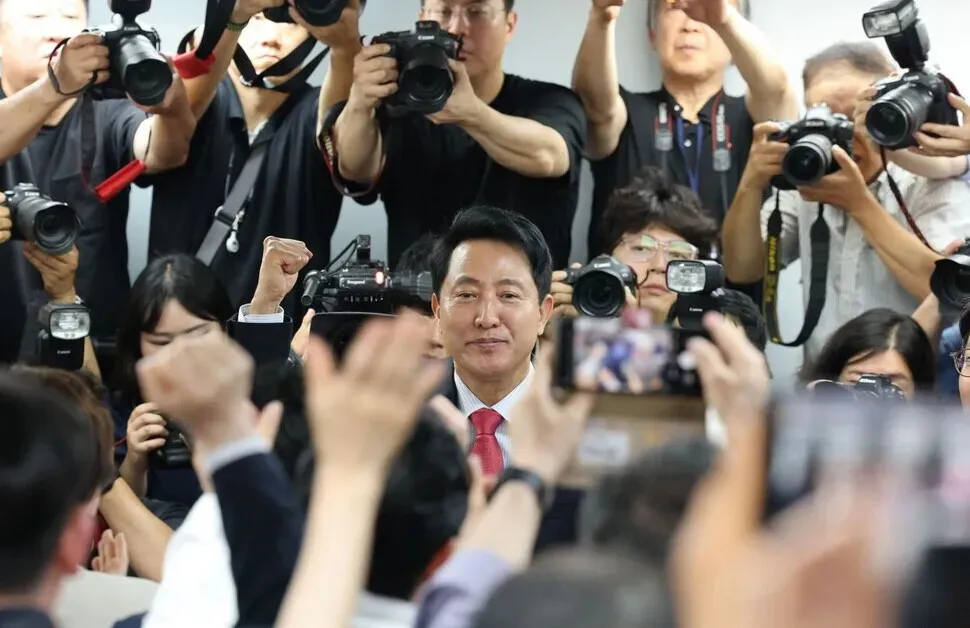
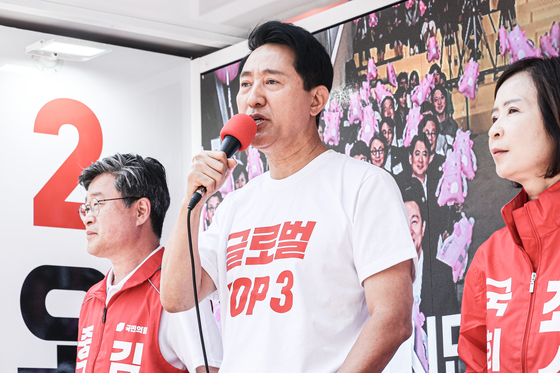
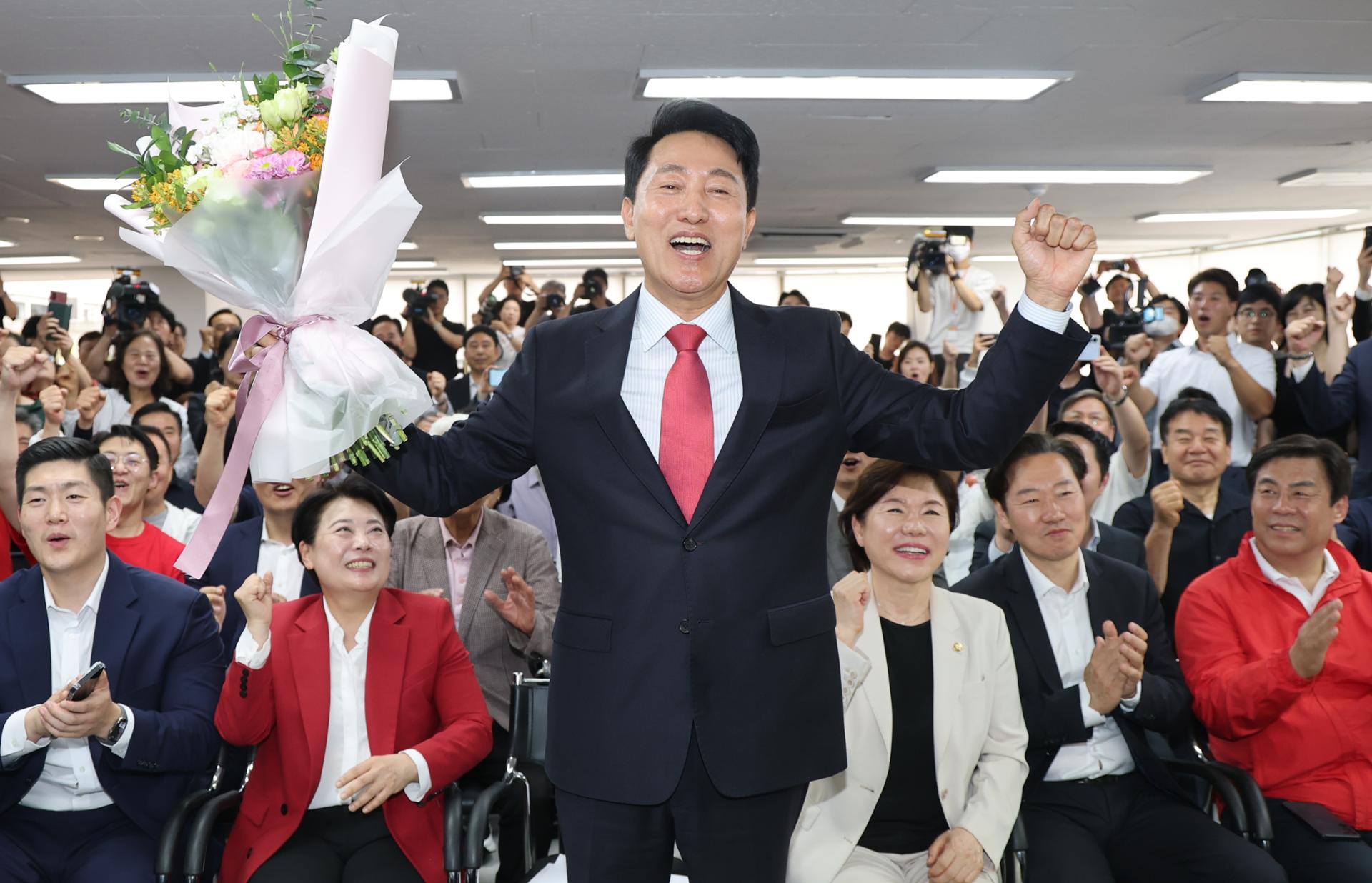
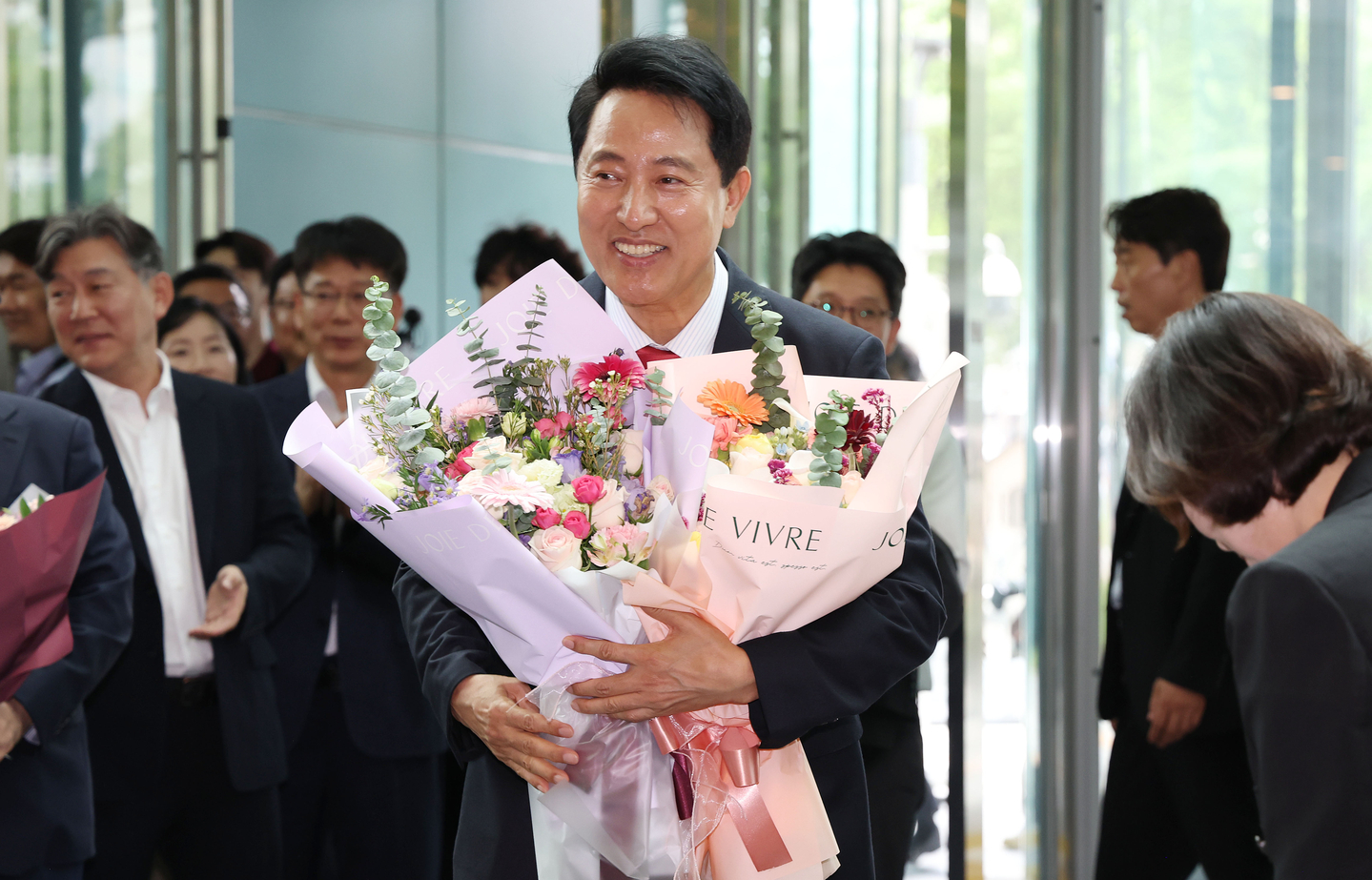
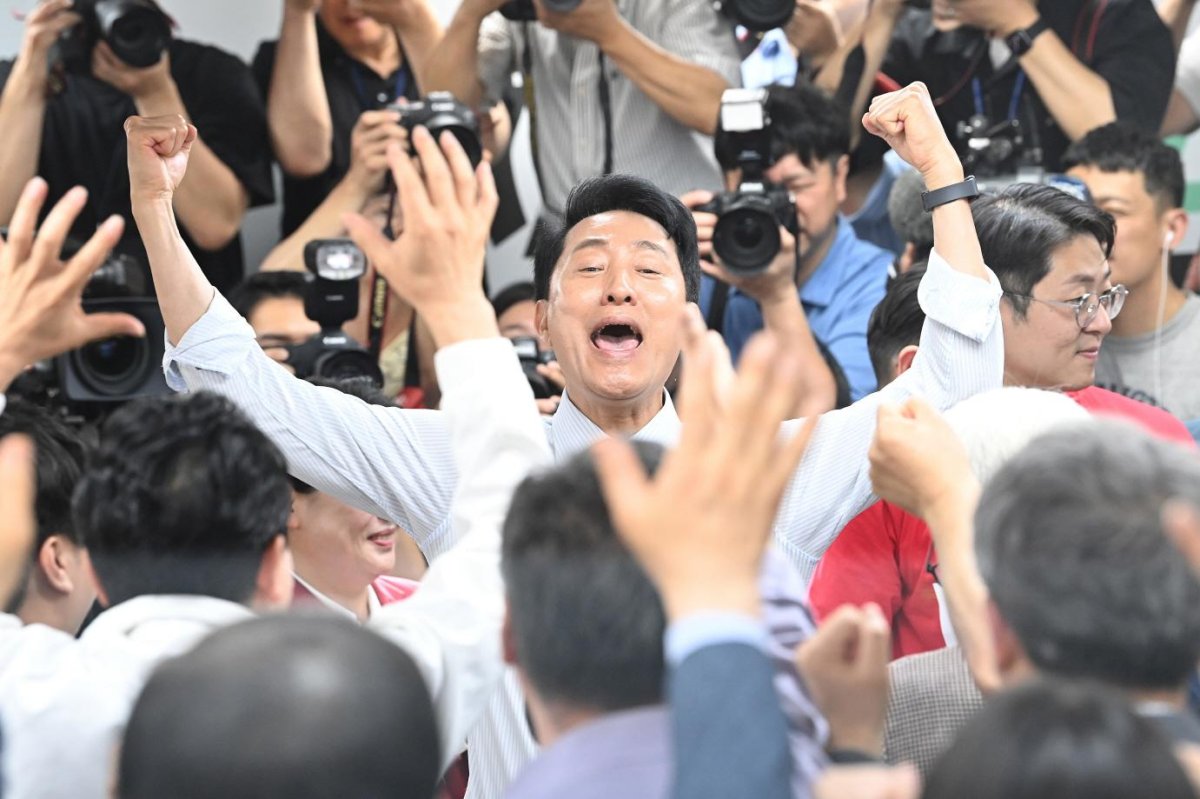
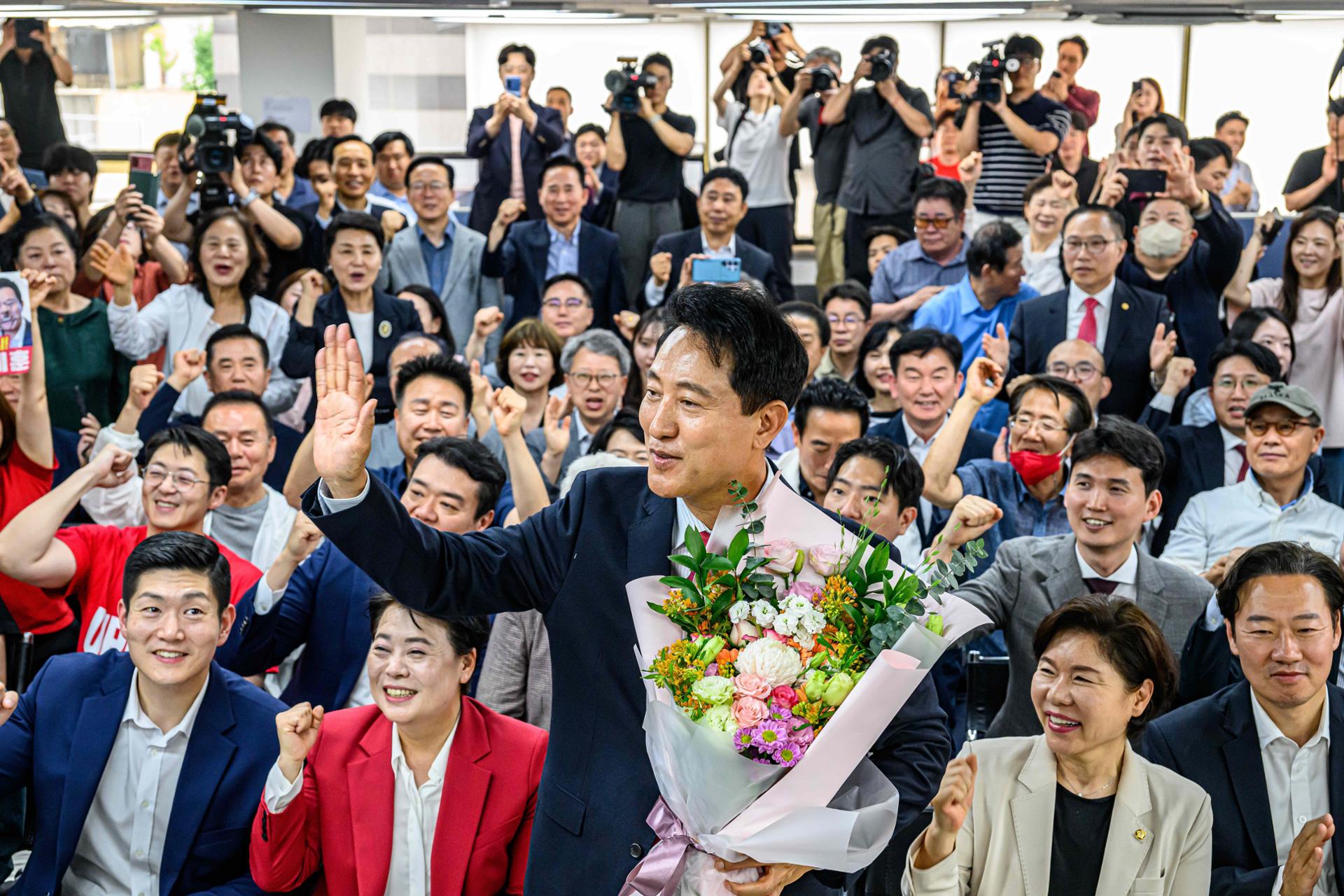
The incumbent mayor of Seoul, Oh Se-hoon, won re-election in the mayoral race on June 3. For Oh, though, it was an unexpected victory. All the polls and exit polls signaled his defeat. Up until 7 a.m. on June 4, 13 hours after voting closed, he trailed on the heels of his rival from the Democratic Party (DP). It was only around 9 a.m. that it was announced Oh won the race by 1 percent, some 60,000 more votes than his DP rival, securing another term as mayor of South Korea’s capital. It will be his fifth term, albeit nonconsecutively.
A sleek and amiable environmental lawyer in the 1990s, Oh entered politics in 2000 as a legislator from today’s People Power Party (PPP), South Korea’s opposing conservative party. Rather a refreshing figure with a penchant for the reform of domestic politics, he became mayor of Seoul in 2006. Then 45, he was the youngest person ever to hold that post. Oh wanted to make Seoul more aesthetically presentable, refashioning the city’s architecture and infrastructure. In 2010, UNESCO designated Seoul as a Creative City of Design.
His second term was more tumultuous. In December 2010, the Seoul Council passed an ordinance to provide free lunch to all elementary school kids. Oh denounced the plan as universal welfare. He called for a referendum. He raised the stakes by swearing to resign as mayor should the referendum go against him.