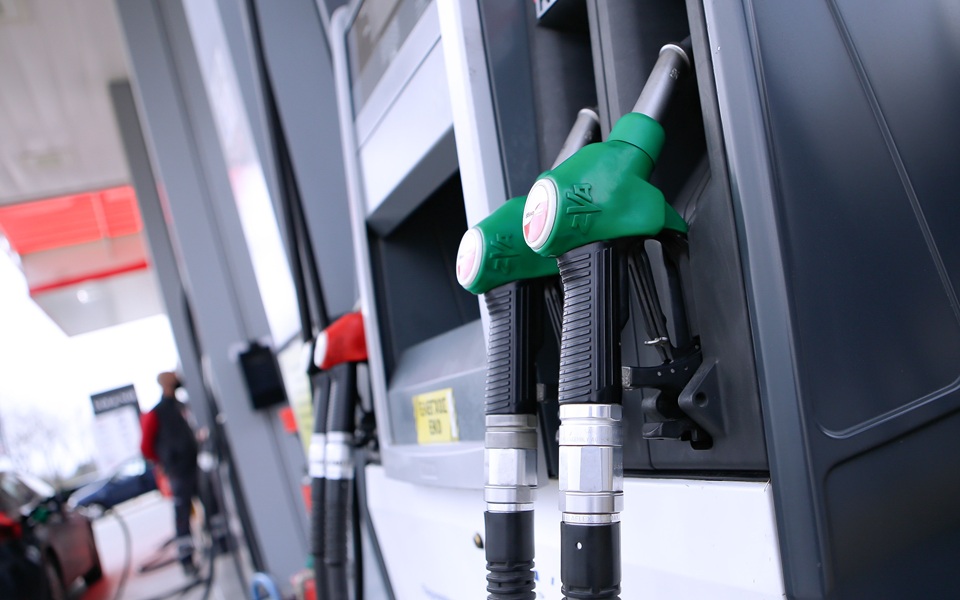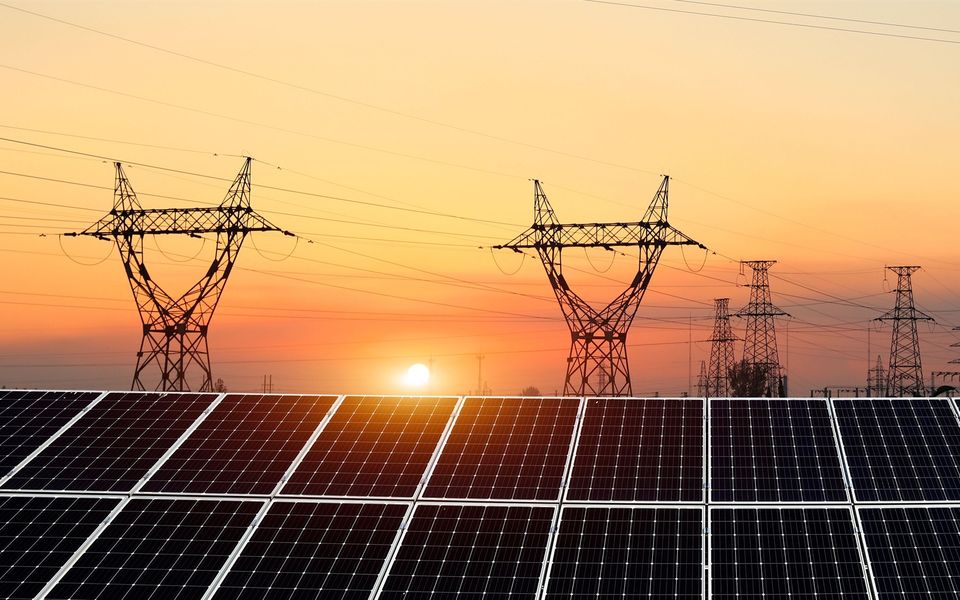
The European Commission’s report on Greece, prepared within the framework of the European Semester, combines positive assessments of the Greek economy with 20 critical findings highlighting persistent structural weaknesses and longstanding challenges facing the country.The Commission calls on Greece to limit support measures related to the conflict in the Middle East to strictly targeted interventions, to promptly review its extensive framework of tax exemptions, and to phase out fossil fuel subsidies. The Commission also raised concerns over high rental prices and a number of labor market distortions, including the limited participation of women and young people in employment.The list of concerns identified by the Commission is extensive and spans multiple aspects of the country’s economic and social landscape:Environmental permitting procedures remain time-consuming, while the legal framework governing coastal concessions is outdated.Professional services sectors (including lawyers, architects, civil engineers, and accountants) continue to face stringent market entry and operational restrictions.Research governance and funding remain fragmented. Delayed public-sector payments affect 33% of SMEs.The digitalization rate of SMEs remains low (55.95% compared with 71.39% across the EU in 2025).
Greece's 20 major challenges: Commission pushes to scrap subsidies and slash tax breaks
The Commission calls on Greece to limit support measures related to the conflict in the Middle East to strictly targeted interventions, to promptly review its
664 words~3 min read