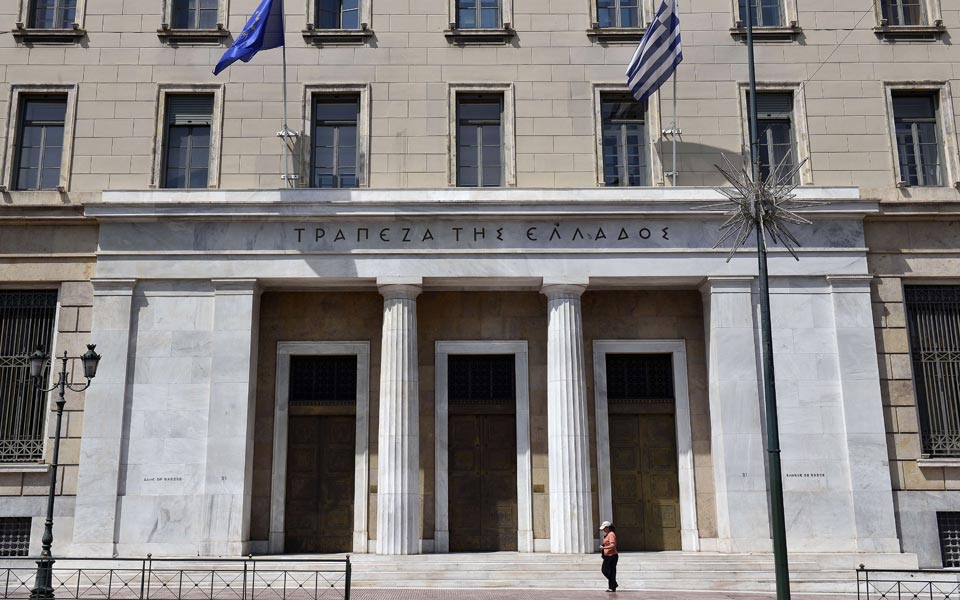
The European Commission, the Organization for Economic Cooperation and Development (OECD), the International Monetary Fund (IMF) and the Bank of Greece recommend the review of tax exemptions and the cancellation of those without a social objective, placing at the center of the public debate their scope, cost and effectiveness in the Greek tax system.
At a time when states are looking for fiscal space for targeted social policies, international organizations and institutional bodies warn that tax expenditures must be reexamined for their transparency, efficiency and developmental value.
All countries have tax exemptions and special tax regimes. However, in the case of Greece, their scope and complexity rank it among the countries with the most tax exemptions for individuals and businesses, according to a Commission report issued Wednesday.
Brussels points out that Greece does not have a permanent and systematic evaluation mechanism, proposing it to ensure permanent control of costs.
In 2024, tax exemptions amounted to €22.88 billion in Greece, up by €4.06 billion the previous year, and amounting to 30.9% of total tax revenues. The Commission, in its announcements for the European Semester, notes that the Greek tax system includes 1,236 tax expenses and exemptions, a number that increases the complexity and affects the efficiency of revenue collection.