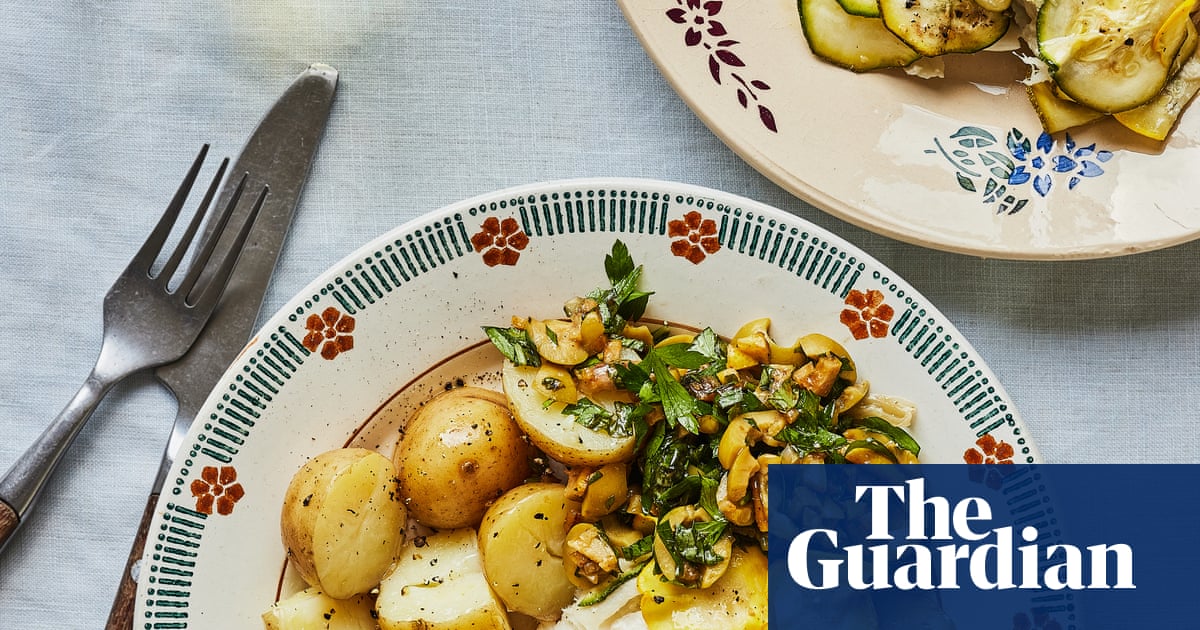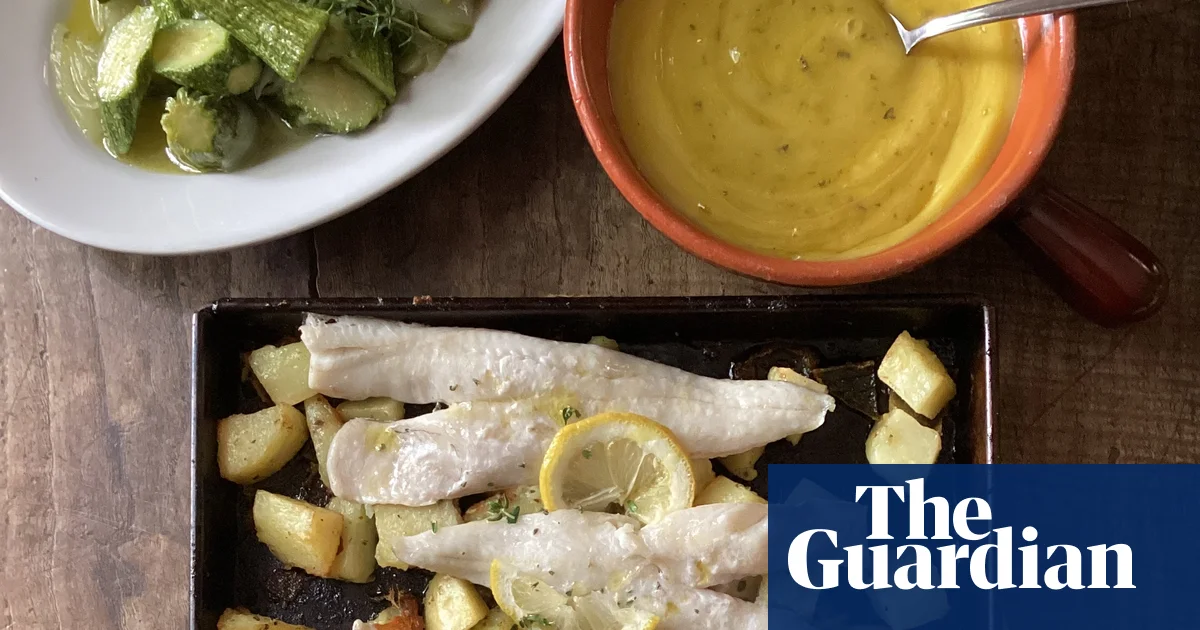
In her enthusiasm, my dog pulled me over in front of a group of teenagers the other day, so I have been using an antiseptic called Citrosil on my elbow, hip and ear. So much so that clothes I wear often, tea towels that have been hung on my shoulder and my bag all seem to have Citrosil hanging about them, like the teenagers around the bench (two of whom came to my aid). I put this down to the smell having got into my sinuses, or personal paranoia, until a woman in the supermarket commented, also saying how reassuring she found it. Separately, I keep having thoughts about chips fried in olive oil with oregano sprinkled on top, which I put down to a comment by a friend a few weeks ago, until I realised that thoughts of chips were also due to the Citrosil on my elbow and in my sinuses, because it doesn’t smell only like hospital corridors, my grandma, lemon and turpentine, but also oregano.Looking at the ingredients on the Citrosil bottle, the herbal element is actually thyme essence, although thyme and oregano are in the same family and both contain molecular compounds called thymol and cymene, whose decisive component smells – medicinal, tarry, woody, floral – are combined so intoxicatingly in thyme, oregano and marjoram. Smells that bring to mind chips, braised vegetables, köfte and flatbreads.Another thought this week is the confusion, or rather my confusion, between oregano and marjoram. Clarification for this came from the vast and meticulous Kew Gardens website, which includes something called “plants of the world online”. In short: oregano and marjoram are the same thing. In slightly more detail, both are members of the genus called Origanum, which is native to 80 countries and has 44 accepted species. Four of those species are used as herbs: the first is Origanum vulgare, “a very common herb”, which is commonly known as oregano or wild marjoram, a woody-based perennial with small, oval, throat-bearded (AKA fuzzy), aromatic leaves and white or pink flowers. The other three are O. majorana (sweet marjoram), O. onites and O. syriacum (or za’atar).Any of these species are suitable for this week’s recipe, which is actually more of an ensemble involving layers of oregano, the scent of which will fill the kitchen, your clothes and tea towels. Be generous with the olive oil on the potatoes and turn them regularly, and add the fish only towards the very end of cooking, because it needs just minutes. Most white fish will work, using what is available and keeping in mind that it is always worth consulting the Marine Conservation Society sustainably chart, too.A green salad is great here, as are green vegetables (courgettes, peas, spring onions, broad beans or little gem lettuce, or a mix) braised in olive oil with a little more oregano or another herb. Alternatively, for lovers of double potatoes, make a side order of chips; those you cut yourself, or a bag of oven chips fried in a third olive oil and two-thirds vegetable oil, drained well and topped with salt, oregano, marjoram, za’atar.Baked fish and potatoes with oregano and lemon mayonnaiseServes 44 large all-purpose potatoes
Rachel Roddy’s recipe for baked fish and potatoes with oregano and lemon mayonnaise | A kitchen in Rome
Layers of oregano bring a pungent earthiness to this simple supper of baked white fish and spuds
721 words~3 min read