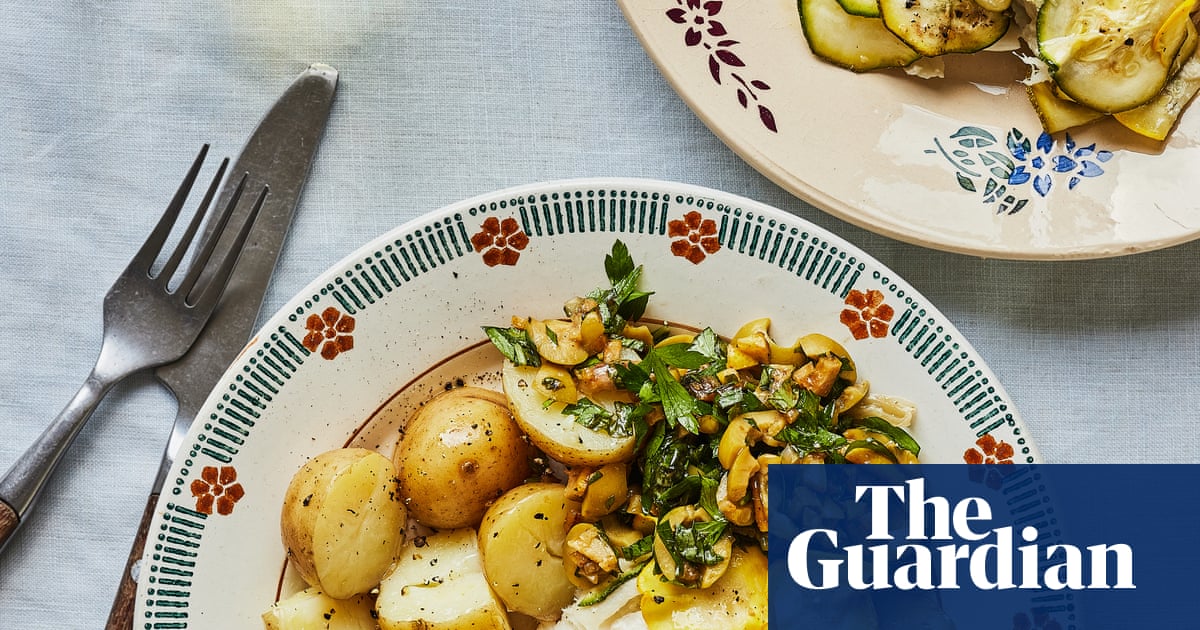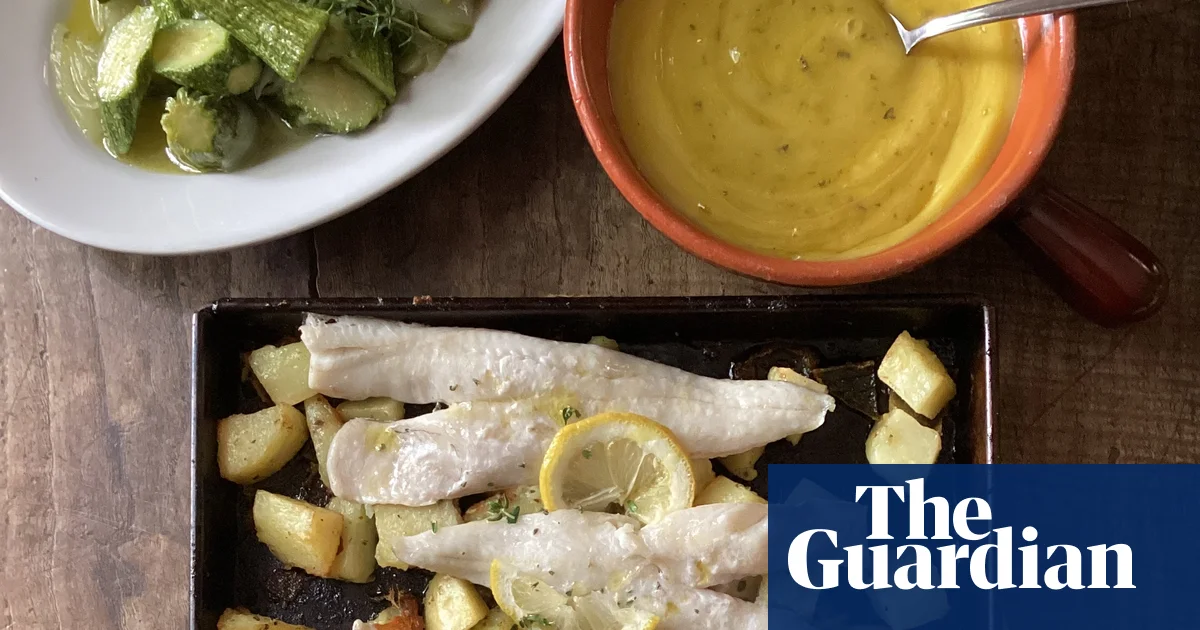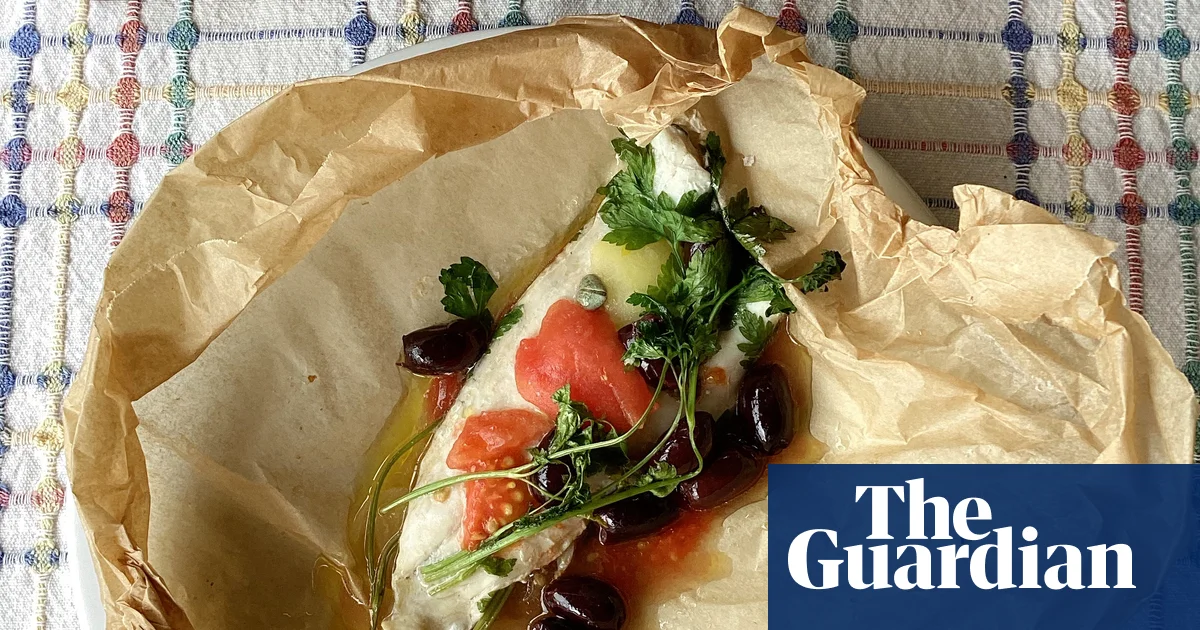
Al cartoccio is the Italian form of en papillote, meaning “contained” or “in paper”, which is an effective cooking method that traps the moisture (and flavour) released from the ingredients and creates a steamy poaching chamber – it’s a bit like a Turkish bath for food! Once out of the oven, but still sealed, the scented steam trapped in the paper returns to liquid and creates a brothy sauce. Fish with firm white or pink flesh that breaks into fat flakes is particularly well suited to cooking al cartoccio, both whole fish (cleaned and on the bone) and individual filets (estimate 110g-140g per person).When choosing fish, keep in mind our collective default to cod and haddock, both members of the so-called “big five” that make up a staggering 80% of UK consumption. Instead, look out for other species, such as hake, huss or North Sea plaice, ASC-certified Scottish salmon, sea trout or farmed rainbow trout. For more detailed and updated advice, the Marine Conservation Society produces an invaluable, area-by-area good fish guide that uses a five-tiered system to rank both “best choice” and “fish to avoid” based on the species, location and fishing method. Also, don’t forget how well fish freezes, so always check the frozen food section, too.Typical seasonings for fish cooked al cartoccio are lemon, parsley, olive oil and salt, maybe a dash of dry vermouth or wine, which, when combined, produce a wonderful, fresh-tasting broth. A change, and a seasonal, summery variation is to sit the fish on segments of fleshy sweet tomatoes, which (especially if the tomato is peeled and the seeds flicked away) collapse into an almost-sauce reminiscent of puttanesca, along with olive oil, slivers of garlic, small black olives and capers or caper berries. I also like a few fennel seeds or feathery fresh fennel fronds, which add a pleasing, aniseed note, if you like that sort of thing.To protect the precious juices, I lift the pouches on to plates and let everyone open their own, but not without a warning that the steam can puff out quite aggressively. Once everyone has carefully tipped everything on to their plate, pass around buttered potatoes, rice, couscous or toast rubbed with garlic and olive oil; mayonnaise or aïoli is also great here.The other day, I made aïoli according to Alastair Little, which was also a reason to pull his book, Keep It Simple, off the shelf. He is an advocate of the food processor for aïoli, with one egg yolk and two crushed garlic cloves for every 300ml olive oil-sunflower oil added in a steady stream, plus lemon juice and white pepper to taste. It’s an emphatic sauce for a steamy braise.Fish baked with tomatoes, olives and capersServes 41 large, fleshly beefsteak tomato
Rachel Roddy’s recipe for fish baked with tomatoes, olives and capers | A kitchen in Rome
This juicy poached dish packs in hearty flavours and pairs well with buttery potatoes, rice or couscous
705 words~3 min read