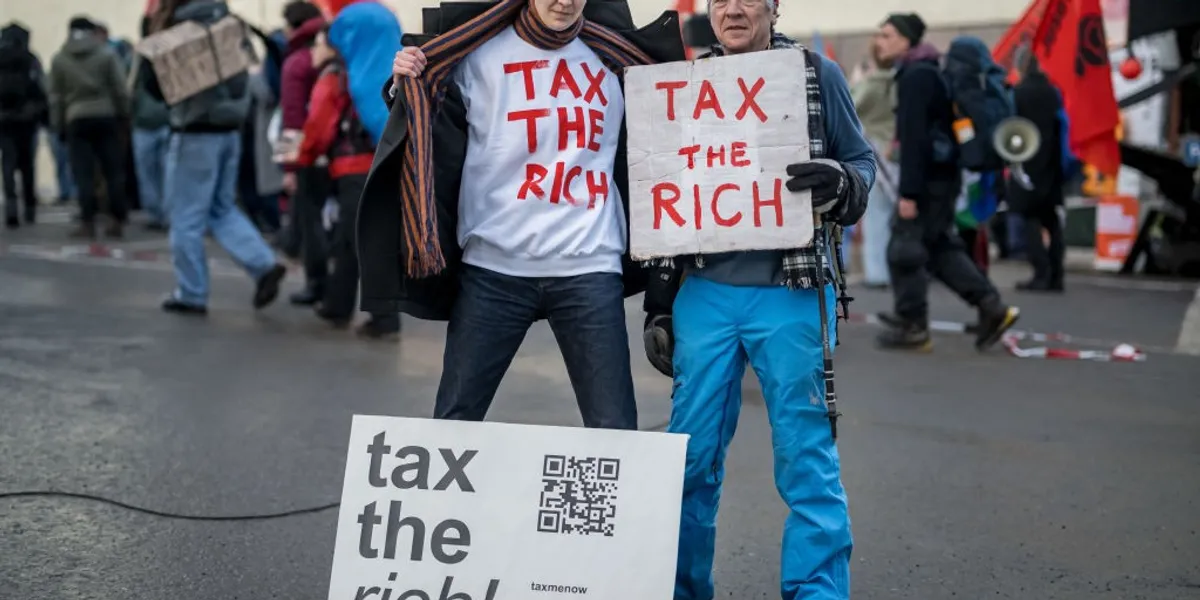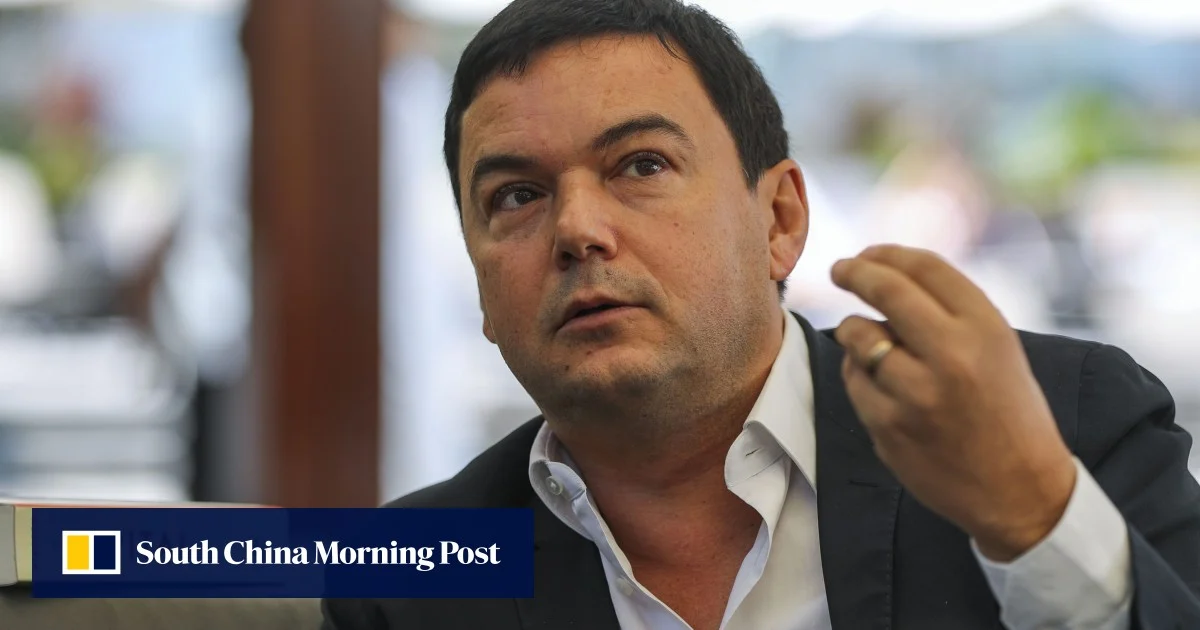
An initiative designed to tackle inequality and climate change could benefit China by reinventing global financial and trade institutions and liberating countries from constantly chasing trade surpluses and foreign reserves, French economist and inequality specialist Thomas Piketty said.A report by Piketty and fellow researchers at the World Inequality Lab that was published on Thursday envisions a fully costed plan to slash global inequality, fund the green transition and reform international finance – enforced through trade tariffs and financed by wealth taxes and a publicly owned sovereign fund.“All the discussion about trade that we’ve seen with [US President Donald] Trump … all the fear that you see everywhere, that is a very, very serious concern … one of the biggest problems we have today is that we need a new international currency,” Piketty told the South China Morning Post ahead of the report’s publication.The researchers proposed setting up a United Nations central bank to replace the International Monetary Fund (IMF) and issuing a new international currency – the United Nations currency (UNC) – plus a new international clearing union.The UNC, based on the IMF’s Special Drawing Rights – a basket of the US dollar, euro, yuan, yen and pound – would be more stable than any single currency because no one government could devalue or abandon it, Piketty said, adding that would remove the pressure that had driven countries to hoard trade surpluses as insurance against currency crises since the 1997 Asian financial crash.“I don’t blame China, because I think this strategy of China, of accumulating trade surpluses, is itself the consequence of an international financial system where everybody is sort of a bit worried to be caught in a financial crisis where world financial markets are going to eat your currency,” he said.
New global financial architecture needed to end trade surplus fixation: Piketty
Economist proposes central bank and currency under the UN to remove fears that ‘world financial markets are going to eat your currency’.
293 words~1 min read