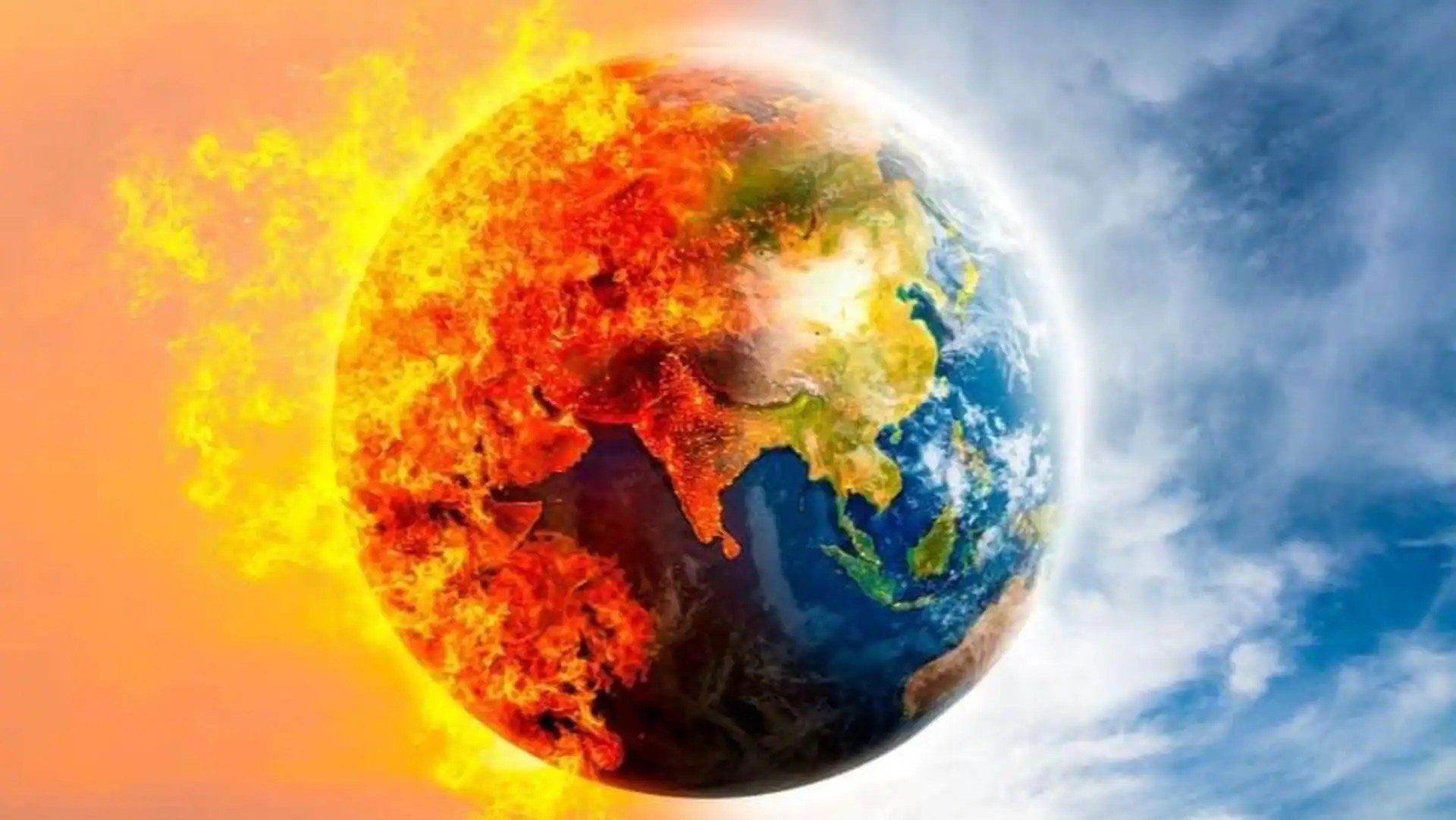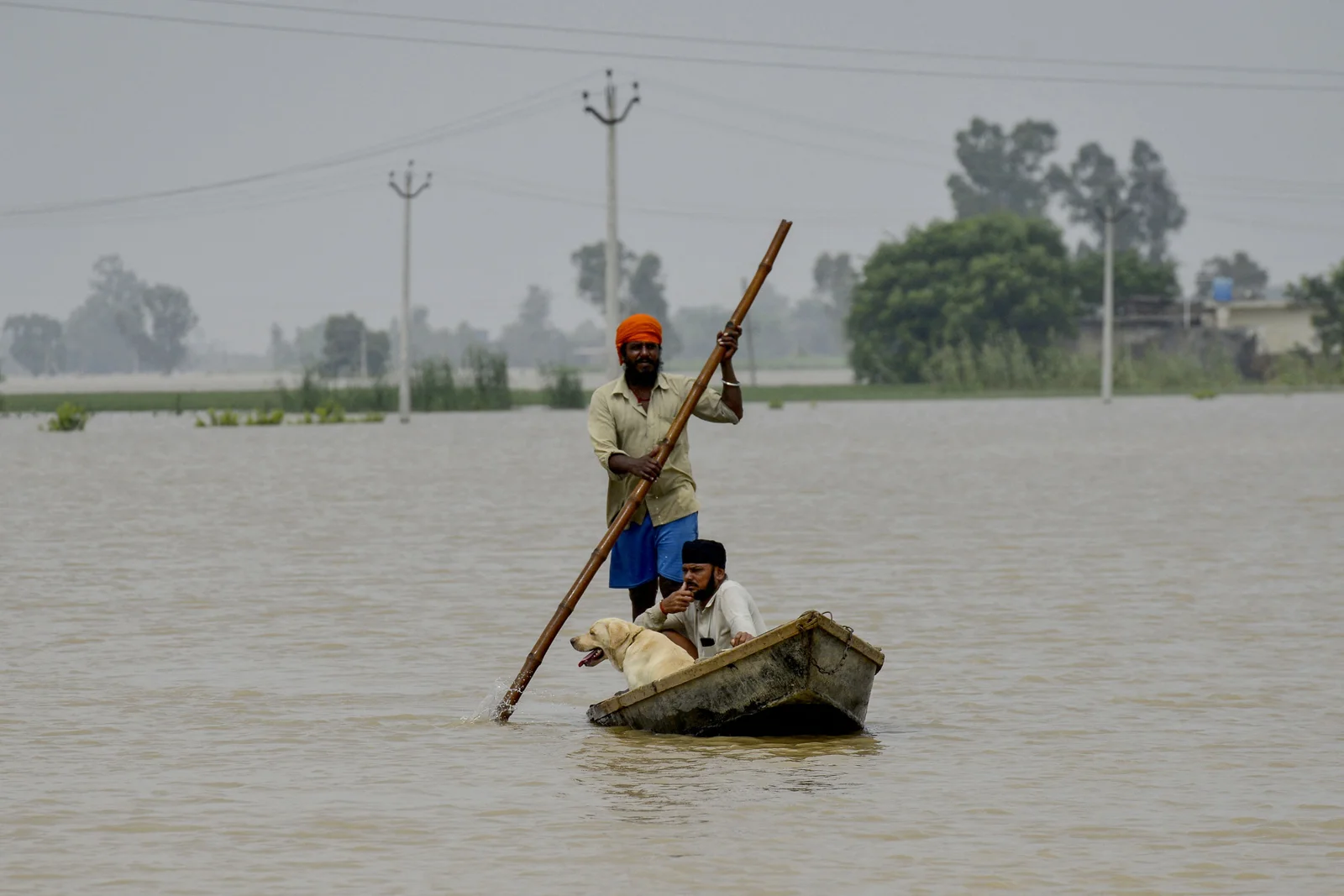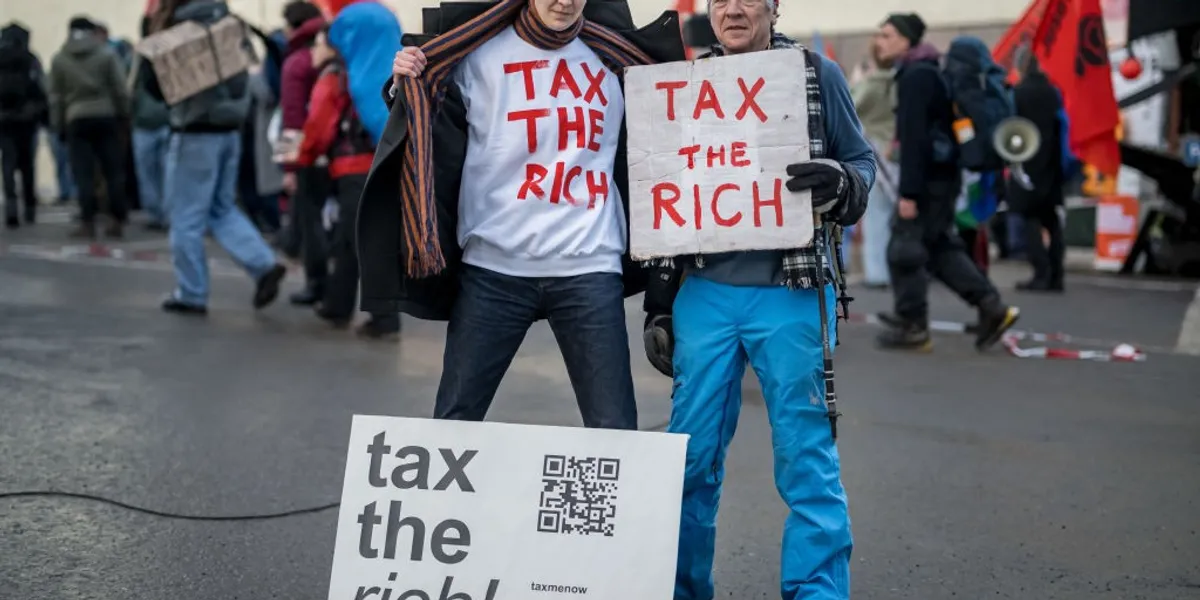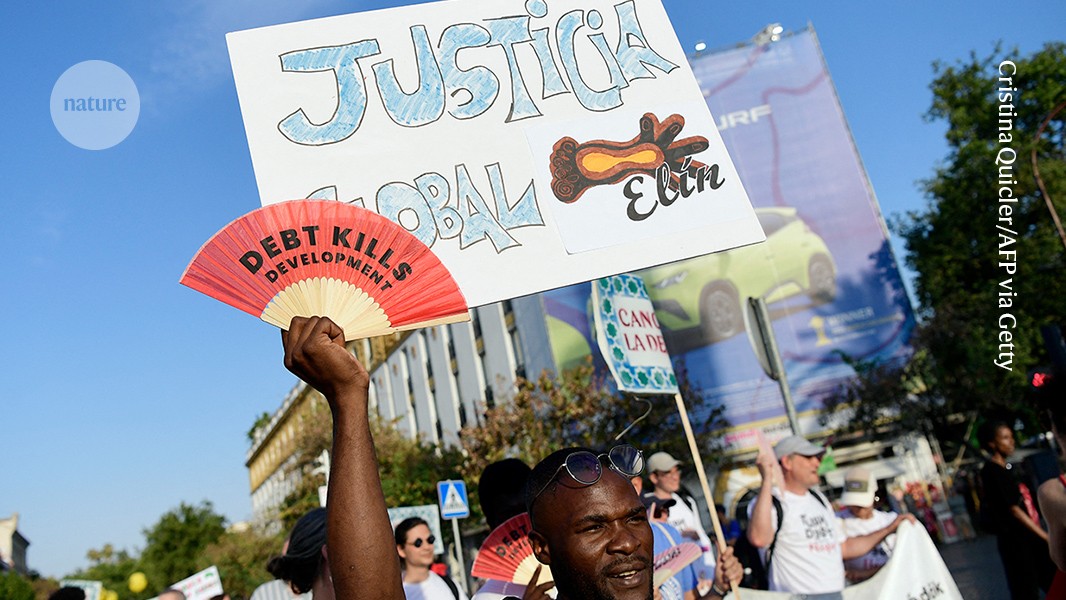
The world can raise income, reduce inequality and limit global warming, according to an ambitious roadmap presented this week by economists in France. Making the case for a radical transformation of economies and lifestyles, they call on rich countries to slow growth, phase out fossil fuels and tax the wealthiest to help poorer countries fund development and mitigate the effects of climate change.
Issued on: 06/06/2026 - 06:56
3 min Reading time
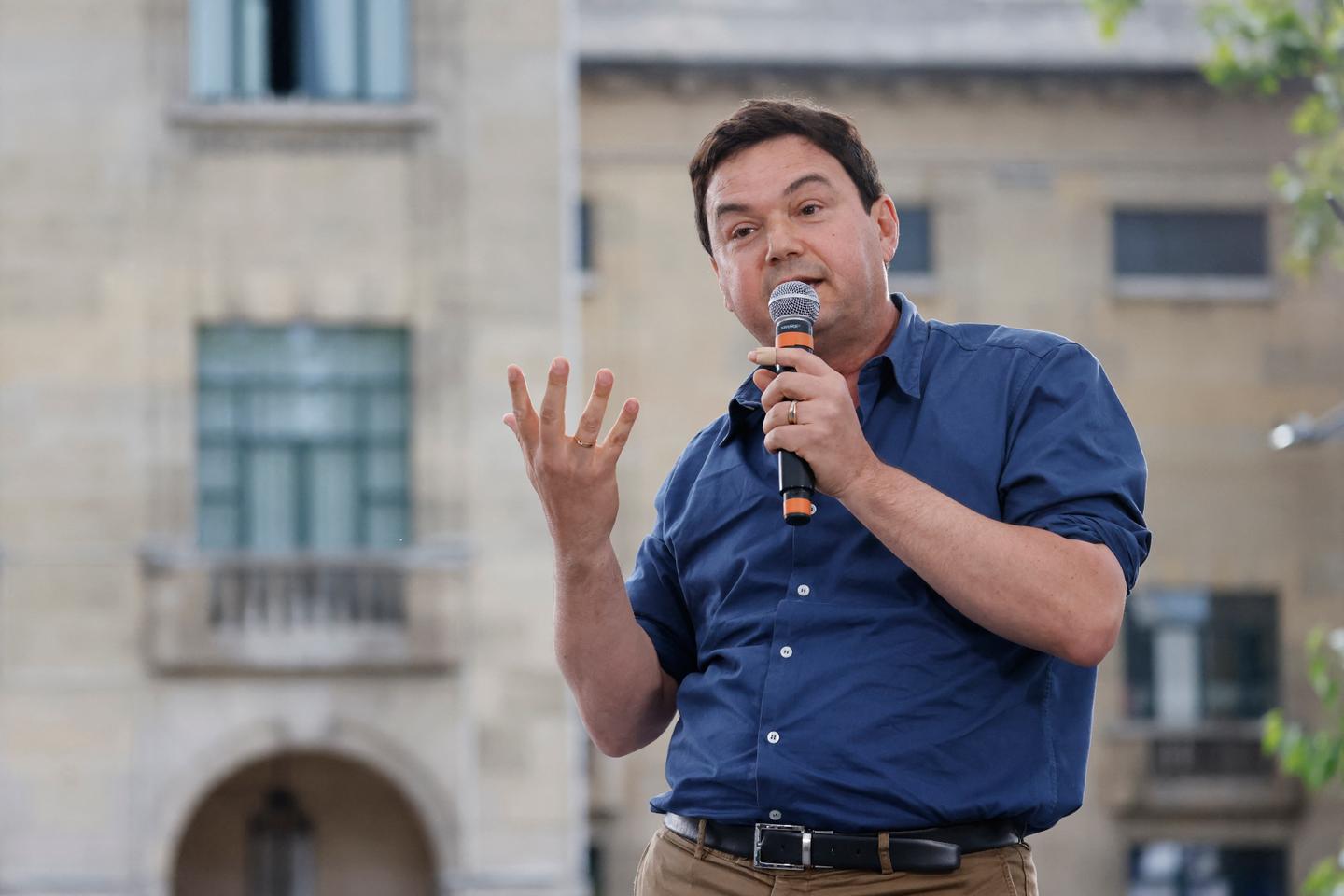
Published on Thursday by the World Inequality Lab, the Global Justice Report presents a vision of a fairer world built within the planet's limits. Based on data from around the world, it makes the case that it is possible to “reconcile planetary habitability with wellbeing for all” – but only by making deep structural changes. These include rapid decarbonisation, sharp reductions in wealth disparities and shifts in consumption patterns, particularly in high-income countries. Co-directed by French economist Thomas Piketty, the Paris-based research group proposes a long-term scenario in which people around the world earn an average monthly income of around €5,000 by 2100. Currently, that figure ranges from roughly €290 in sub-Saharan Africa to nearly €4,600 in North America. Under the plan, the share of global wealth held by the poorest half of the world’s population would rise from just 2 percent today to 30 percent, while the proportion held by billionaires would fall dramatically. At the same time, the researchers argue, global warming could be limited to 1.8 degrees C – well below current trajectories that exceed 4 degrees.