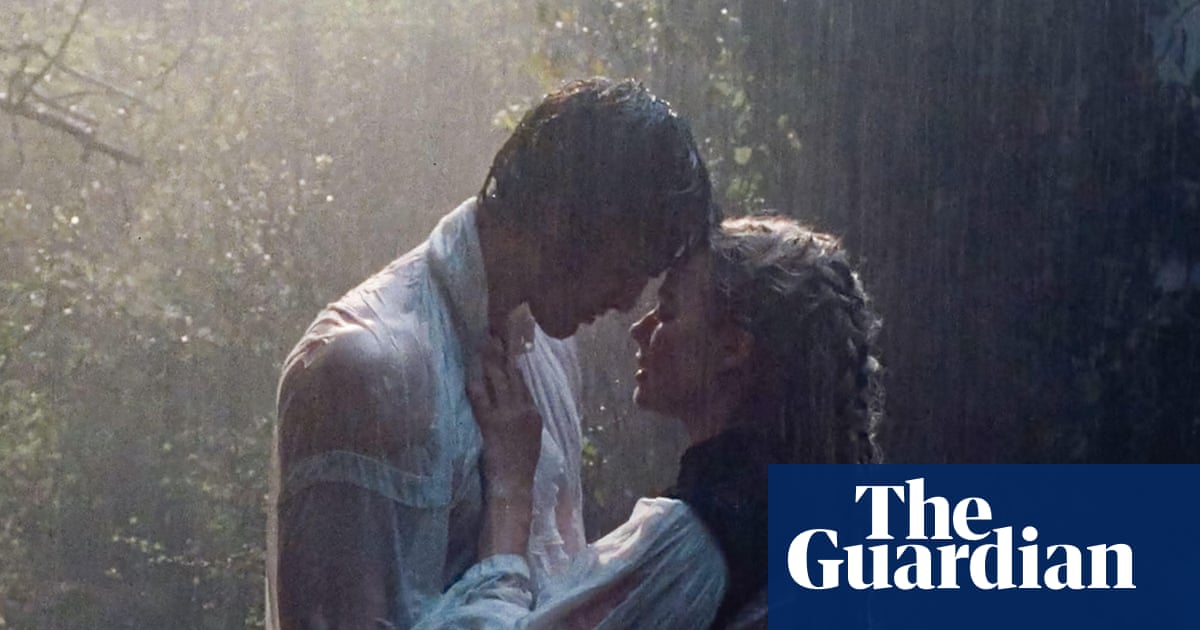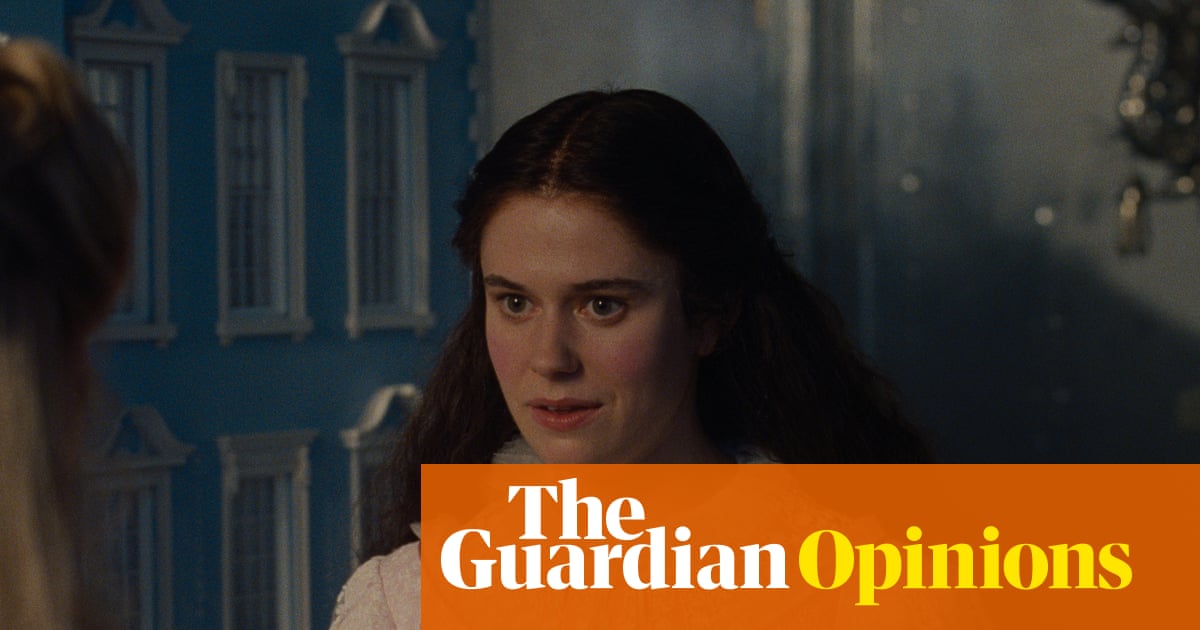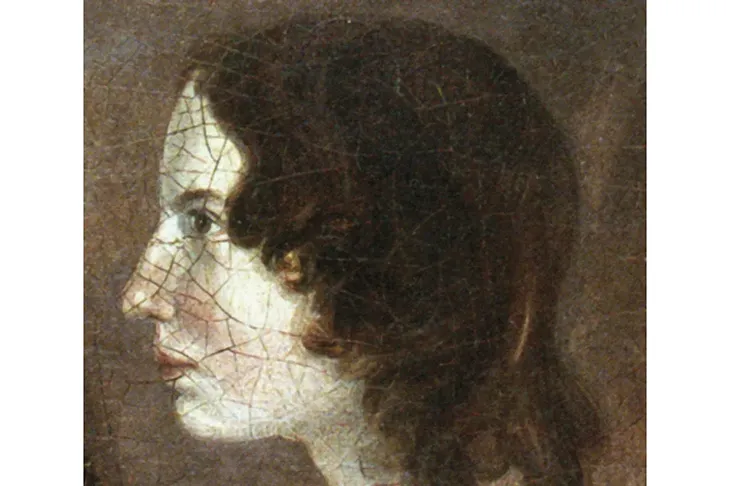
If you were confused by all the bondage and masturbation in Emerald Fennell’s controversial Wuthering Heights film released earlier this year, look no further for explanations than this quietly punchy biography of the 19th-century masterpiece’s author, Emily Brontë.
In The Dark Night, we see her scribbling violent pornographic sketches in the middle of Latin translations, while her brother Branwell draws men seemingly participating in acts of group self-pleasure. The Brontës, biographer and Victorian scholar Deborah Lutz shows us, were racier than they looked.
Unlike Fennell’s protagonists though, this book suggests that Emily’s interest in all this was not really erotic but more a kind of existentialist exploration of what bodies are, where they begin and end. She was obsessed with the transience of the flesh, following the early loss of her mother Maria, who died when she was just three. “These seven months with her mother in a liminal state – almost dead but still with the living – would stay with Emily,” writes Lutz. “Where did life end and death begin?”
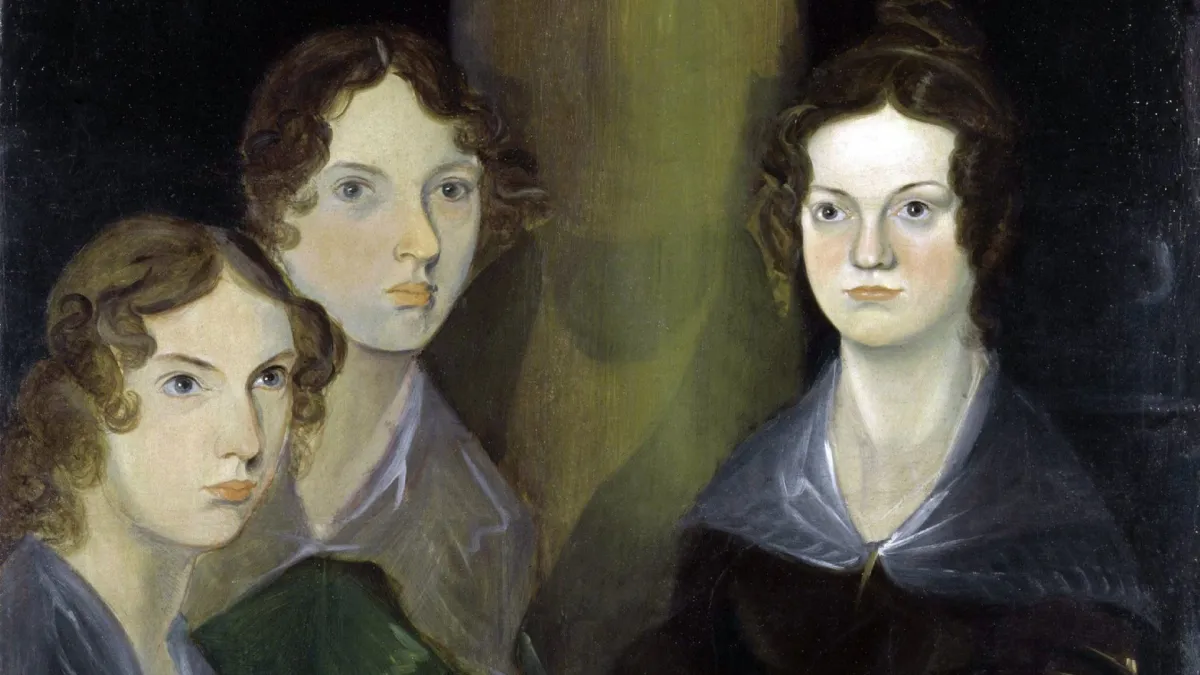
While she was still a child, two older sisters – Maria and Elizabeth – also died, and her father Patrick’s role as the local reverend in their Yorkshire village meant Emily and her remaining siblings (older Charlotte, younger Anne and Branwell) were regularly exposed both to funerals and open vaults, a perfect breeding ground for Gothic passions.