As Emerald Fennell’s film sparks debate, we celebrate the pioneering brilliance of the siblings’ work
This was the first novel that Charlotte Brontë completed. It was rejected by publishers nine times. Written in the voice of a male narrator, William Crimsworth, it offers a downbeat story of everyday middle-class striving as the protagonist travels to Brussels to establish his career as a teacher. But the last publisher to see it thought it showed promise, despite being too short and insufficiently “striking and exciting”. Had the author anything else to offer? Luckily, Jane Eyre – which amply supplied the earlier book’s deficiencies – was already in train and was soon accepted with alacrity. Although The Professor remained unpublished in Charlotte’s lifetime, she continued to believe that it was “as good as I can write”; its subtly ironised male voice reveals her underlying literary sophistication.
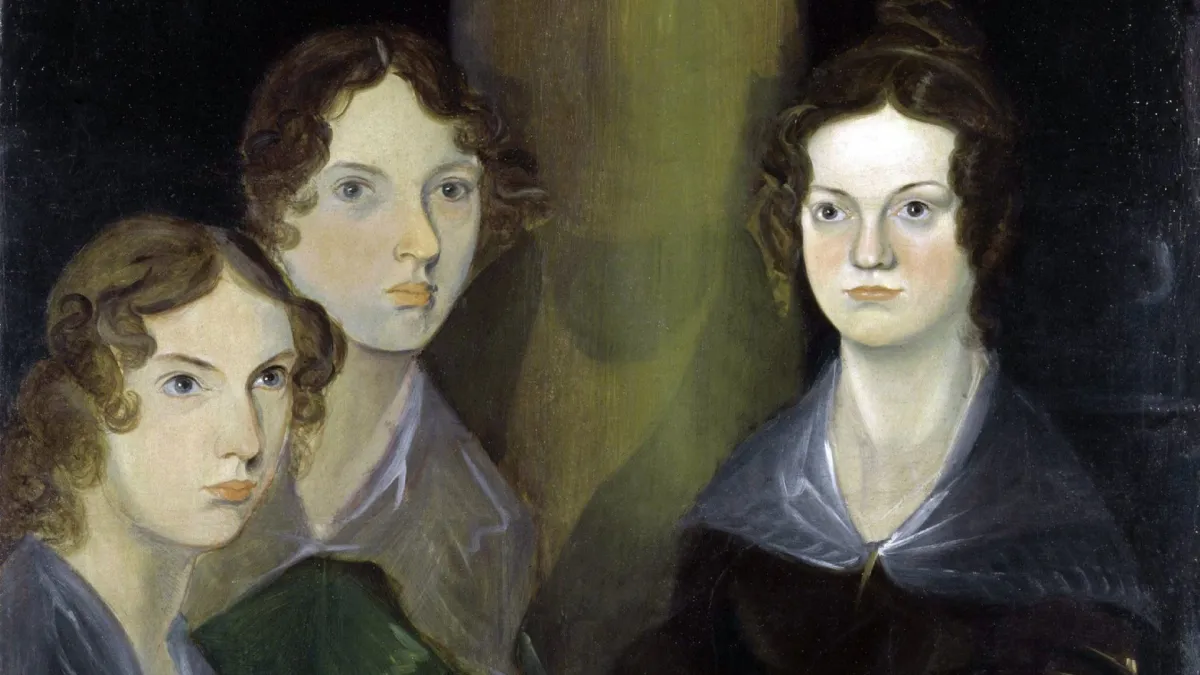
In 1846, the three Brontë sisters had – at their own expense – published a joint poetry collection under the pseudonyms Currer, Ellis and Acton Bell. It sold just two copies. Realising that fiction was more saleable, they decided that each should write a novel under the same pen names. While Charlotte toiled over The Professor, the youngest sister, Anne, was working on Agnes Grey. It also sought to portray everyday life, but the result has a more authentic ring since she drew so directly on her personal experience working as a governess in well-to-do families. The first-person heroine is initially excited at the thought of earning her own living. But she finds herself underpaid and unappreciated by the snooty parents, while her tantrum-prone charges include a vile little boy who likes pulling the legs off baby sparrows. Had it not been overshadowed by Jane Eyre and Wuthering Heights when it came out in 1847, it might perhaps have caused more of a stir as a Nanny Diaries-style exposé.