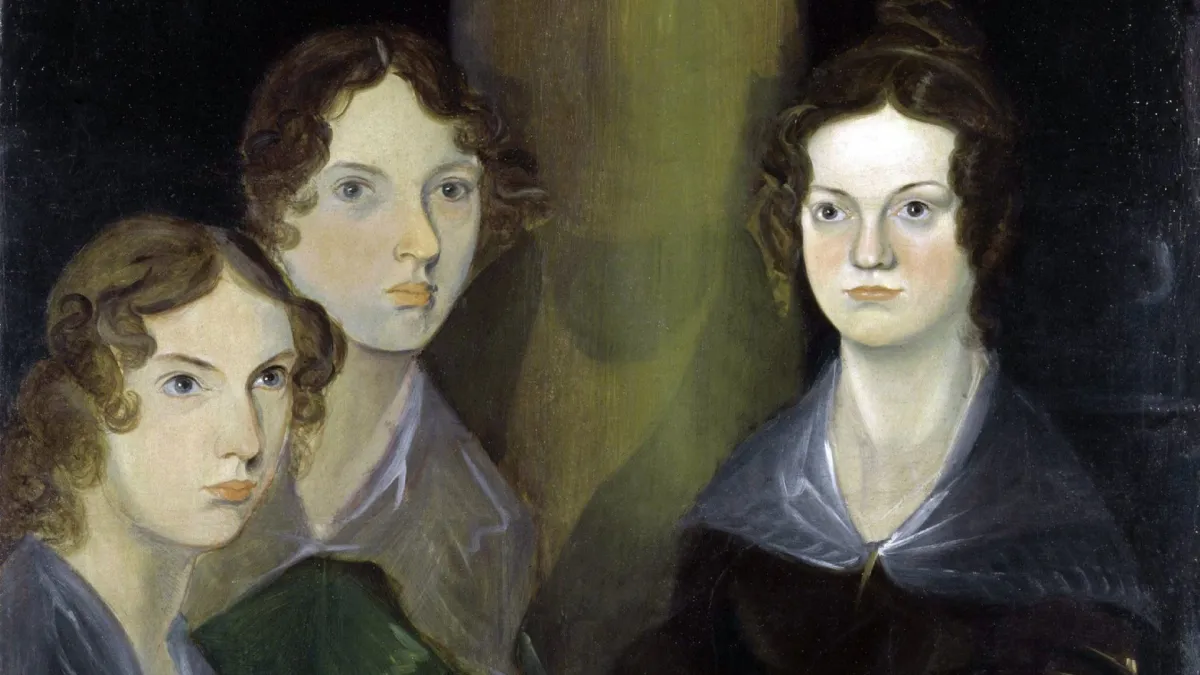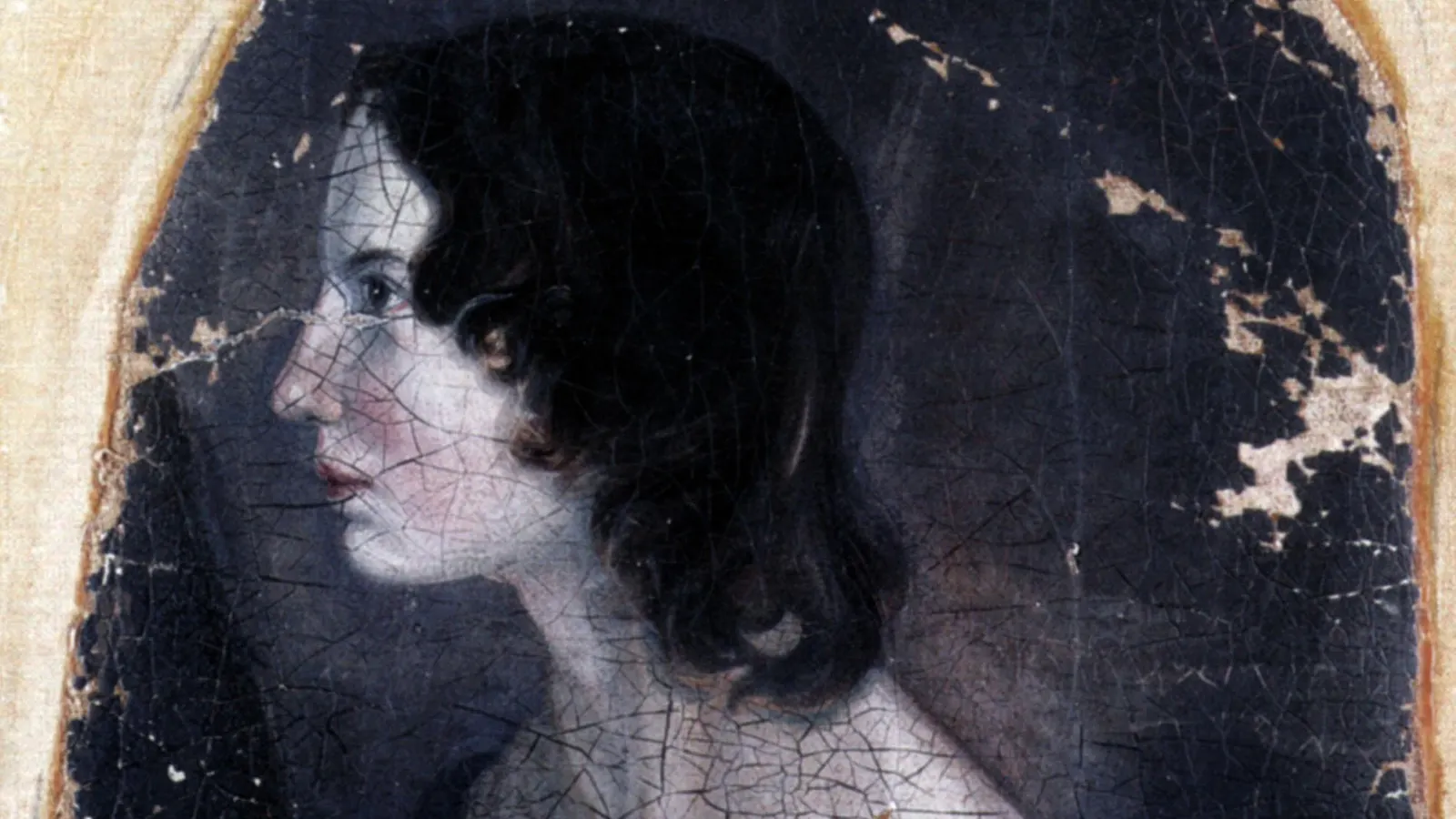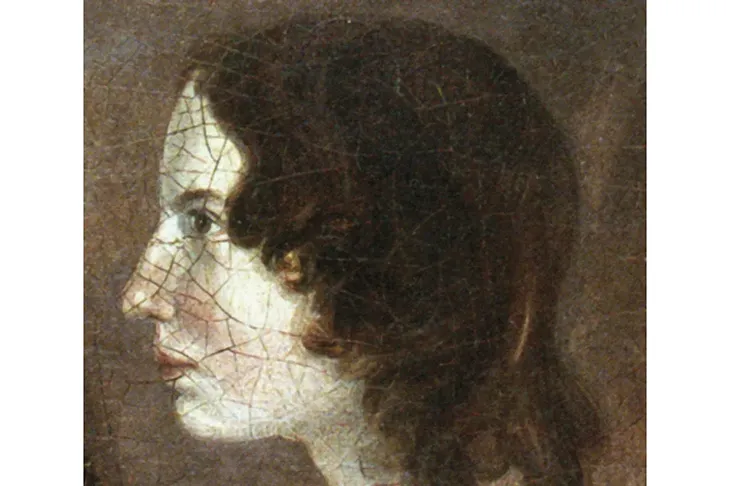
Emily Brontë, who died, aged 30, in 1848, is a source of perennial fascination – and potentially a biographer’s nightmare. Her single novel, Wuthering Heights, has long been recognised as one of the greatest in the English canon, yet it remains a strange anomaly, seemingly unmoored from the wider history of Victorian fiction. Her haunting poems – of which there are 70-odd – can make you catch your breath. Meanwhile, like the ghost of Catherine Earnshaw, the most inscrutable of the Brontë sisters seems to appear only to disappear.
This is primarily – but perhaps not entirely – down to the prosaic fact that so few of her personal papers survive, which is not the case with most Victorian writers, including her older sister Charlotte. None of Emily’s letters are extant, save for two brief, unrevealing notes. The manuscript of Wuthering Heights has gone missing, as, more intriguingly, has that of her second novel, title and subject unknown.
Also lost are the multi-volume prose narratives that she wrote in partnership with her younger sister Anne about ‘Gondal’, the imaginary kingdom they invented together as children and which went on to occupy their imaginations – especially Emily’s – into adulthood. Her surviving poetry is often written in the voices of Gondal characters, including a passionate, imperious queen who seems like a rehearsal for Cathy, though the full saga remains unclear. Without the Gondal prose, we can’t trace the development of the storytelling skill that created Wuthering Heights, which, as a result, seems to burst mysteriously upon the world fully formed.