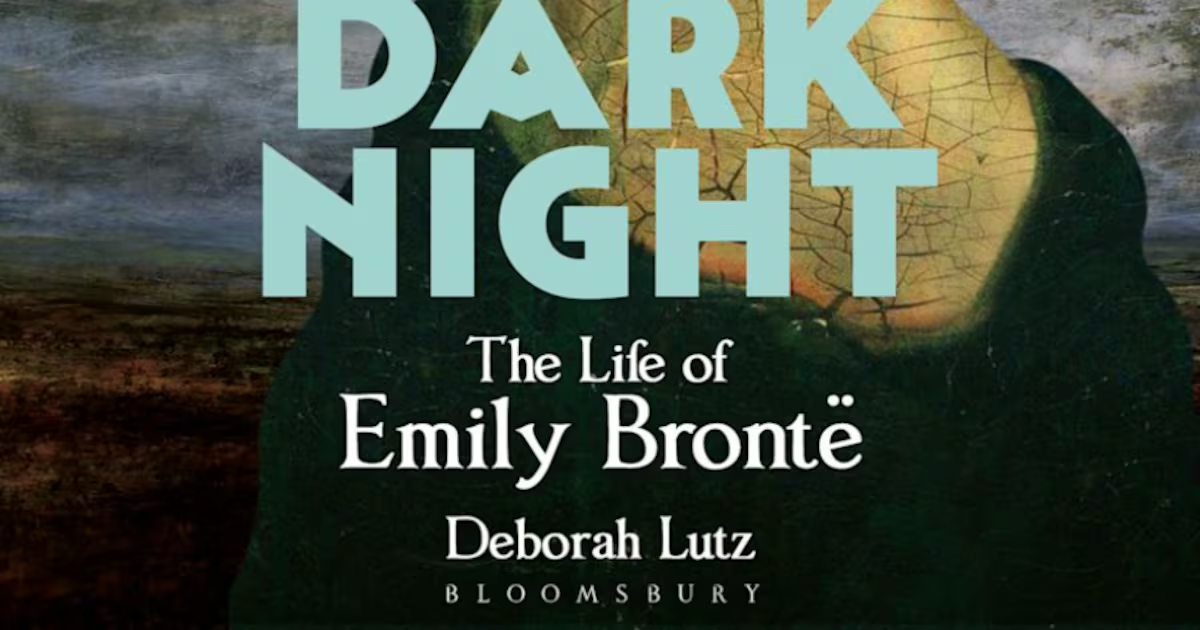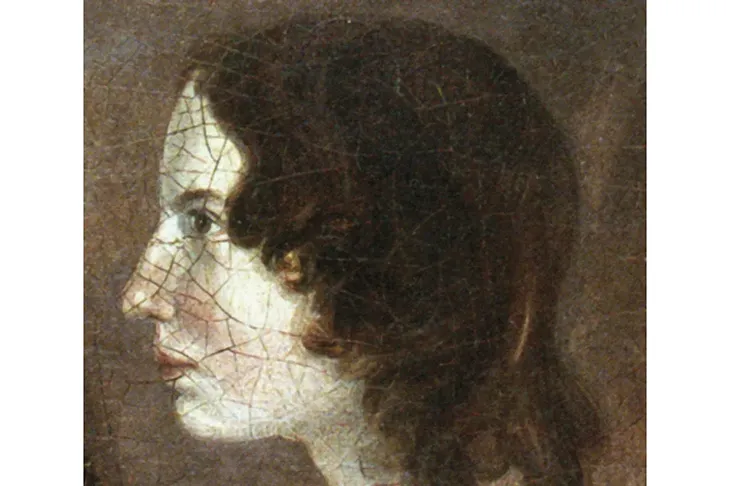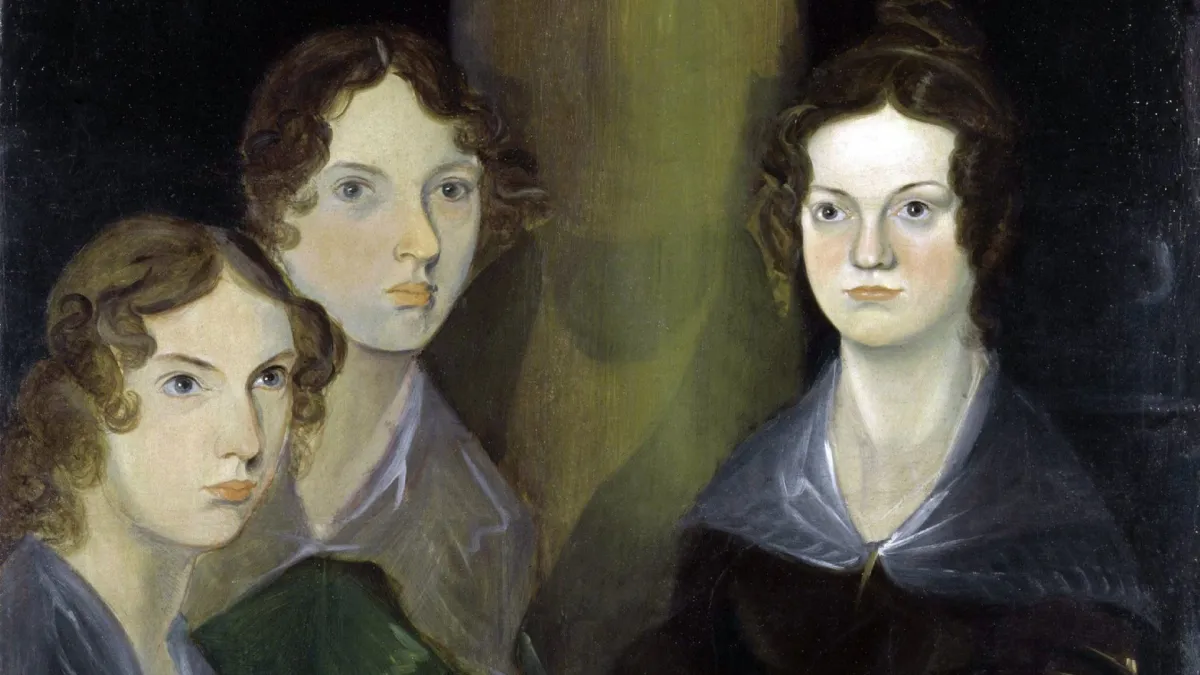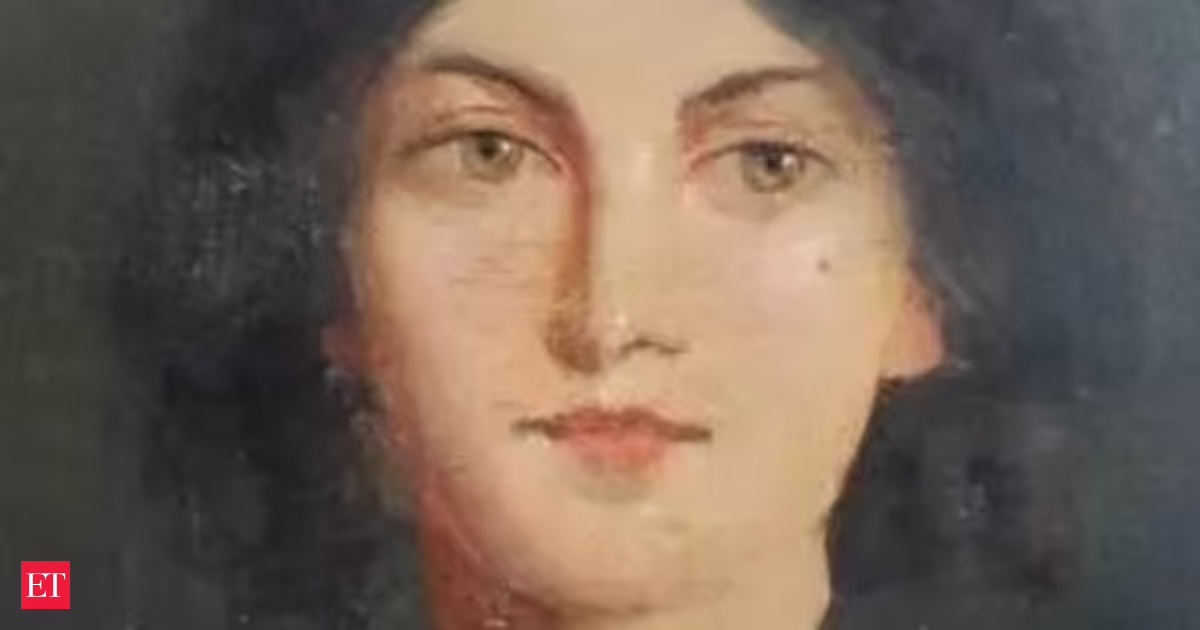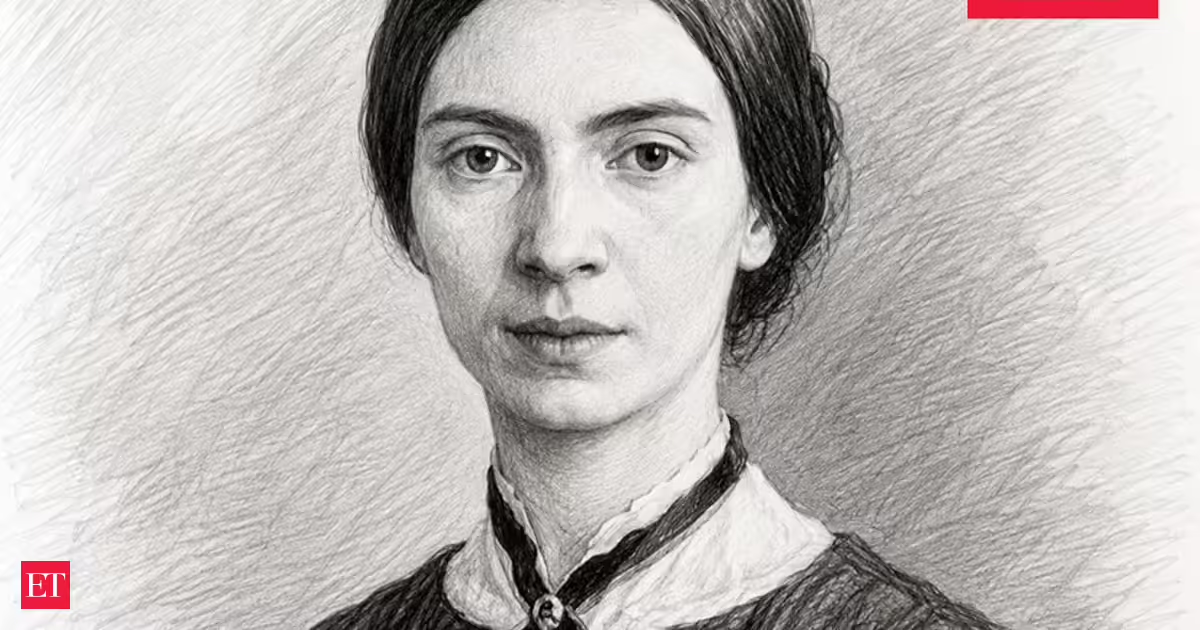
“Emily — that free, wild, untameable spirit, never happy nor well but on the sweeping moors that gathered round her home.” So wrote Elizabeth Gaskell of Emily Bronte in her pioneering 1857 biography of the writer’s older sister, The Life of Charlotte Brontë. While Gaskell presented her subject and friend, Charlotte, as “a noble, true, and tender woman,” she presented Emily in a harsher light. She was a misfit and a misanthrope, a nonconformist and a law unto herself, a puzzle hard to solve and a person hard to warm to. Deborah Lutz’s new biography of Emily Bronte — the first such work in over two decades — offers a considerably more nuanced portrait of this individual woman and idiosyncratic writer. Bronte is in good hands: Lutz, an English professor at Penn State University, excelled with her innovative 2015 book, The Brontë Cabinet: Three Lives in Nine Objects. Now, with This Dark Night: Emily Brontë, A Life, Lutz has sharpened her gaze and drawn on previously unavailable manuscripts and notebooks to produce what is arguably the most comprehensive study to date of the enigmatic author of Wuthering Heights. Born in 1818, Bronte was the fifth of six siblings. She grew up in the parsonage in Haworth, West Yorkshire, where her father, Patrick, was curate. When she was three, her mother, the former Maria Branwell, died. Her Aunt Branwell moved in to help run the household and bring up the children. But in 1825, disaster struck the family again when Bronte’s two elder sisters died just weeks apart.
A fulsome portrait of an untameable spirit
Deborah Lutz’s new biography of Emily Bronte is a nuanced portrait of this idiosyncratic writer.
1,243 words~6 min read