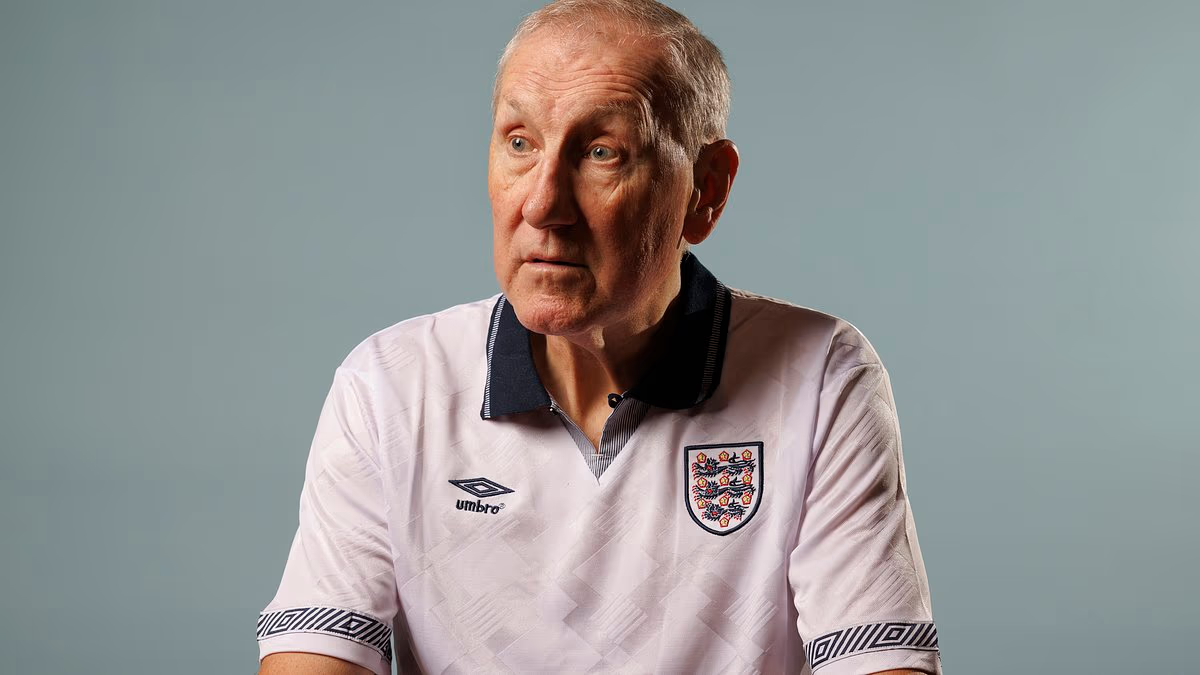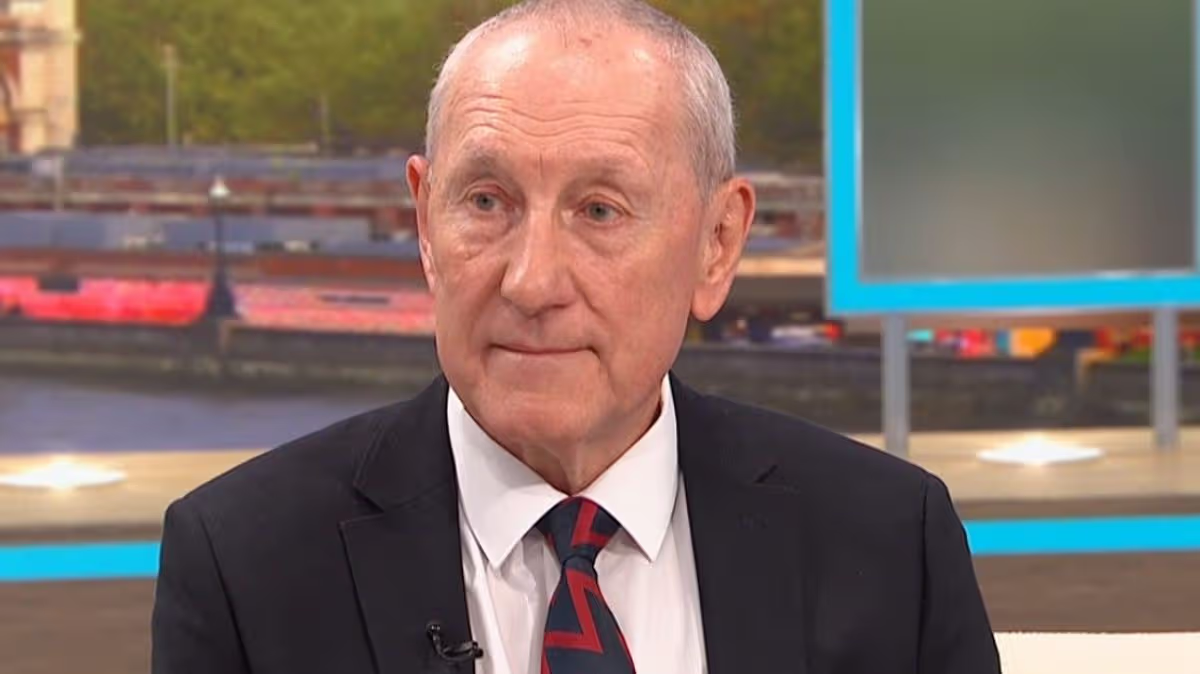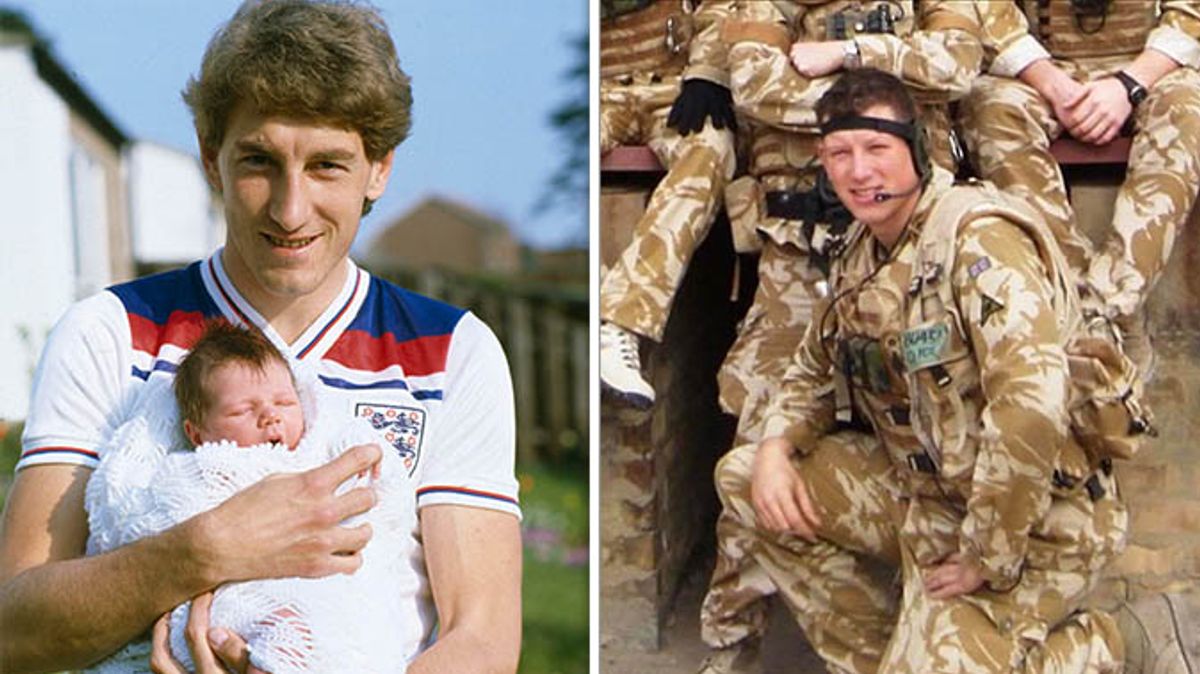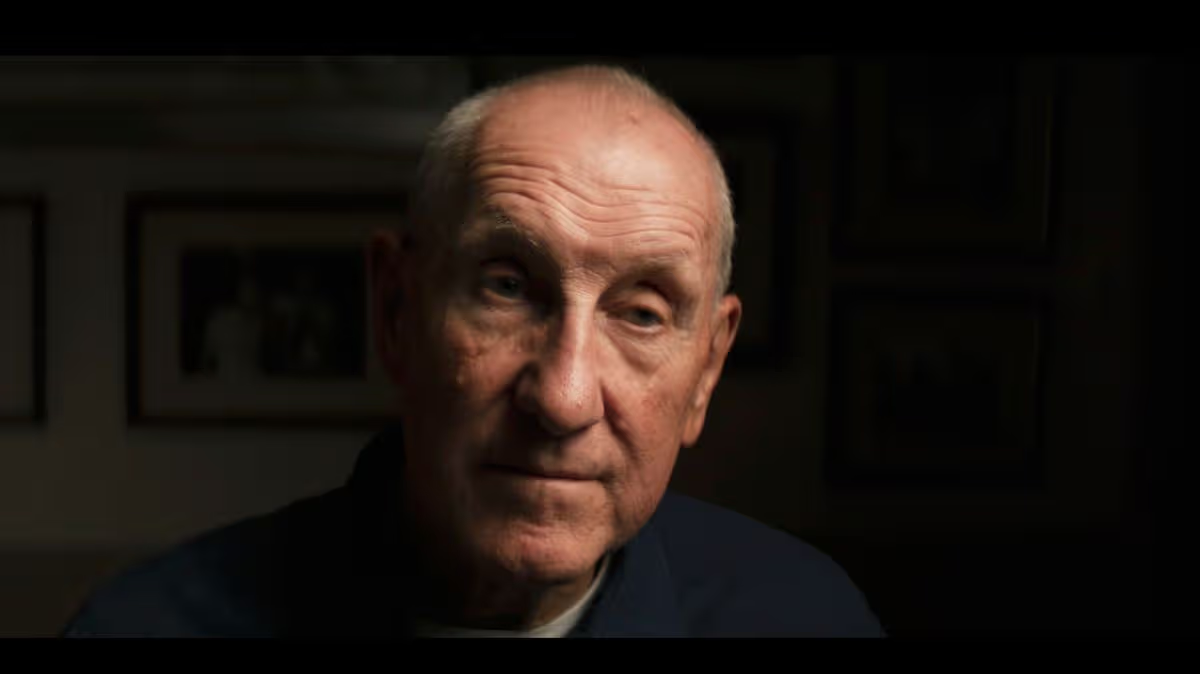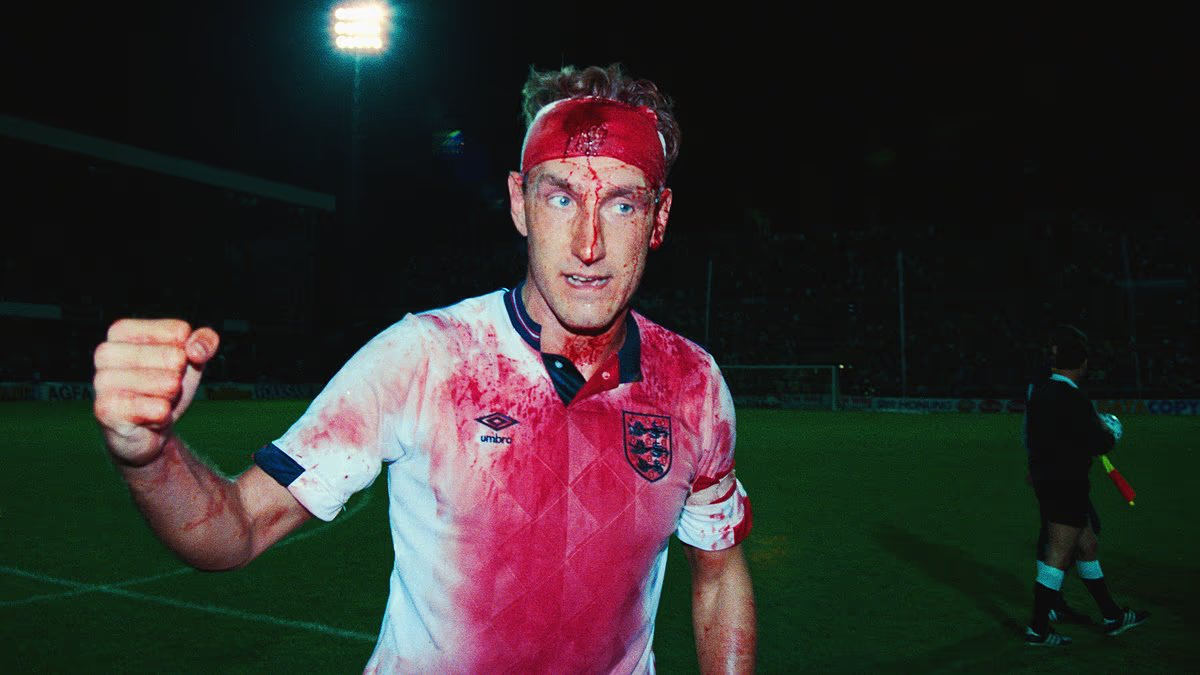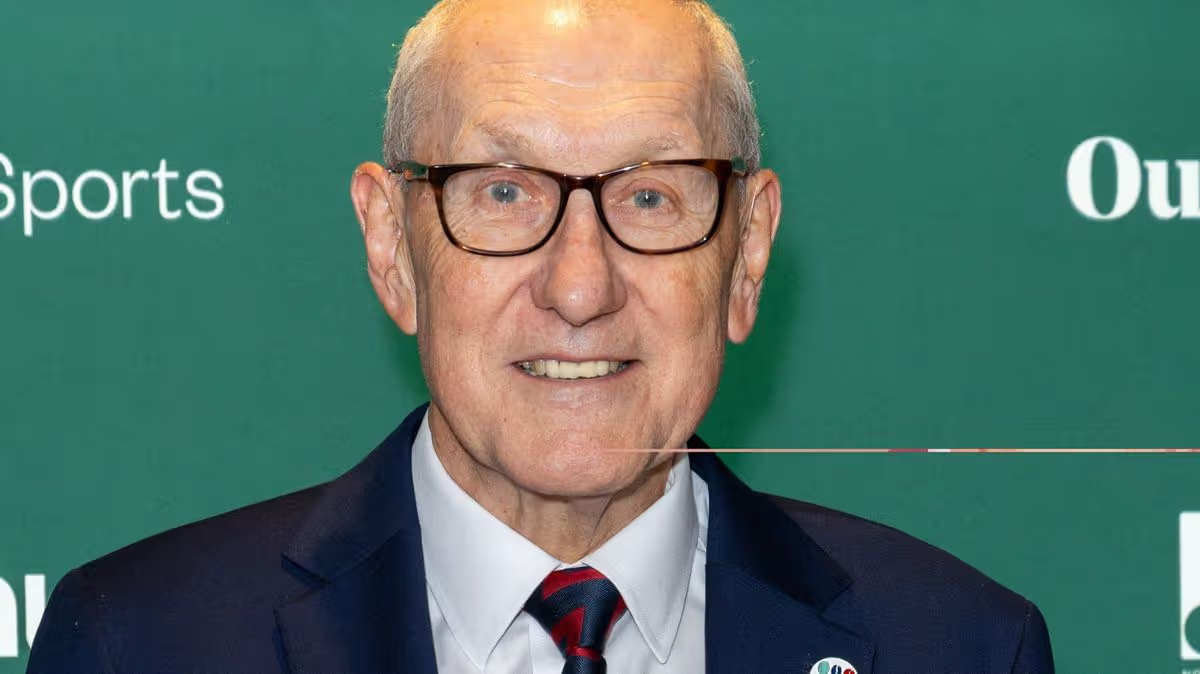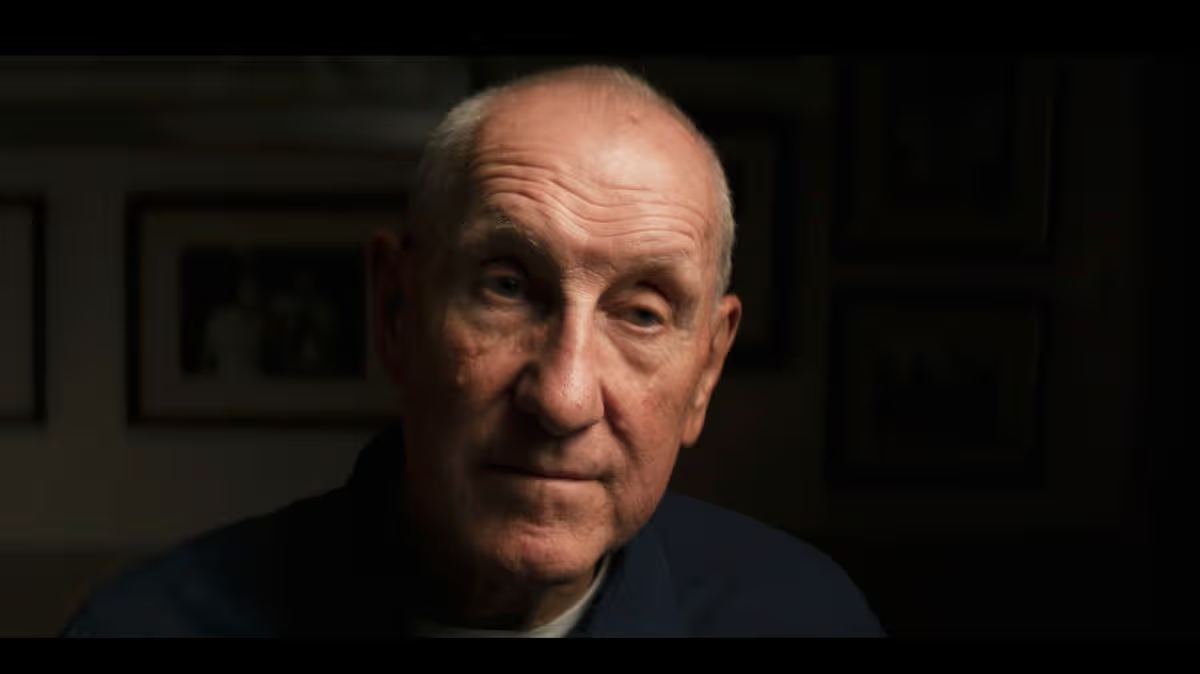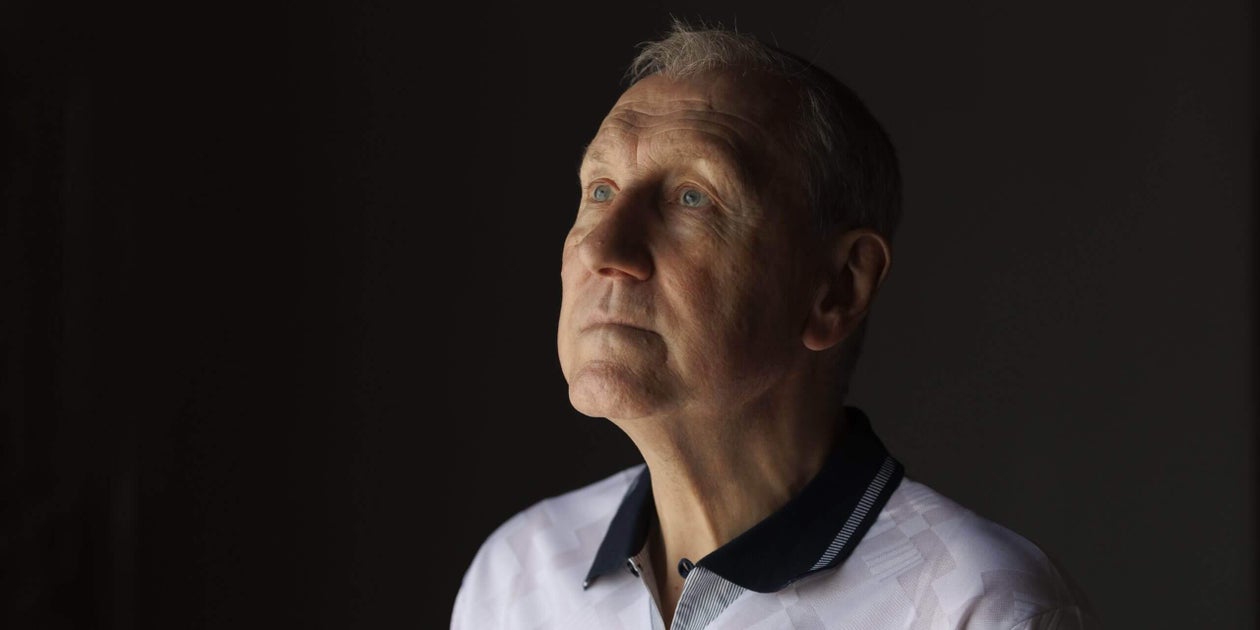
On special occasions, they would do what so many other families do: head out for something nice to eat. A steakhouse usually, Terry Butcher recalls. So they would make a reservation and the arrangement was that his son, Chris, an ex-soldier, would always go in first.“He wanted to know where the exits were and where all the other people were sitting,” says Butcher, the former England captain. “He’d do a scan, as military people call it, to make sure he was happy.“Sometimes it would be, ‘No, I don’t want to sit here, I want to be over there.’ We were used to it, and we moved, because it was what he wanted and he had to feel safe. That’s what he was always looking for, a space to feel safe. Then, once he had that space, he could enjoy himself a bit more. Sometimes, anyway.”Chris was a former Royal Artillery captain living with post-traumatic stress disorder (PTSD), so emotionally and mentally damaged by his tours of Iraq and Afghanistan there were times when even leaving his bedroom became too much of an ordeal.He spent the last 18 months of his life living with his parents, Terry and Rita. Then, on the morning of October 16, 2017, his dad took him a cup of tea and found him wedged between the bed and the wall.An inquest ruled that Chris, 35, had died from an abnormal enlargement of the heart, of uncertain cause, combined with the effects of drugs and a backdrop of extreme PTSD. He was, in the coroner’s words, a “victim of war”.For a long time, the grief has been too painful, too brutal, for Butcher to talk publicly about his suffering. Today, though, he says he has never spoken with more candour or vulnerability.Butcher will always be remembered by English football fans for the iconic image of him with a blood-soaked bandage around his head — his white shirt turned a dark shade of red — during a World Cup qualifier against Sweden in 1989. He had sustained a deep cut in his forehead in the first half but played on, helping secure the goalless draw which proved crucial in earning England a place at the 1990 World Cup.Terry Butcher stands bloodied but unbowed at the end of England’s draw with Sweden (David Cannon/Allsport/Getty Images)He also won the UEFA Cup with Ipswich Town and was voted into the all-time Rangers XI after moving to Scotland (where he broke his leg and, typically, tried to walk off the pitch). He was a leader of men, a Hall of Famer wherever he went, playing in three World Cups and renowned for his tough-guy image.Yet the man sitting here today — straight-backed and dignified, 67 years old, wearing a red and blue Royal Artillery tie — struggles to see himself that way. “I’ve felt helpless,” he says. “If there was anything I could have done to impersonate that tough guy, or become that tough guy, I would have done it. But there wasn’t.”Chris, the eldest of three sons, was in the same intake at the Royal Military Academy Sandhurst as Prince Harry. Prince William followed a year later. Both were present at the graduation ceremony in 2006 before Chris went on his first tour of duty in Iraq.When he came back to England from his various conflicts, there was no sign initially of the PTSD that would come to shape his life. But it was always lurking beneath the surface. “It doesn’t kick in until years later,” says Butcher. “It’s like a ticking time-bomb in your head. You just don’t know when it’s going to go off. We didn’t know with Chris. He was back for a few years, and then it went off.”Chris Butcher at Sandhurst military academy (Terry Butcher)Chris was left with suicidal thoughts, so deeply entrenched in his personal turmoil that it was occasionally too much of an ordeal for him even to take his two beagle dogs out for a walk. And, heartbreakingly, his family could not find suitable help for an ex-military PTSD sufferer.
Terry Butcher, his son’s PTSD tragedy and a grief that never goes away
The former England captain was bereft after the death of his son Christopher, an ex-soldier. He reveals why he is now ready to talk
1,633 words~7 min read