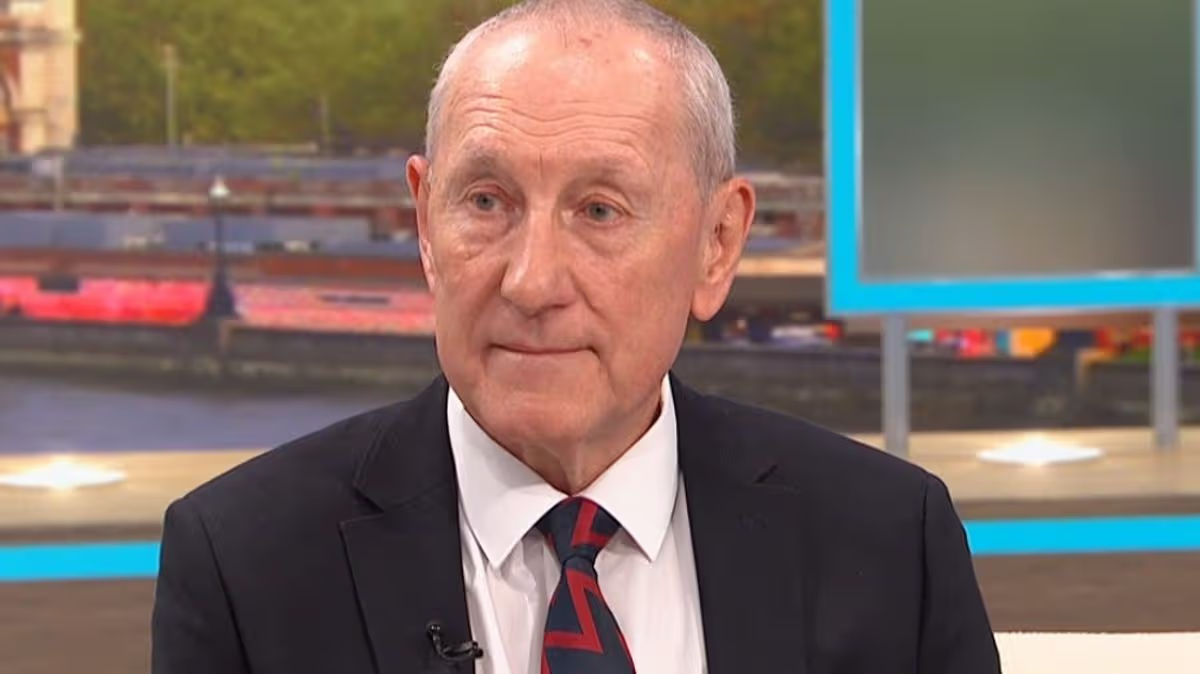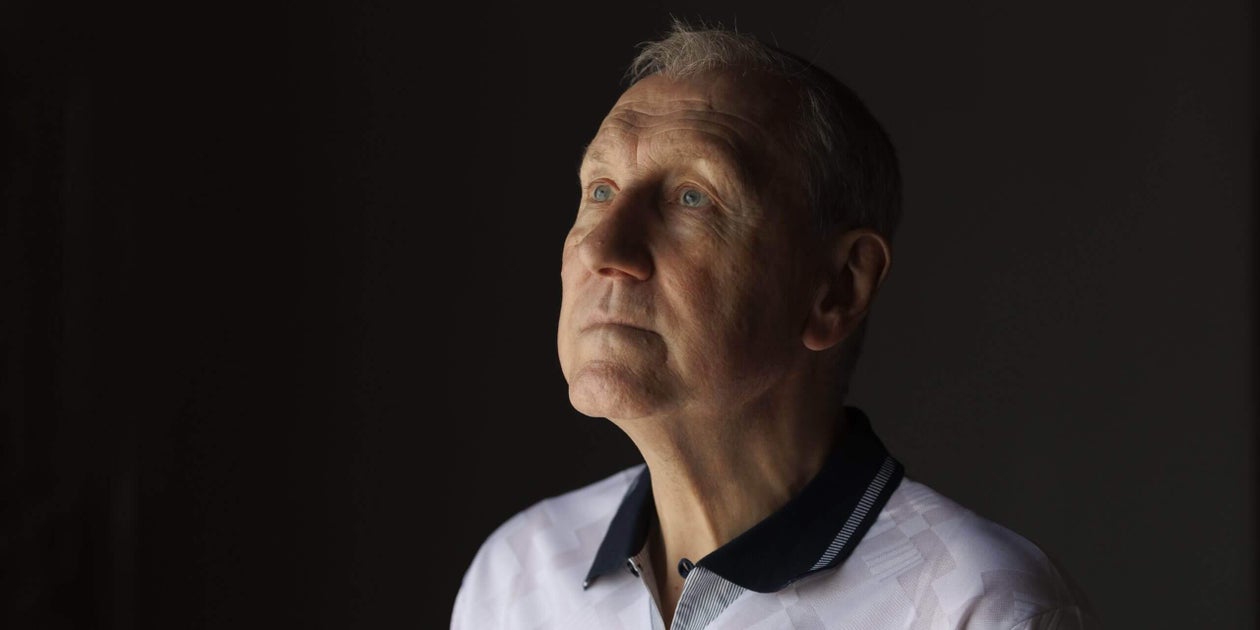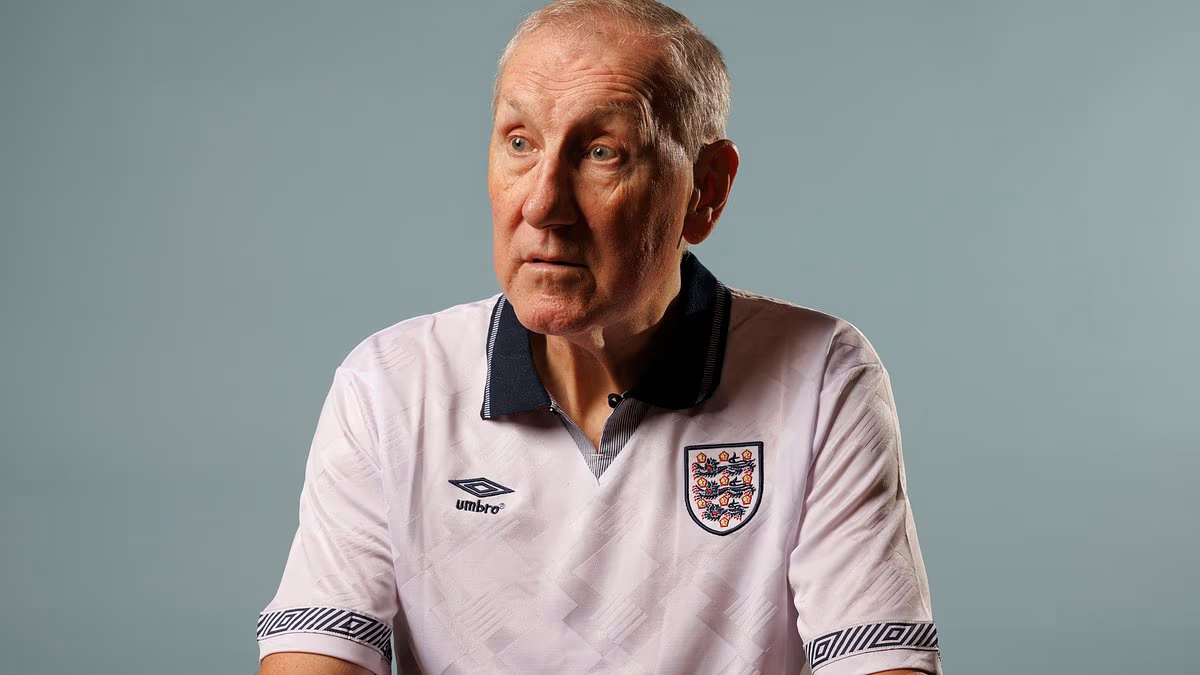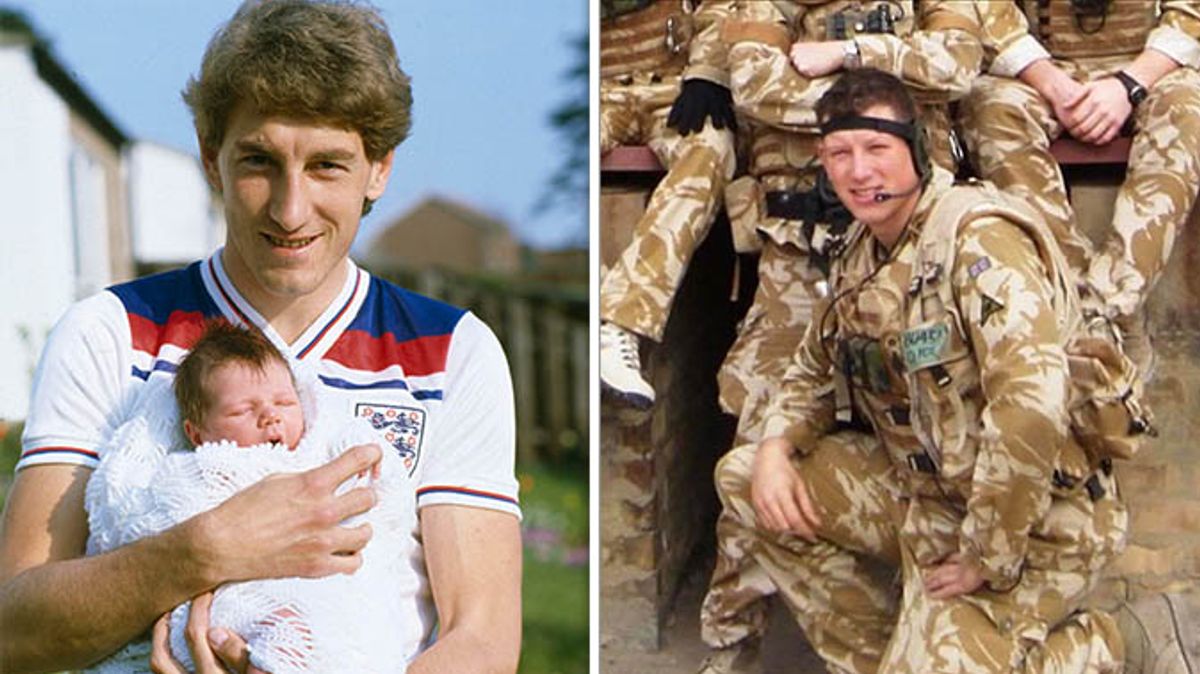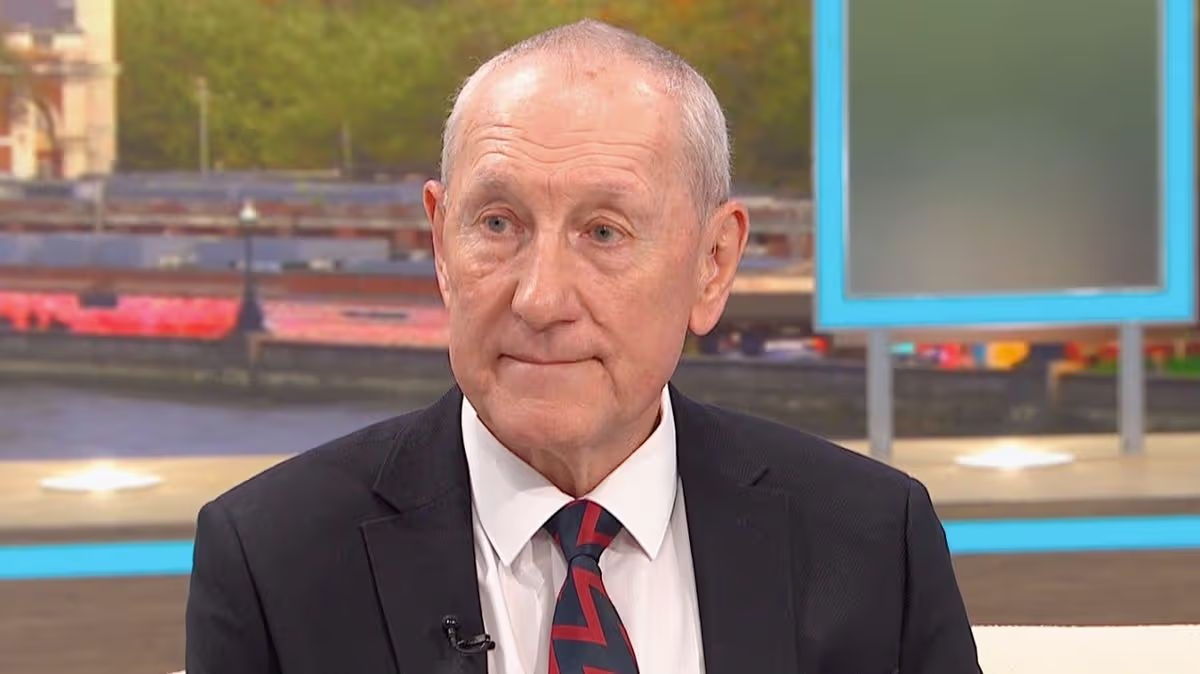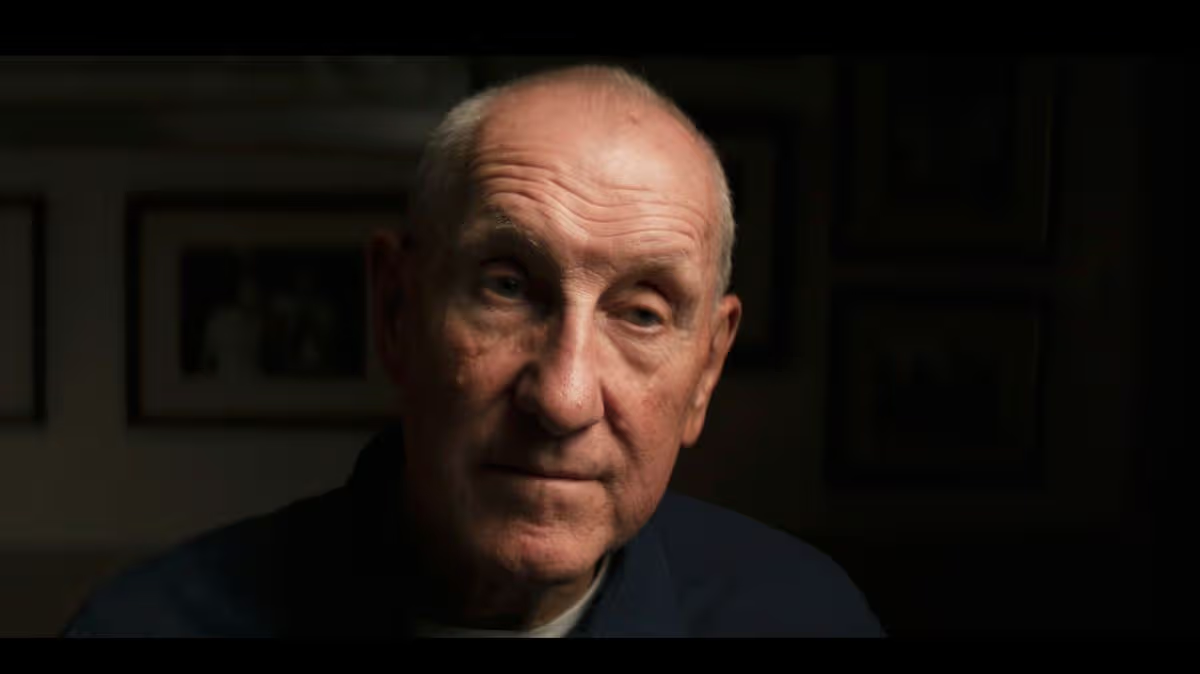
Former England captain Terry Butcher sits down with the Mirror as he talks about the death of his son Christopher who suffered with PTSD, and who a coroner ruled was a 'victim of war'. Terry is now helping others ahead of a new TV documentary15:59, 21 May 2026Updated 22:45, 21 May 2026Terry Butcher spent his football career being held up as the ultimate hard man. Who can forget the image of him in a bloodied England shirt, his head bandaged during a World Cup qualifier. Or those crunching tackles as he put his body through anything for club and country. But now, aged 67, he is showing a different kind of courage.The former Three Lions captain has opened up in heartbreaking detail about the death of his son after a battle with severe PTSD in the wake of leaving the army. “I’ve never given anybody a story like this,” he says. “But if you’re going to do something, do it well. Don’t just do half measures. This is a story much bigger than me.”Football legend Terry is sitting down with the Mirror ahead of a powerful ITV documentary - Butcher: Invisible Wounds - which tells the story of Christopher, the eldest of Terry and wife Rita’s three sons, who served in the Royal Artillery and struggled desperately after leaving the forces. Next year marks the tenth anniversary of his death at their home in east Suffolk. An inquest found that he died of an abnormal enlargement of the heart combined with the effect of drugs against a background of PTSD. The coroner ruled the 35-year-old "became a victim of war" after tours of Iraq and Afghanistan.Terry says the grief has never gone away but simply lives with him now. When he heads upstairs each night, the routine never changes. “When I go up to bed in the evening, Chris’s room is on the left and our room is on the right,” he says. “I always stop at the top of the stairs and say good night to him, just give him a wink and all that sort of thing, because that was the room where he passed away.” When him and his wife visit his grave, they talk to him too. “Whenever we go to the grave - he’s got like a military grave with an artillery crest on there - we sort of hug the stone and always say, ‘See you at home, son.’ It’s really tough, but it’s just part of our life now, and how we go about it.”For years, Terry says, he was the kind of man who did not show his emotions. “I was feted as this so-called hard man,” he says. “You just didn’t cry. But I think you have to. I think it’s compulsory. It’s part of the process." He remembers breaking down in tears once on a train out of the blue. “Grief does creep up on you, but it’s a bit more easy now than it was before, and I can talk about him a lot more,” he admits. Terry says one of the hardest parts is other people not knowing what to say when Christopher comes up in conversation. “When someone says, ‘How many children did you have?’ I normally say three sons,” he explains. “And then if they ask what they’re all doing now, then you have to come clean and say one passed away. And then that conversation stops, because they don’t know what to say.”After returning from Iraq, Terry says Christopher's struggles became obvious. “It was probably about two or three years afterwards that it manifested itself,” Terry says. “He was drinking and he kept getting a lot more flashbacks. He had these voices in his head that sort of materialised. A sergeant major and a young girl from Iraq. The sergeant major was telling him how useless he was, and he shouldn’t be here.”Terry says alcohol, and drugs, became Christopher’s escape. Eventually Christopher came to live back at home with Terry and Rita because the pressure on his wife Laura had become too much. “It was painful,” Terry says quietly. “You didn’t know what Chris you were going to get, because PTSD changes your persona sometimes. We got the real Chris sometimes. Most of the time we didn’t.”Family life revolved around managing the condition. On dog walks Christopher would suddenly stop. “He would just say, ‘I can’t do this anymore. I have to go back. So then we’d go back and then probably take the dog out later on,” he says. Terry admits the family felt helpless, especially when his son tried to take his life on three separate occasions. Chris was referred to the NHS but they had no specialist knowledge of military PTSD training. “I don’t put any blame on them….what you want is a military unit where you can put PTSD sufferers in,” he says. At first, Terry carried enormous resentment. “At the start there was a lot of anger because he was let down,” he says. “But I don’t harbour any grudges now towards the MOD."Christopher was born while Terry was playing for Ipswich, and football shaped much of his childhood. Terry even took him to the 1982 World Cup in Spain as a baby and even bottle fed him in the stands after being rested for a match. “I don’t think any England players have done that,” he laughs. “That was his first game as an England fan.” Later, during Terry’s years at Rangers, Christopher and younger brother Edward would roam the stands at Ibrox after matches searching for dropped coins.“That was Christopher’s idea,” Terry says. “He was a very shrewd guy.” He laughs remembering the giant baths at Ibrox becoming “like a swimming pool for the boys”, and jokes that was where they learned to swear listening to players like Ally McCoist and Alan Brazil.“We always thought it was their fault…but my wife says I’m to blame,” he laughs. What has helped Terry most since Christopher's death is Combat2Coffee, the veterans organisation he now works closely with, and which provides invaluable mental health support for those in the armed forces.“I couldn’t say it’s helped save my life, because I was never at that stage, but it certainly helped me,” he says. “What it has done is give me a mission. All through my career as a footballer there were missions. Survive relegation, win titles, be strong, go to Europe, international matches... the full range. That was my mission then…this is now.”He says it has helped enormously with grief too. “You go out and speak to veterans and thank them for their service,” he says. “And a lot of people thank me for my service to my country in football. But they’re the real heroes. I just kicked a ball about.”Butcher: Invisible Wounds is on at 10pm on Sunday 7th June on ITV4. It will then be on ITVXArticle continues belowFind details about Combat2Coffee go to combat2coffee.co.ukIf you are struggling the Samaritans can help on 116 123
England hero Terry Butcher opens up about heartbreaking death of his son aged 35
Former England captain Terry Butcher sits down with the Mirror as he talks about the death of his son Christopher who suffered with PTSD, and who a coroner ruled was a 'victim of war'. Terry is now helping others ahead of a new TV documentary
1,166 words~5 min read