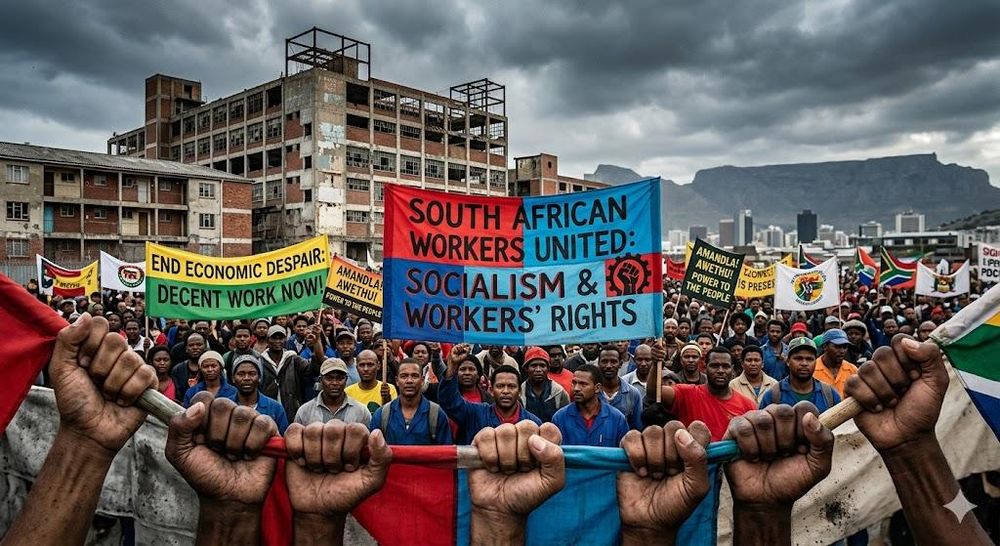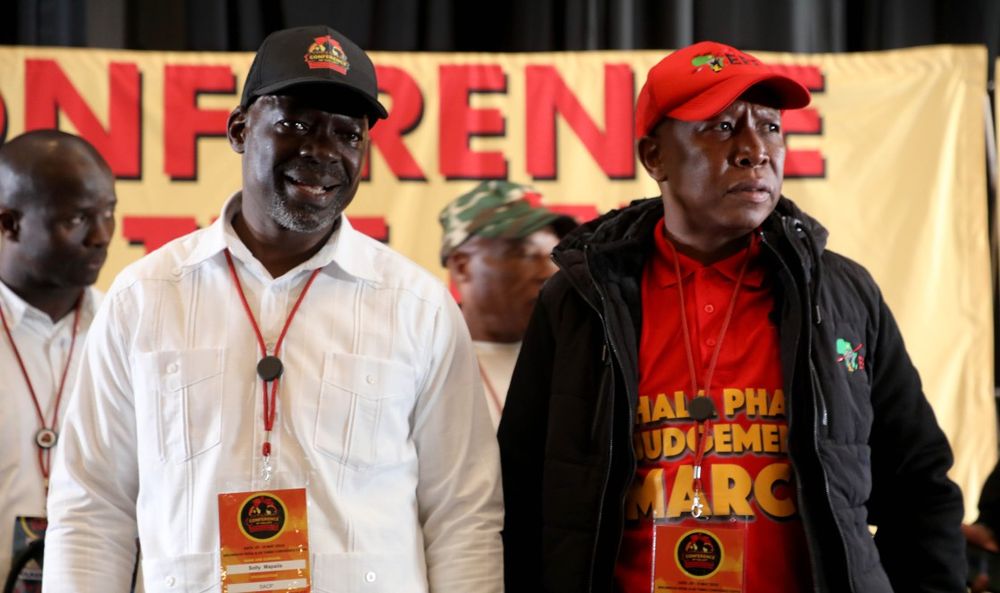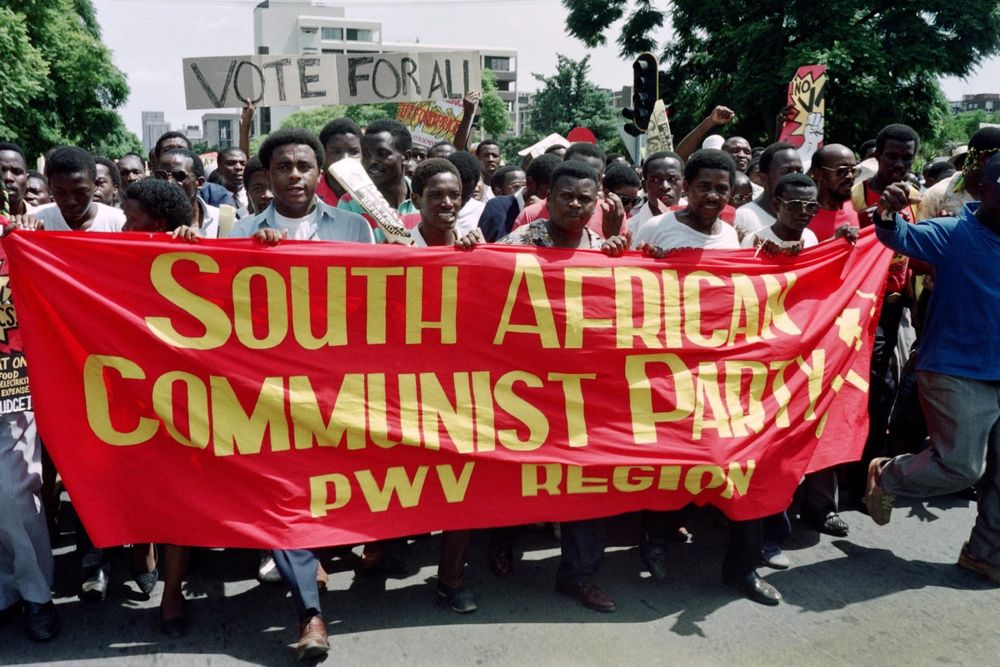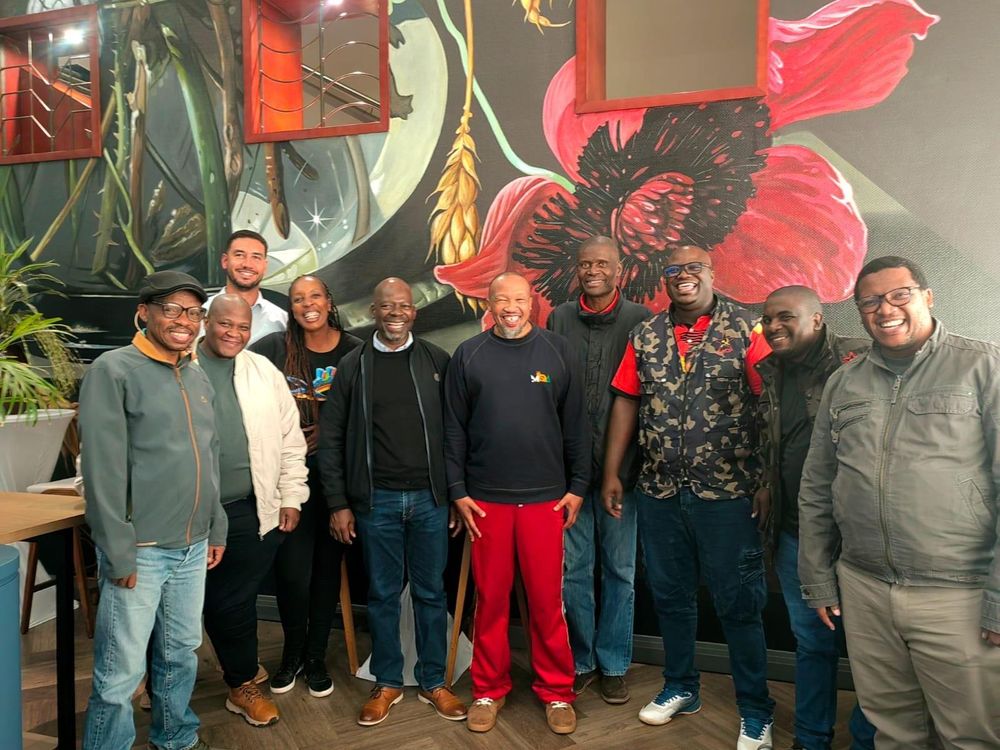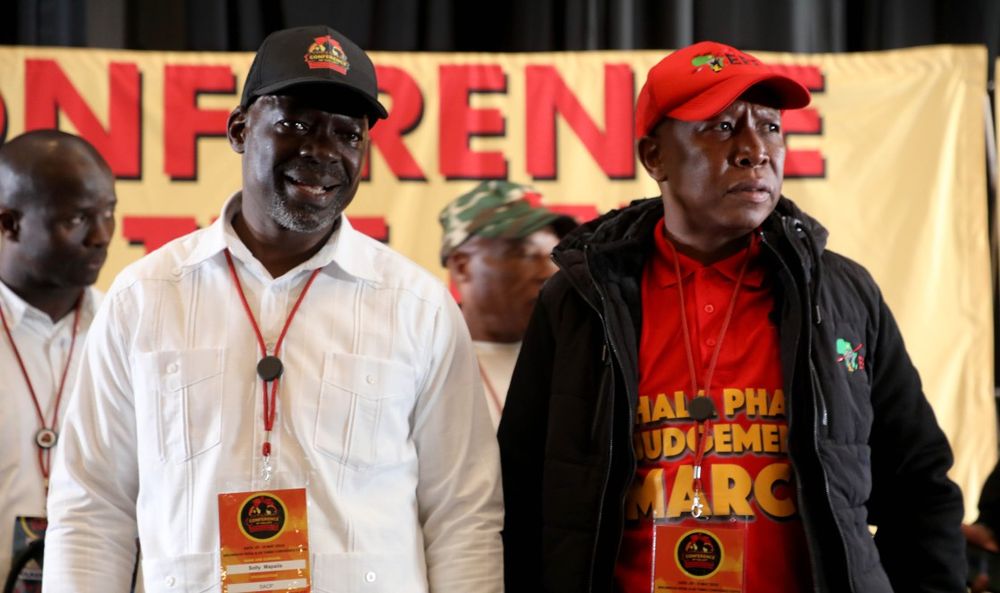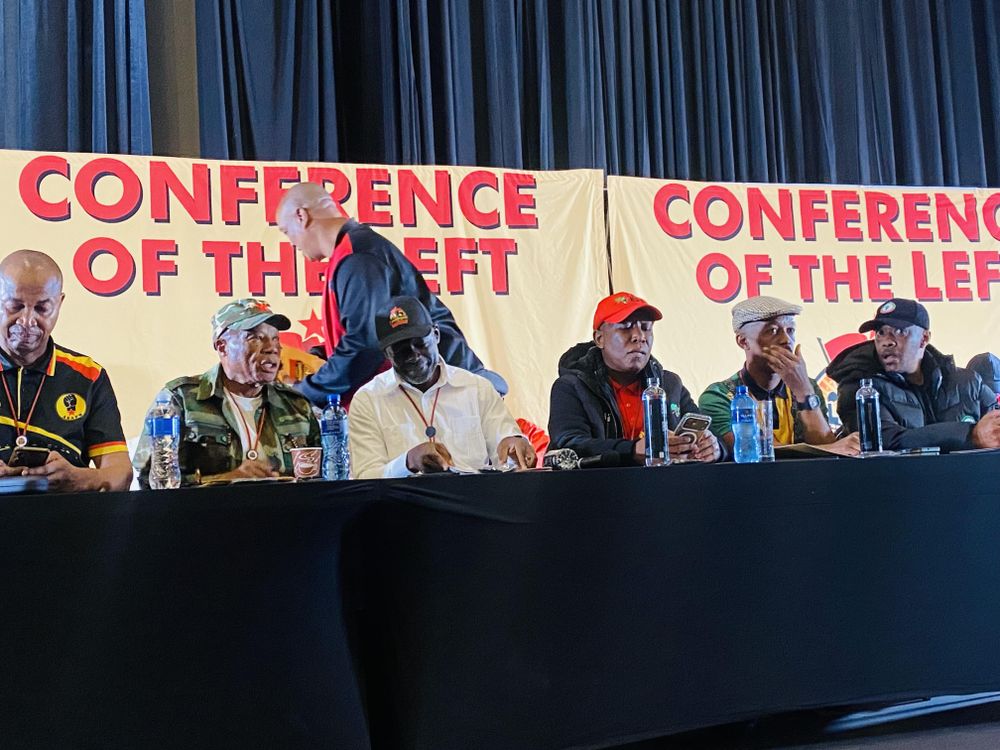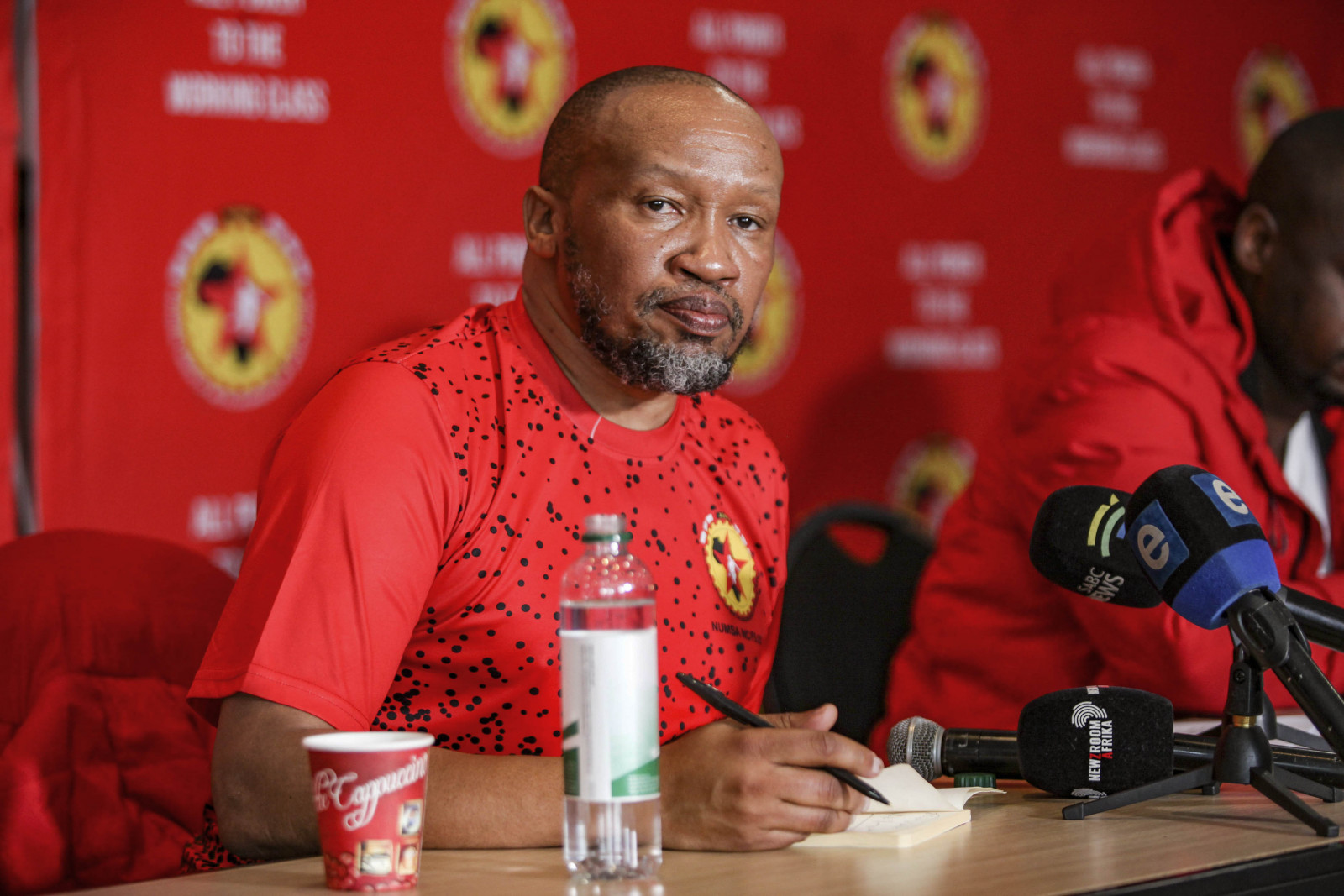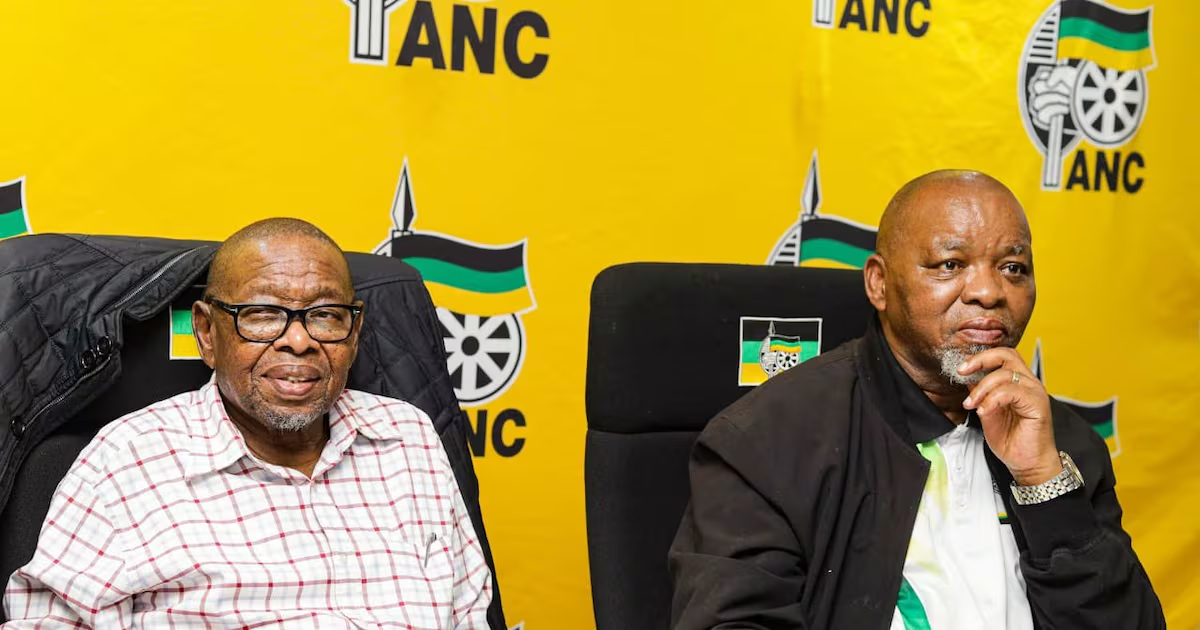
The Conference of the Left, convened this past weekend in Boksburg, reflected an attempt to rethink the future of left politics at a moment when South Africa’s post-1994 political settlement appears to be fraying as we head towards local government elections in November. At the centre of this development is the decades-old relationship between the ANC and SA Communist Party (SACP), forged in the most intimate solidarity of exile, underground struggle and the democratic breakthrough of 1994. SACP members were embedded in the structures of the ANC’s armed wing, Umkhonto we Sizwe, and the two movements shared resources, personnel and political imagination through the long years of exile. These were not only friends with benefits: the ANC needed the SACP’s international solidarity networks, while the latter required the ANC’s mass base and widespread legitimacy. There is a mistaken belief that the first serious fractures in the alliance began at the infamous 2007 ANC conference in Polokwane that saw Jacob Zuma elected president of the party, with the support of Cosatu and the SACP. Earlier, during Nelson Mandela’s presidency, the alliance partners felt they had been reduced to voting fodder, warming the back benches in parliament and being occasionally rewarded with ministerial posts. The introduction of the fiscally conservative Gear policy in 1996 crystallised this resentment. When Cosatu joined the SACP in criticising the policy, they were publicly dressed down by Mandela and then deputy president Thabo Mbeki. Mbeki’s message was unambiguous: the ANC did not need the SACP as a watchdog over its policies. Mbeki’s 2007 assertion at the ANC national policy conference that the ANC was not a socialist party and had never sought to be one was his most systematic articulation of the view emerging within the ANC. SACP and Cosatu dissent began being seen as potential instruments of counter-revolutionary disruption. With the SACP and Cosatu having backed Zuma’s rise, largely in reaction to Mbeki’s centralising tendencies and the government’s seemingly increasing tilt to the right, the left found itself rewarded with state positions. When Zuma became president of the country in 2009 the two bodies started pushing for the reconfiguration of the alliance, to make it the political centre of progressive and liberation politics. Visibly chastened by its entanglement with the corrupt Zuma administration, the SACP’s 2017 congress revealed its change of heart as it resolved to contest elections independently, doing so successfully for the first time in the Metsimaholo local government elections that year. The ANC-led government of national unity, with the DA as a critical partner, is the development that finally impelled the SACP toward full electoral independence. The SACP argues it is the ANC’s departure from commitments to the national democratic revolution, not left insubordination, that has broken the alliance compact. ANC secretary-general Fikile Mbalula dismissed the Boksburg gathering as a coalition of negation, united only by dissent against the ANC. What the Conference of the Left exposed is that the historical ideological glue holding the alliance together has not merely weakened. The SACP now occupies the position of a formation arguing for class politics and economic transformation against a governing party that has chosen fiscal consolidation and centrist coalition management as its organising principles. The event was also criticised from the left, with the South African Federation of Trade Unions (Saftu) arguing SACP leaders continue to occupy positions within the state and participate in implementing policies that contradict socialist principles. Also, that formations such as the MK Party “cannot be characterised as left formation” as they “stand in direct contradiction to the values of nonracialism, working-class unity, democratic accountability, internationalism and socialist transformation”. Even so, Saftu’s largest affiliate, Numsa, attended the conference, underlining tensions within the federation. Whether the conference will see a durable foundation for left renewal or is a symbolic footnote in a longer story of fragmentation will depend on whether the formations present can move from the symbolism of unity to the substance of it. The historical record is clear though: this is not a sudden rupture. It is the culmination of 30 years of managed contradiction, finally becoming unmanageable. • Abba Omar is director of operations at the Mapungubwe Institute for Strategic Reflection.
YACOOB ABBA OMAR | The long arc from happy marriage to acrimonious divorce
Conference of the Left signals end of managed contradictions as alliances fracture.
694 words~3 min read