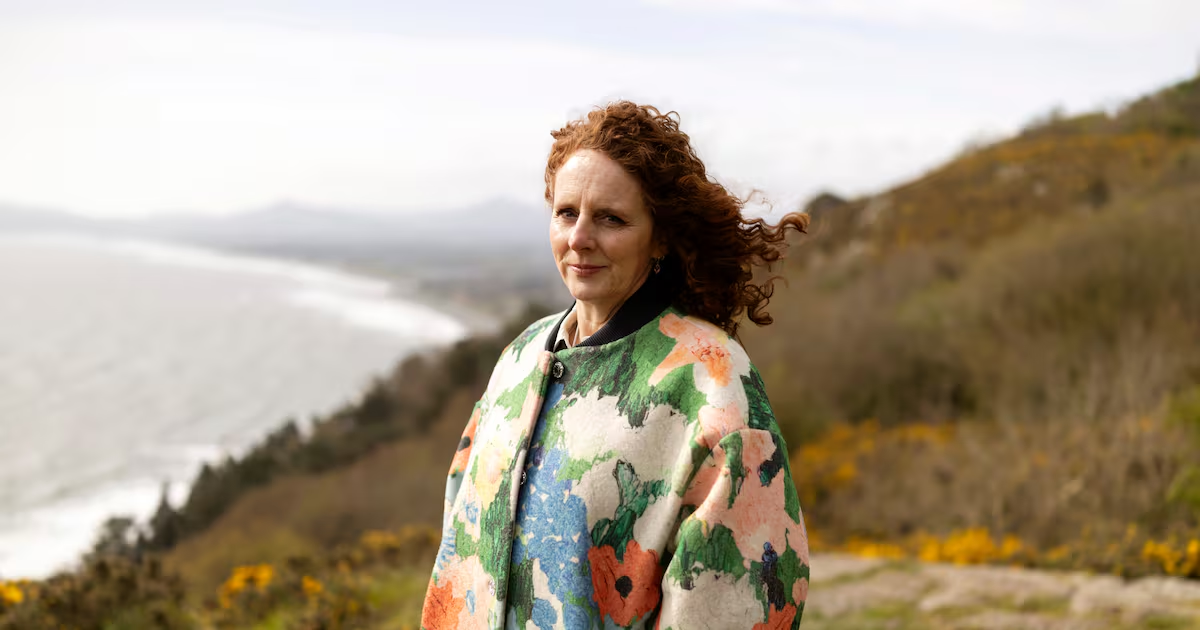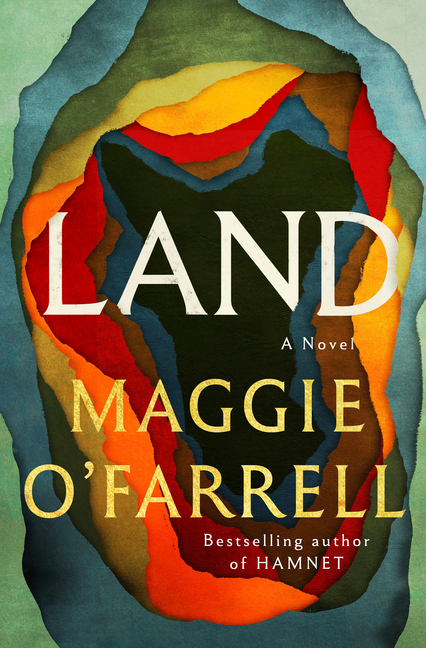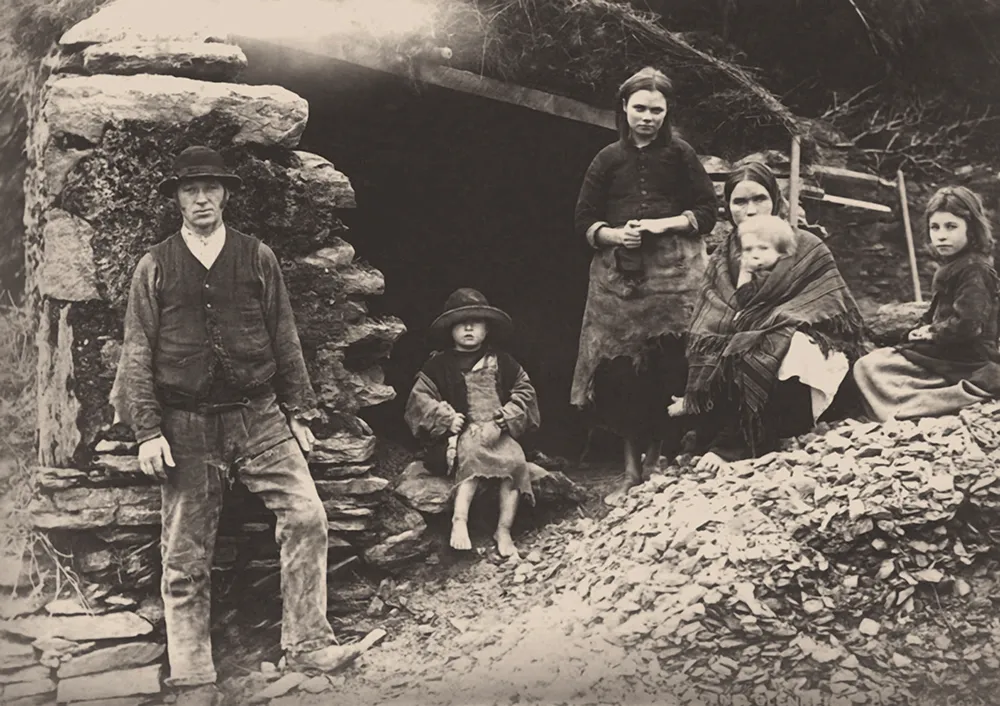
Maggie O’Farrell’s two previous historical novels, Hamnet and The Marriage Portrait, made her a household name. Land marks a return to her Irish roots: ‘Every family has its myths and ours was that my great-great-grandfather had worked on the early maps of Ireland.’
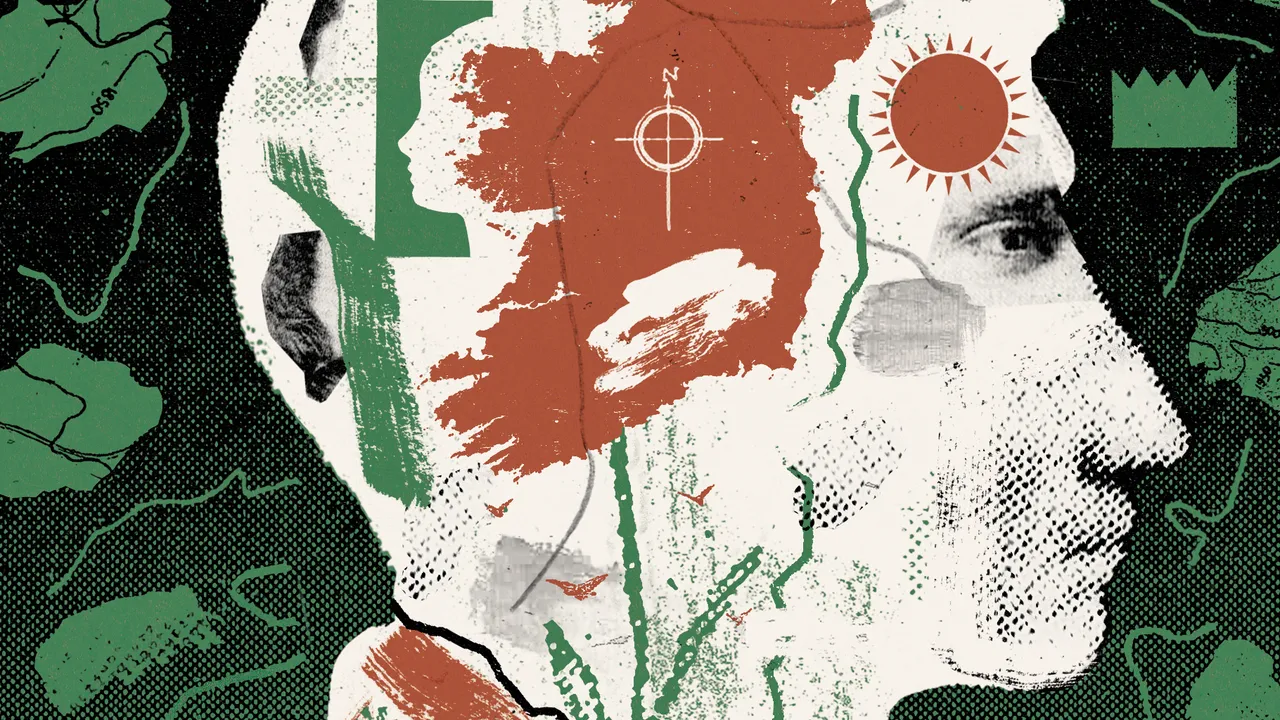
The year is 1865 and 31-year-old Tomás, a mapmaker, accompanied by his ten-year-old son Liam, is in the employ of the English redcoats and tasked with surveying and mapping Ireland from top to bottom, rocky outcrop to drumlin. Tomás’s skill is that of a translator of language as much as land, ‘able to parse a polysyllabic string’ of Gaelic topography into one- or two-word place names, untangling ‘the-crossroads-under-the-bluff-where-once-a-hailstorm-killed-a-cockerel’ to read ‘Bluff’s Cross’ and negotiating between locals and the English soldiers. It’s cold, bleak work, and Liam stands ‘quivering like a wet hound’. Tomás makes a quiet oath to himself: to ink into his cartography the history of the land, its suffering and scars. The Great Hunger is only recently past and its ghosts still haunt him.
Most popular
Theodore Griffin
Ukraine’s Jehovah’s Witnesses are refusing to go to war