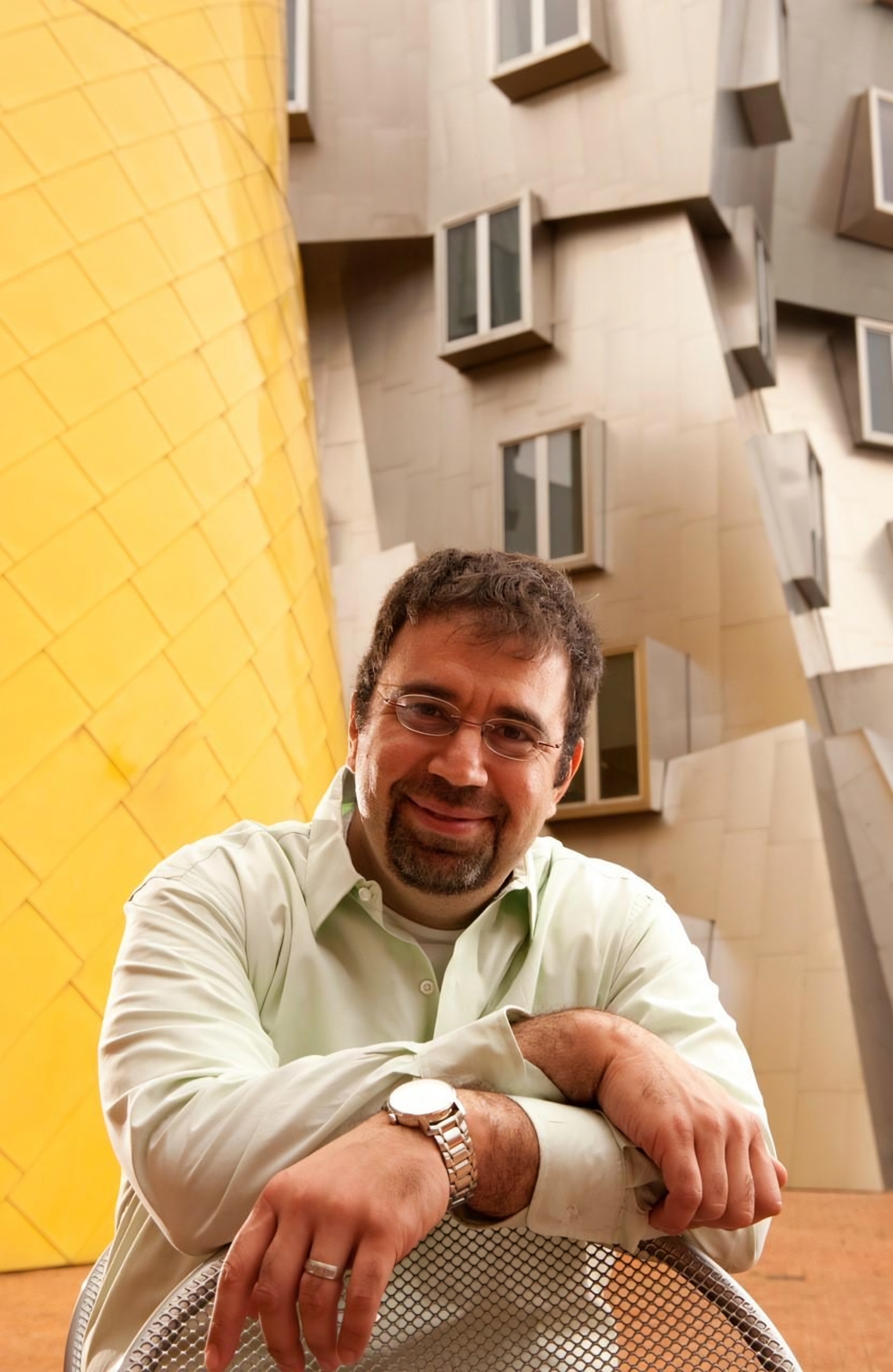
Daron Acemoglu
BOSTON — Artificial intelligence (AI) is reshaping how we communicate, access information, and work, how income and status are distributed, and even how we wage war. Yet the public conversation remains narrowly focused on the competition between AI labs or on abstract debates about the technology’s capabilities. Almost no one is asking what purpose AI ought to serve, or whether our current mindset, institutions, and control mechanisms are capable of steering the technology toward broad-based improvements in human welfare.
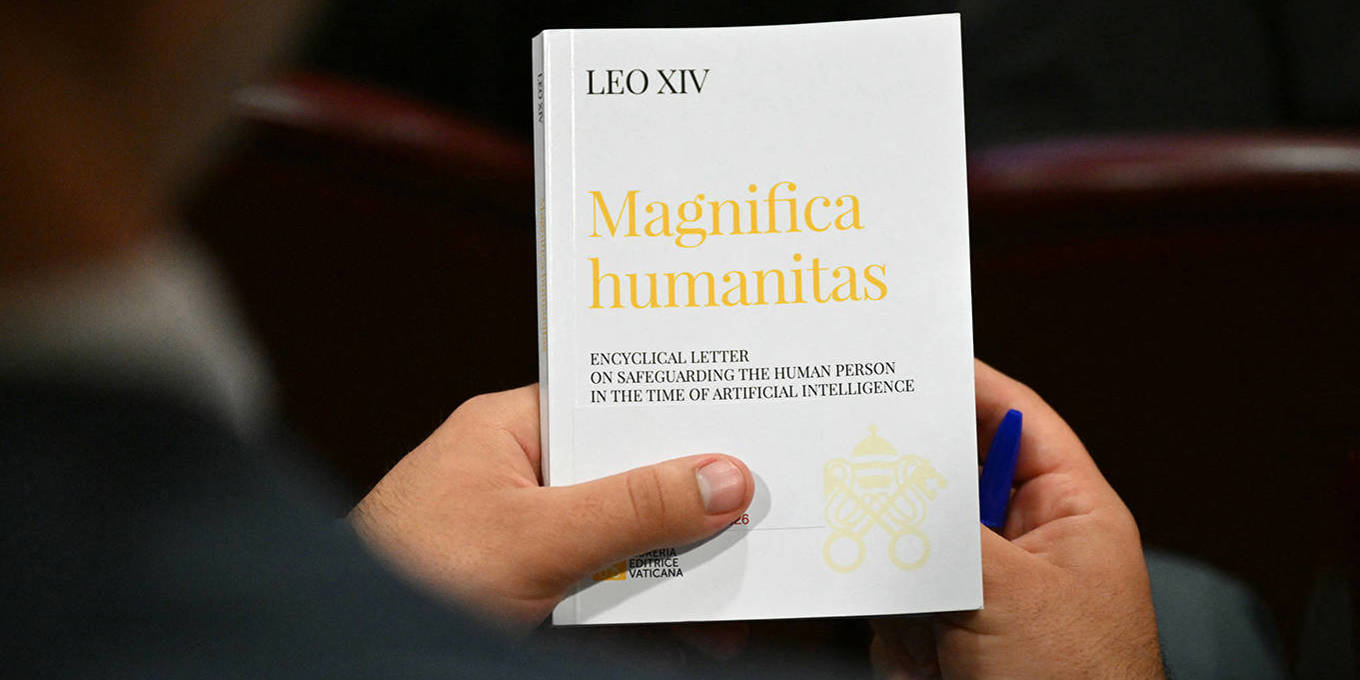
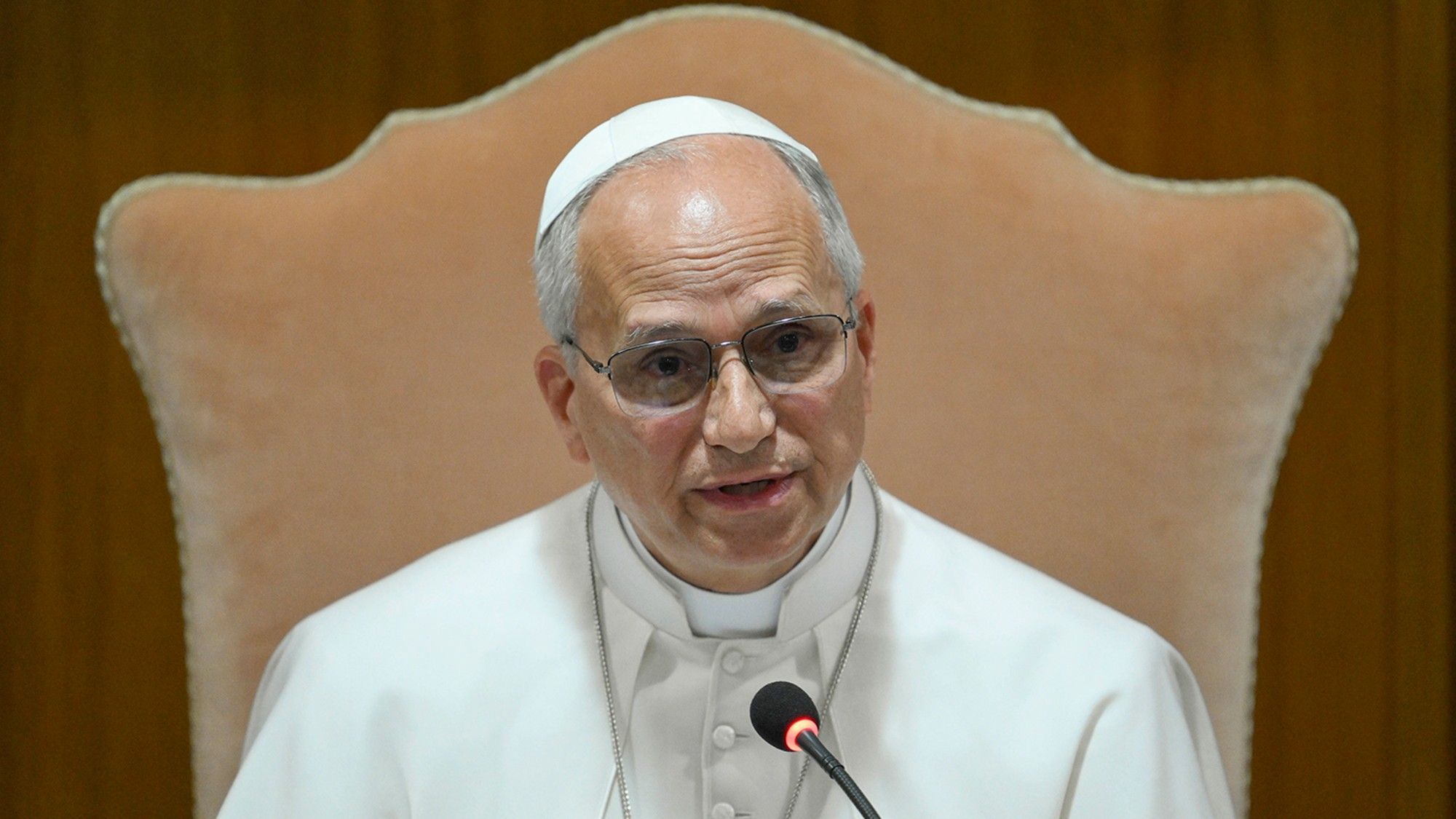
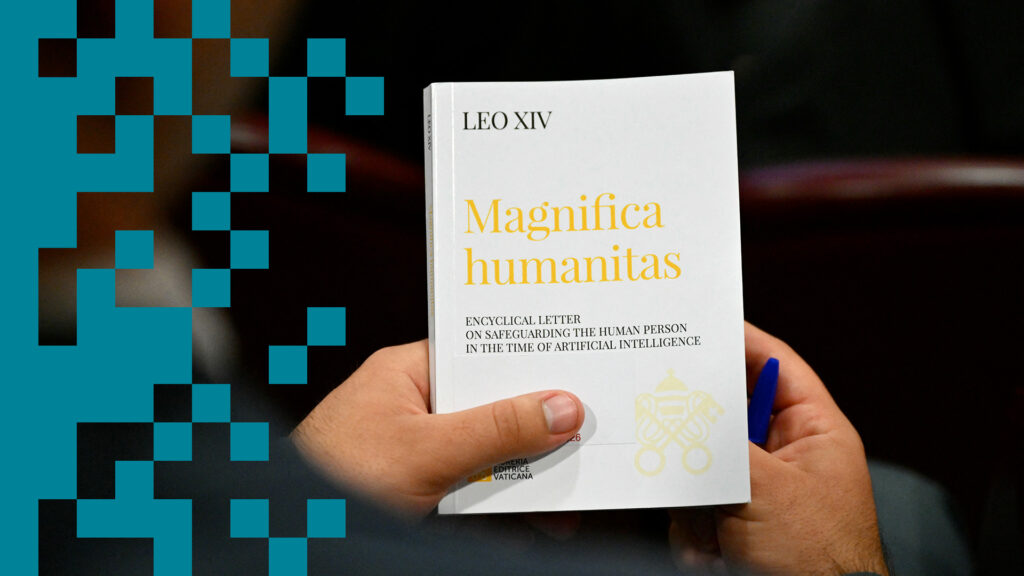
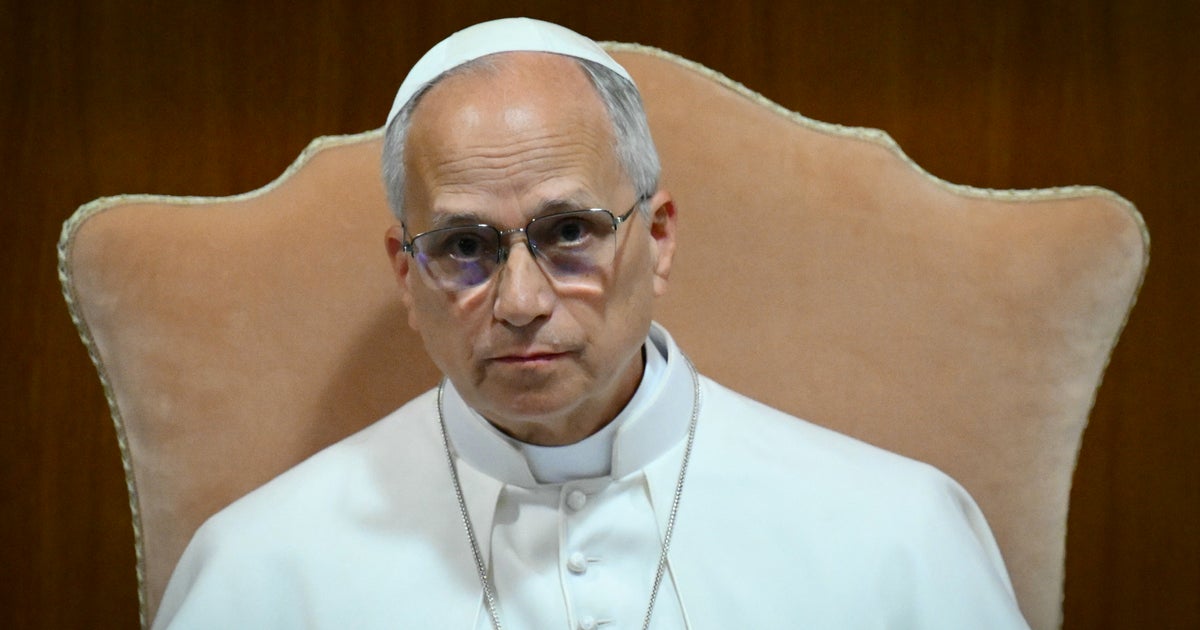
It was therefore refreshing to see Pope Leo XIV weigh in on the issue with his first encyclical, which describes AI’s current trajectory as a profound threat to human dignity. As an economist who has long argued that technologically driven outcomes are matters of choice, not fate, I welcome his intervention.
Leo is ahead of most commentators in pointing out that “technology is never neutral, because it takes on the characteristics of those who devise, finance, regulate, and use it.” And yet, I worry that even he has not gone far enough on the most consequential question: What should AI be designed to do?
As Simon Johnson and I stress in our book "Power and Progress: Our Thousand-Year Struggle over Technology and Prosperity," there are multiple paths that a technology like AI can take, and each has far-reaching implications for society. For example, the Pope is right to question the current trajectory of AI in warfare and law enforcement. What was taboo only a few years ago — AI-driven mass surveillance, algorithms selecting targets for killing—has become routine.