Is thinking basically computing? Are humans just biological versions of machines – only less efficient than their AI counterparts?
The concept that people may develop such a mindset is a major concern for Catholic observers given the breakneck pace at which AI is developing.
“As soon as you start thinking of yourself as a machine, only not as good, then you’re just a commodity and have no other reason to live,” said John Cavadini, director of the McGrath Institute for Church Life at the University of Notre Dame in South Bend, Indiana. “It’s a pathway to desolation.”
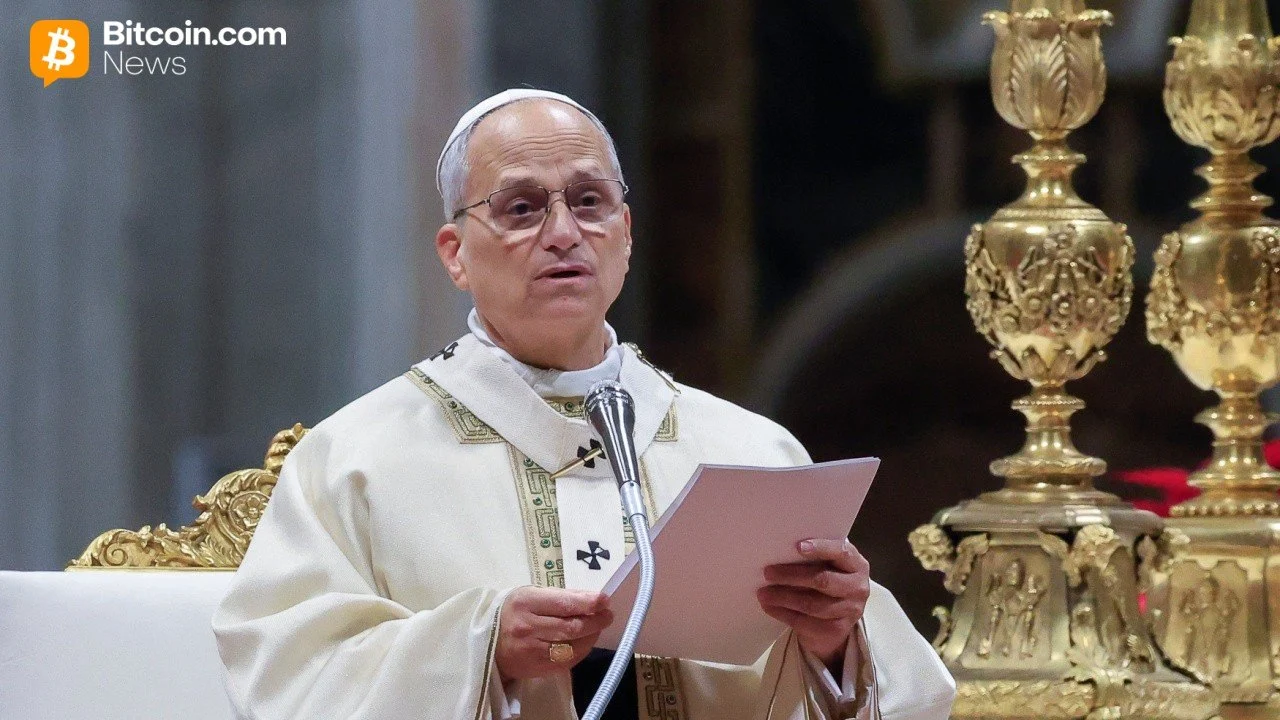
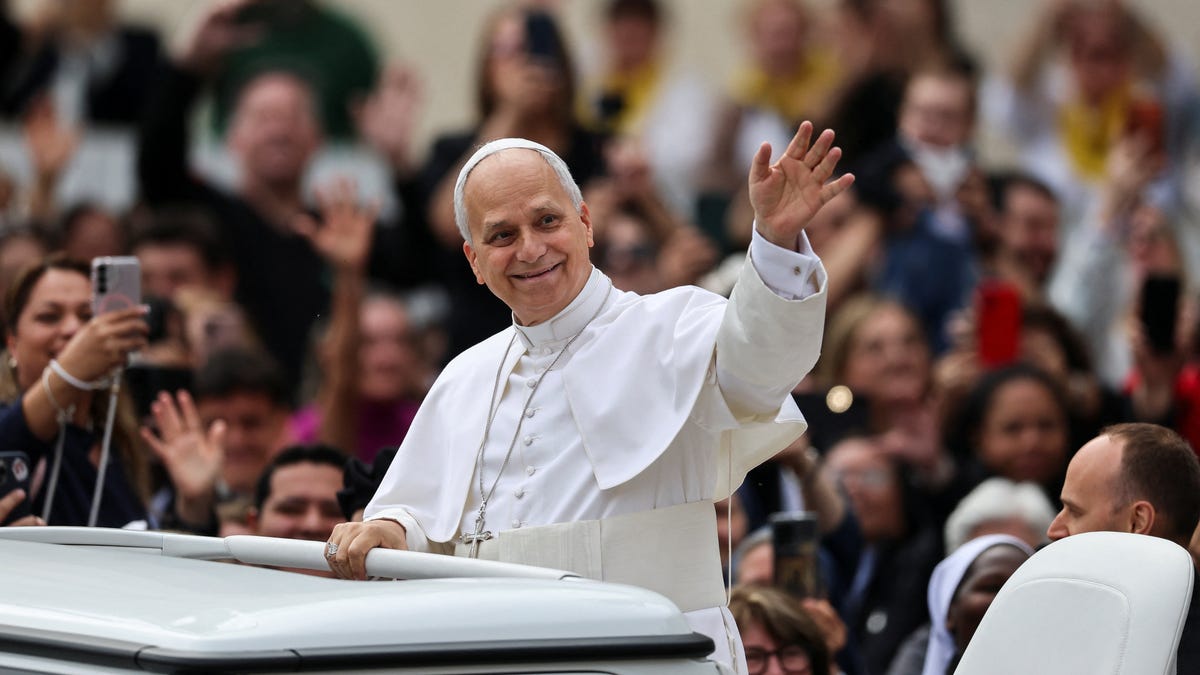
That’s why Cavadini and others are looking forward to the imminent release of Pope Leo XIV’s first major encyclical, expected to address the growing ethical and moral challenges of artificial intelligence.
The treatise will be Leo’s most authoritative document to date, as topical as it is symbolic: Though the Vatican has set no specific date, a May 15 release would come 135 years to the day that Pope Leo XIII, with whom the current pontiff shares his name, issued what is considered the first social encyclical of modern times, Rerum Novarum.