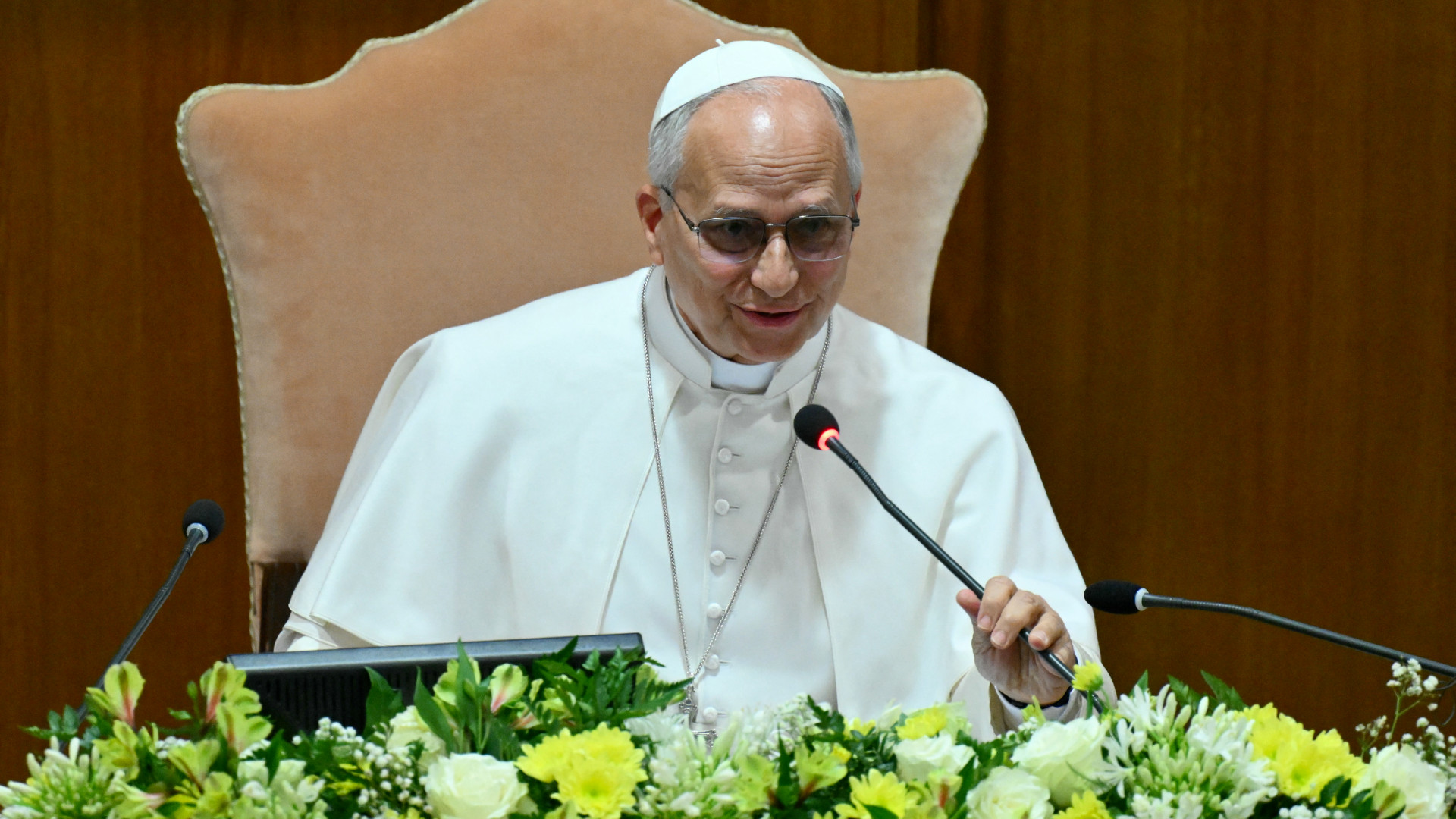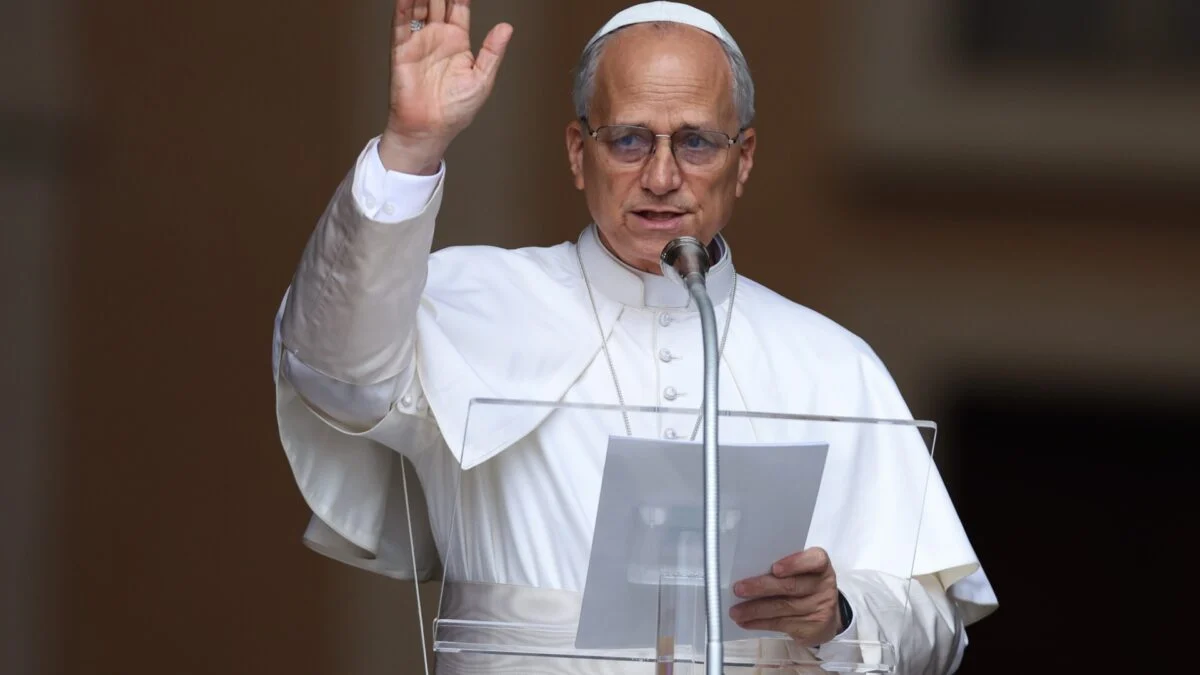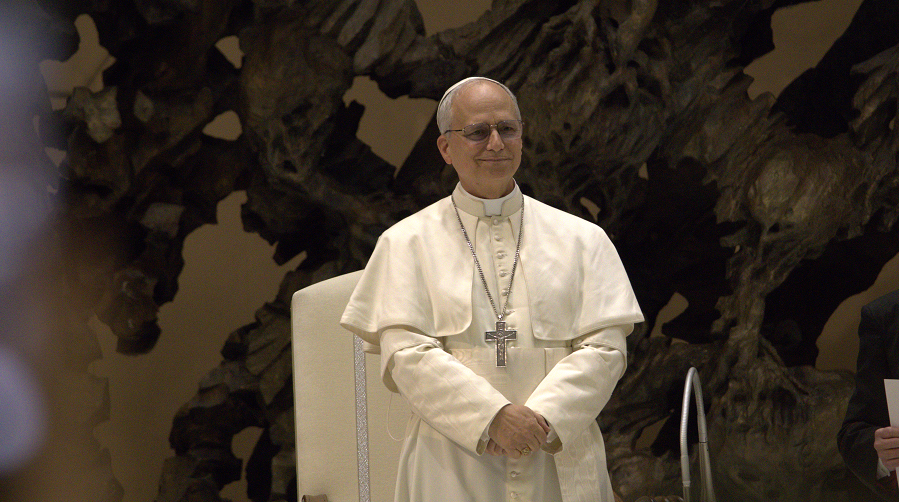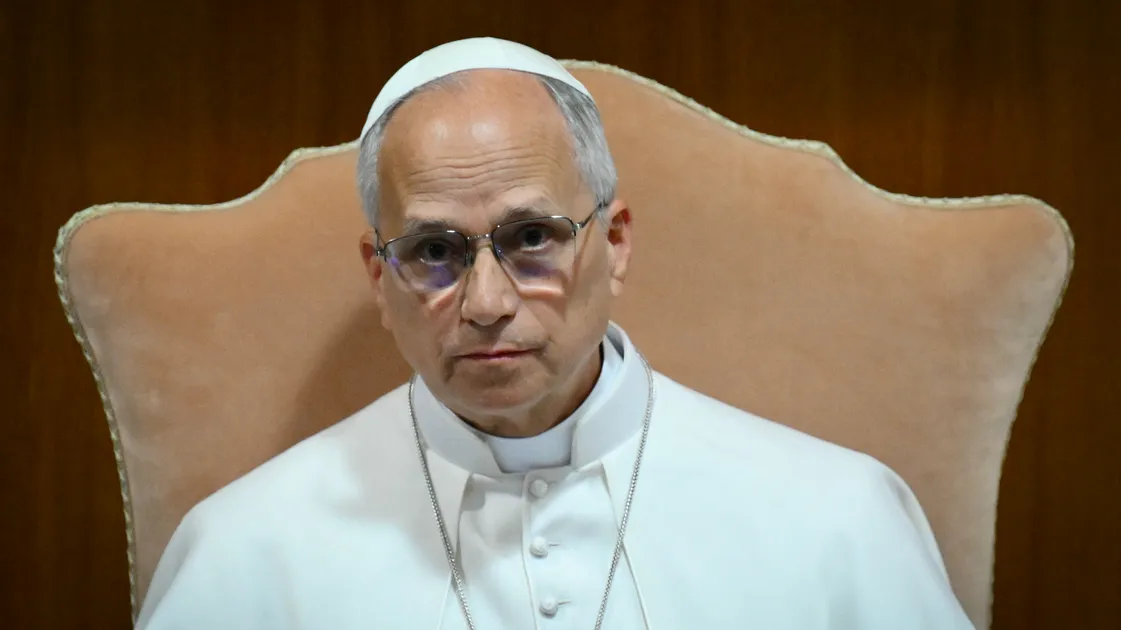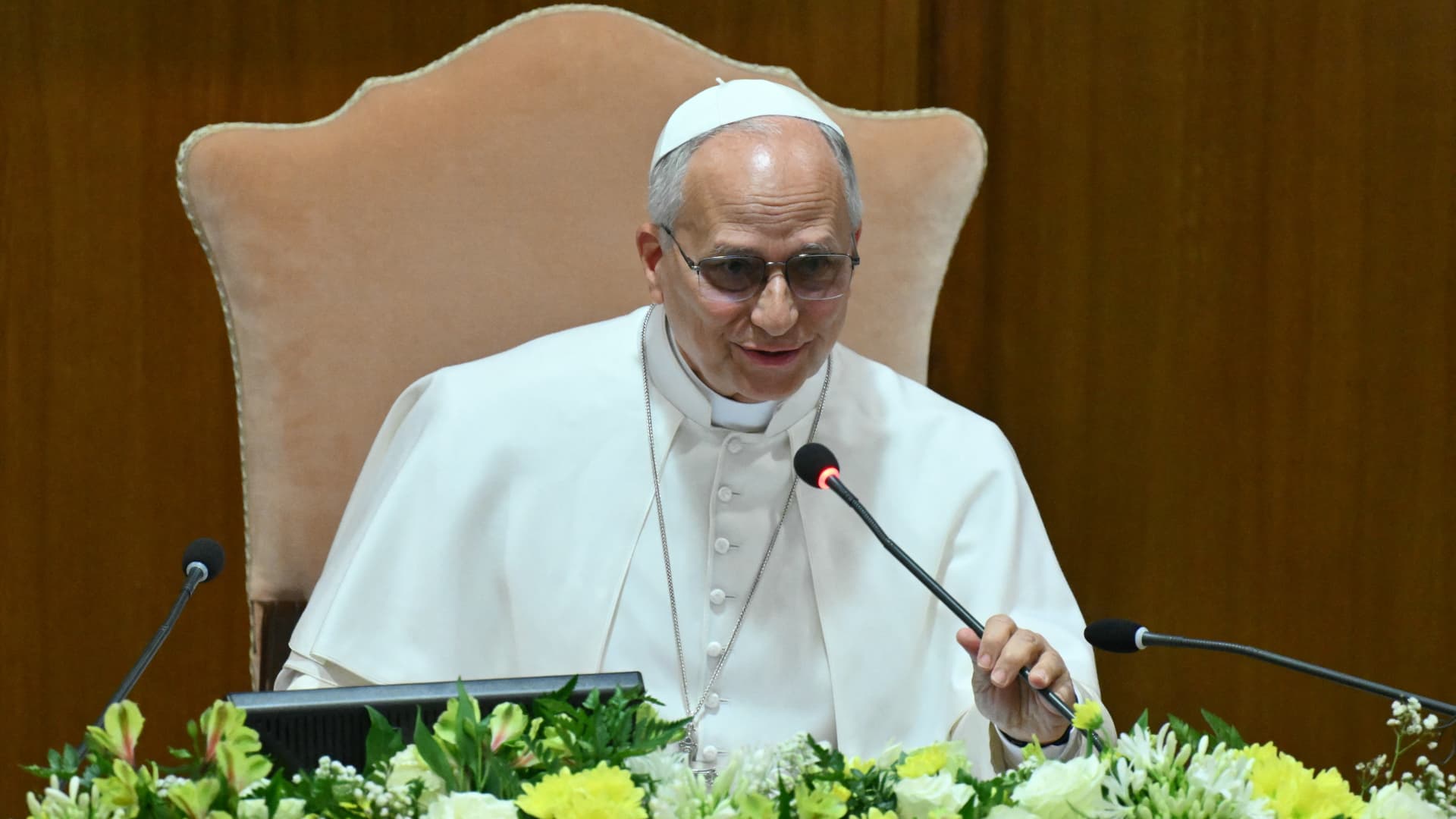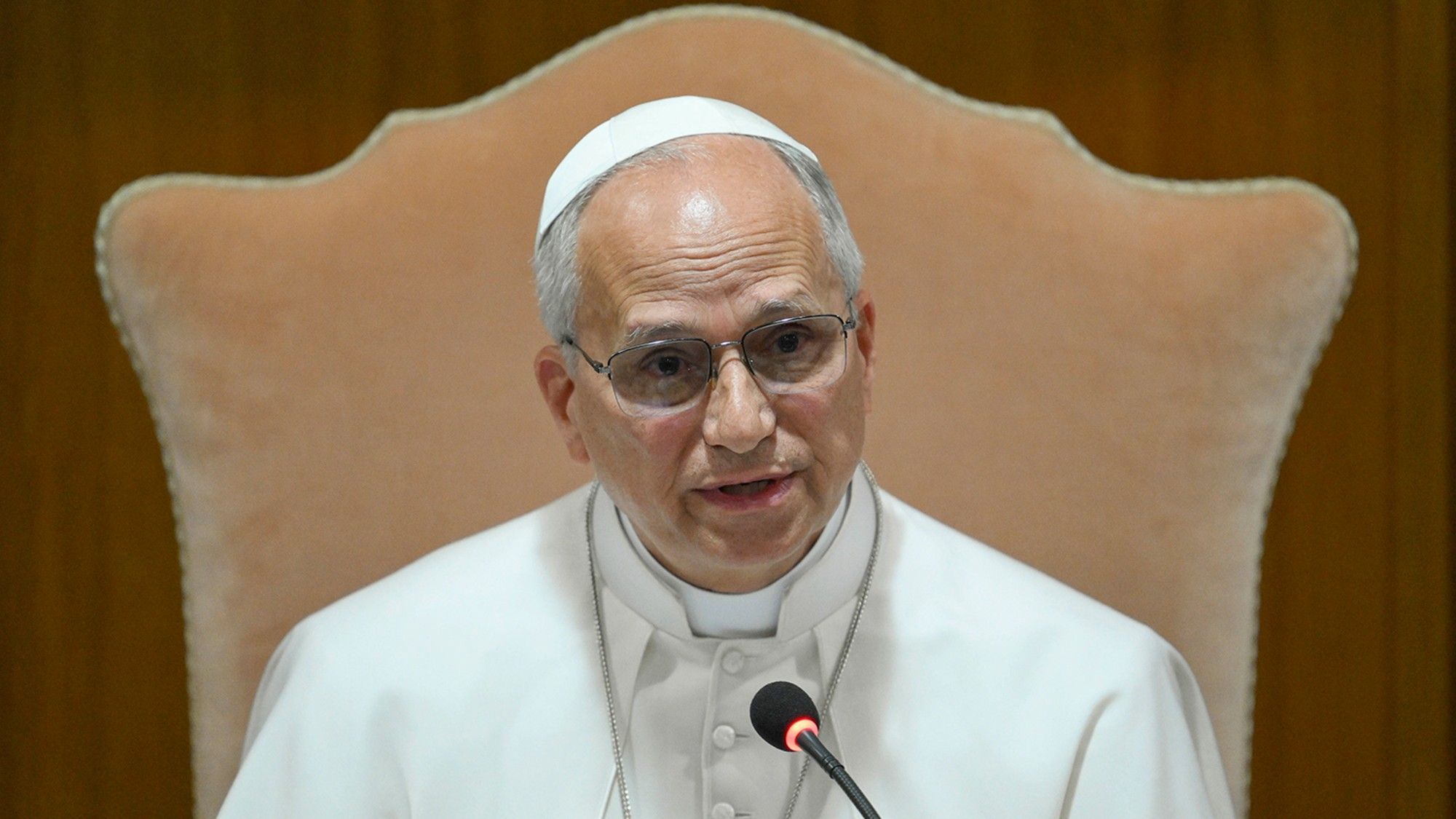
Pope Leo XIV is deeply worried about what artificial intelligence might do to all of us, said Francis X. Rocca in The Atlantic. The 42,300-word encyclical issued by the American-born pontiff recently—his first since being elevated to the papacy last year—was almost entirely devoted to AI, and he outlines “the choice humanity faces in stark terms.” With the help of governments and institutions, he says, the technology could become “an instrument of growth, justice, and fraternity.” But right now, it is fueling unemployment, destroying the environment, and reducing workers to “cogs in a machine.” We are unwisely entrusting AI with “lethal or otherwise irreversible decisions.” And the technology’s ready-made answers, he warns, can “weaken personal creativity and judgment,” threatening the “desire to form genuine human connections.” The Vatican “tends to ‘think in centuries,’” as one aphorism puts it, but on this issue Leo has moved “with remarkable speed.” It’s a clear sign of what he thinks humanity is up against.Leo“should be applauded,” said The Guardian in an editorial. The “reckless hubris, profit seeking, and lack of accountability of figures such as Elon Musk represent a threat to the common good,” and regulation is needed to ensure their ambitious plans are deployed “for the good of all.” While Leo’s thoughts are—of course—informed by theology, his “humanity-first message” is one that even the secular world can support. AI is a “spiritual and civilizational test that forces us to face what it means to be human,” said Russell Moore in Christianity Today. Leo’s concern is not that machines will outpace humans, but that “human beings will become more like machines,” prioritizing “efficiency, control, optimization, and power above human dignity.”