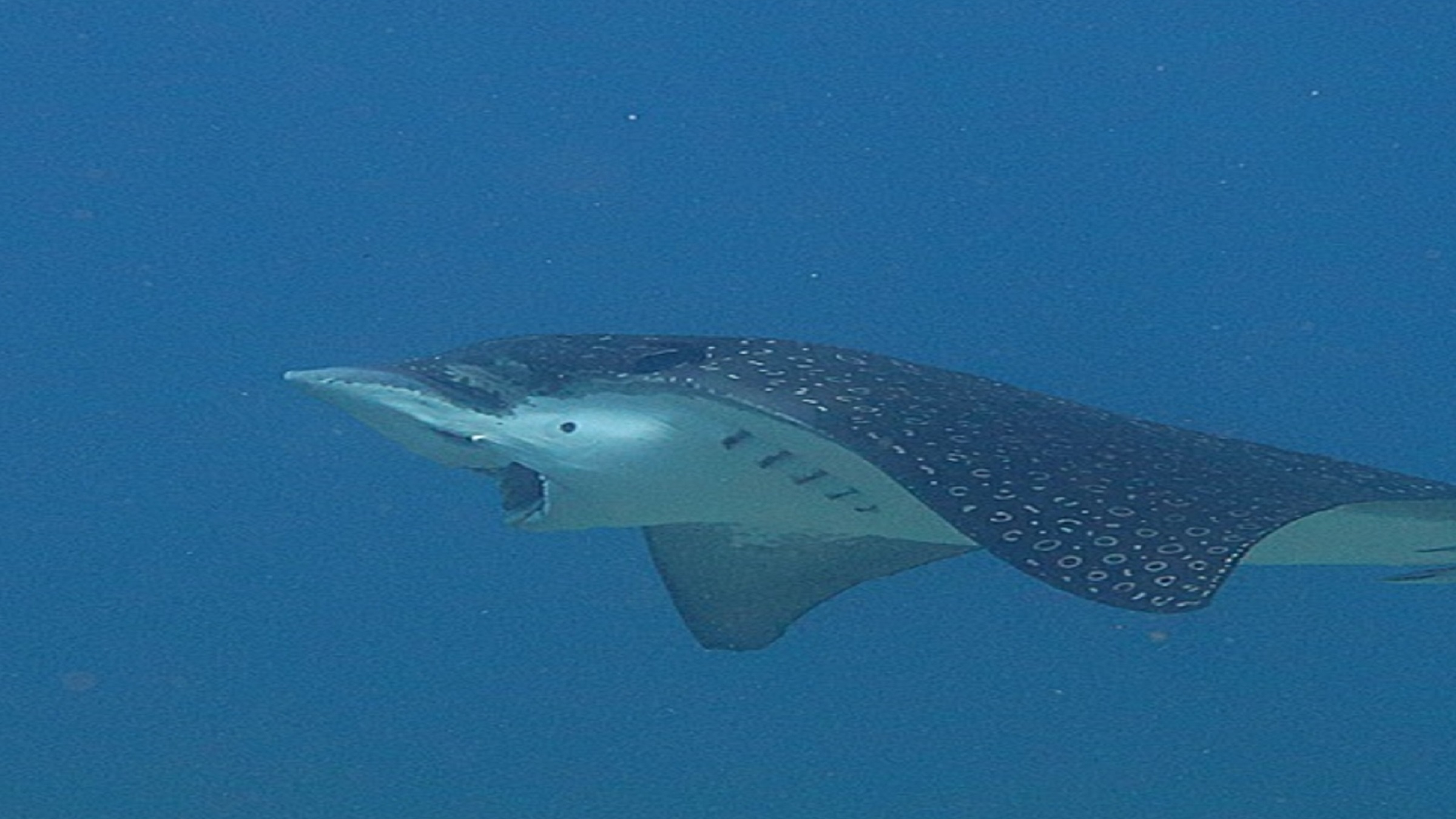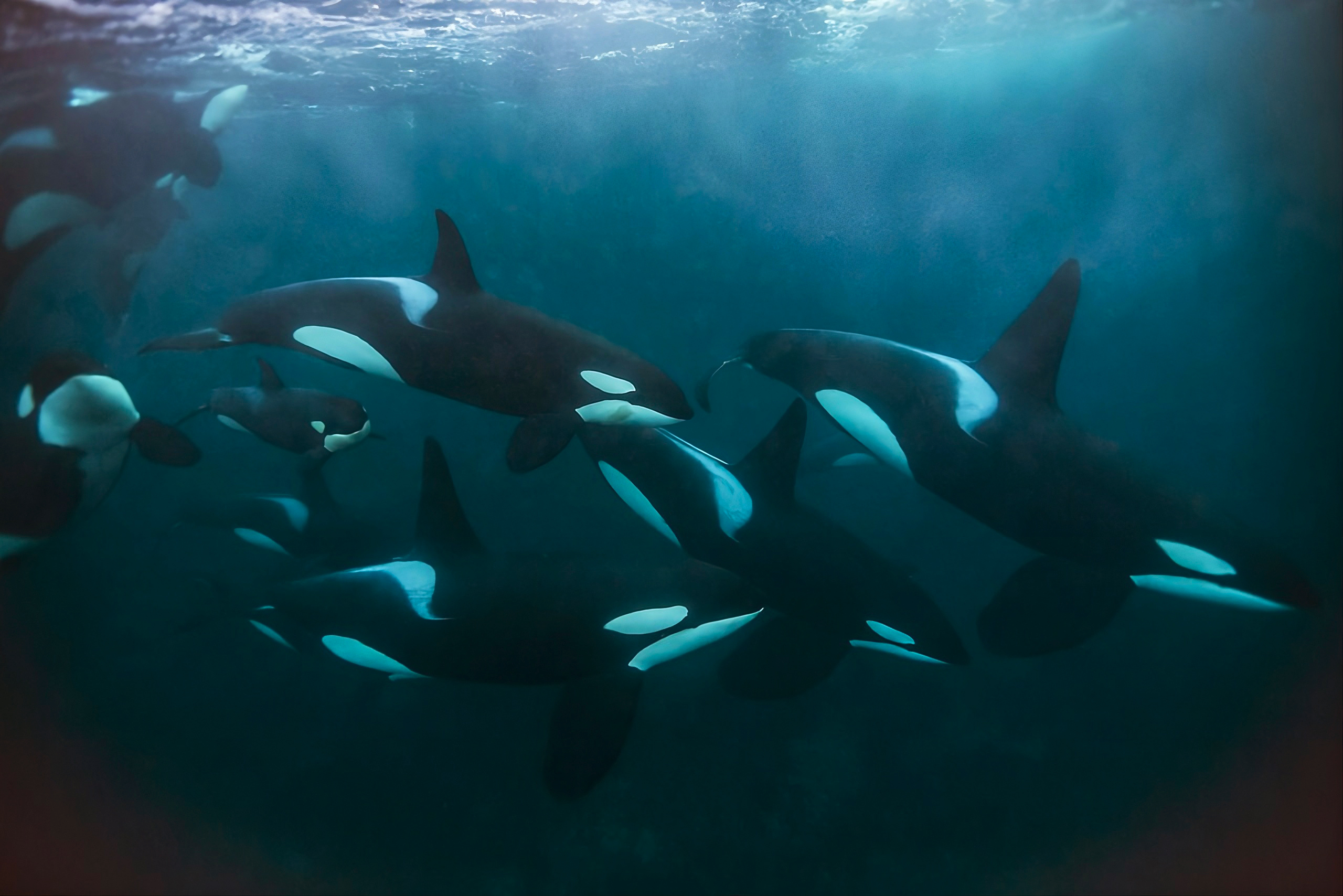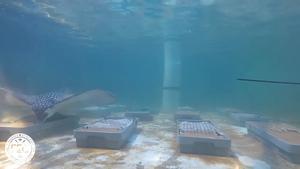
video: Whitespotted eagle rays crunch clams in the lab and in the wild. These sounds helped FAU researchers develop an AI-powered system that can detect and classify shell-crushing feeding events underwater.
view more
Interactions between hard-shelled marine mollusks such as clams and snails and their predators play a critical but largely unseen role in shaping coastal ecosystems. These organisms help stabilize shorelines, filter water and support biodiversity, making them foundational to coastal health. Yet they are increasingly threatened by ocean acidification and expanding populations of mobile shell-crushing predators.
What makes these interactions especially difficult to study is not just where they occur, but how quickly they unfold. Many predators, including highly mobile rays, forage in subtidal environments where direct observation is limited. As a result, a key ecological process – mollusk consumption by predators – has remained difficult to quantify in natural systems, despite its importance being recognized for decades.
Fortunately, these interactions are not silent. Every crushed clam or shattered snail shell produces a distinct acoustic signature – a brief but information-rich sound that can be recorded underwater. Passive acoustic monitoring and autonomous recording systems enable researchers to “listen” to these feeding events as they occur in real time. However, the challenge is how to reliably extract it from vast and noisy underwater recordings.