Farrar, Straus and Giroux
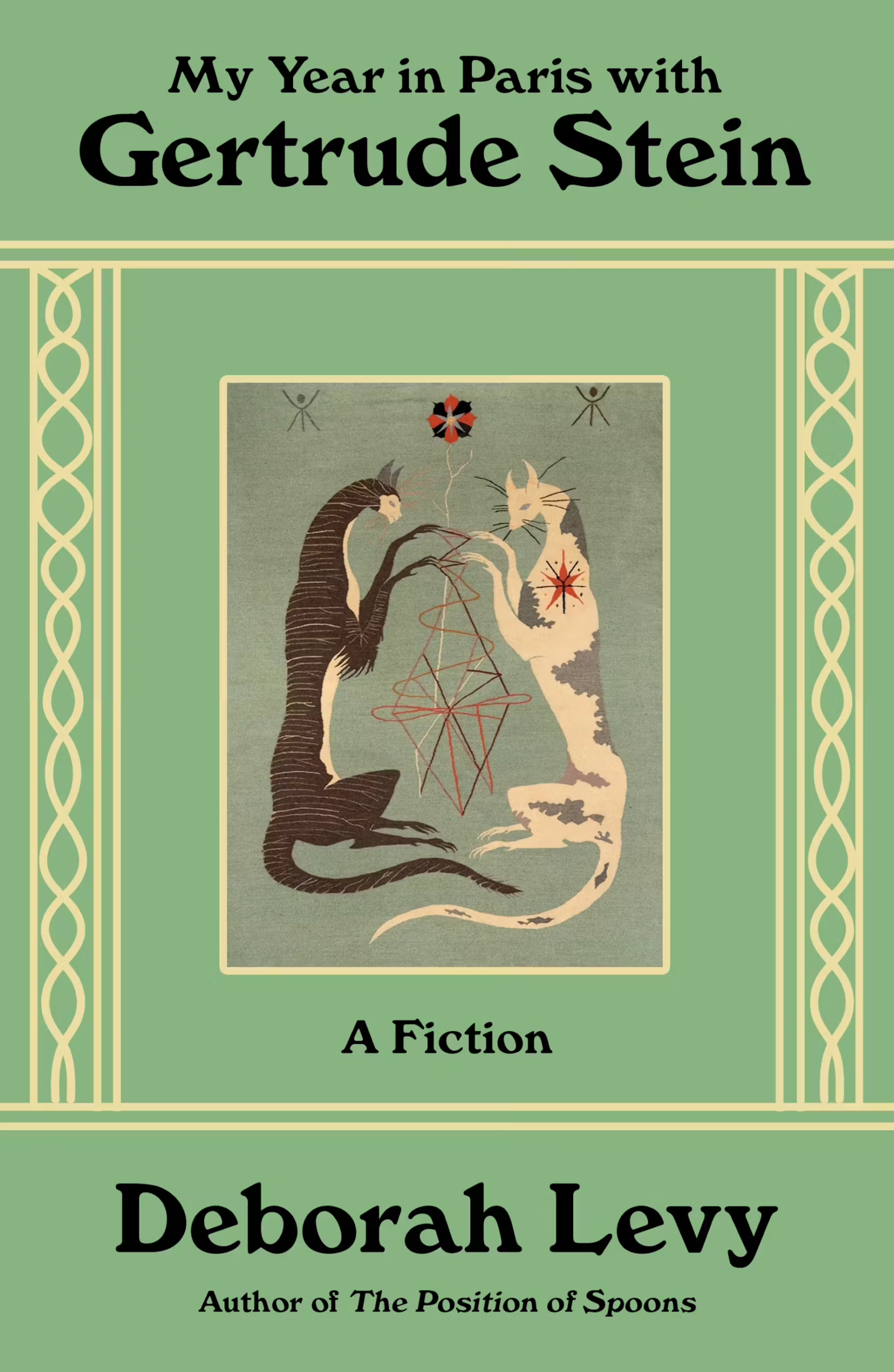
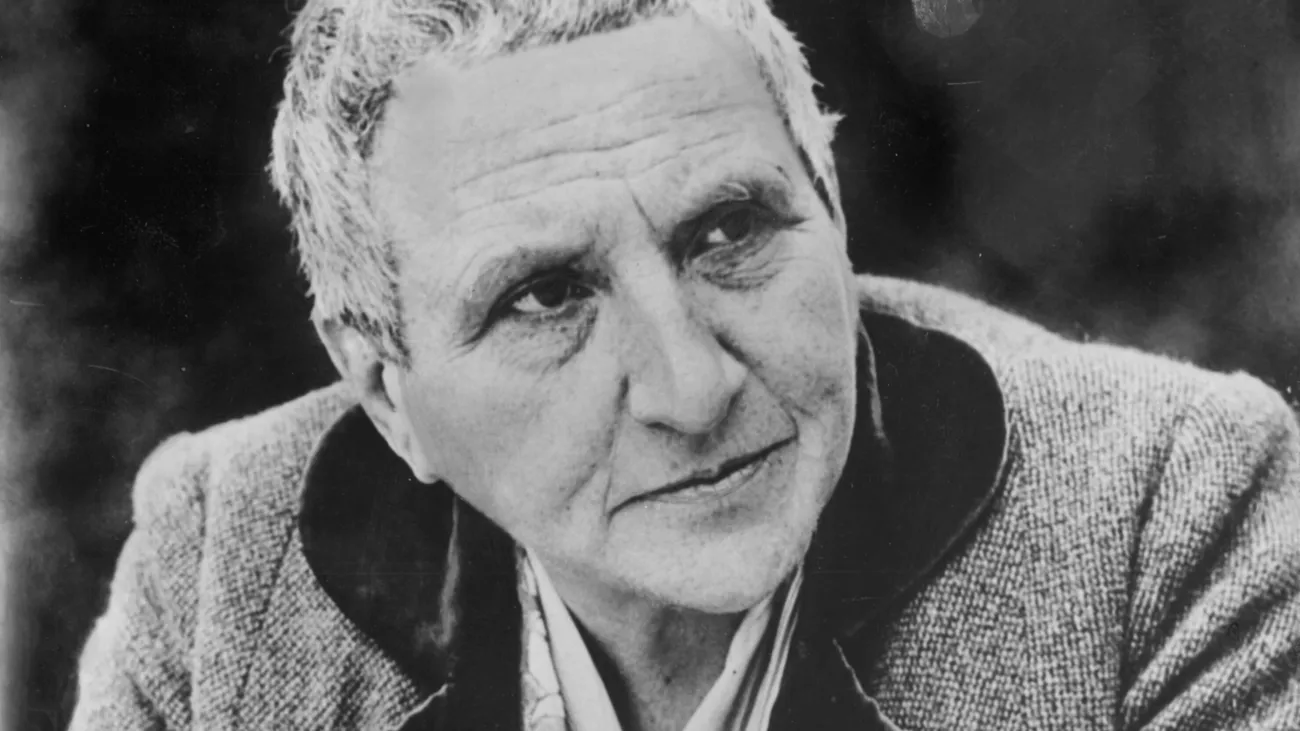
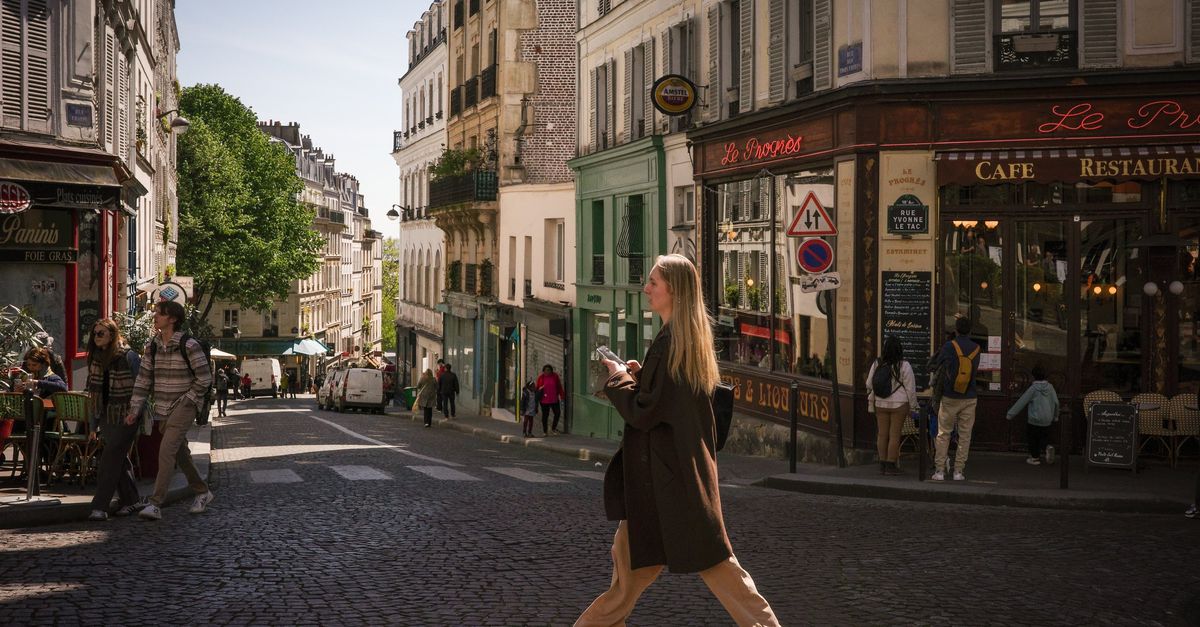
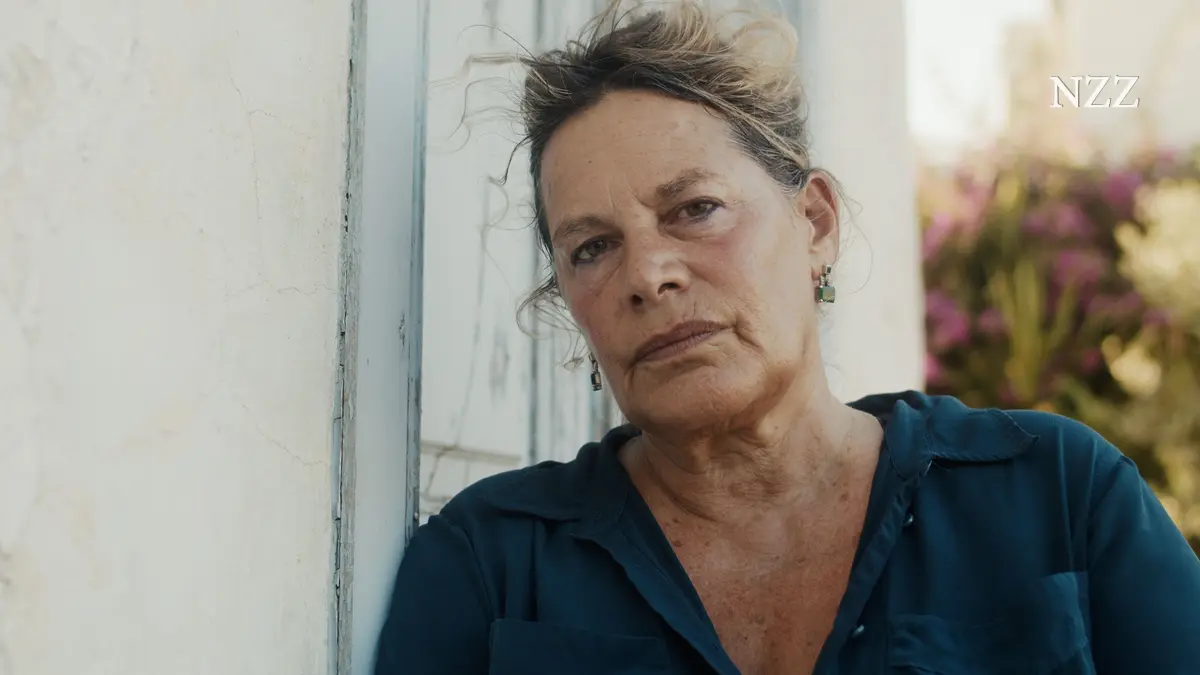
Deborah Levy pulls off something wonderful in My Year in Paris With Gertrude Stein. Her latest book, which she calls "a fiction" rather than "a novel," involves a woman struggling to write an essay about the unconventional modernist writer. What she comes up with is a delightful amalgam of a highly subjective literary biography and an urban caper in the City of Light, brightly seasoned with wit, wisdom and insightful literary criticism. Since writing about finding her footing and voice in The Cost of Living, the second volume of her innovative "Living Autobiography" trilogy, Levy has boldly stretched and blurred the borders of literary genres to explore questions of identity and self-realization – in novels such as August Blue and The Man Who Saw Everything.
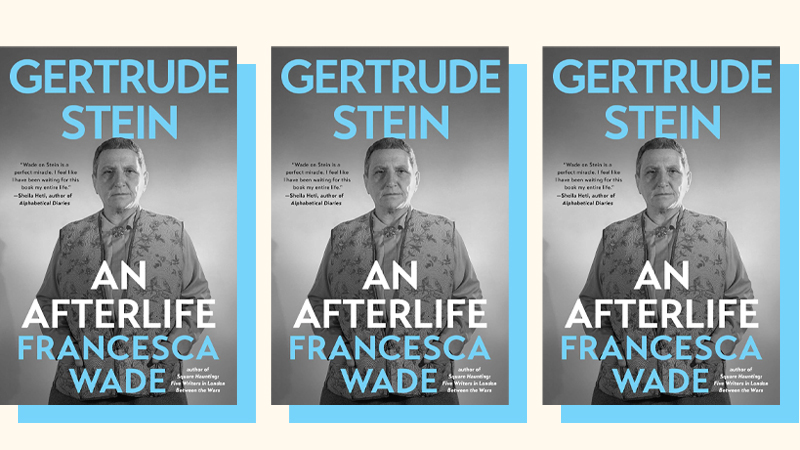
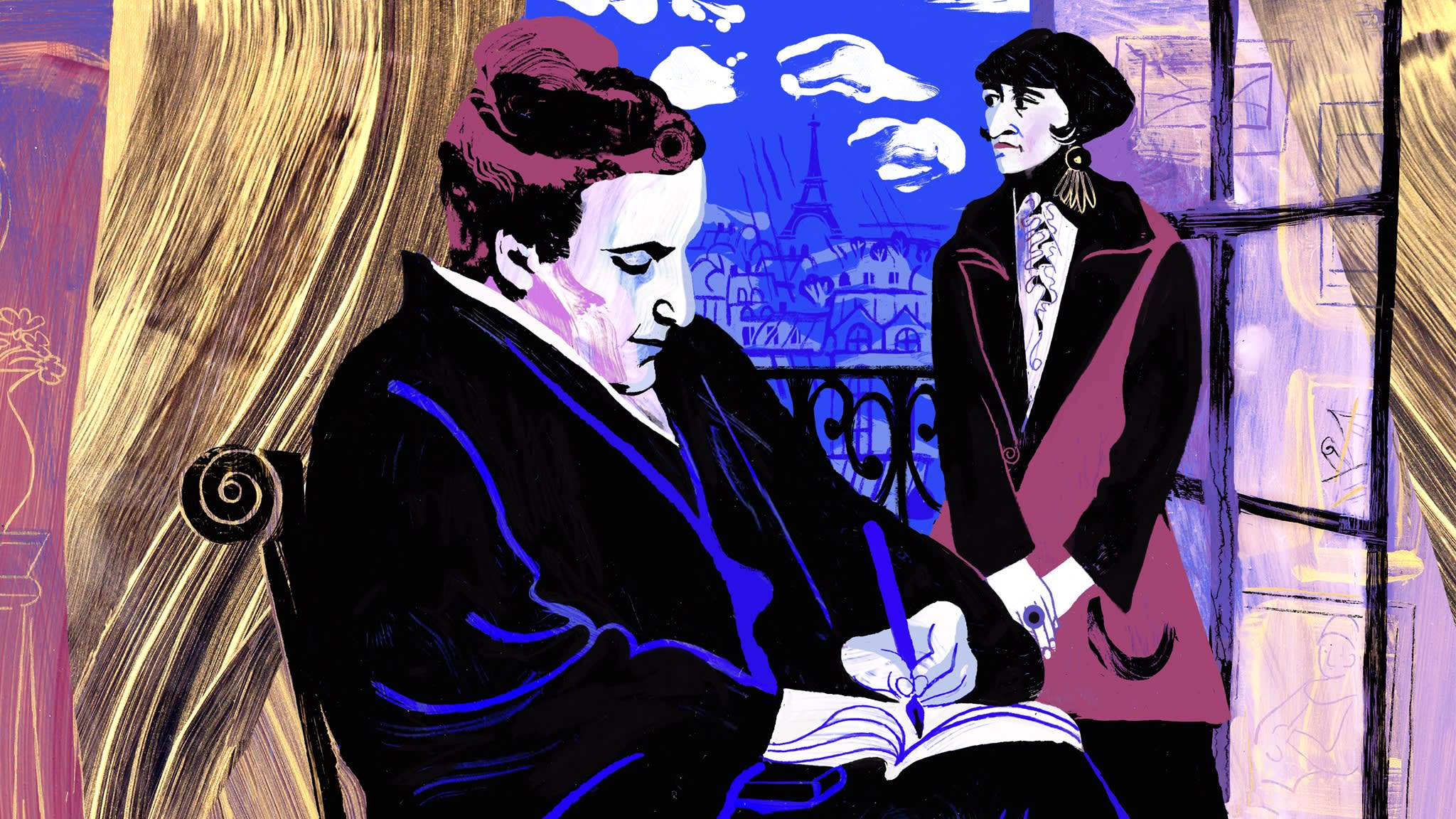
My Year in Paris actually spans just one month, November 2024. The book's nameless narrator, a successful, divorced British writer, is in Paris trying to understand Gertrude Stein's genius, how she invented herself, and her relationship with her devoted wife, Alice B. Toklas. The narrator hopes to answer the question: "What did she want words to do and what did they do for her?" In her efforts to fathom Stein, the narrator considers the expat writer's upper-middle-class German-Jewish childhood in Pennsylvania and California, her studies under psychologist William James (brother of writer Henry) at what would become Radcliffe College (and later, Harvard), and her aborted training as a physician at Johns Hopkins School of Medicine. (We're told that Stein left medical school without a degree after failing several final exams because she was "irrevocably discouraged by a misogynist professor.") In 1903, Stein followed her older brother Leo to Paris, where, supported by family trusts, they shared an apartment in Montparnasse for 11 years. The Saturday night salons they hosted in their studio drew avant-garde writers and artists. Part of the attraction was the siblings' extraordinary collection of iconoclastic artists, including Henri Matisse, Paul Cézanne and Pablo Picasso. In 1907, Stein met Alice B. Toklas and found love; she found domestic happiness when Toklas moved into her apartment in 1910. A few years later, Leo moved out, taking some of the art with him. The siblings never spoke again. Stein and Toklas remained together through two world wars, until Stein's death from stomach cancer in 1946 at the age of 72.