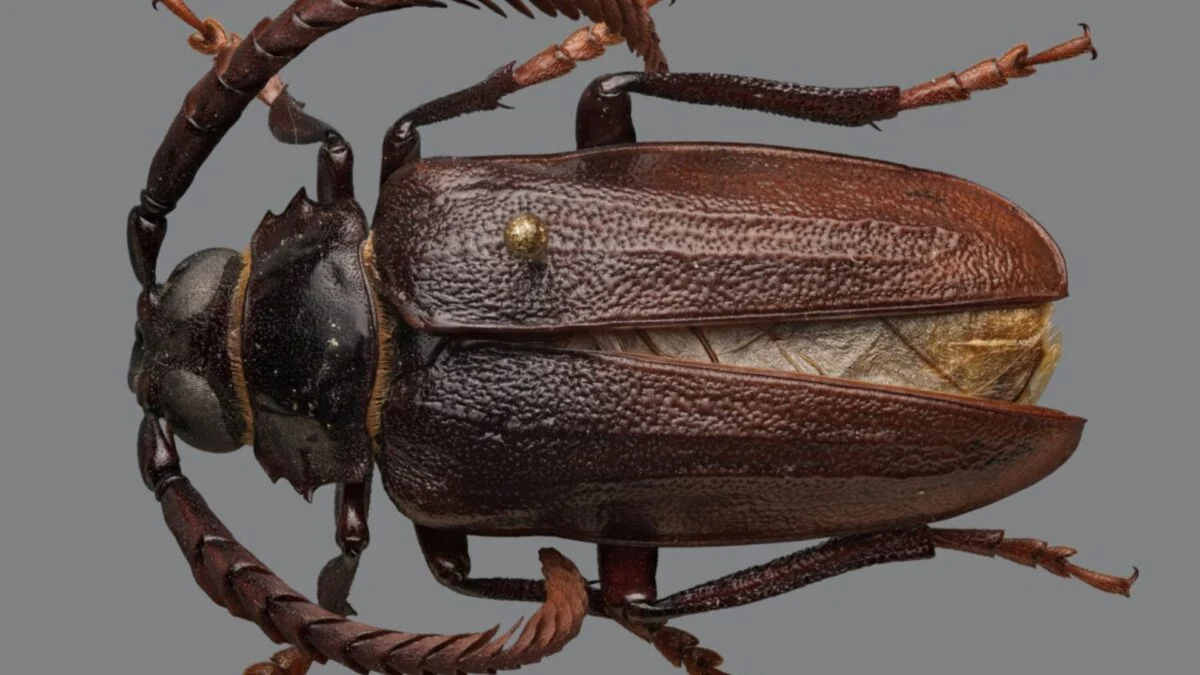
Scientists in North Carolina have solved an agricultural murder mystery. A team at North Carolina State University has identified the species of beetle that’s been attacking blueberry farms across the state: Prionus imbricornus. It’s the first confirmed sighting of the beetle in the state, whose larvae can kill off blueberry bushes by feeding on their roots. The discovery should improve pest control efforts, the researchers say, though keeping P. imbricornus in check will be easier said than done. “The key takeaway is that we now have the molecular tools to determine which exact species of Prionus are attacking blueberries,” lead study author Kenneth Geisert, a graduate student in NC State’s College of Agriculture and Life Sciences, told Gizmodo. The blueberry beetle culprit North Carolina is one of the country’s largest hubs of blueberries, producing about 54 million pounds of the fruit every year. While blueberry farmers have a wide range of pests to worry about, things have gotten worse lately in North Carolina, thanks to the emerging spread of Prionus longhorn beetles.
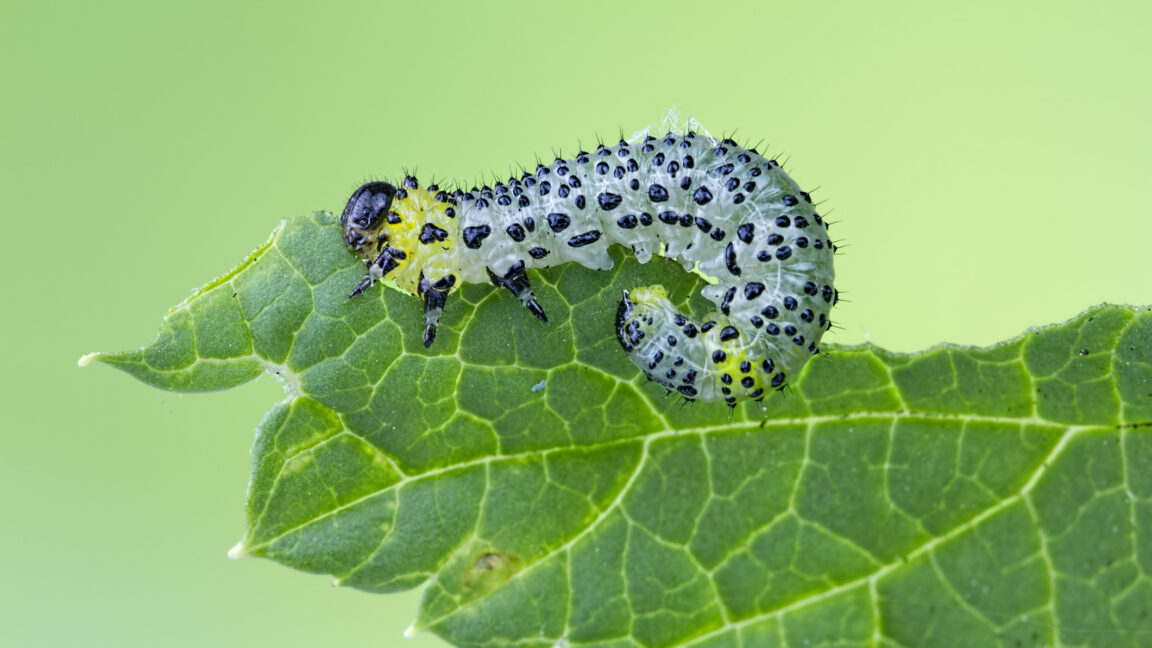
Adult Prionus beetles don’t feed, but their larvae sure do. Mama beetles will lay hundreds of eggs in the soil near the roots of a host plant. Once the larvae hatch, they burrow deep down into the ground, where they’ll start to consume the roots for nourishment. They can feed for years, all the while slowly destroying the roots; in severe cases, this infestation eventually kills off the plant.