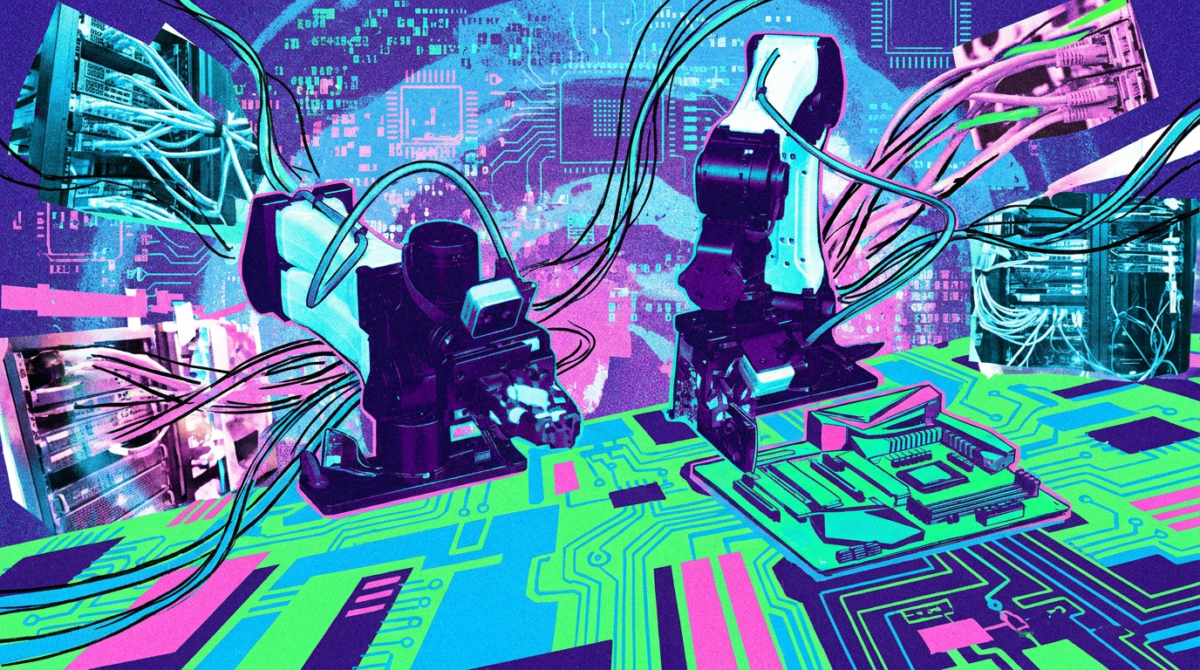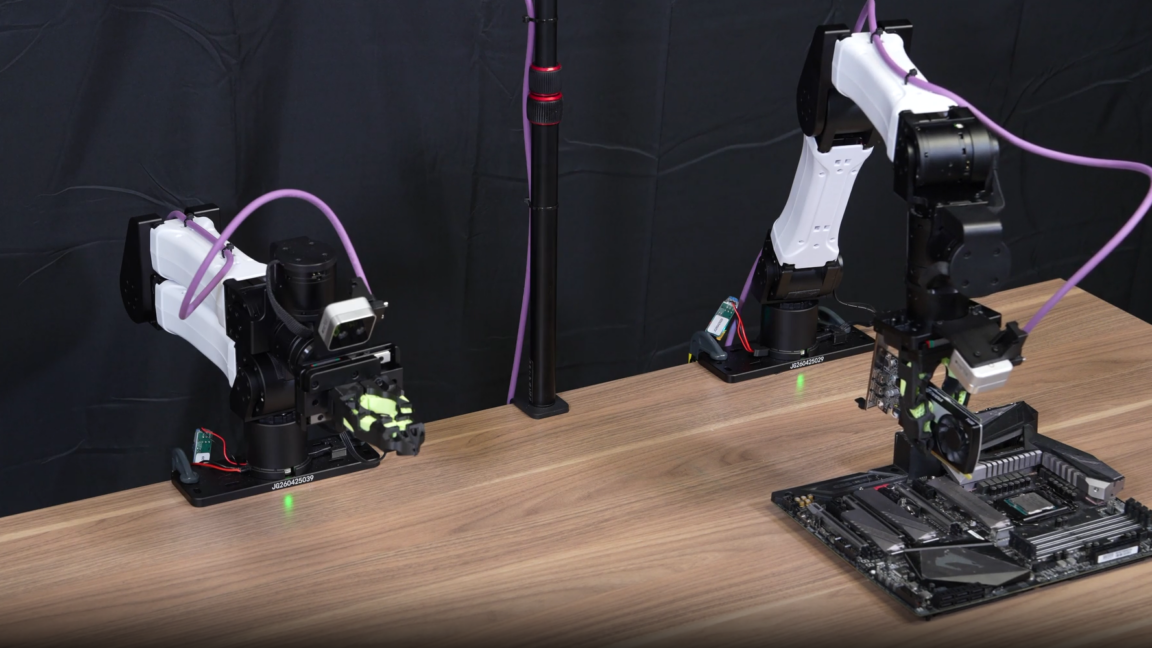
What makes a robot gripper useful isn’t that it can pick up one object — it’s that it can pick up the next one, and the one after that, with a tool it’s never held before.
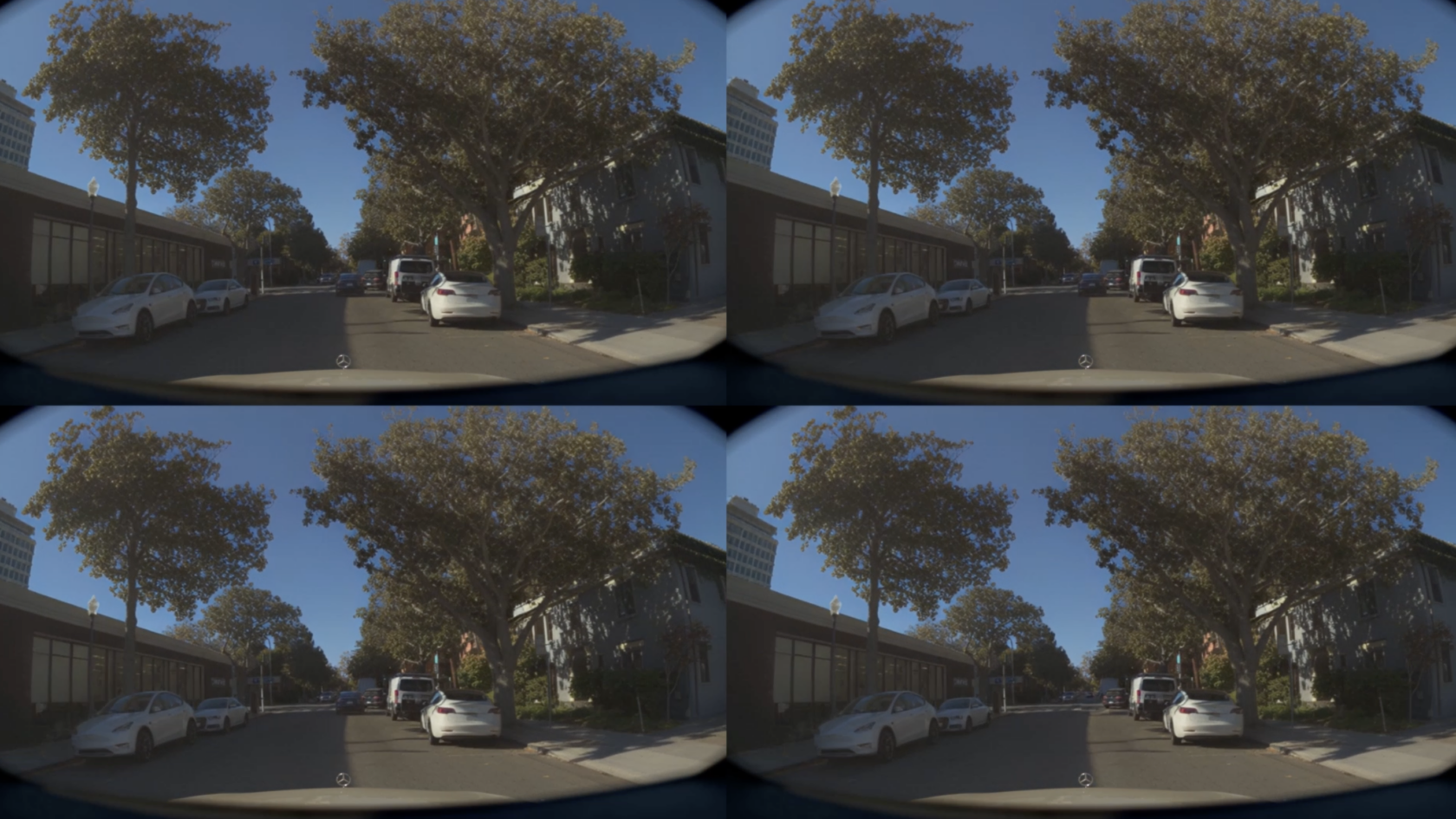
What makes an autonomous vehicle system safe isn’t just that it can reason through a situation — it’s that it can do so quickly enough on the hardware actually installed in the car.
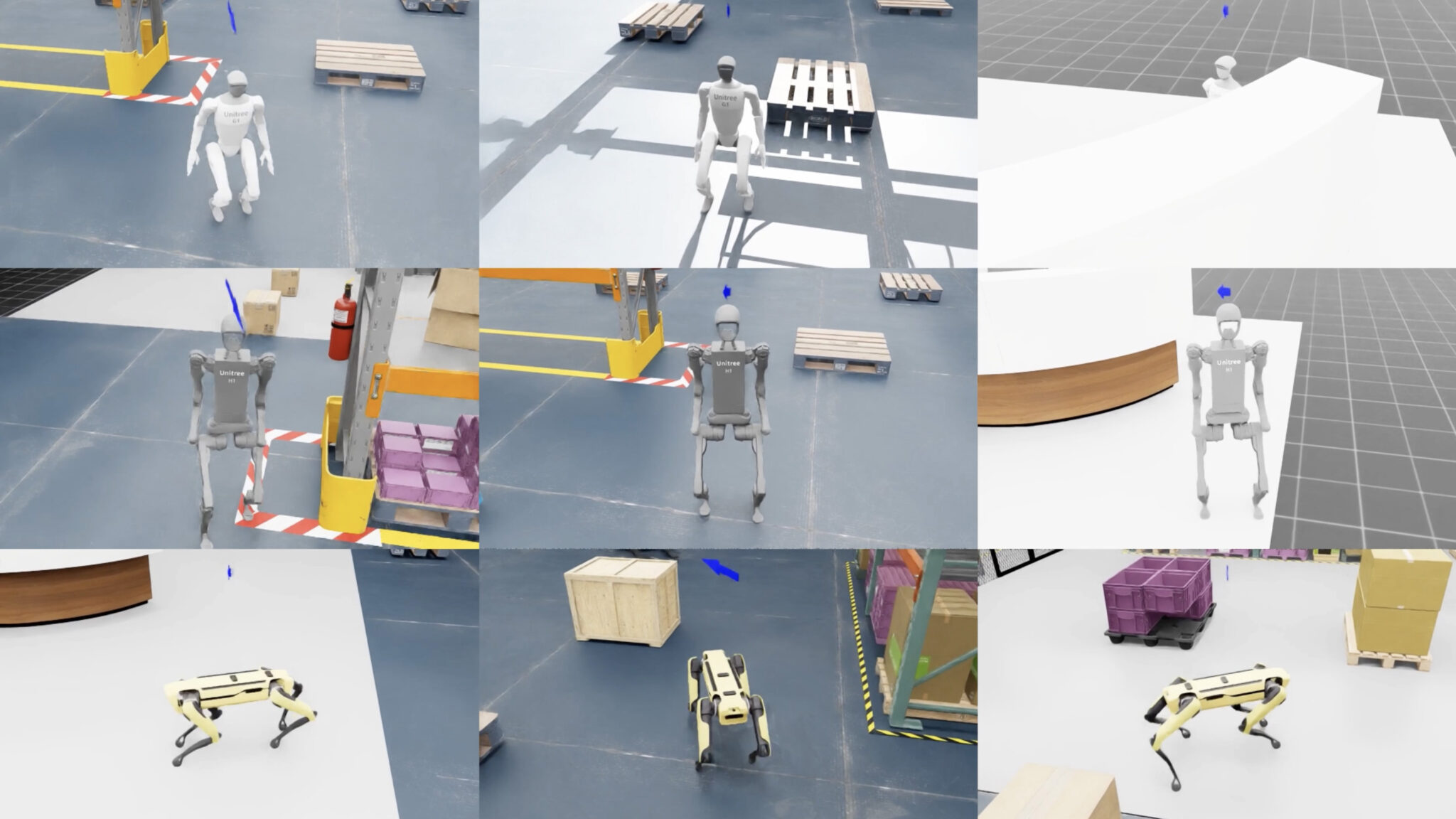
What makes a virtual agent capable is exposure to as many different environments as possible before it faces the real world.
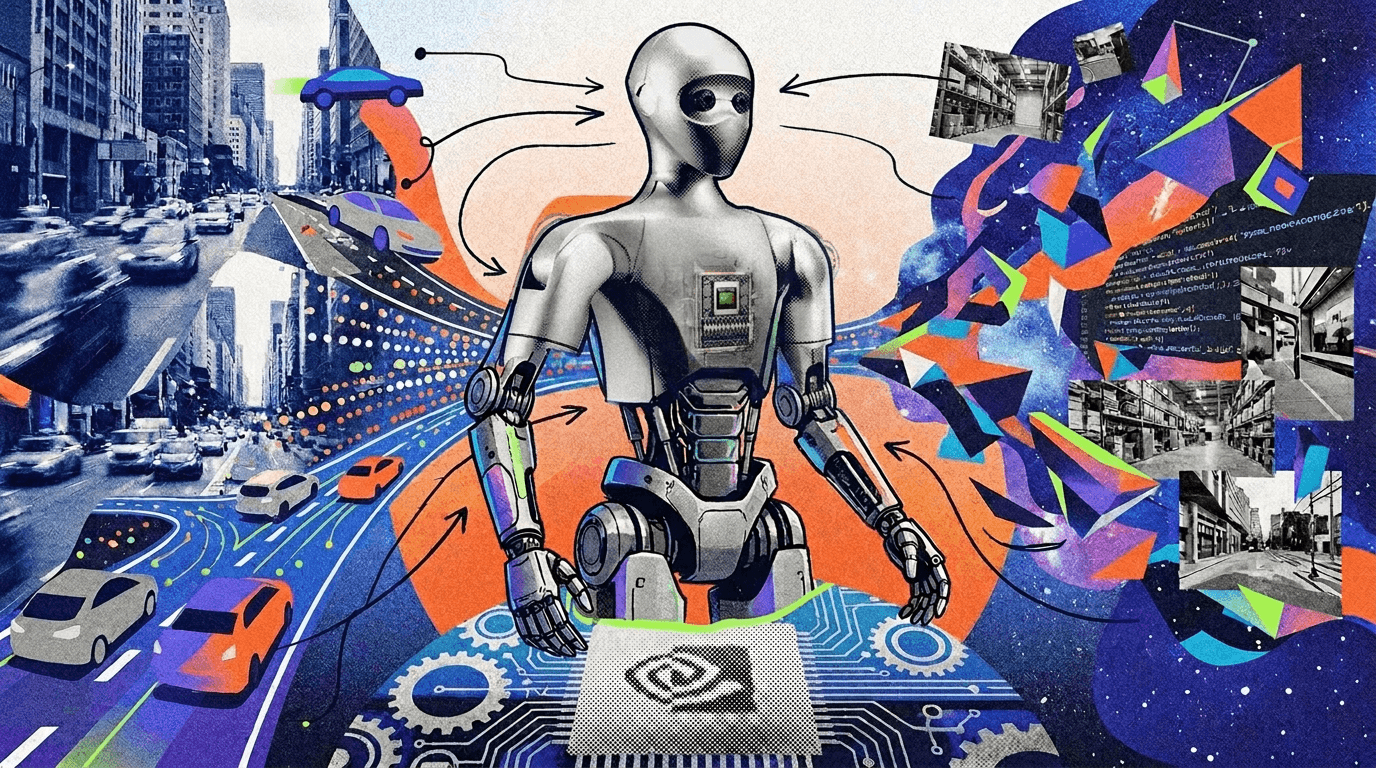
At this year’s Computer Vision and Pattern Recognition (CVPR) conference, NVIDIA Research is presenting three papers that address each of these challenges — and share a common theme: training at scale creates systems that generalize across diverse applications.
The three papers cover different challenges in physical AI research: