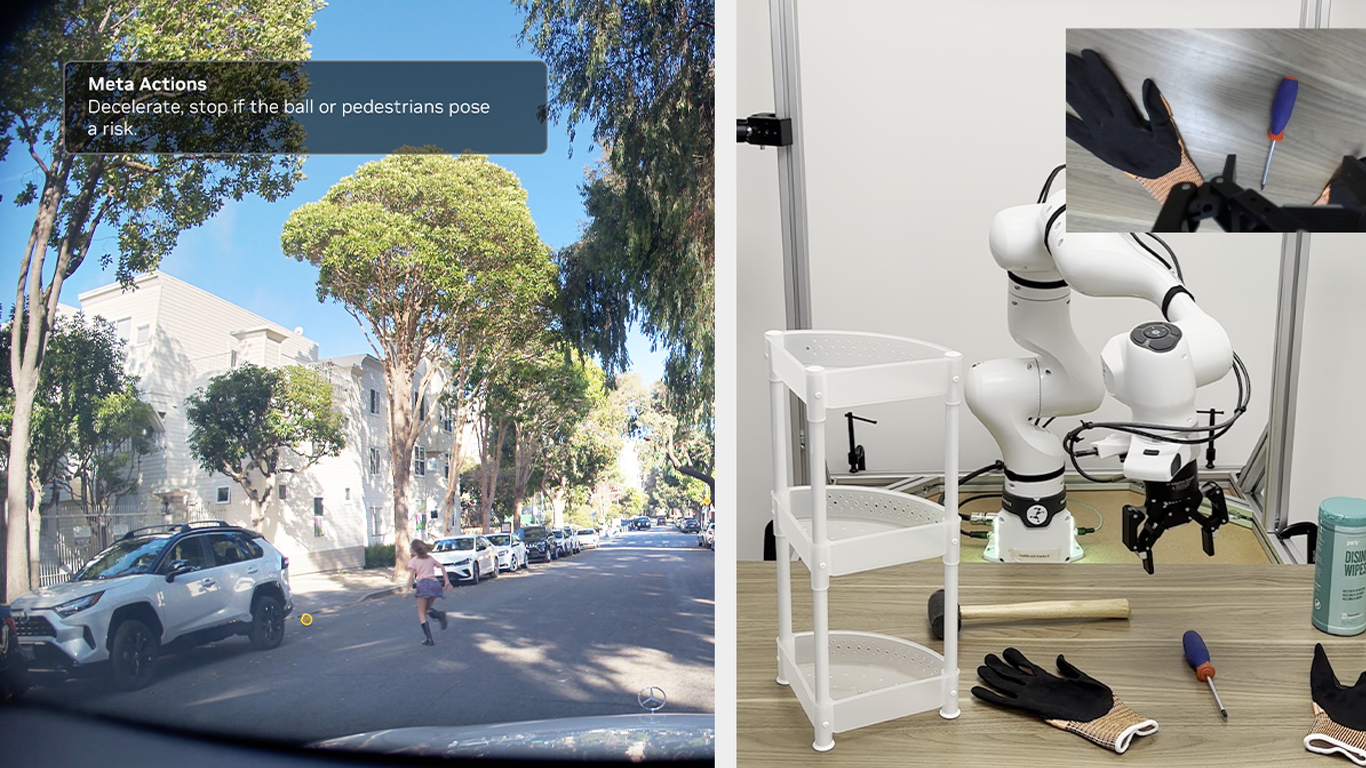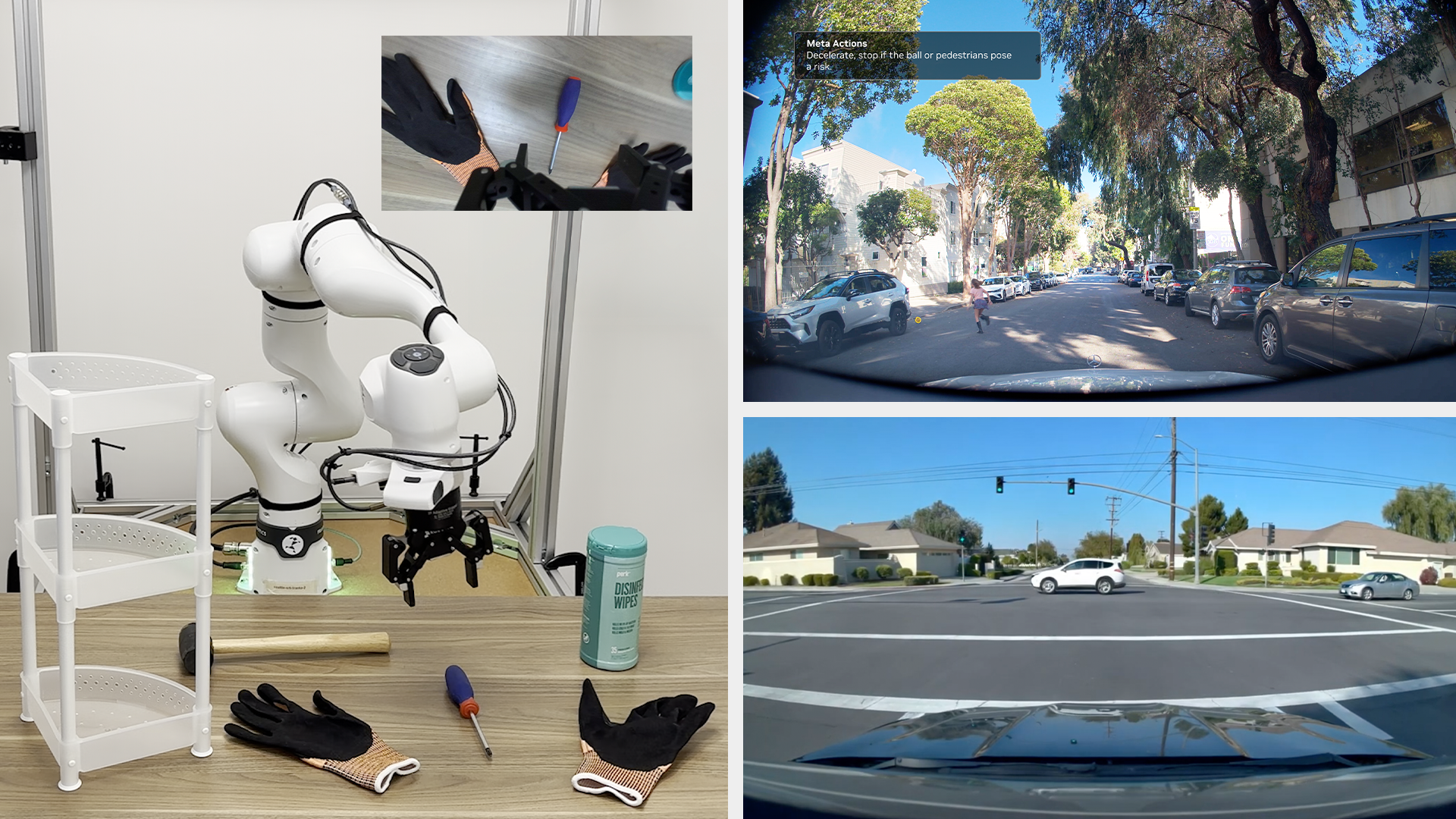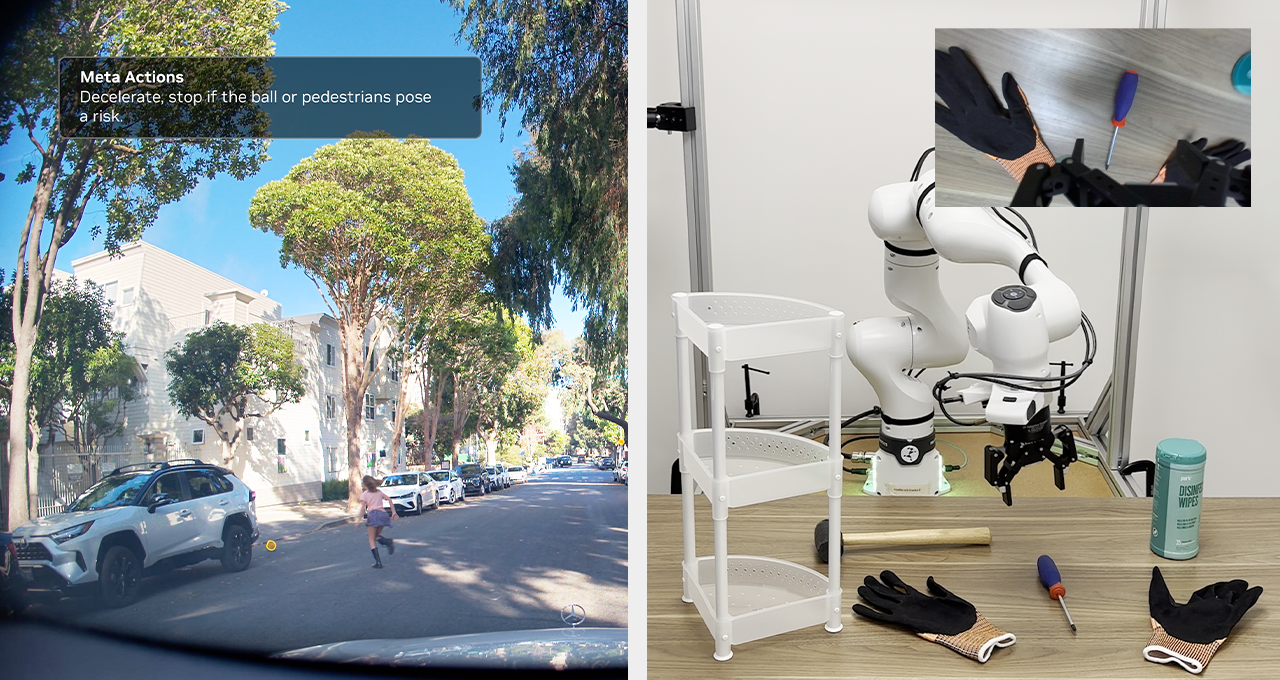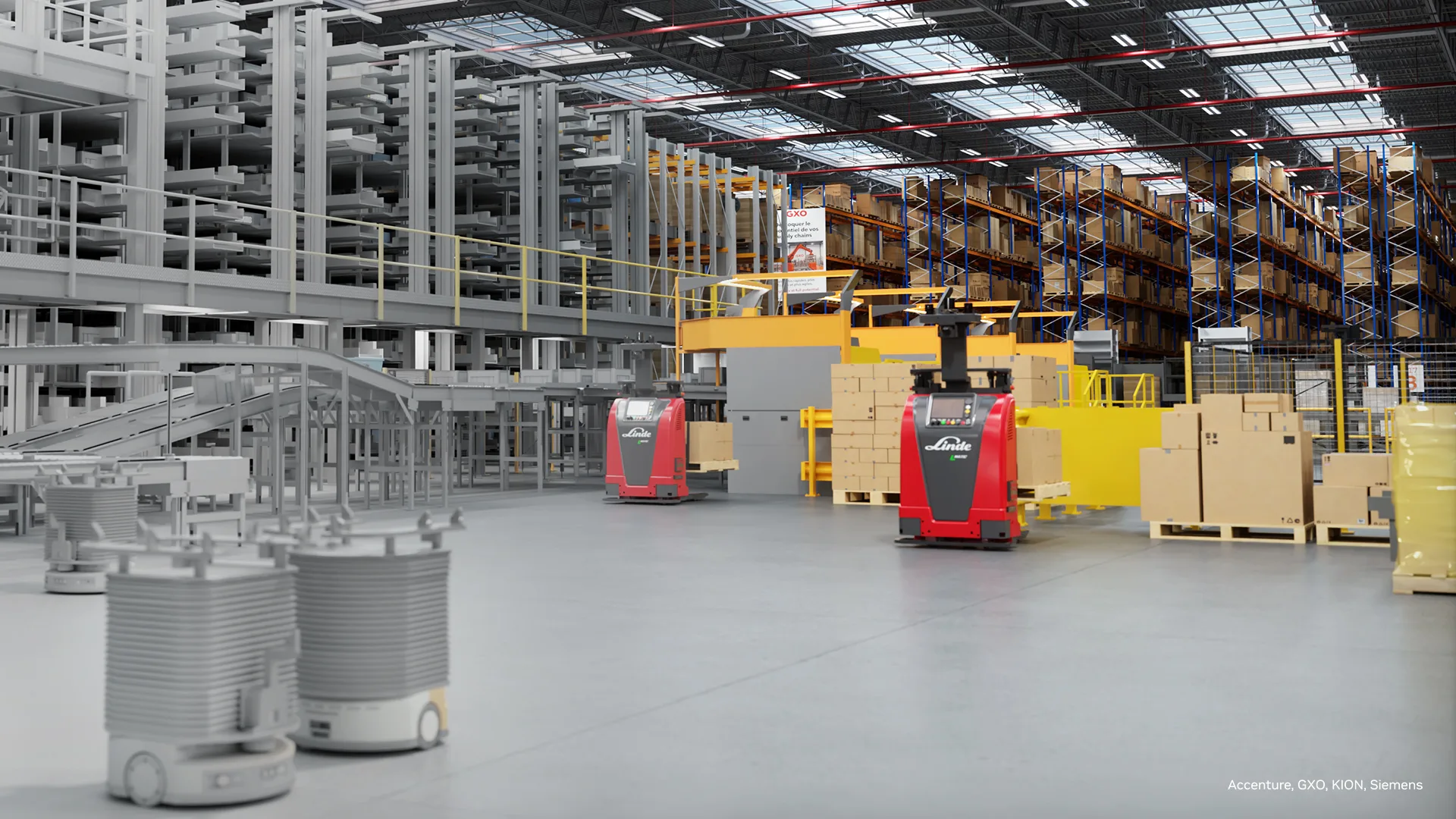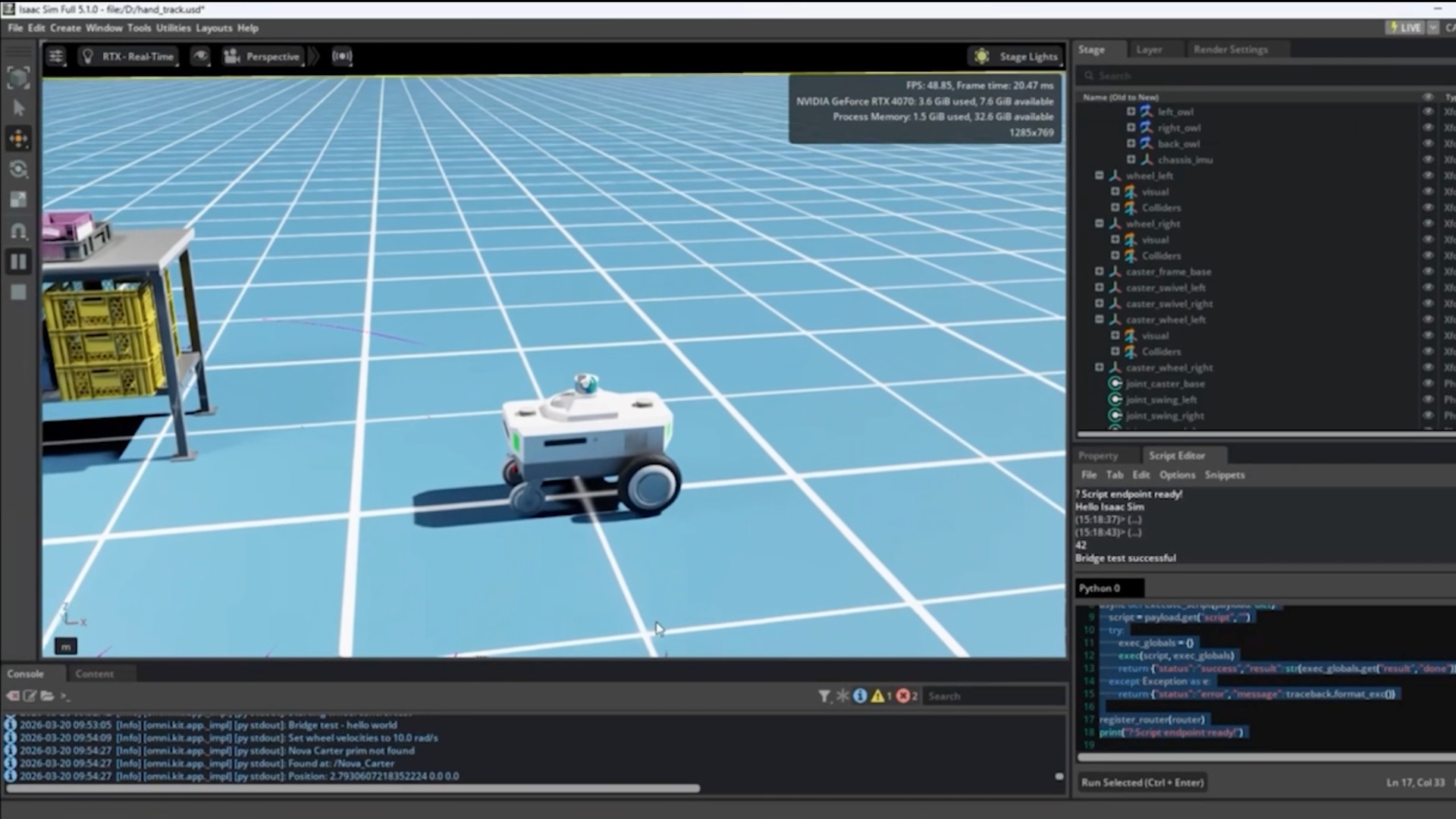
At CVPR, NVIDIA is unveiling new physical AI agent skills that help researchers and developers speed the development of autonomous vehicles, robots and vision AI systems.
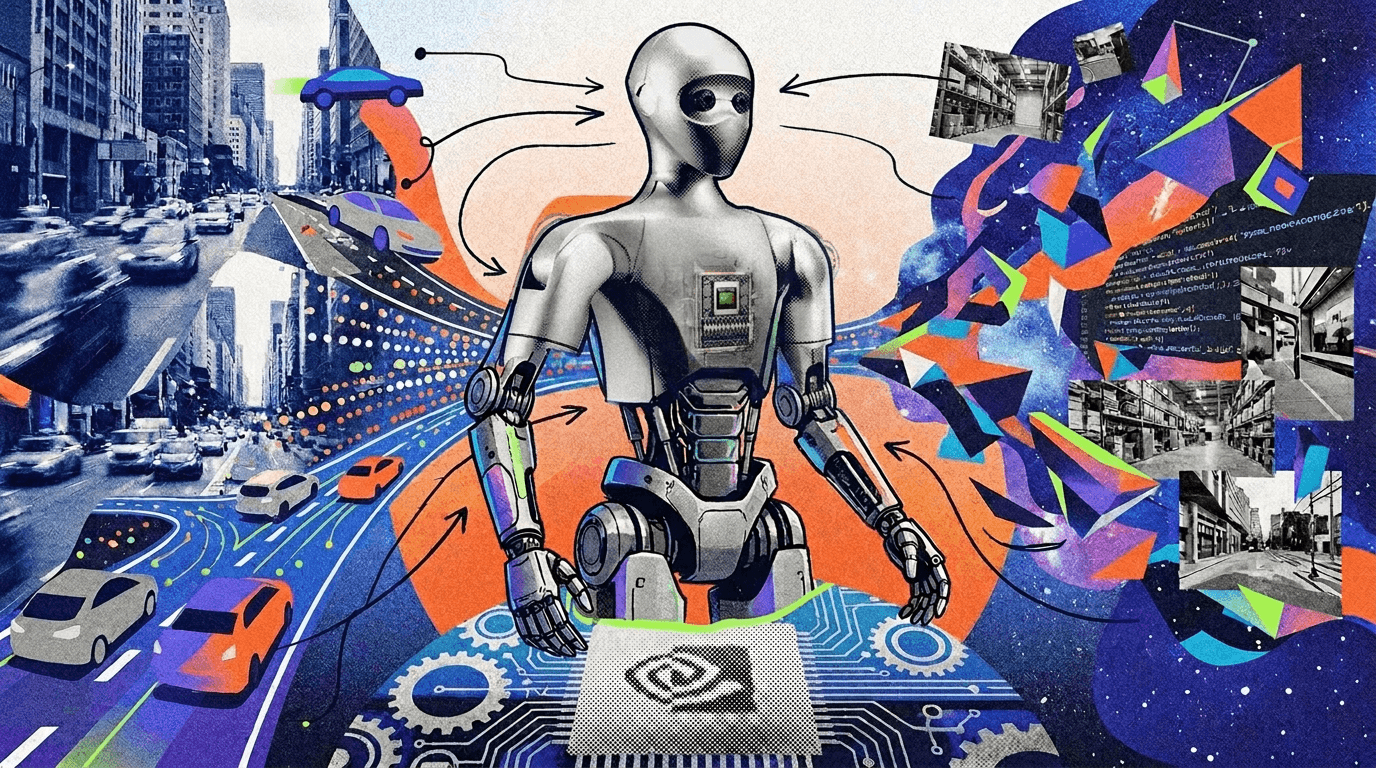
The core challenge in physical AI research isn’t simply developing stronger models. It’s building a full workflow around them — reconstructing real-world scenes, generating edge-case scenarios, training policies, evaluating behavior and rapidly iterating. Today, these steps are fragmented across separate tools, slowing the pace of experimentation as researchers struggle to piece them together.
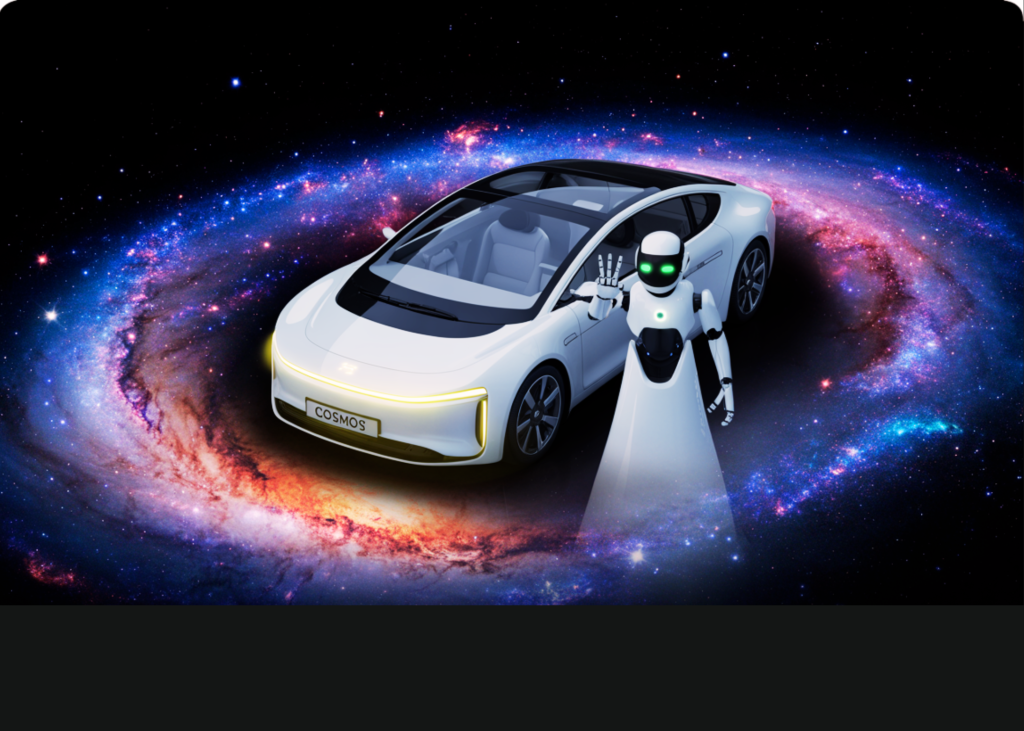
Earlier this week, NVIDIA announced NVIDIA Cosmos 3, the open frontier model for physical AI and the world’s first full omnimodel unifying vision reasoning, world and action generation. Leading across the open model public leaderboards central to physical AI, the world foundation model provides core capabilities for physical AI development. NVIDIA physical AI skills pair with Cosmos, NVIDIA libraries and simulation frameworks to help researchers move from model capabilities to scalable end-to-end workflows faster than ever.
Advancing Autonomous Vehicle Research Beyond Recorded Miles
For AV researchers, the problem is the “long tail” of driving — rare interactions, unusual road geometry, lighting changes and edge-case behaviors that are difficult to repeatedly collect, but critical for training and validation.