This Reading Room is a collaboration between MedPage Today® and:
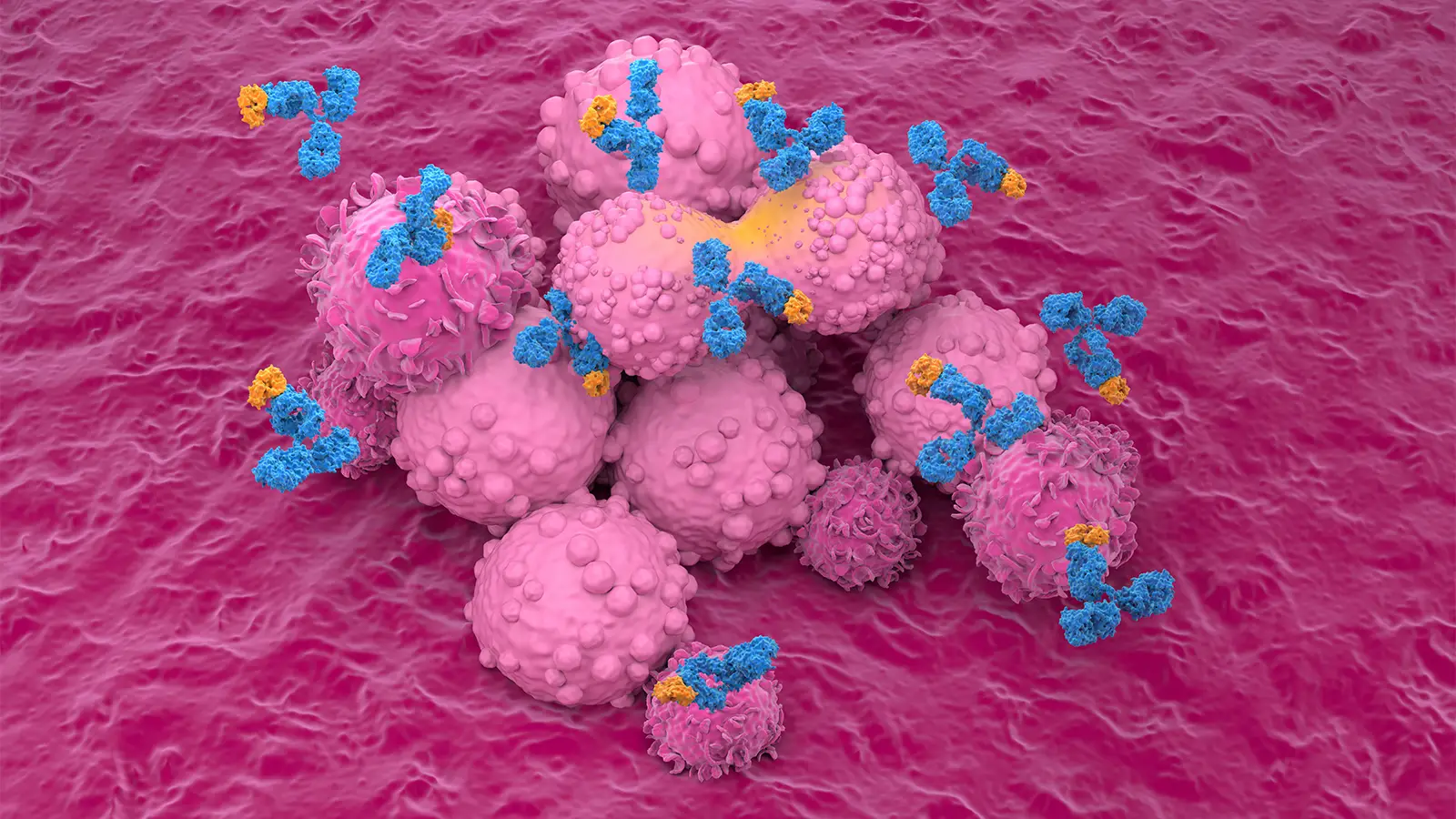
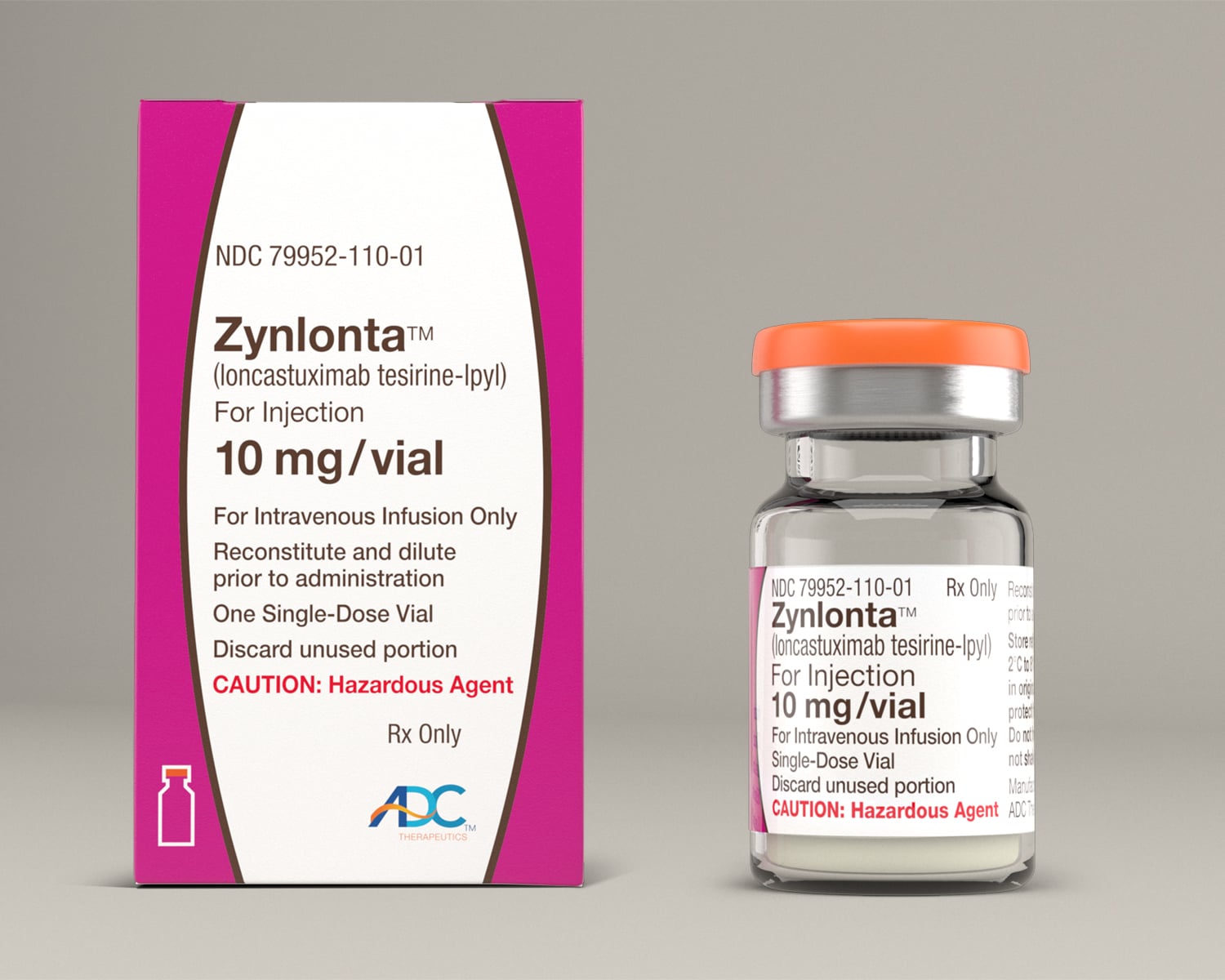
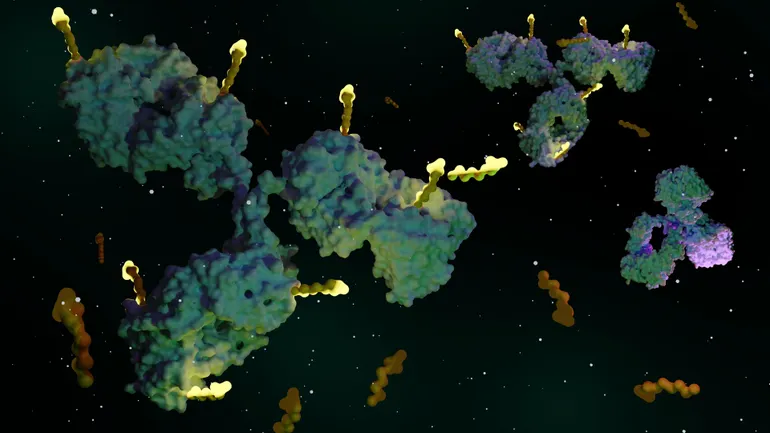
Antibody-drug conjugates (ADCs) integrate the targeting precision of monoclonal antibodies with the cytotoxic potency of highly active payloads, enabling selective drug delivery and reshaping treatment for gynecological cancers and other solid tumors. Authors of a review in the ASCO Educational Book called ADCs one of the most impactful therapeutic advances in modern oncology, fundamentally reshaping the treatment landscape.
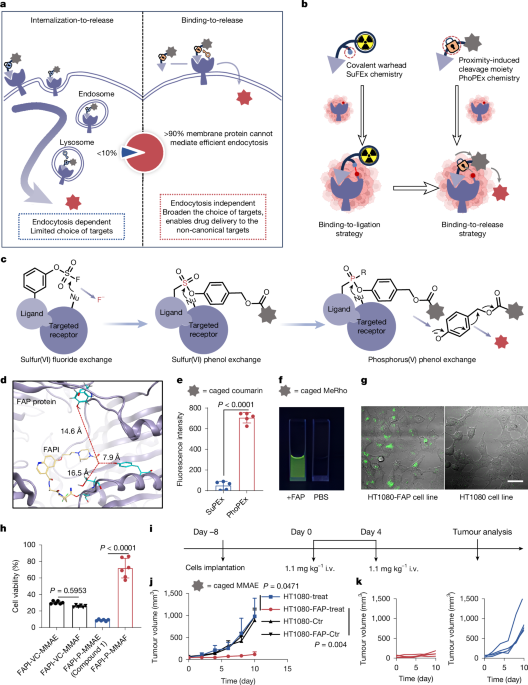
ADCs use chemical linkers to achieve selective delivery of highly toxic agents directly to cancer cells, while minimizing systemic exposure and off-tumor on-target toxicity, explained Giuseppe Curigliano, MD, PhD, of the Division of New Drugs and Early Drug Development for Innovative Therapies of the European Institute of Oncology in Milan, Italy, and colleagues.
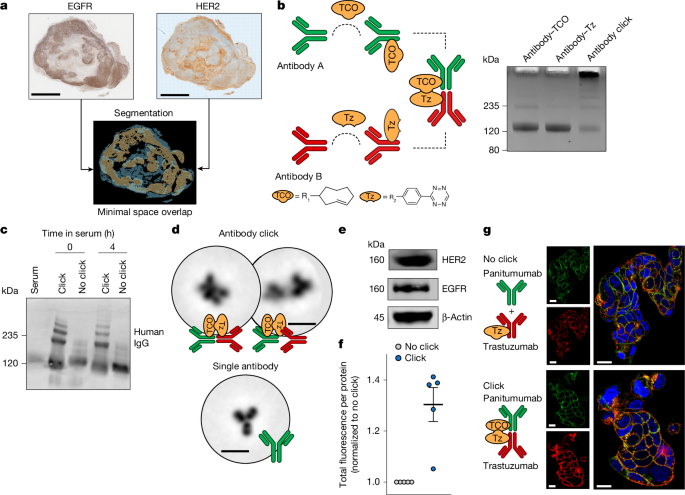
"Looking ahead, next-generation ADC designs, including bispecific and dual-payload constructs, offer the opportunity to directly address key limitations of current platforms, such as antigen heterogeneity and adaptive resistance," the team wrote. "Alongside emerging approaches such as conditionally activated ADCs and immune-stimulating compounds, these innovations signal a shift toward increasingly sophisticated ADC designs."