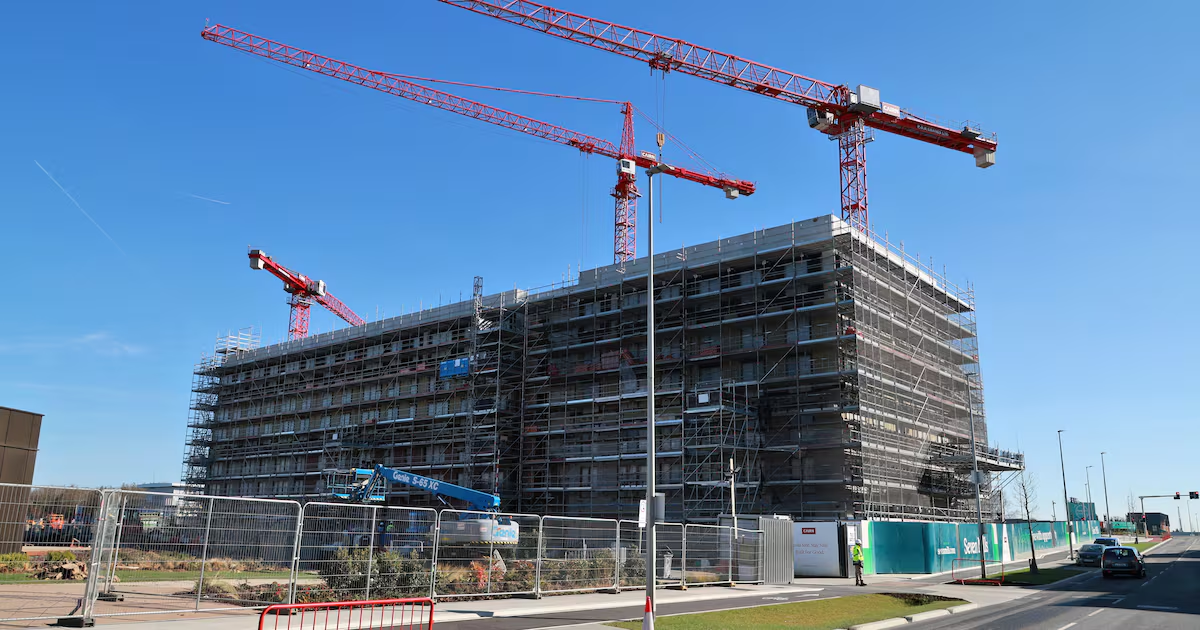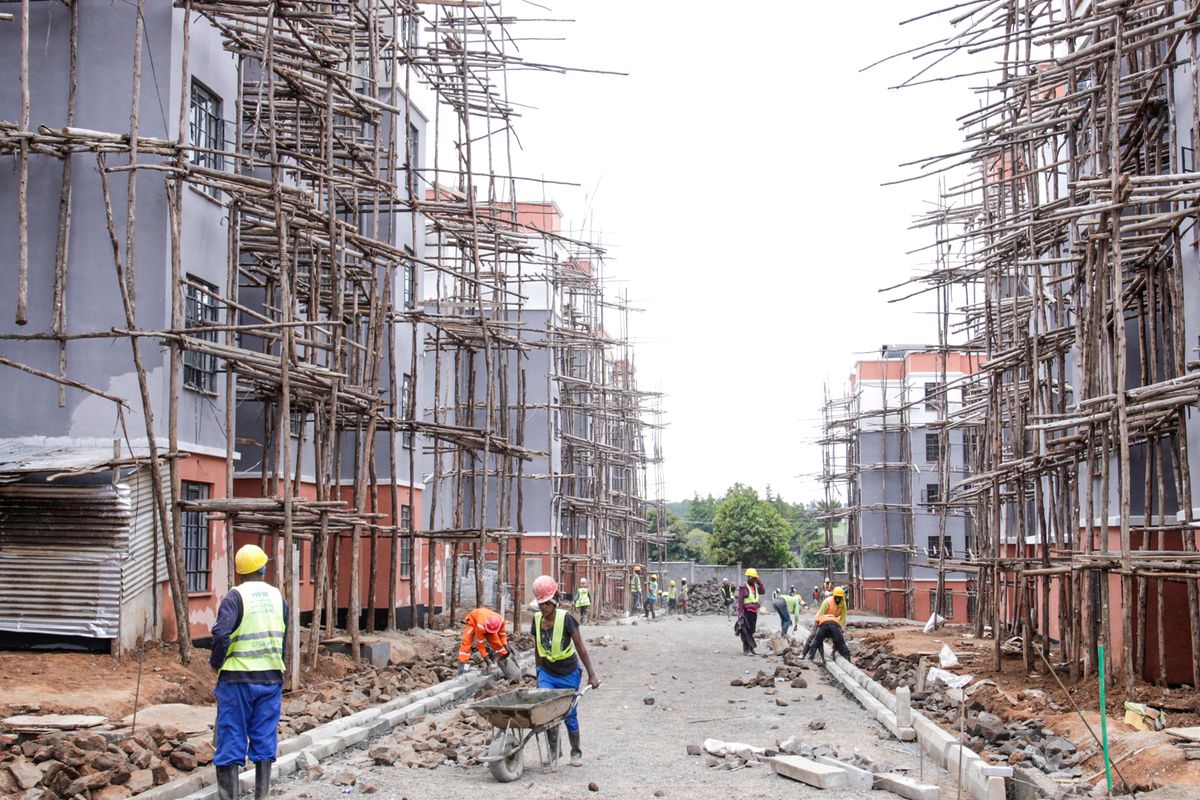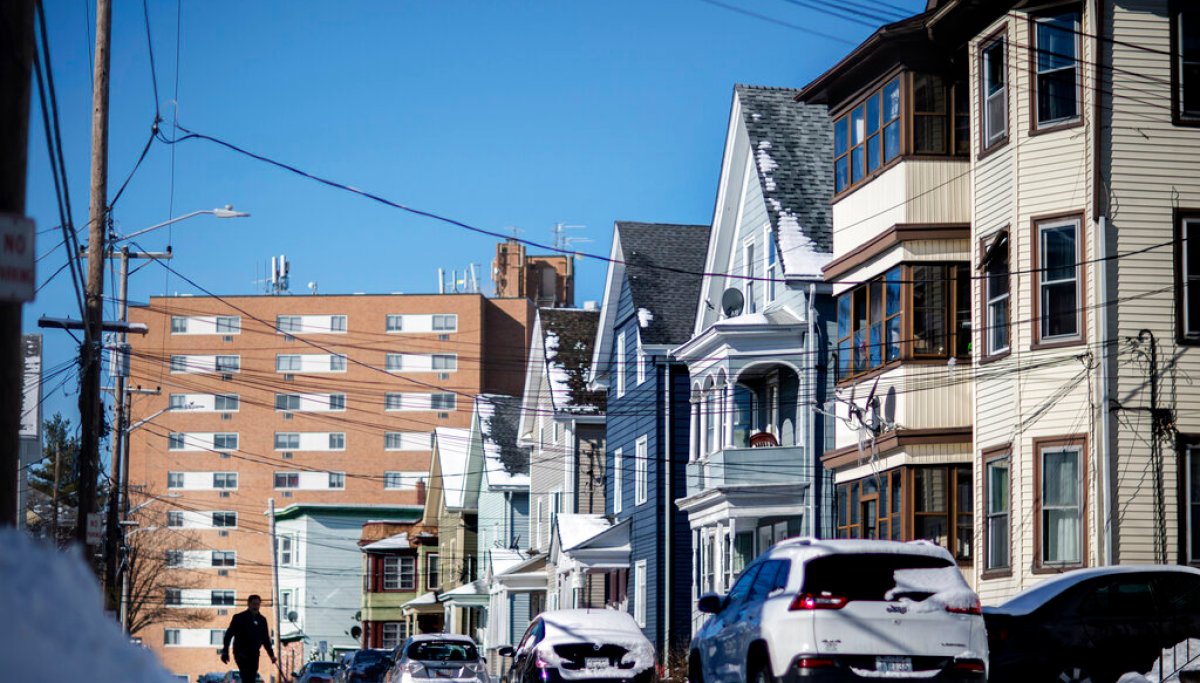
Rhode Island has spent an eye-popping $52.2 million to produce 200 rental units since voters approved a $120 million housing bond in November 2024, a local nonprofit research organization has revealed.The Rhode Island Public Expenditure Council’s 35-page report reveals the imprudence commonly found in government-financed housing initiatives. The Ocean State subsidized half of each rental unit’s development costs, which RIPEC found were almost 50% higher than in the private sector.Going back to 2021, the state has invested $522 million and is projected to produce just 2,207 affordable units, which is only about 10% of the state’s 23,222 housing-unit deficit.
Rhode Island’s $52.2 million blunder is the latest body in the big-dollar housing subsidy graveyard. Keynesian-esque, government-financed housing development has floundered nationwide.
In April, Chicago announced a $300 million taxpayer investment in a new $700 million plan to construct 798 units and preserve another 425. The plan will make 1,164 housing units affordable through Chicago Housing Authority apartments and low-income units designed for households earning one-third of the area’s median income.
The city’s announcement must be music to the ears of residents who pay the nation’s fifth-highest median rent. Chicago has spent $324 million under Mayor Brandon Johnson with 505 “affordable” units to show for it.