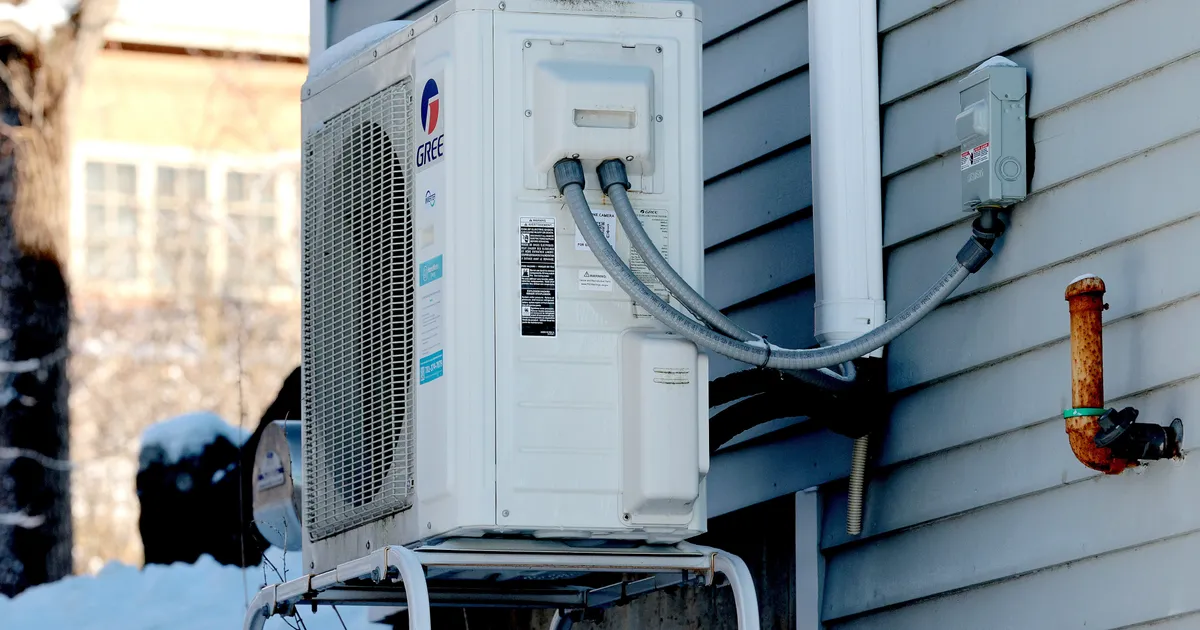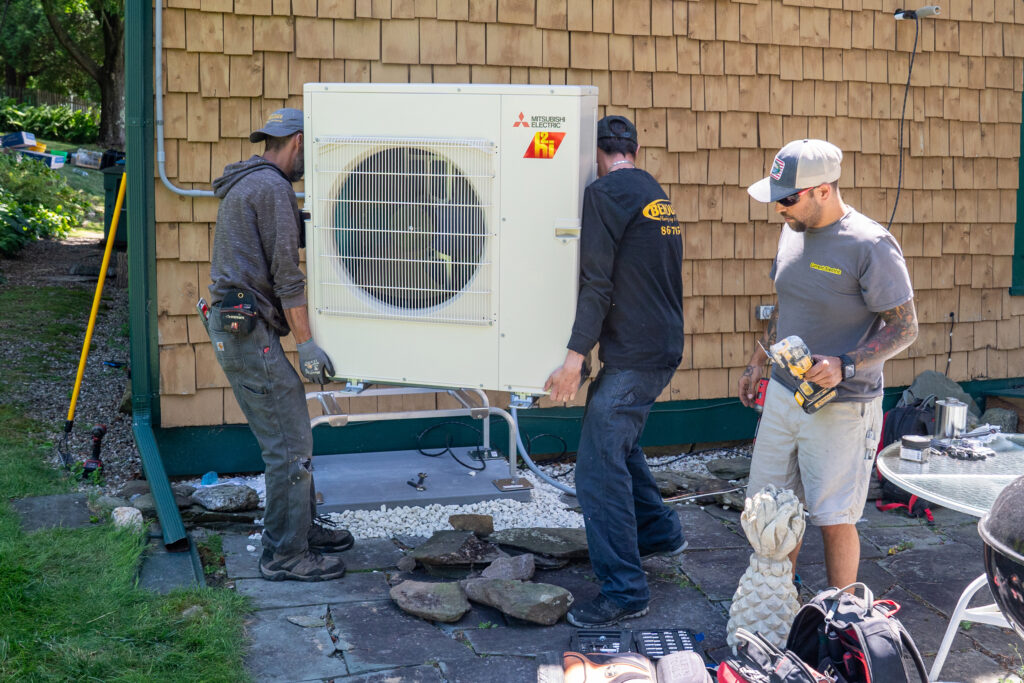
Rhode Island’s efficiency offerings include rebates on heat pumps and other energy-saving appliances, weatherization assistance, and related measures. These incentives save money for both participants and all other utility customers by reducing energy use — and thus reducing the need to fire up expensive peaker plants or invest in maintaining and upgrading the power grid.
Since 2009, Rhode Island has spent more than $2 billion on efficiency offerings, yielding more than $6 billion in societal benefits, according to a state report from June 2025. Efficiency programs also lowered electricity use by 5% between 2005 and 2024, per the report; without those measures, power use would have jumped 15%.
Rhode Island has historically been among the national leaders on efficiency. Still, this wasn’t the state’s first flirtation with shrinking funding for the sector. Rhode Island Energy, the state’s biggest utility, reduced its energy-efficiency spending by 18% last September, claiming it would save residents an average of $1.87 per month.
Such efficiency cuts, their critics say, are not justified by these modest savings. But the programs have proved politically vulnerable anyway, in part because they provide lawmakers a rare way to directly reduce energy bills.