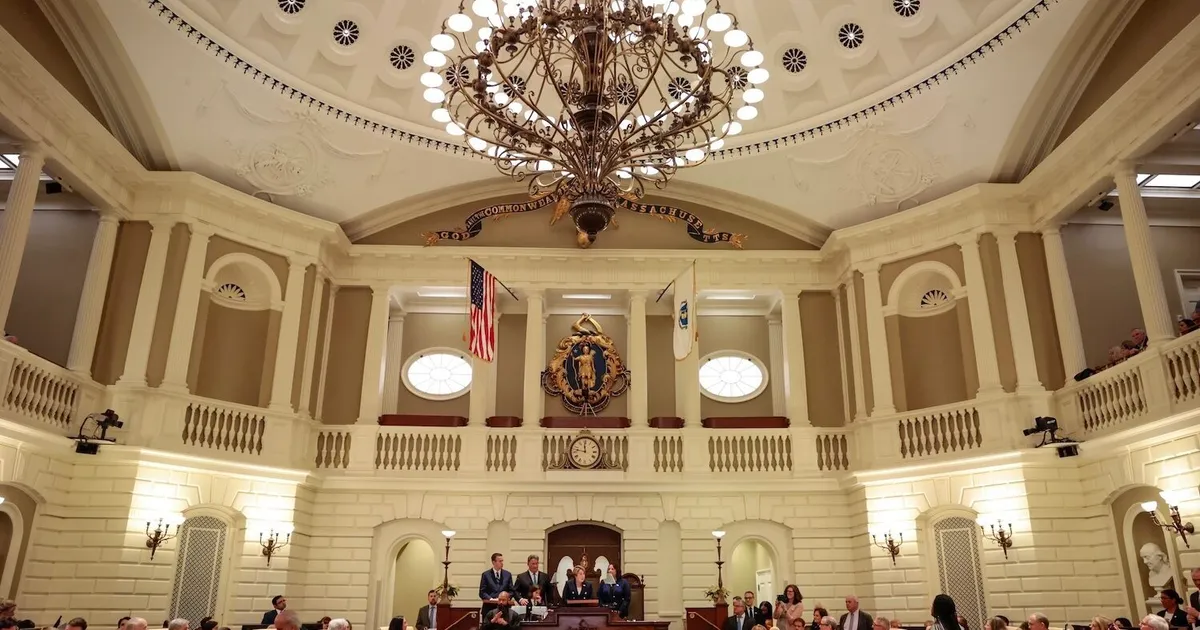
Reducing Massachusetts residents’ electric and gas bills has been a top priority on Beacon Hill this session. But as pressure mounts to lower energy costs, the House and Senate are eyeing different targets for cuts.In March, the House passed an energy affordability bill that would cut about $1 billion from Mass Save, the statewide energy efficiency program that subsidizes home upgrades such as heat pumps and insulation. The program is funded by surcharges on utility bills, which all ratepayers pay, regardless of whether they opt into the upgrades. Sen. Michael Barrett, D-Lexington — who chairs the Telecommunications, Utilities and Energy Committee — is looking for savings elsewhere as he crafts the Senate’s energy affordability bill. He said he hopes the Senate’s legislation can save ratepayers more than the House’s bill while preserving the state’s energy efficiency strategy.
“You don’t throw the strategy out when you need to help people with their bills. You get smart,” Barrett said. “You keep your mid- and long-term strategy intact, and you find a way to still provide people with shorter-term savings.”
To do this, Barrett proposes phasing out the Gas System Enhancement Plan, or GSEP.GSEP was created as part of the 2014 Gas Leaks Act. The program encourages utilities to replace leak-prone natural gas pipelines by allowing them to recover replacement costs more quickly. Gas customers pay for GSEP as part of their monthly bill. The charge is a line item in the Maintenance and Infrastructure Investment section of the delivery charges.