On any given night, thousands of people sleep on the streets in Portland, Oregon. They seek shelter in tents, bushes and overpasses in a city that has struggled with one of the worst housing crises in the country.
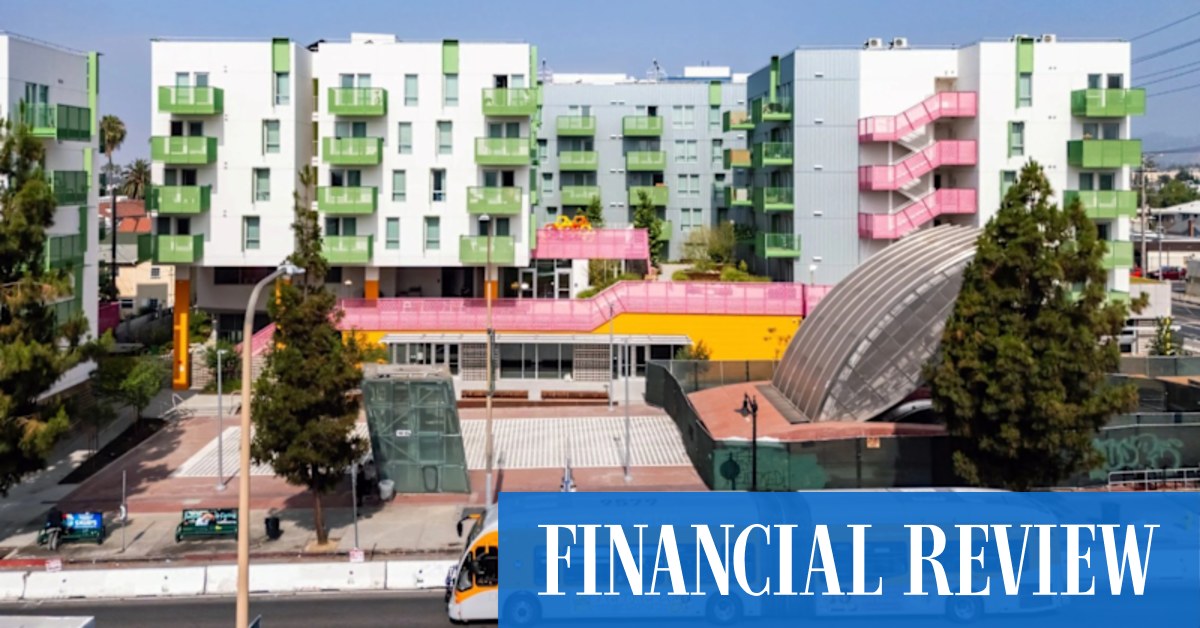
Portland, like many cities, has raced to increase its supply of affordable housing by turning to a federal program that’s existed since the 1980s: the Low-Income Housing Tax Credit. It provides up to $15 billion worth of tax credits a year nationally to help developers build apartments. Portland supplemented the federal construction money with local dollars, creating incentives that were hard to turn down.
But to meet the affordability requirements, all the developers needed to do in most cases was put rents within reach of someone earning 60% of median income, an earnings threshold that equates to about $75,000 annually for a family of four. It turns out that this amount of rent is now close to what the typical Portland landlord charges without any subsidy.
The result of the federal tax credit has been a glut of apartments costing renters on the order of about $1,400 a month for a one-bedroom. That’s a manageable outlay for a family making $75,000 but nearly half the monthly income of someone who earns $35,000 at the local minimum wage.