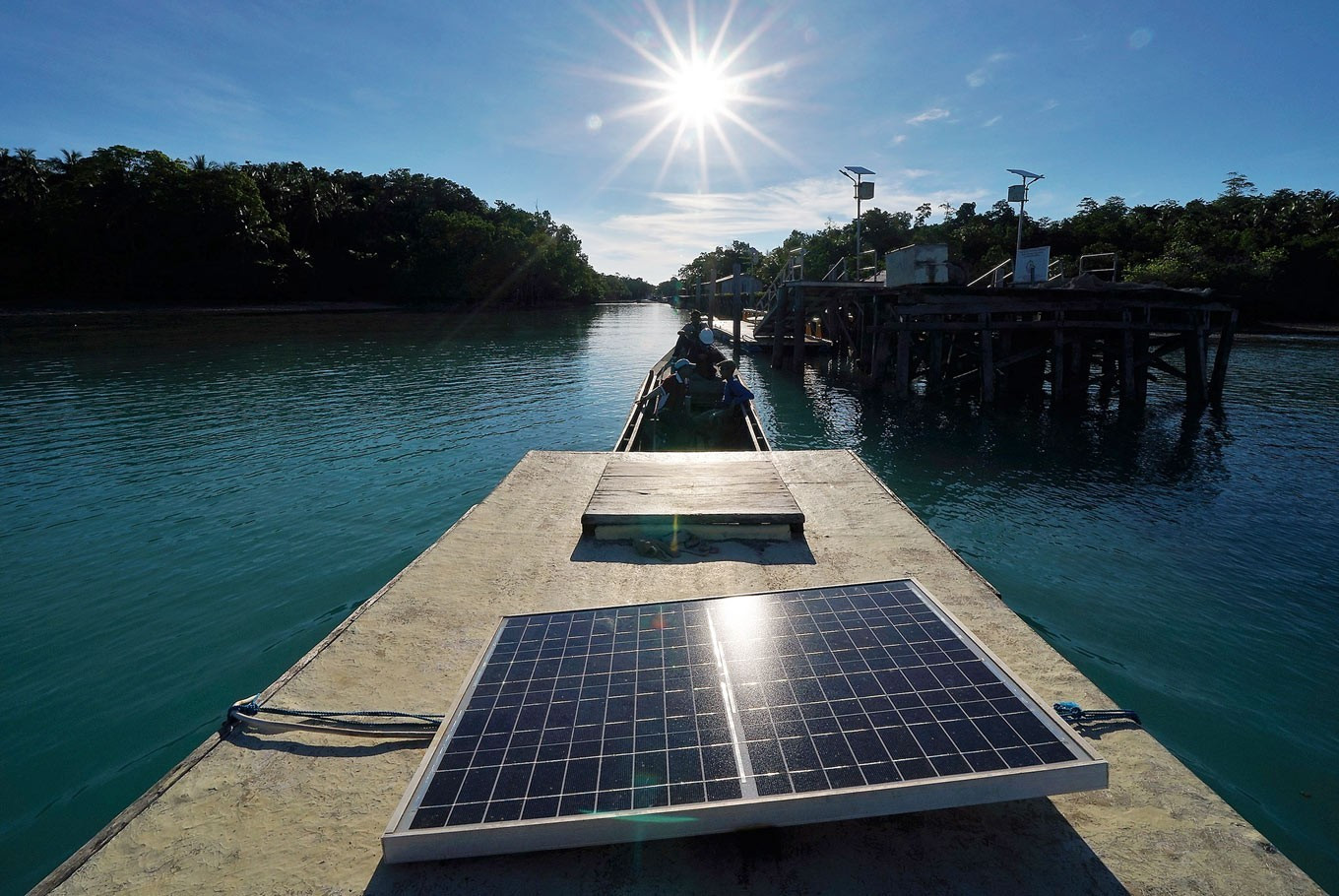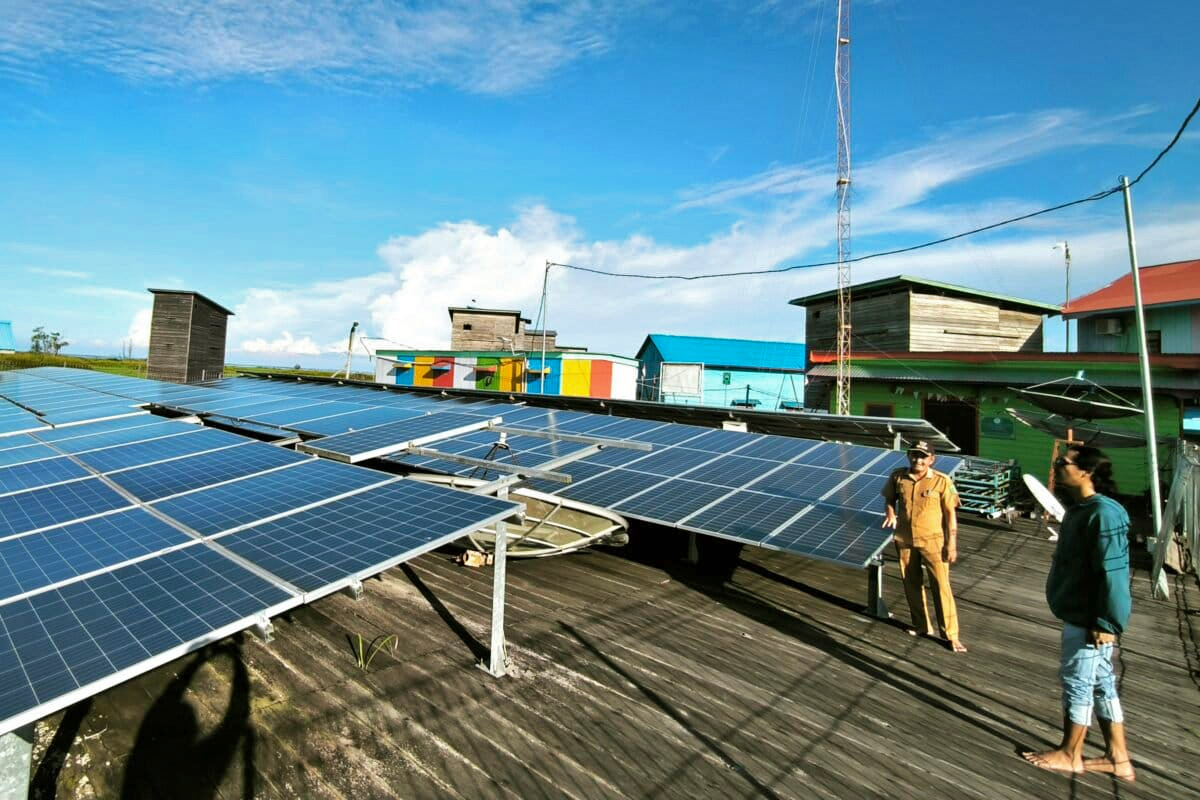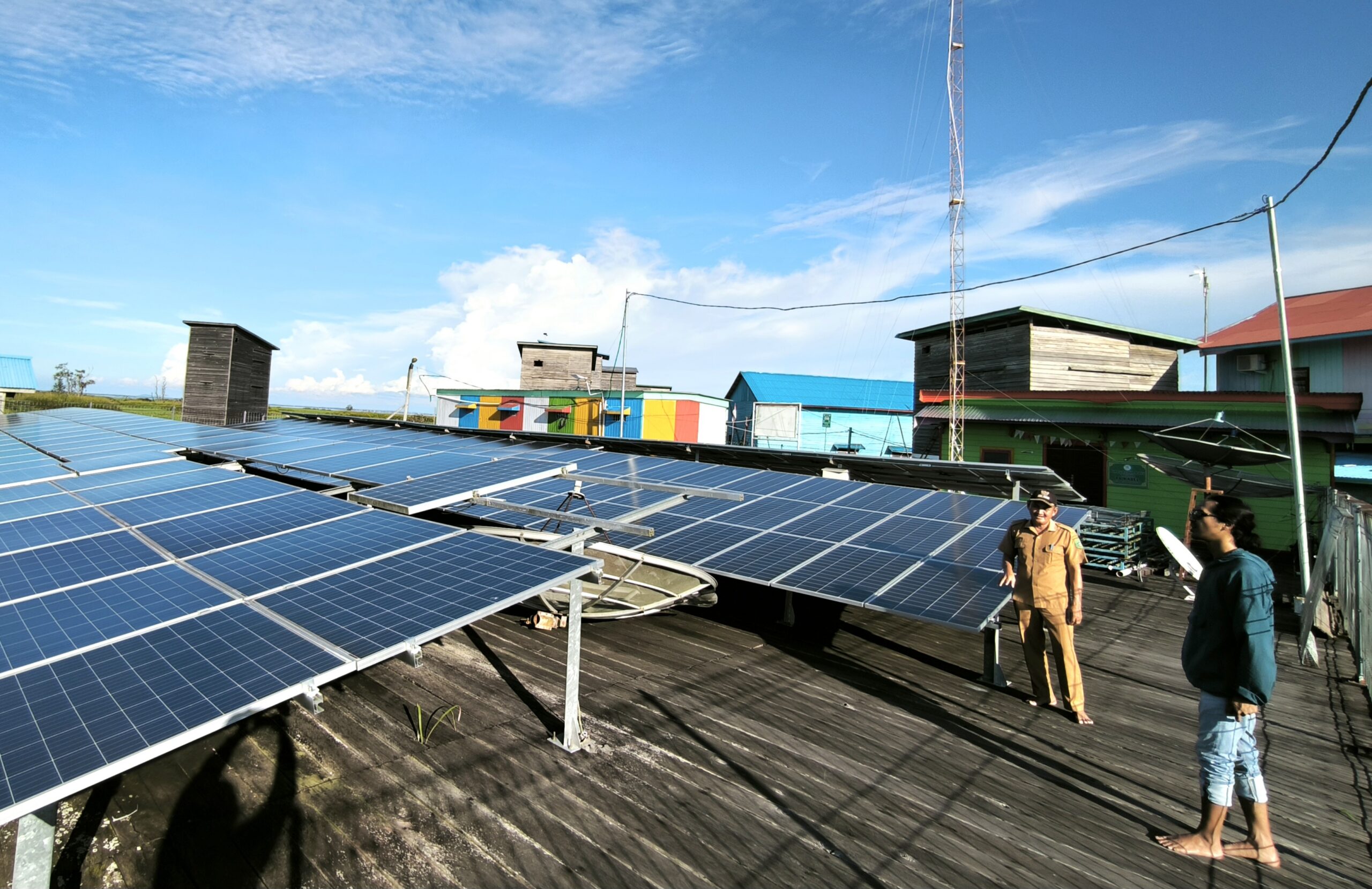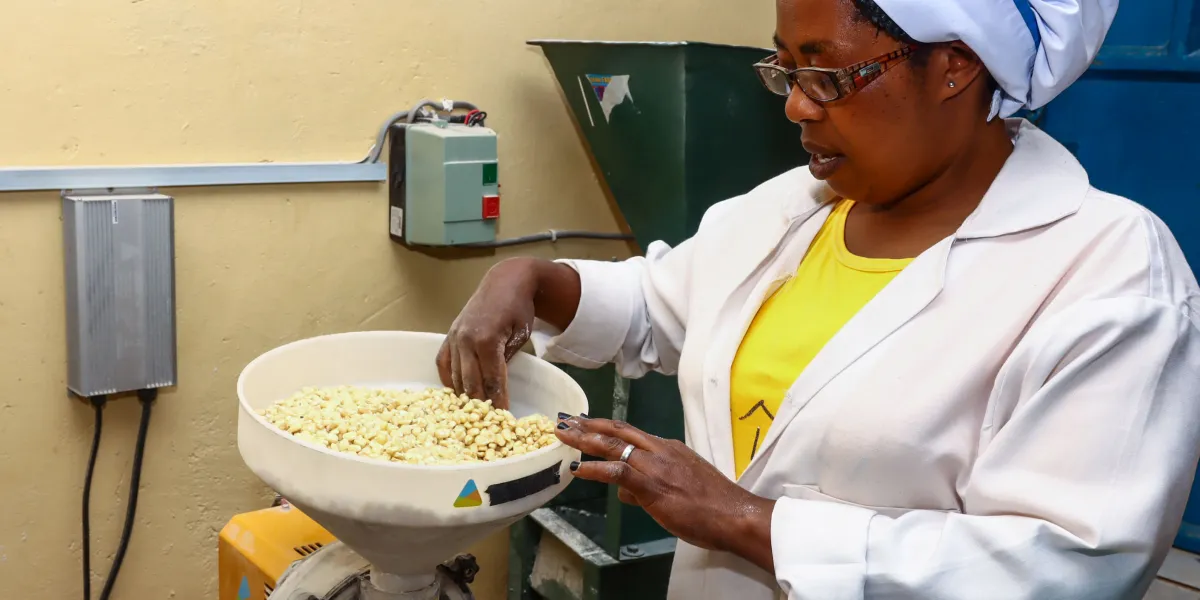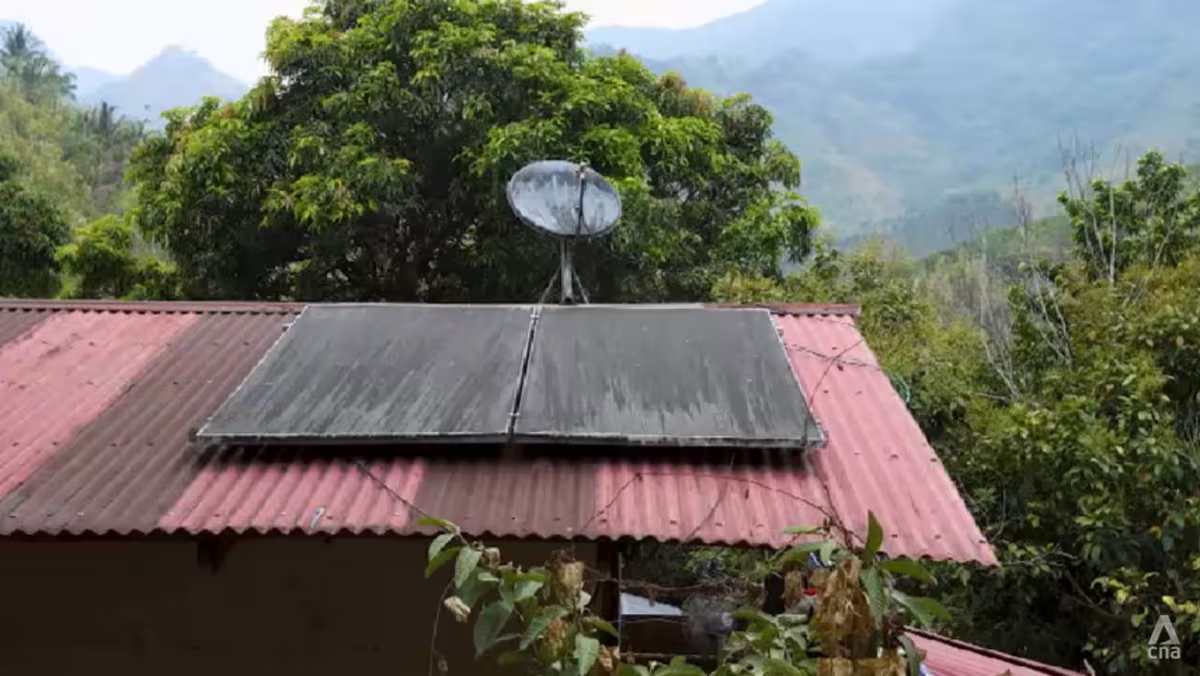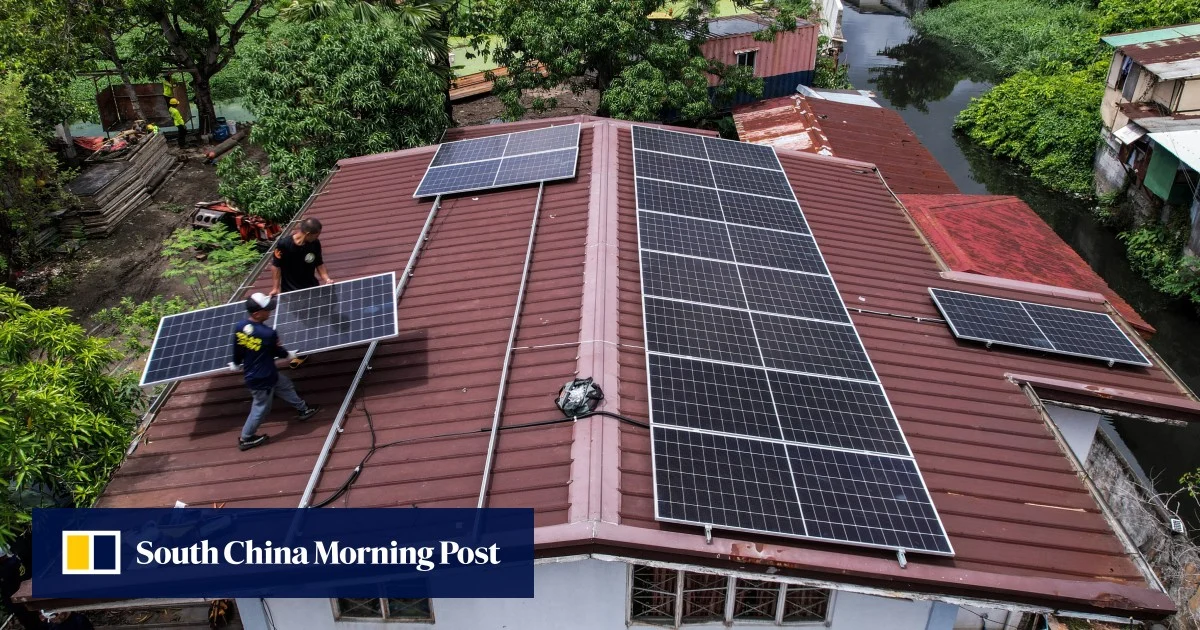
In the village of Muara Enggelam, East Kalimantan province, the arrival of affordable and reliable renewable energy has sparked a flurry of new businesses, some started by women who were previously unable to fulfil their economic ambitions.The remote village in Indonesian Borneo received its first installation of solar energy in 2015 following an allocation from Indonesia’s energy ministry.The electricity capacity remains limited, but households have been able to start small businesses selling food and drinks, while mobile internet has expanded market access via social media platforms.However, across the archipelago of 270 million people, the energy transition appears to have stalled in rural villages using solar, which a report authored by civil society organizations Celios and Greenpeace attributes largely to government fossil fuel subsidies.
KUTAI KARTANEGARA, Indonesia — Asniah recalls nights lying in darkness listening to cicadas and the passing hum of outboard motors after her family moved to Muara Enggelam in the 1990s, an over-the-water village in the interior of Indonesian Borneo, cut off from basic services.
Around the turn of the century, a handful of homes in Muara Enggelam acquired diesel generators, bringing electric lighting for the first time to the timber stilt houses that still line the last mile of the river where the Enggelam meets Borneo’s Lake Melintang.