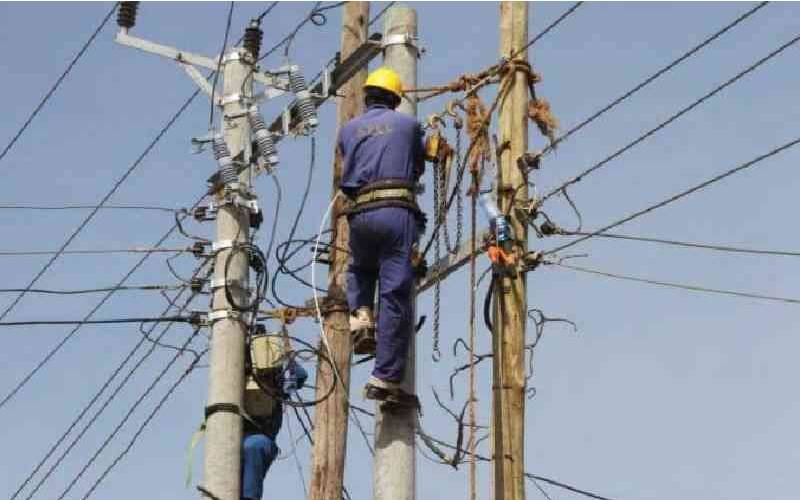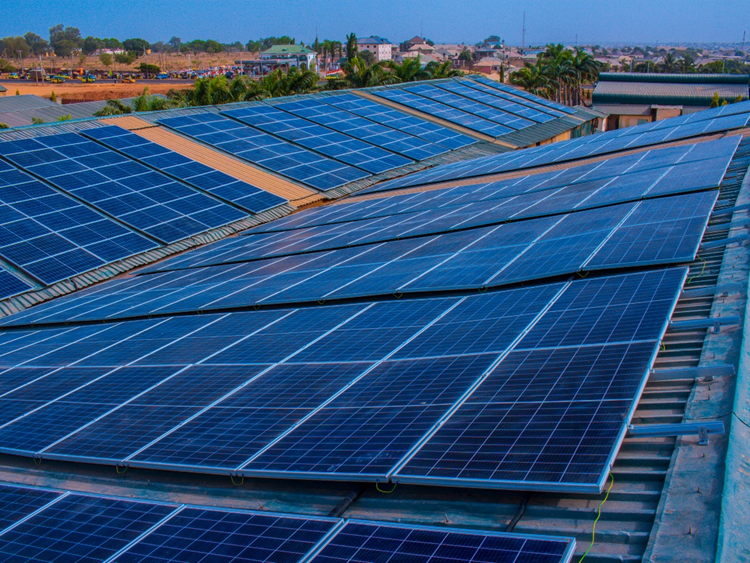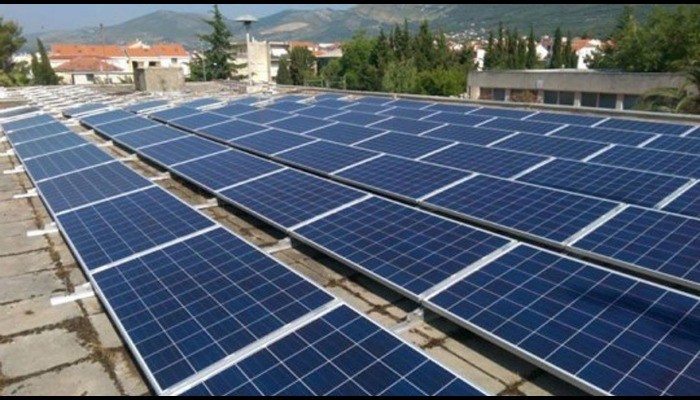
__________________________THE PLACENairobi, Kenya Most of Kenya’s power grid runs on renewables. But with 25% of communities lacking centralized electricity, the nation is looking to off-grid solar to hit its goal of delivering universal electricity access by 2030 without driving up emissions. The ever-improving economics of solar technology have helped. A couple of years ago, a panel cost about $3 a watt; now it’s down to cents. On the margins of a bustling Nairobi, we wind past a mix of high-rises and hardware shops interspersed with small plots growing corn or potatoes. After a few minutes, we arrive at a street-side stall run by the bespectacled Milcah Wanjiru. She sells plenty of half-liter packets of milk, loaves of bread, and matches, but Wanjiru’s core business is a service: She mills corn flour for local residents, which they most often use in ugali—a common Kenyan dish that is similar to polenta, albeit less creamy. In the middle of her small shop, a milling machine stands on three adjustable legs. “Whenever customers came to mill their grain, they asked for other goods,” says Wanjiru, “and this is how I got to stock these other items.” Shops with a grain mill are common here in rural areas and most neighborhoods, especially low-income ones—even in the city. But most of these mills burn diesel fuel. Hers? It runs on either solar energy or electricity from the grid.
Entrepreneurs in Nairobi make the case for going solar
For one shopkeeper, a solar-powered grain mill is transforming her ability to maintain a thriving business.
551 words~3 min read