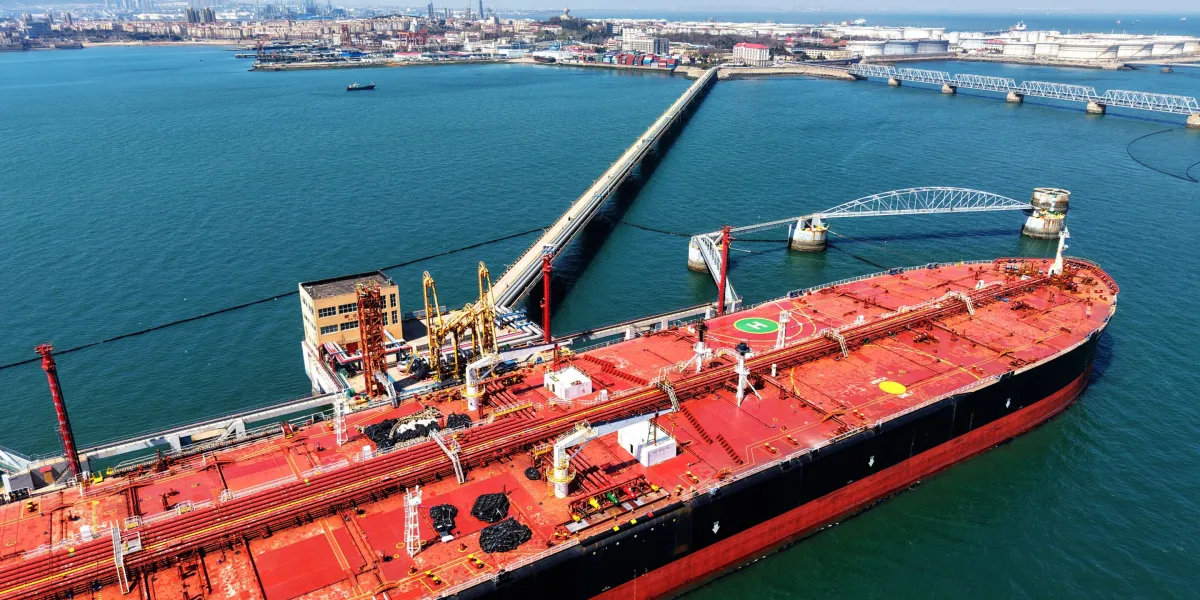
Chetan Ahya of Morgan Stanley says a China-driven supply realignment and a powerful capex boom are cushioning Asia from energy price shocks, but India faces a distinct capital outflow problem that needs urgent fixes.The supply shock that didn't shockWith roughly one-fifth of global crude and 30–40% of global gas supplies disrupted by the West Asia conflict, most analysts expected a severe energy price spike. That spike hasn't materialised, and according to Chetan Ahya, Managing Director at Morgan Stanley, two structural shifts explain why.China has cut its gas imports by 45%, activating coal gasification and improving thermal power utilisation, and slashed oil imports by 30%. Simultaneously, US crude exports have surged. Together, the swing from these two giants has effectively added 7.5 million barrels per day to global supply availability, equivalent to 7.5% of total world consumption, providing a powerful natural buffer.ETMarkets.com"The strength of the industrial super cycle is overwhelming the downside from rising oil and gas prices across the region," says Ahya.The supercycle absorbing the shockEven where energy prices have risen, Asia's economies have proved more resilient than forecasters expected. Ahya attributes this to a broad-based industrial capex supercycle, which he says is running across four key sectors: AI and digital infrastructure, energy, defence, and general industrial investment. Capacity expansion in all four is being fuelled by the global push to onshore supply chains. Ahya expects these high-growth sectors to compound at 10% annually in dollar terms, sharply above the 2.5% overall capex growth seen in the region over the past three years.You Might Also Like:Asian governments have also shielded consumers via fiscal intervention, absorbing the gap between a 50–55% rise in crude prices in local currency terms and allowing only a 17–20% pass-through to retail fuel prices.India's earnings gap, and the capital outflow problemWhere India diverges from its regional peers is in earnings growth, which has lagged significantly and triggered a reallocation of foreign capital into North Asian markets.ETMarkets.comTo reverse this trend, Ahya recommends a targeted set of near-term measures. He proposes the RBI offer 200 basis points of hedging cost protection for banks and state-owned enterprises raising external commercial borrowings, which he believes could generate significant capital inflows quickly. On the structural side, he argues India should eliminate capital gains tax for foreign investors on a prospective basis, a move used by most developed economies, and scrap withholding tax on interest income for foreign debt holders, a levy that currently yields just three basis points of GDP in revenue.You Might Also Like:"It is the game everybody is playing," Ahya noted, stressing that competing for global capital requires matching the terms other markets already offer. The longer-term fix, he added, lies in accelerating You Might Also Like:
Asia's industrial supercycle is outpacing the West Asia oil shock: Chetan Ahya, Morgan Stanley
A China-driven supply realignment, cutting gas imports by 45% and oil by 30%, has effectively added 7.5 million barrels daily to global markets, neutralising energy price fears. Morgan Stanley's Chetan Ahya argues a broad-based capex boom across AI, energy, defence, and industrial sectors is powering Asian growth, while urging India to slash foreign investor taxes to stem capital outflows.
448 words~2 min read