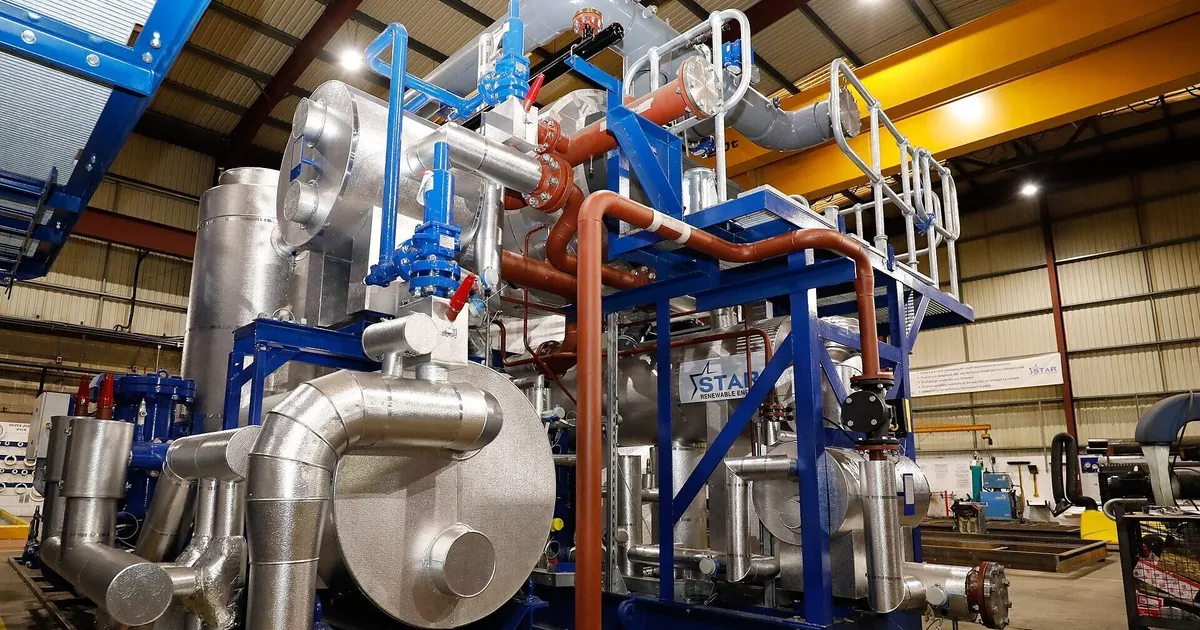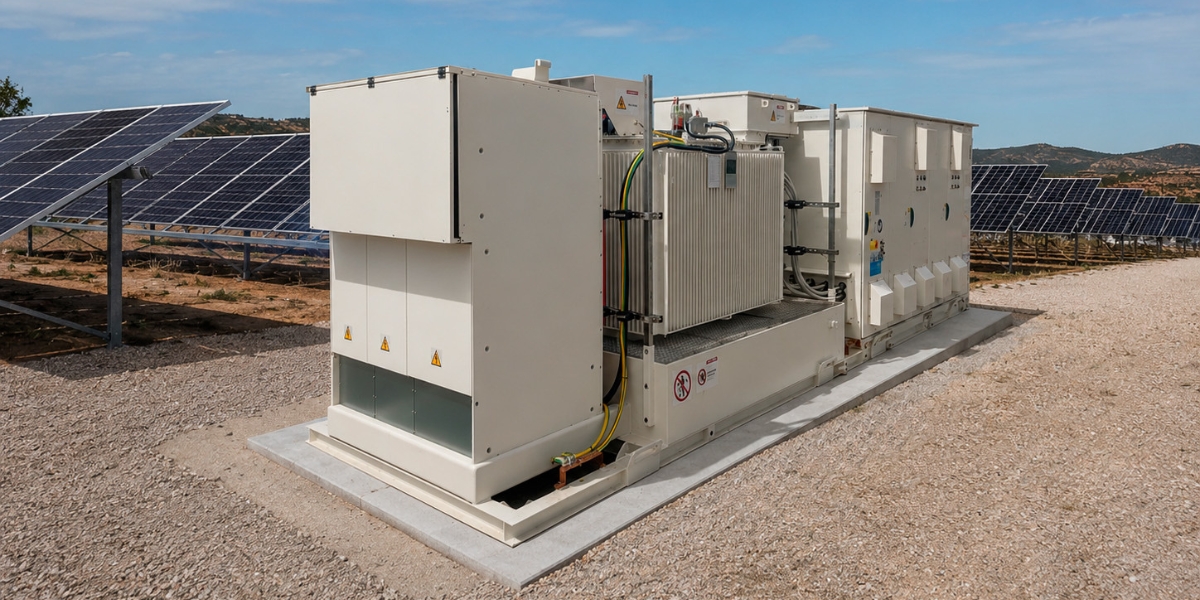
Compared with mineral oil, natural ester fluid enables the design of more compact, lighter, and thermally efficient transformers, helping photovoltaic applications reduce footprint, installation complexity, and overall project CAPEX compared with conventional mineral oil solutions.
In the history of fluid-immersed transformers, mineral oil has long been used due to its wide availability, closely linked to the extensive development of the petroleum industry. Today, alternative natural ester fluids like FR3TM fluid – manufactured by Cargill – are well known and largely chosen for use in the renewables sector. Compared with mineral oil, FR3™ fluid offers higher thermal class capability, better preservation of the insulation system, and high overload tolerance.
The advantages of FR3TM fluid potentially allow higher permissible temperature rises in both oil and windings. When combined with thermally upgraded (TU) paper, it is possible to achieve a thermal class of 140 C in accordance with both IEC and IEEE product standards. This requirement can be effectively met by using FR3 TM fluid, while a mineral oil alternative would be either unfeasible or not cost-effective.
For example, if a customer is evaluating achievable power density using mineral oil or natural ester, they may set a goal to remain within the following dimensions: L = 1950 mm , W = 1300 mm , H = 1950 mm. Using mineral oil, the maximum feasible power rating is 3100 kVA. By switching to natural ester, it is possible to achieve 4000 kVA within the same dimensions. This means nearly 30% higher power density. The reduction in dimensions can substantially reduce CAPEX – including lower installation, civil works, and fire protection costs – while also potentially reducing OPEX through lower maintenance requirements.