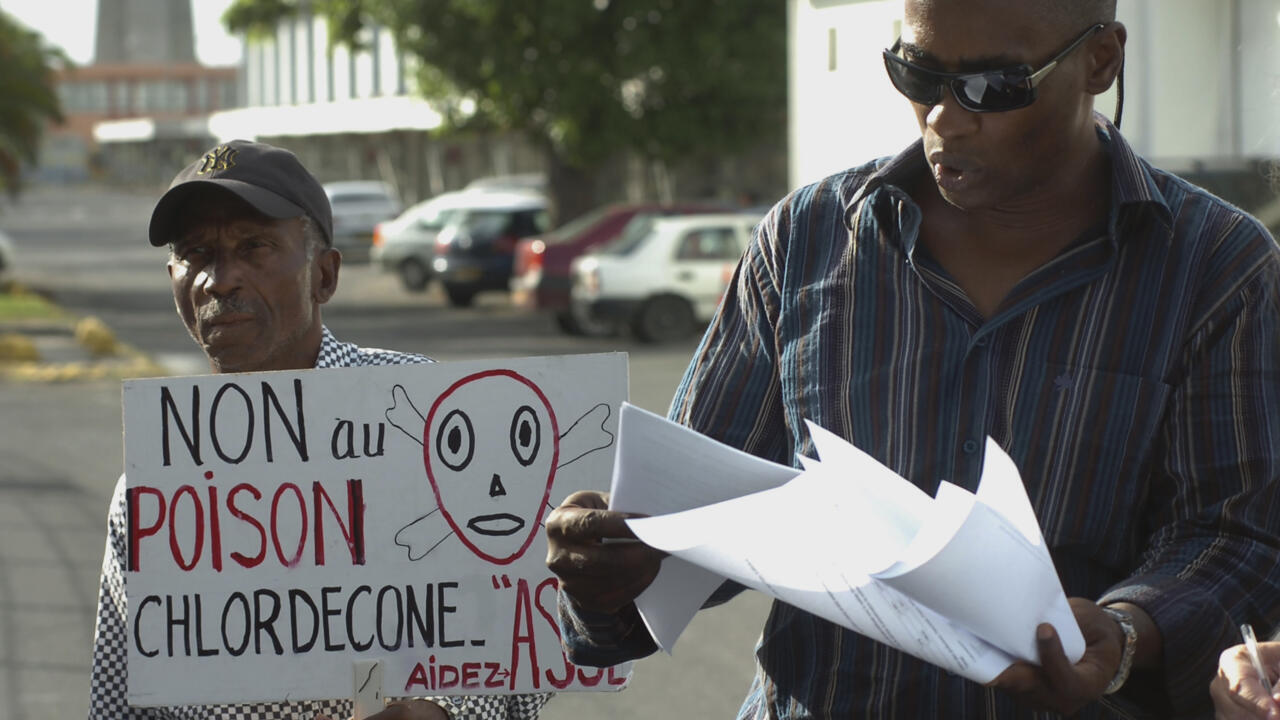
French lawmakers have recognised the state’s “partial responsibility” in allowing a toxic pesticide to be used in the French West Indies despite health warnings, inflicting long-term harm on the islands and their people.
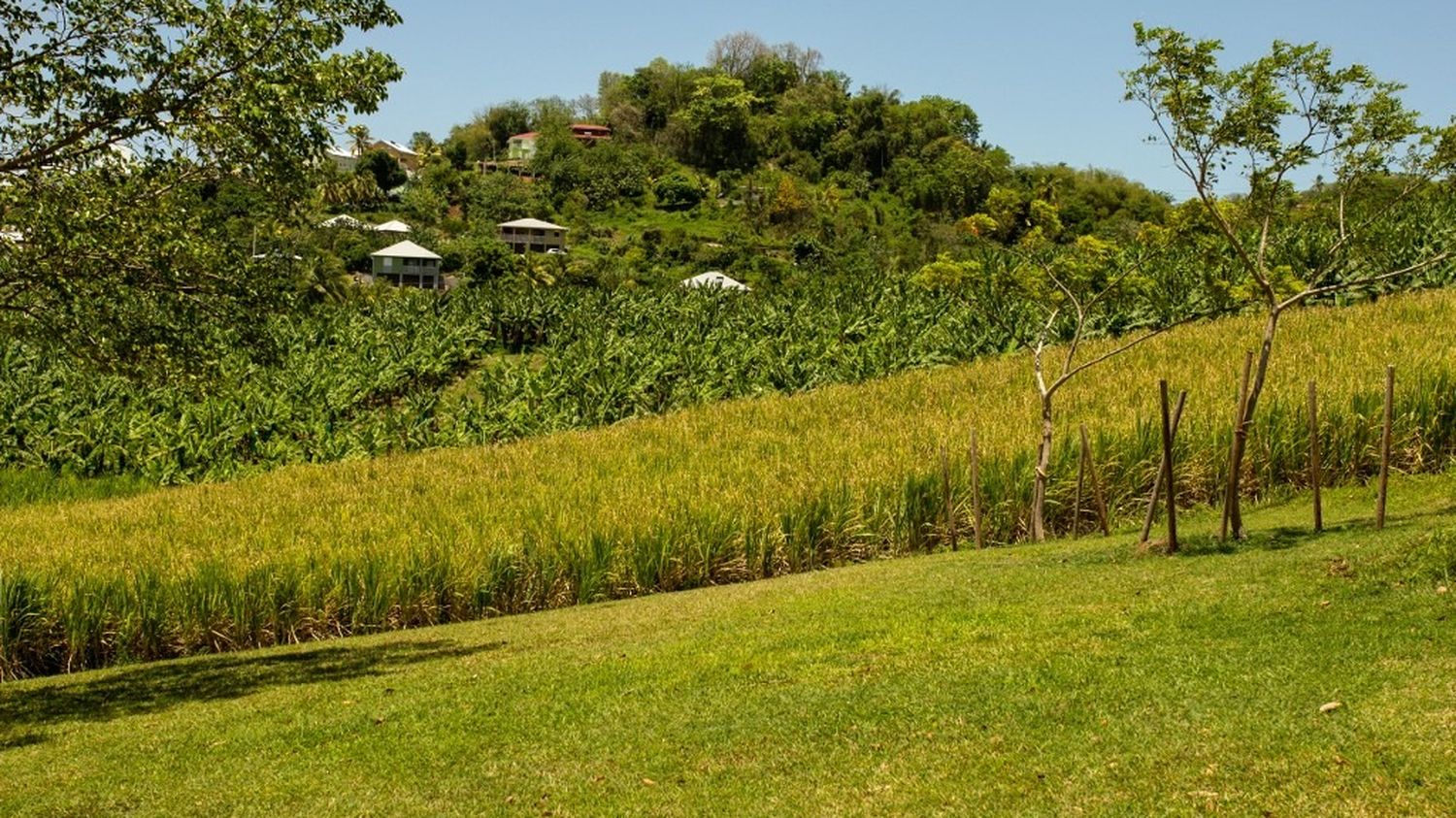
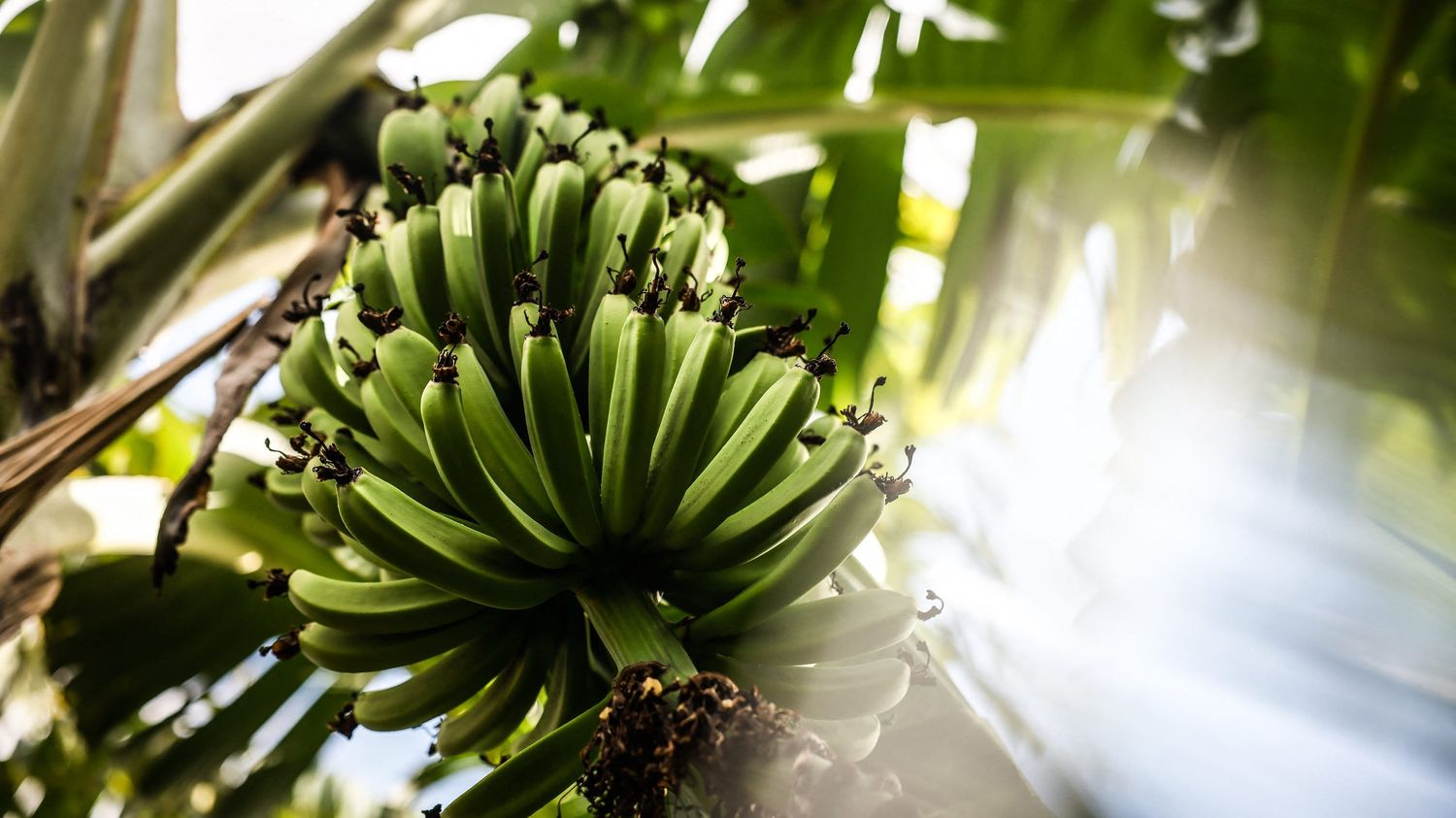
Chlordecone, also known under the brand name Kepone, is a pesticide that was widely used to eliminate weevils in banana plantations in France’s former colonies turned overseas territories of Guadeloupe and Martinique from 1972 until 1993.
France banned its use on the mainland in 1990, but allowed its continued use on the Caribbean islands for another three years.
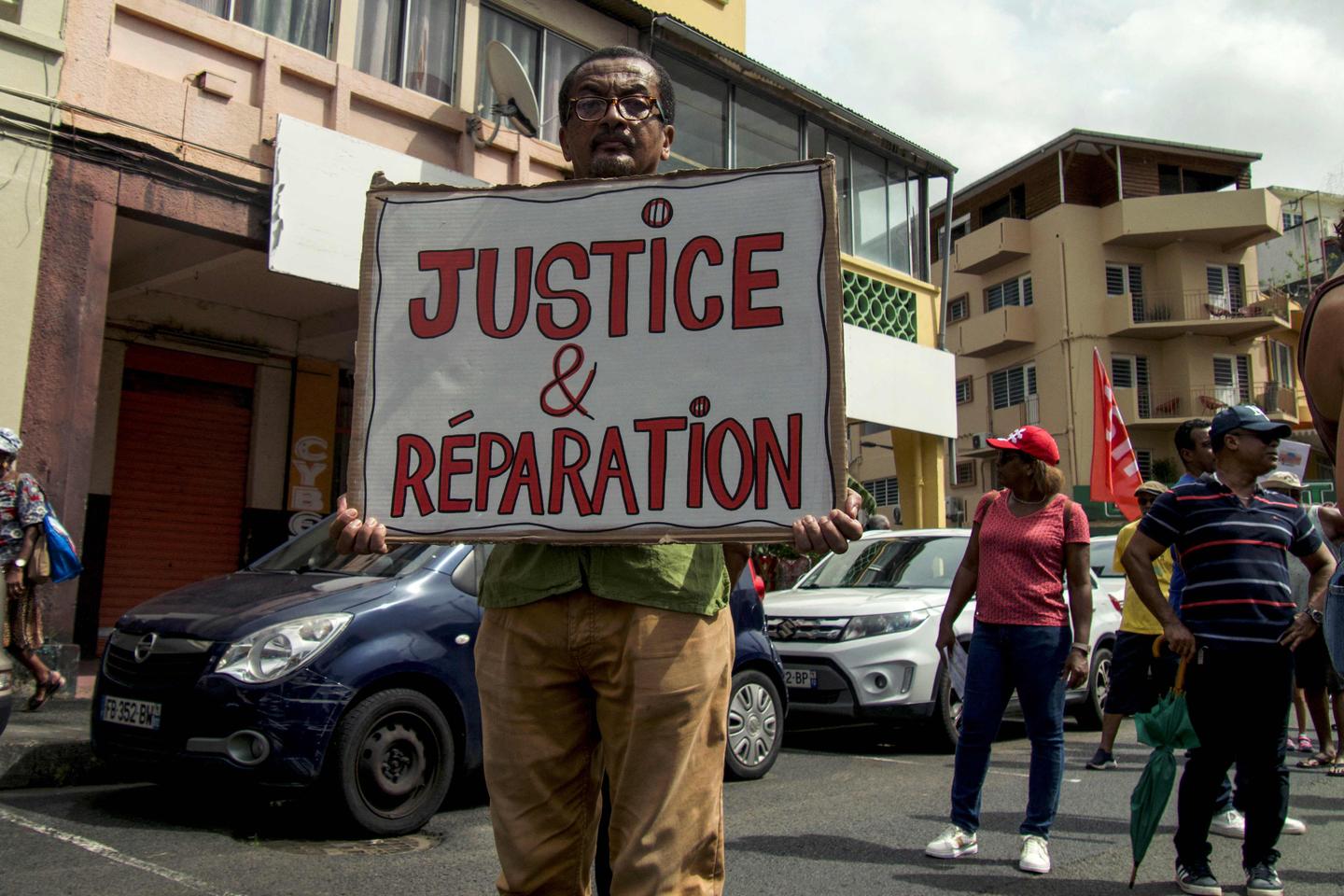
Lawmakers in the lower house of parliament on Tuesday evening voted unanimously in favour of a bill in which “the state acknowledges its share of responsibility for the health-related, moral, environmental and economic harm suffered by the territories of Guadeloupe and Martinique and by their populations” as a result of the pesticide’s prolonged use.
The Senate has already backed the move.