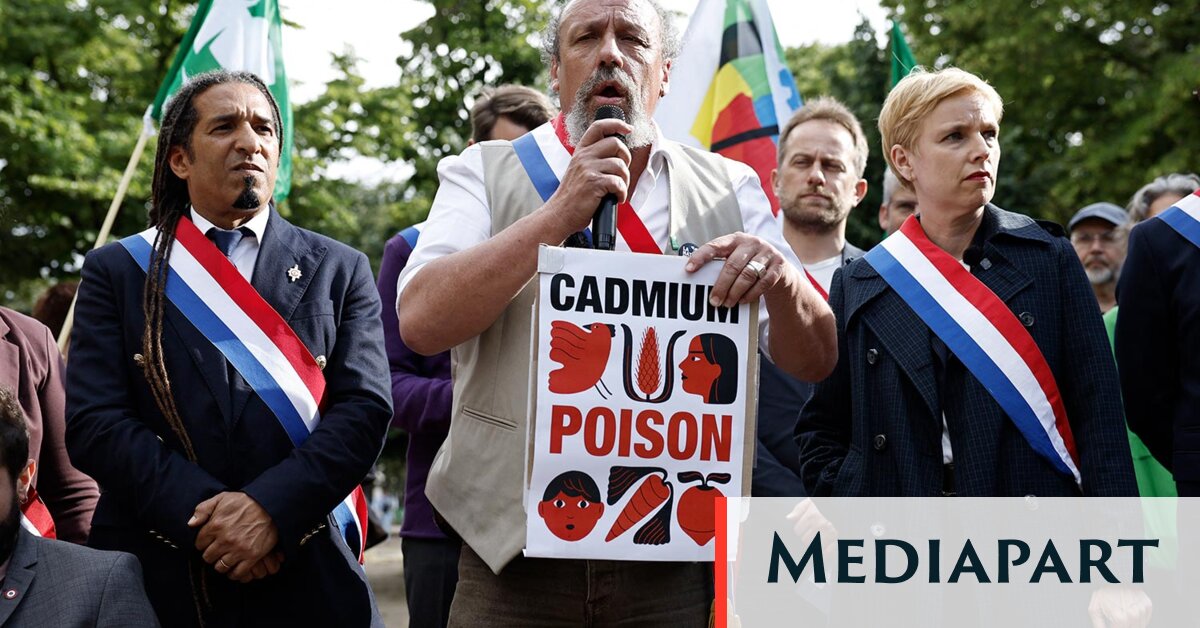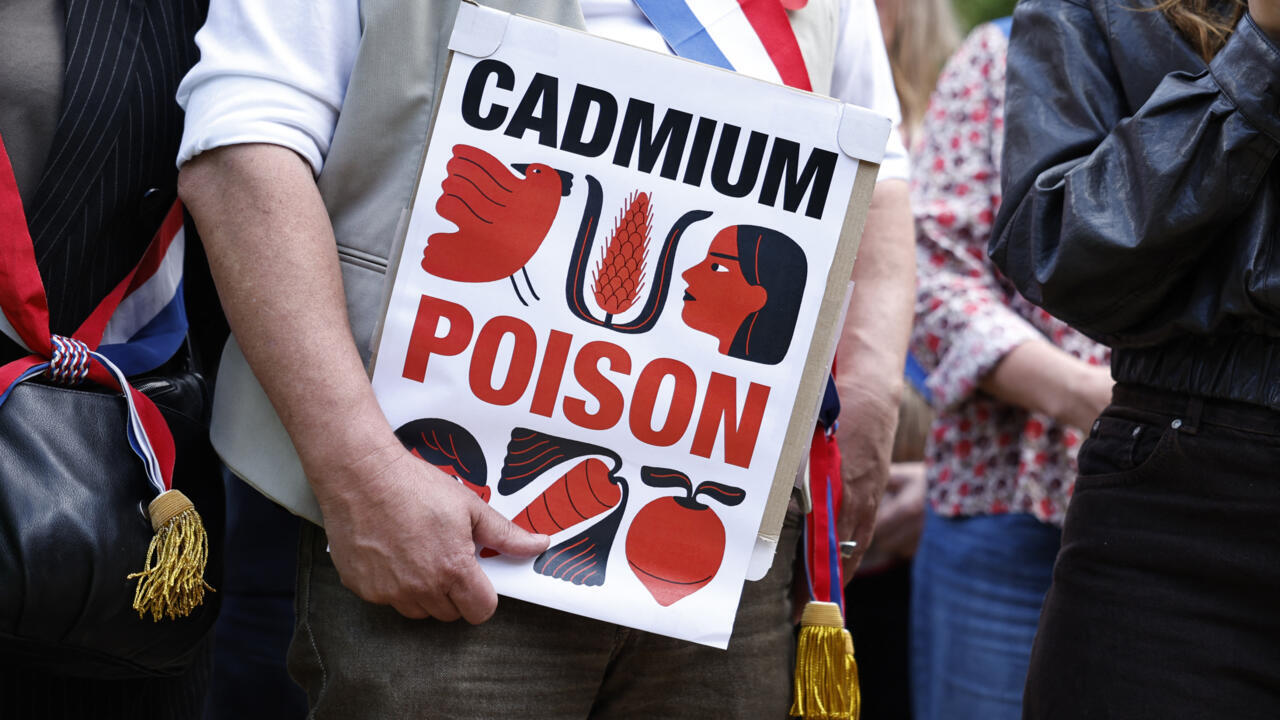
France's parliament has overwhelmingly approved a bill to curb exposure to cadmium, a toxic heavy metal found in phosphate fertilisers, setting up a political clash with the government and raising fresh questions about France's links to Moroccan phosphate imports.
Issued on: 04/06/2026 - 11:52Modified: 04/06/2026 - 11:53
2 min Reading time
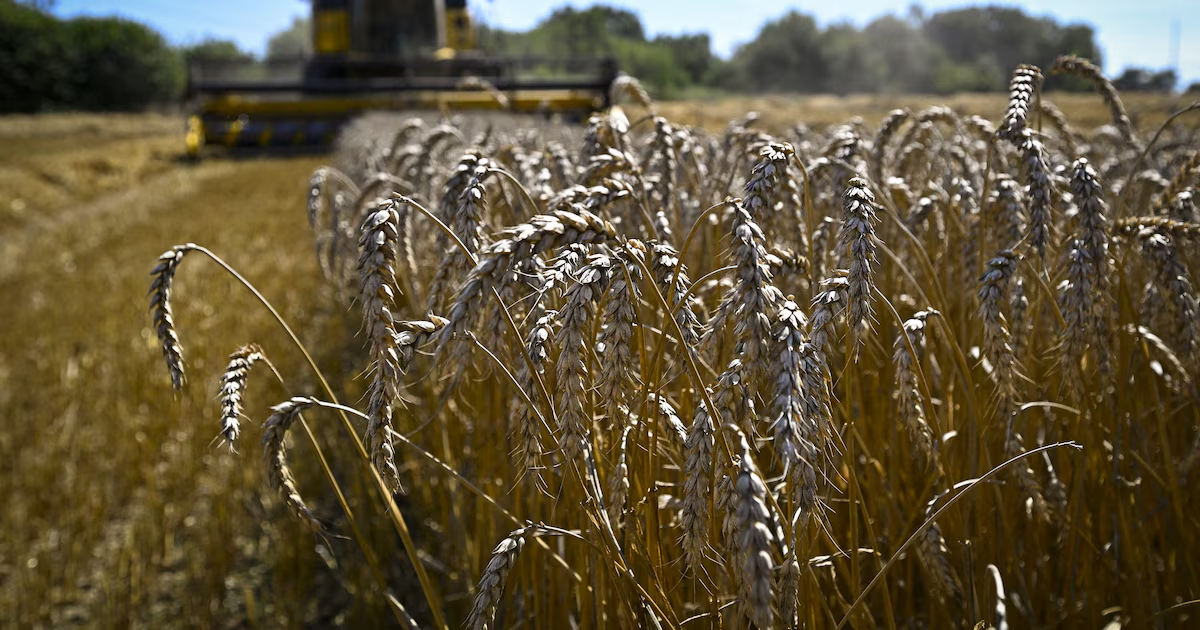
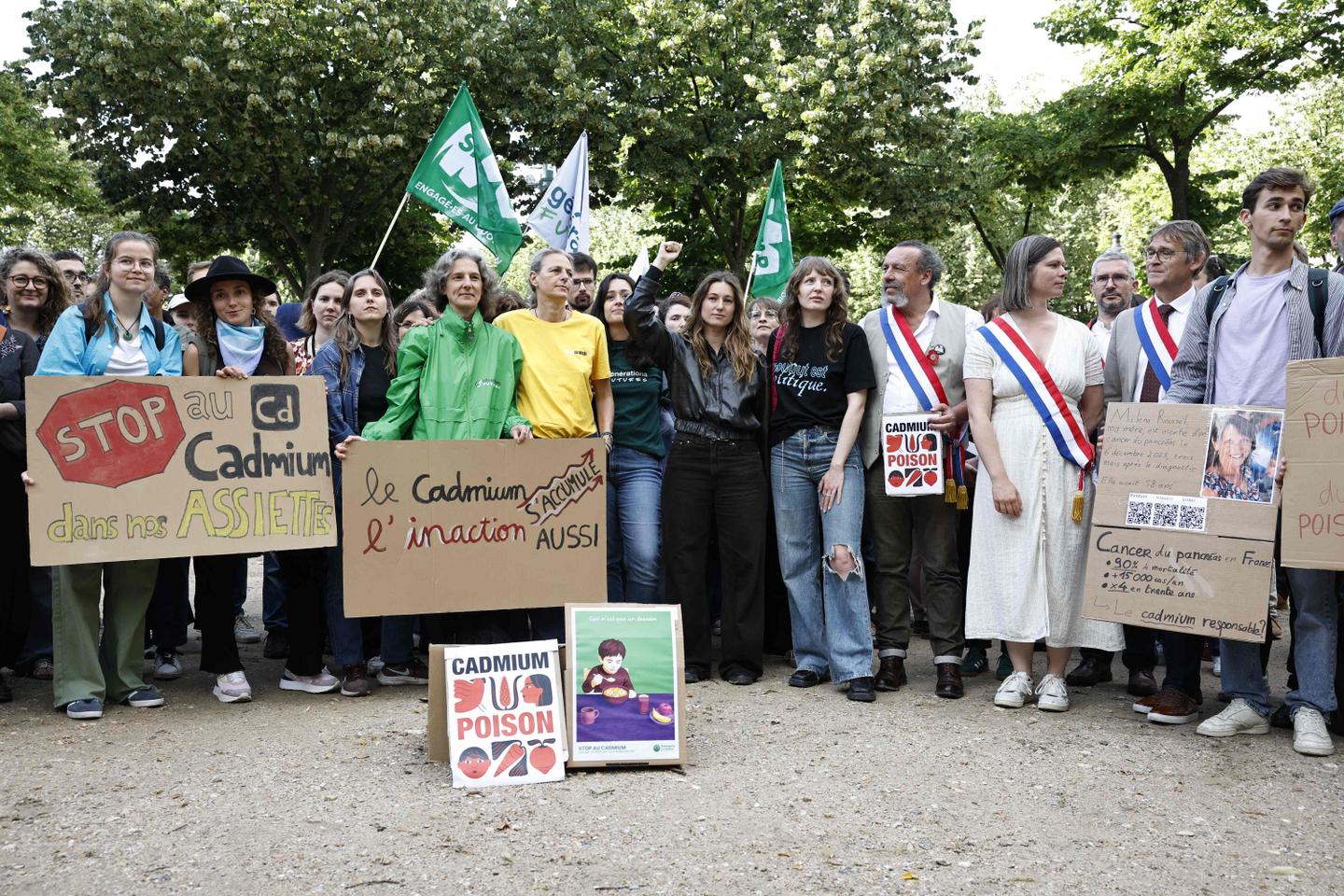
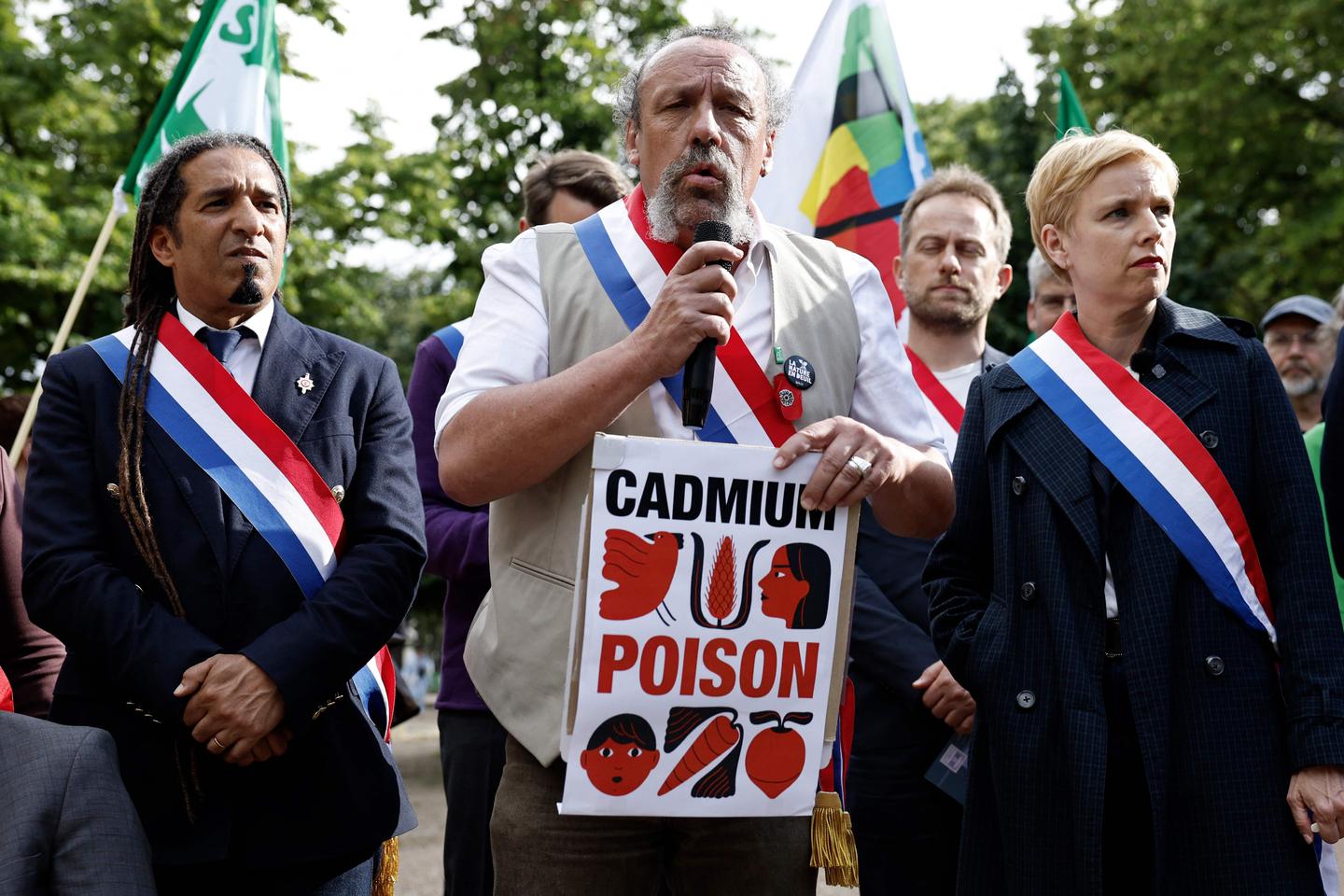
The draft law, adopted on Wednesday in the National Assembly by 144 votes to 22, sets out a faster timetable to reduce permitted cadmium levels in fertilisers used in agriculture. The measure passed despite government opposition, with ministers warning that the pace of reduction could harm the competitiveness of French farming. "There is an overexposure of the French population to cadmium compared to our European neighbours," junior ecology minister Mathieu Lefèvre said. However, he argued that "the pace of reduction… is not realistic" and risks undermining "our food sovereignty". Food is a major source of cadmium exposure, particularly staple foods such as wheat and rice, a report by France's health agency Anses found. Prolonged exposure is linked to cancer, kidney damage, reproductive toxicity and bone fragility. In 2025, nearly half of the French population exceeded recommended safety thresholds. Cadmium crisis pushes France towards long-delayed political test Moroccan deposits The parliamentary vote has turned attention to the origins of cadmium in French agriculture, chiefly phosphate fertilisers, much of which are derived from Moroccan deposits. A report by French investigative website Mediapart published in April highlighted tensions around this supply chain and focused on a €350 million loan granted in 2025 by the French Development Agency (AFD) to Morocco's state-owned fertiliser giant OCP. The loan, the largest non-sovereign financing in the agency's history, was intended to support OCP's decarbonisation, including renewable energy and desalination projects.