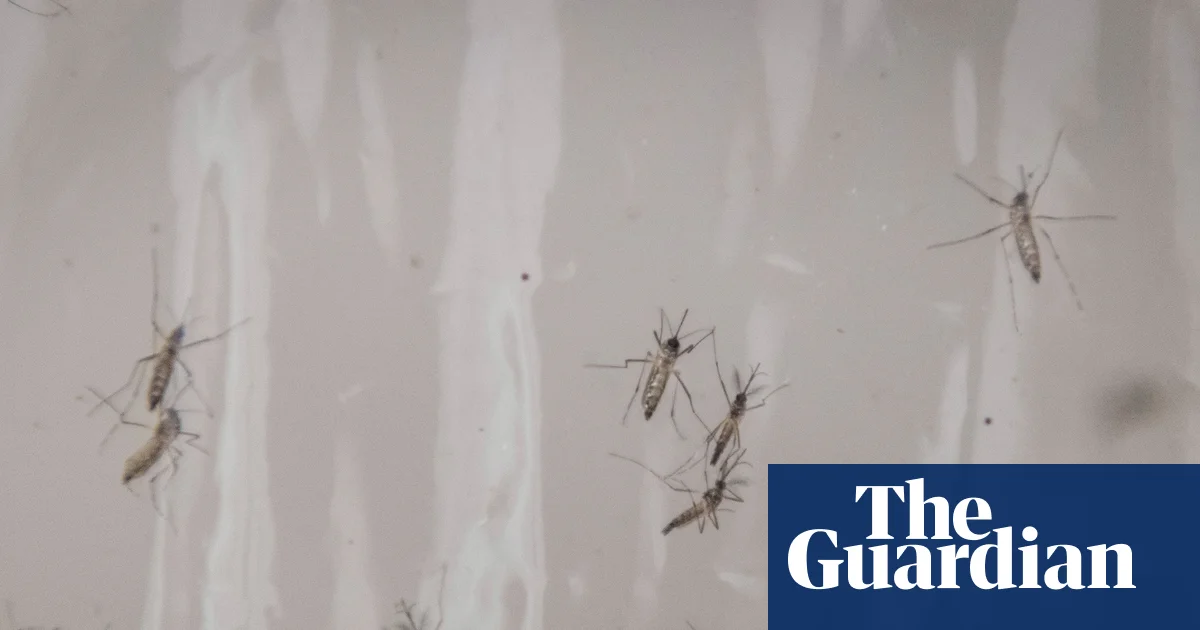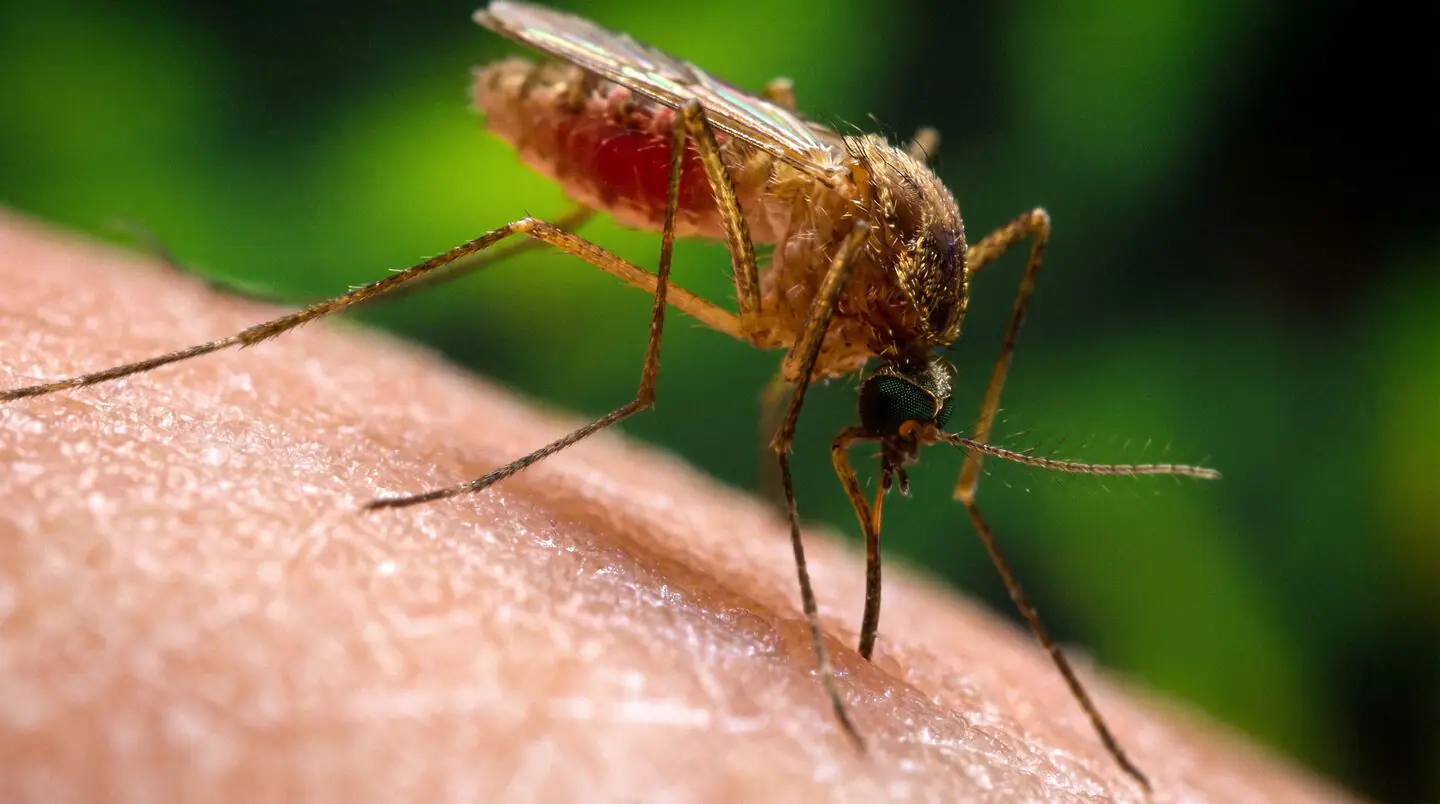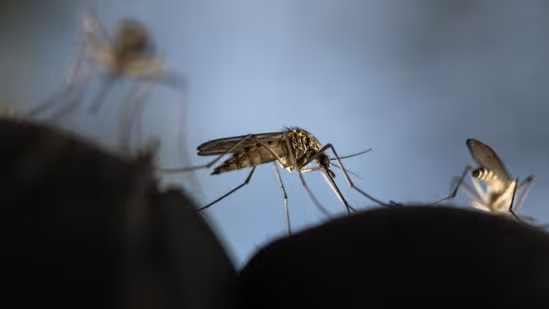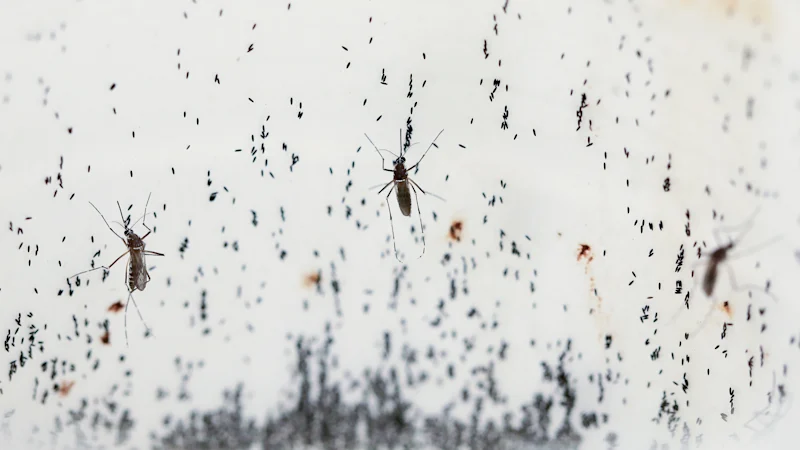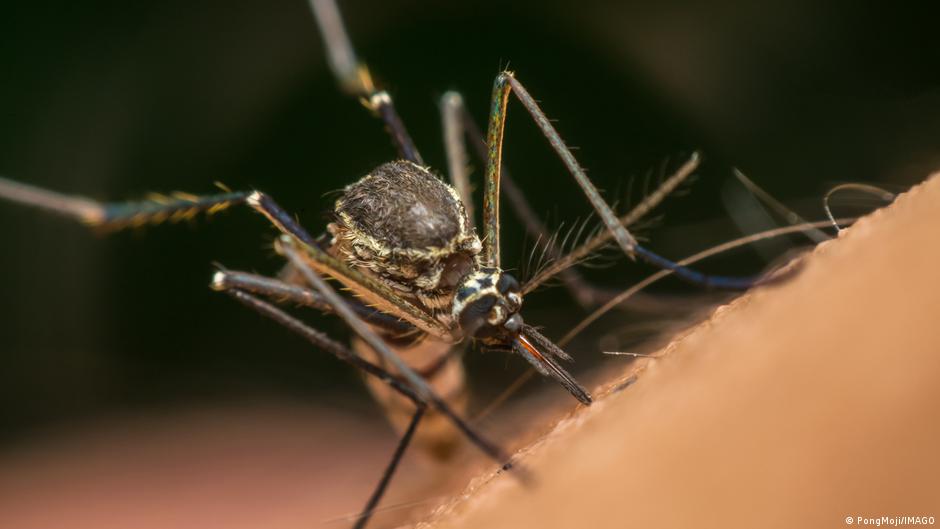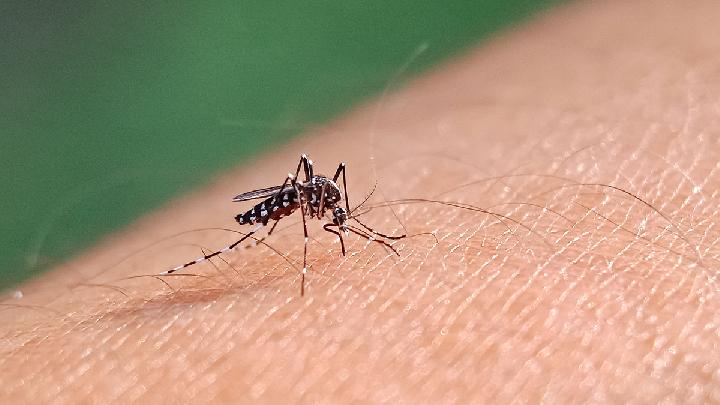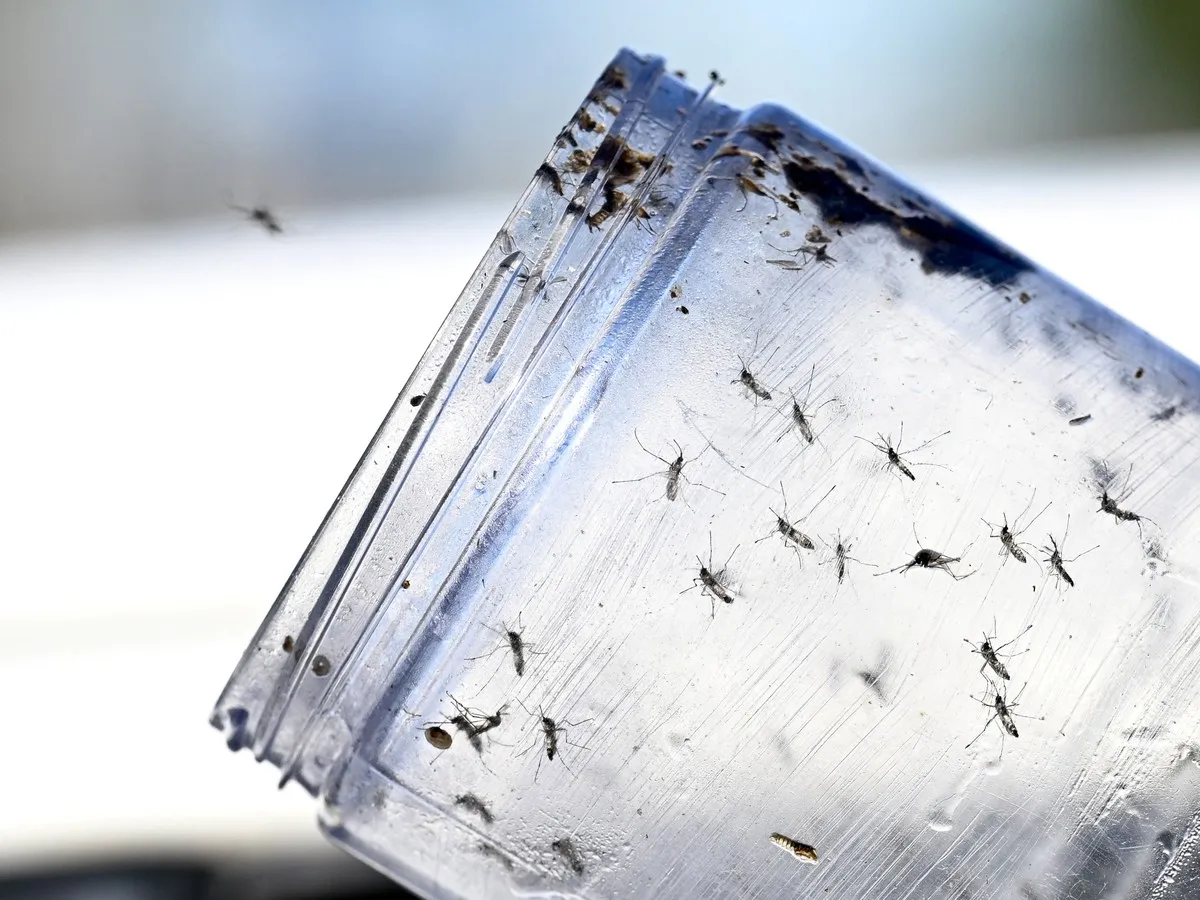
Skip to Content Subscribe Our Offers My Account Manage My Subscriptions FAQ Newsletters Canada Canadian True Crime Canadian Politics Health World Israel & Middle East Financial Post NP Comment Longreads Puzzmo Diversions Comics NP News Quiz New York Times Crossword Horoscopes Life Eating & Drinking Style Sponsored Play for Ontario Travel Travel Canada Travel USA Travel International Cruises Travel Essentials Culture Books Celebrity Movies Music Theatre Television Business Essentials Advice Lives Told Tails Told Shopping Buy Canadian Home Living Outdoor Living Tech Style & Beauty Kitchen & Dining Personal Care Entertainment & Hobbies Gift Guide Travel Guide Deals Savings National Post Store More Sports Hockey Baseball Basketball Football Soccer Golf Tennis Driving Vehicle Research Reviews News Gear Guide Obituaries Place an Obituary Place an In Memoriam Classifieds Place an Ad Celebrations Working Business Ads Archives Healthing Epaper Manage Print Subscription Profile Settings My Subscriptions Saved Articles My Offers Newsletters Customer Service FAQ Newsletters Canada World Financial Post NP Comment Longreads Puzzmo Diversions Life Shopping Epaper Manage Print Subscription HomeNewsWorldWhy does Google want U.S. government approval to release 32 million 'good' mosquitoes? Here's what we knowThe tech company wants to release 32 million mosquitoes in California and Florida over the next two years as part of an ongoing AI-driven health initiative it calls the Debug Project You can save this article by registering for free here. Or sign-in if you have an account.Aedes aegypti mosquitoes infected with Wolbachia bacteria to block the transmission of dengue are released by a technician from the Federal District's Health Department in a residential area of Brasilia on March 10, 2026.The anti-dengue mosquitoes have been introduced to 15 countries. Google is looking to do the same in California and Florida. Photo by EVARISTO SA /AFP via Getty ImagesInstead of combating computer bugs, Google is taking up a new focus, seeking U.S. government permission to actually release a lot of pesky bugs — mosquitoes.Enjoy the latest local, national and international news.Exclusive articles by Conrad Black, Barbara Kay and others. Plus, special edition NP Platformed and First Reading newsletters and virtual events.Unlimited online access to National Post.National Post ePaper, an electronic replica of the print edition to view on any device, share and comment on.Daily puzzles including the New York Times Crossword.Support local journalism.Enjoy the latest local, national and international news.Exclusive articles by Conrad Black, Barbara Kay and others. Plus, special edition NP Platformed and First Reading newsletters and virtual events.Unlimited online access to National Post.National Post ePaper, an electronic replica of the print edition to view on any device, share and comment on.Daily puzzles including the New York Times Crossword.Support local journalism.Create an account or sign in to continue with your reading experience.Access articles from across Canada with one account.Share your thoughts and join the conversation in the comments.Enjoy additional articles per month.Get email updates from your favourite authors.Create an account or sign in to continue with your reading experience.Access articles from across Canada with one accountShare your thoughts and join the conversation in the commentsEnjoy additional articles per monthGet email updates from your favourite authorsSign In or Create an AccountorThe tech company wants to release 32 million of the insects in California and Florida over the next two years as part of an ongoing AI-driven health initiative it calls the Debug Project. The goal is to control mosquito populations and cut down on mosquito-borne diseases such as dengue and Zika.The Debug Project plans to do this by breeding and releasing sterile male mosquitoes to reduce populations of disease-carrying species. The project is using a mix of engineering, AI and data systems to solve a large-scale biological problem.Get a dash of perspective along with the trending news of the day in a very readable format.By signing up you consent to receive the above newsletter from Postmedia Network Inc.A welcome email is on its way. If you don't see it, please check your junk folder.The next issue of NP Posted will soon be in your inbox.We encountered an issue signing you up. Please try againThe U.S. Environmental Protection Agency is reviewing Google’s request to release up to 16 million mosquitoes annually. The EPA will decide whether to approve Google’s request for an experimental-use permit after the public comment period ends on June 5, reports The Guardian.“Bad mosquitoes spread disease. Good mosquitoes can stop them,” the Debug Project team says on its website. “Debug is a group of scientists and engineers developing technology to raise and release sterile mosquitoes to eliminate the ones that carry disease. Mosquitoes kill more people than every other animal combined. One species, Aedes aegypti, carries diseases such as dengue, Zika, yellow fever, and chikungunya which make hundreds of millions of people sick every year.”The Debug team contends that most of these diseases can’t be effectively combated with vaccines or treatments. Moreover, attacking mosquitoes with pesticides is not sustainable because they become less effective over time and can also be toxic. Meanwhile, since it’s impossible to find all the places where mosquitoes breed, the project team insists: “We need a new approach.”The team calls its planned mosquitoes “good bugs.” They are male mosquitoes that have a naturally occurring bacteria called Wolbachia, which renders the carriers unable to have offspring with females.Another benefit, says the Debug team, is that these male mosquitoes can’t bite or spread disease. For this type of male-only release, the U.S. EPA acknowledges that male mosquitoes do not bite and show no risk to people, animals, or the environment.“Over time, there will be fewer and fewer bad mosquitoes,” according to the Debug Project. “This technique uses a naturally occurring bacteria and uses no chemicals, no toxins and doesn’t involve genetic modification. We look forward to working with communities to show that by releasing enough good bugs Debug can have a real impact on mosquito populations and disease. Eventually, we hope to help millions of people live longer, healthier lives.”It may seem odd for Google to be focused on biological rather than computer bugs, but this initiative was initially driven by a former subsidiary of Google’s parent company, Alphabet. Verily (formerly Google Life Sciences) is a tech company focused on AI-driven health. It uses technology and data science to combat diseases and other global health problems, reports The Guardian. But as of December 2024, Google acquired the Debug Project from Verily.It was begun back in 2016, according to a Debug Project blog post. That’s when the team started exploring tech-driven solutions to combat deadly mosquitoes. The approach is drawing on the sterile insect technique, which experts have used to combat a variety of problematic bugs for decades. Using the wolbachia bacteria for sterilization had been done for about 15 years, reports USA Today.However, some researchers worry that released mosquitoes could disrupt local food ecosystems when a target species is reduced. Mosquitoes “are important source of food for amphibians, bats, birds, fish, insects, and reptiles.” They also warn that reducing one mosquito species could let another disease-carrying species fill the niche.Our website is the place for the latest breaking news, exclusive scoops, longreads and provocative commentary. Please bookmark nationalpost.com and sign up for our newsletters here. Join the Conversation This website uses cookies to personalize your content (including ads), and allows us to analyze our traffic. Read more about cookies here. By continuing to use our site, you agree to our Terms of Use and Privacy Policy.
Why does Google want U.S. government approval to release 32 million 'good' mosquitoes? Here's what we know
For a male-only release, the U.S. EPA acknowledges that male mosquitoes do not bite and show no risk to people, animals, or the environment.
1,223 words~6 min read