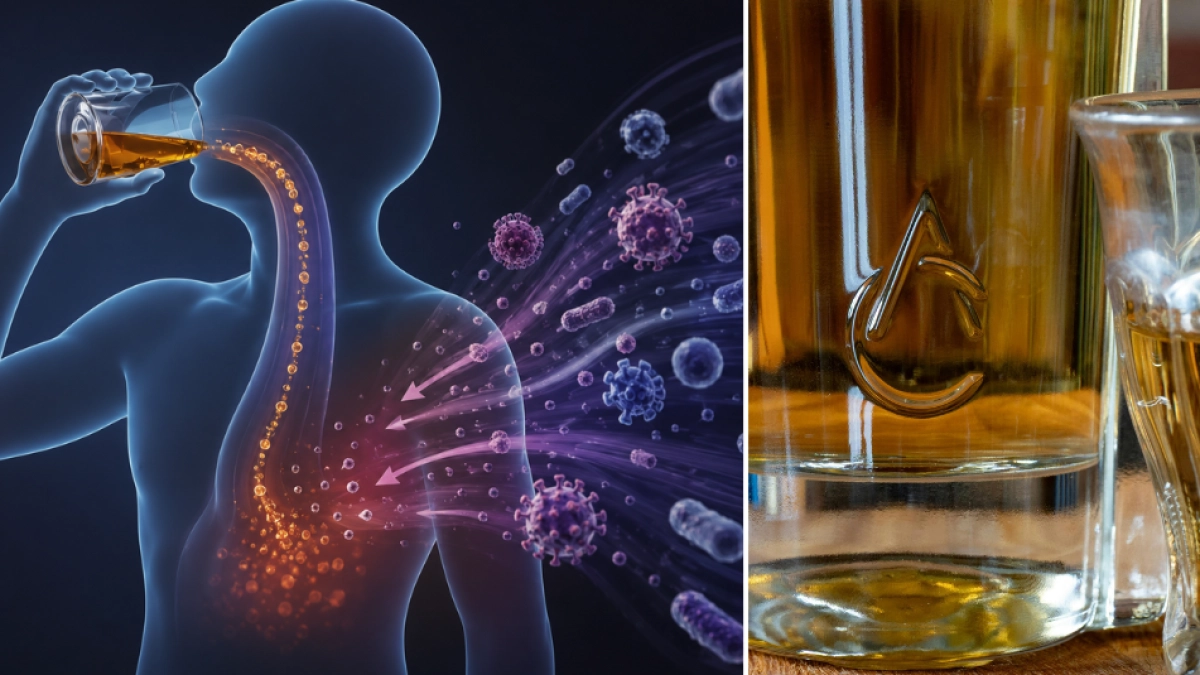
Just one alcoholic drink a day can put people at greater risk of cancer, new research has revealed.Global analysis from the US Institute of Health Metrics and Evaluation has offered a comprehensive assessment of how alcohol intake relates to 20 major health outcomes.It identified a clear correlation between consumption of alcohol and increased risk of 10 forms of cancer.Researchers found that there was no safe threshold for alcohol use, and that even one standard drink is associated with an elevated risk for cancers of the pharynx, colorectum, oesophagus, breast, liver, pancreas and prostate.Researchers at the University of Washington applied IHME’s Burden of Proof analysis to 843 cohort and case-control studies published in 2023, grading each alcohol-outcome relationship to show how strong and consistent the evidence was.Pharyngeal, or throat cancer, indicated at least a 105 per cent increase in risk at average consumption levels. Meanwhile, cancers of the larynx, colorectum, lip and oral cavity showed moderate evidence of harm, with the analysis indicating between 22 per cent and 49 per cent increases in risk. “The science on alcohol and health is genuinely complex,” said Prof Emmanuela Gakidou of the IHME's department of health metrics sciences, the senior author of the research. “For cancer, the evidence is consistent and unambiguous: risk rises with any level of alcohol intake.” Prof Gakidou said some cardiometabolic and dementia diseases showed reduced risks at low-to-moderate alcohol consumption, but those associations became weaker and reversed at higher levels of drinking. “Rather than interpreting these results as an endorsement of drinking, they lay out a complex map of where the evidence is strong, weak, or mixed,” she said.Risk thresholdInternational guidelines on safe alcohol intake vary widely. Lower-risk thresholds range between 8 and 42 grams a day for women and between 10 and 52 grams a day for men. The US study found no systematic gender differences in the relationship between alcohol and health.The UAE Ministry of Health and Prevention and Dubai Health Authority generally advise against alcohol consumption.Dr Cherian Thampy, consultant oncologist at NMC Specialty Hospital in Abu Dhabi, said reducing alcohol intake was an important aspect of cancer prevention. “The UAE traditionally had a lower alcohol consumption rates compared with many western countries due to cultural and religious factors,” Dr Thampy said. “But because of lifestyle changes, urbanisation and increased western habits, alcohol-related health risk is increasing in the UAE.“Alcohol is recognised as a risk factor for multiple cancers, mainly breast cancer, colorectal cancer, liver cancer, esophageal cancer as well as head and neck cancers.“Even though alcohol may contribute to only a portion of overall UAE cancer cases, reducing alcohol consumption remains an important strategy for cancer prevention.”In the UK, about 13,800 people have head and neck cancer diagnosed each year, making it the seventh most common form of cancer, accounting for 3 per cent of all diagnoses.Denmark, Lithuania and Serbia have some of Europe’s highest rates for throat cancer, with about 13 cases for every 100,000 people. American Cancer Society figures suggest the lifetime risk of developing laryngeal cancer is about one in 200 for men and one in 840 for women.However, smokers who regularly drink alcohol are putting themselves at even higher risk of some head and neck cancers, the ACS said.Dr Annu George, consultant oncologist at Medcare Royal Speciality Hospital, advised the public to avoid alcohol completely.“This study adds to the growing body of evidence highlighting the relationship between alcohol exposure and long-term health outcomes, particularly cancer,” she said.“This reinforces the importance of public awareness around modifiable risk factors and informed health choices.“Alcohol in any amount is a carcinogen and there is no safe lower limit.”Improving cancer careIn 2023, the Department of Preventive Dental Sciences at Taibah University Dental College and Hospital in Saudi Arabia looked at regional trends for head and neck cancers.Oman and Saudi Arabia were carrying the highest burden, with projections for 2040 revealing a substantial increase in new cases and related deaths, particularly in Qatar, the UAE and Bahrain. Incidence rates were predicted to rise significantly for those over 50.“From a healthcare perspective, the broader message is that cancer prevention should focus on evidence-based lifestyle measures,” said Dr George.“Maintaining a healthy weight, eating a balanced diet, staying physically active, avoiding tobacco, protecting skin from excessive sun exposure and participating in recommended health screenings can all contribute to reducing cancer.“Encouragingly, cancer care in the UAE has evolved significantly over the past decade. Continued investment in innovation, research, and patient-centred care is supporting better long-term health outcomes.”
One alcoholic drink a day could increase cancer risk, research shows | The National
There is no safe lower limit, doctors warn
745 words~3 min read