When Christiaan van Woudenberg moved to Erie, Colorado in 2007, he never imagined he’d become an anti-fracking activist. He simply thought he was buying his dream home — a four-bedroom with a panoramic mountain view, 30 minutes north of downtown Denver.
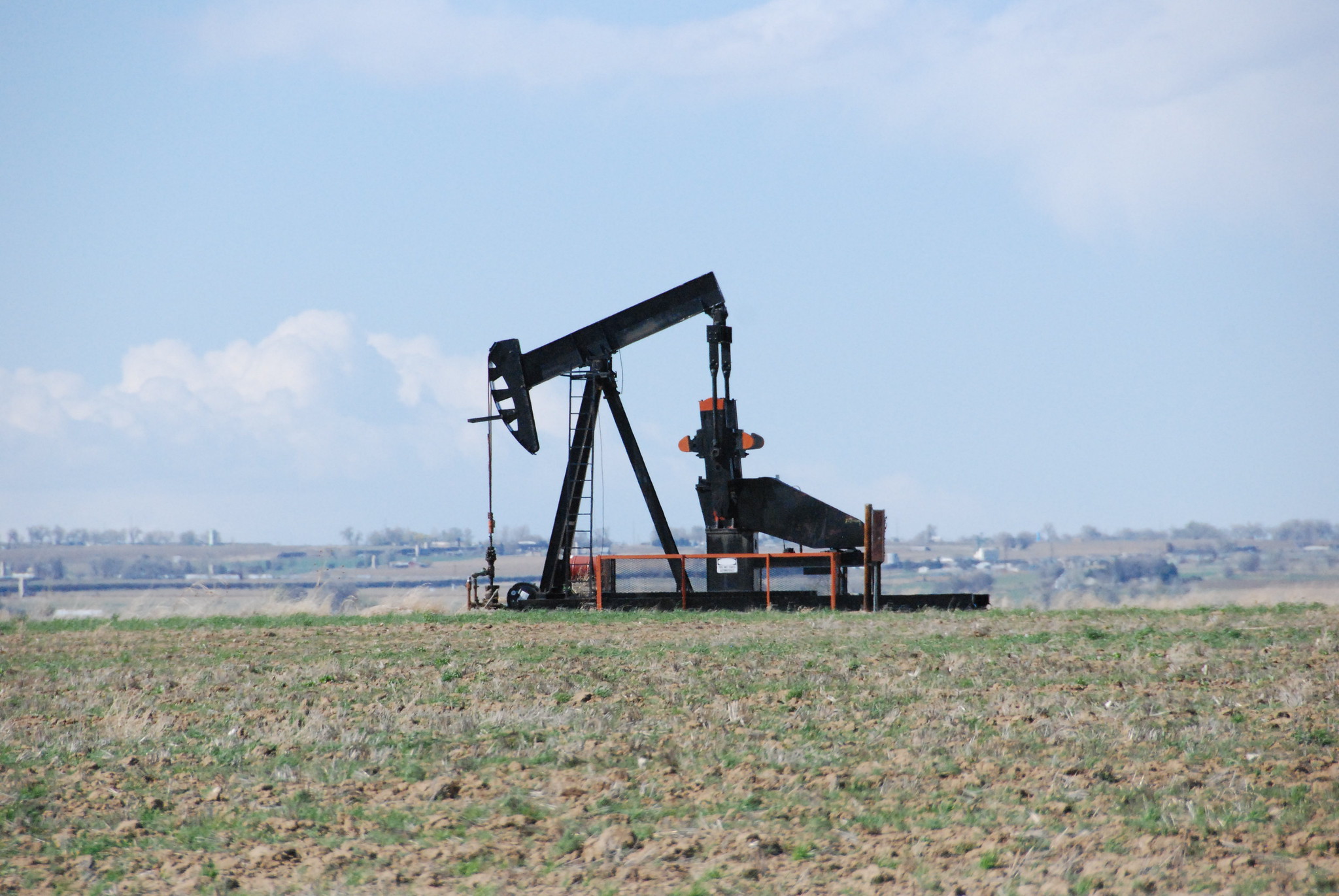
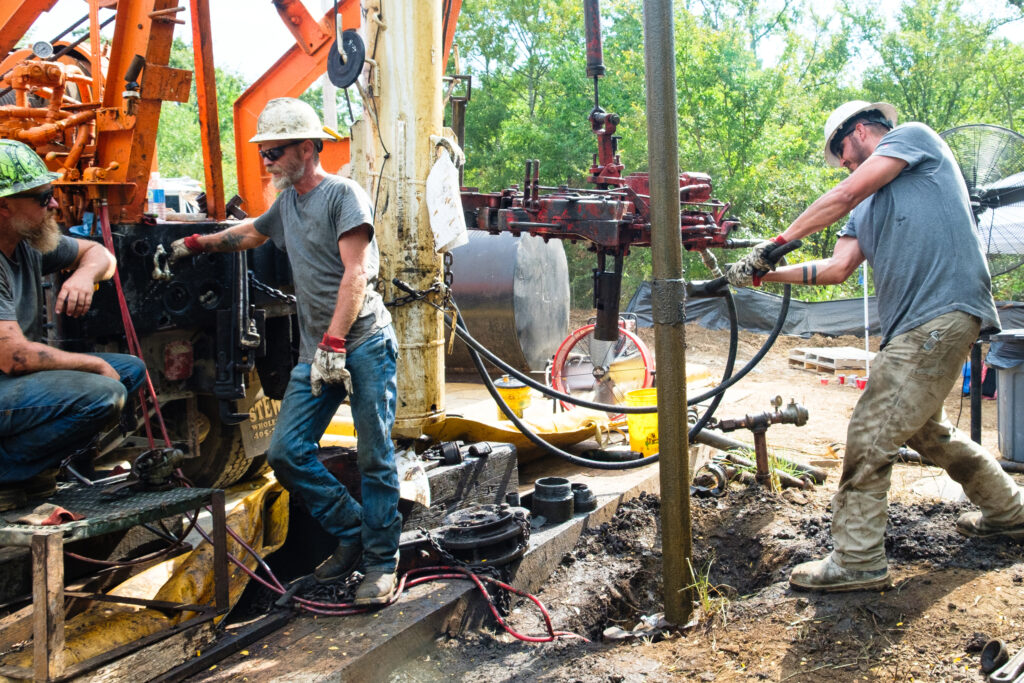
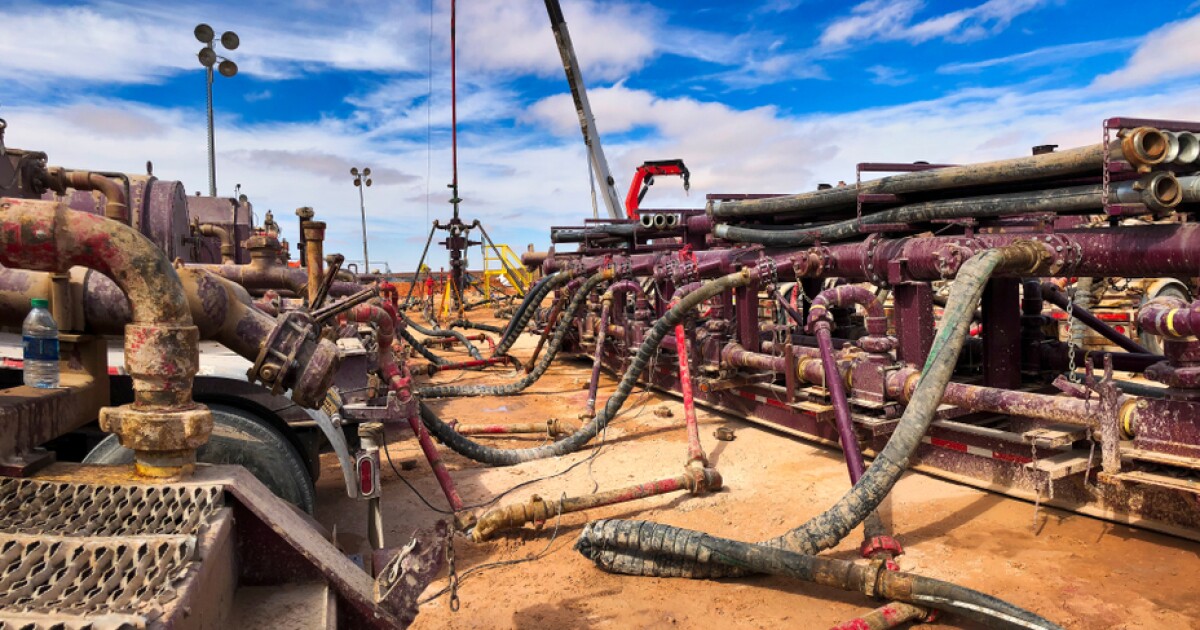
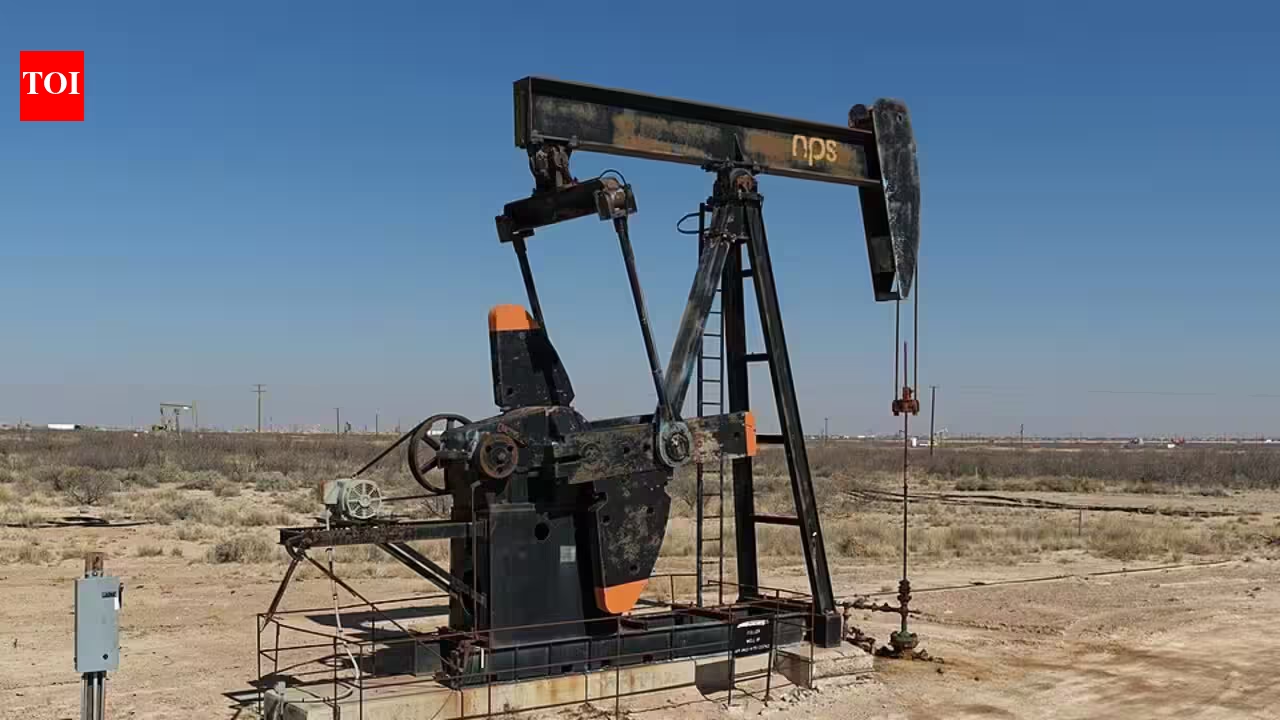
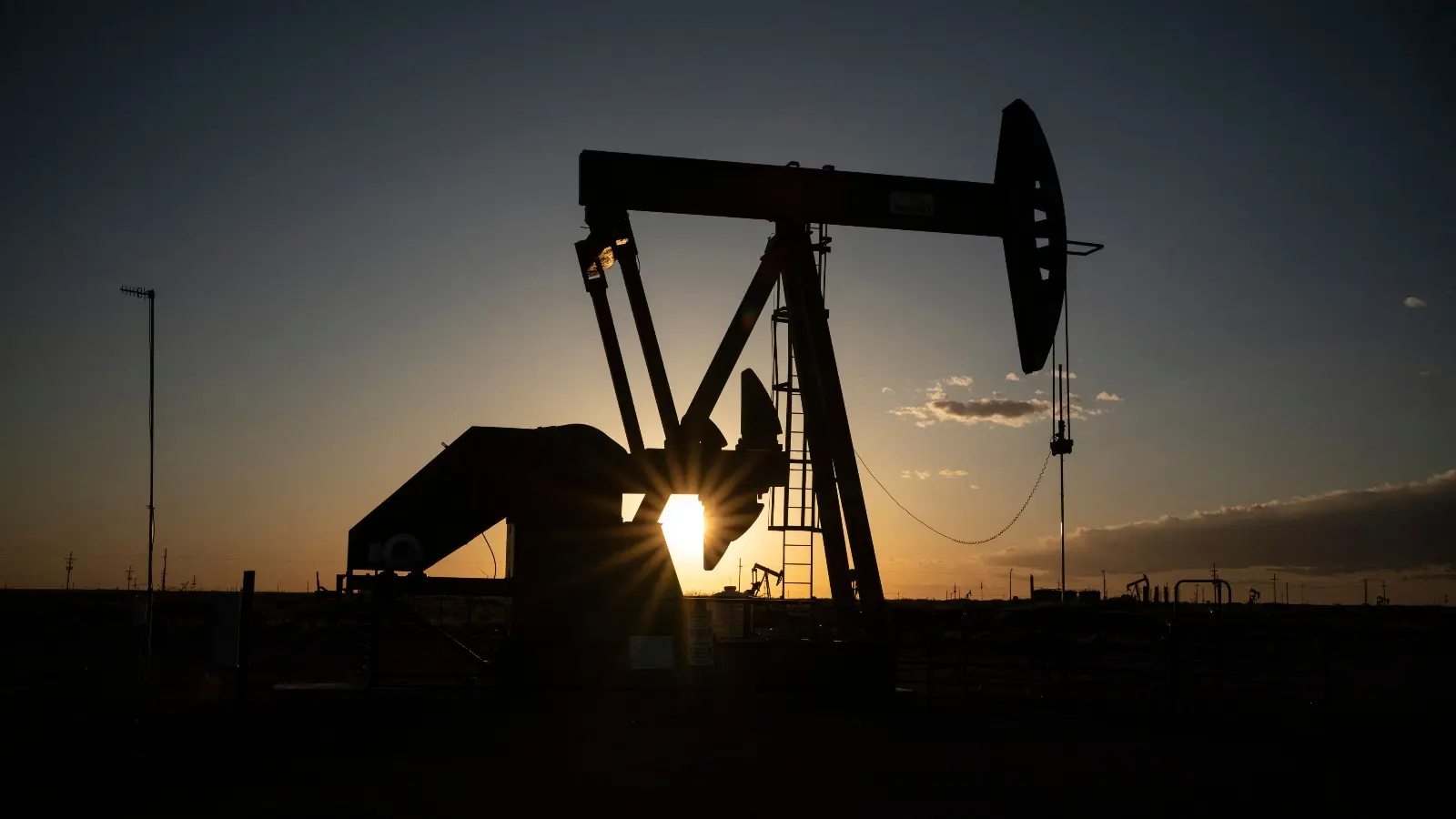
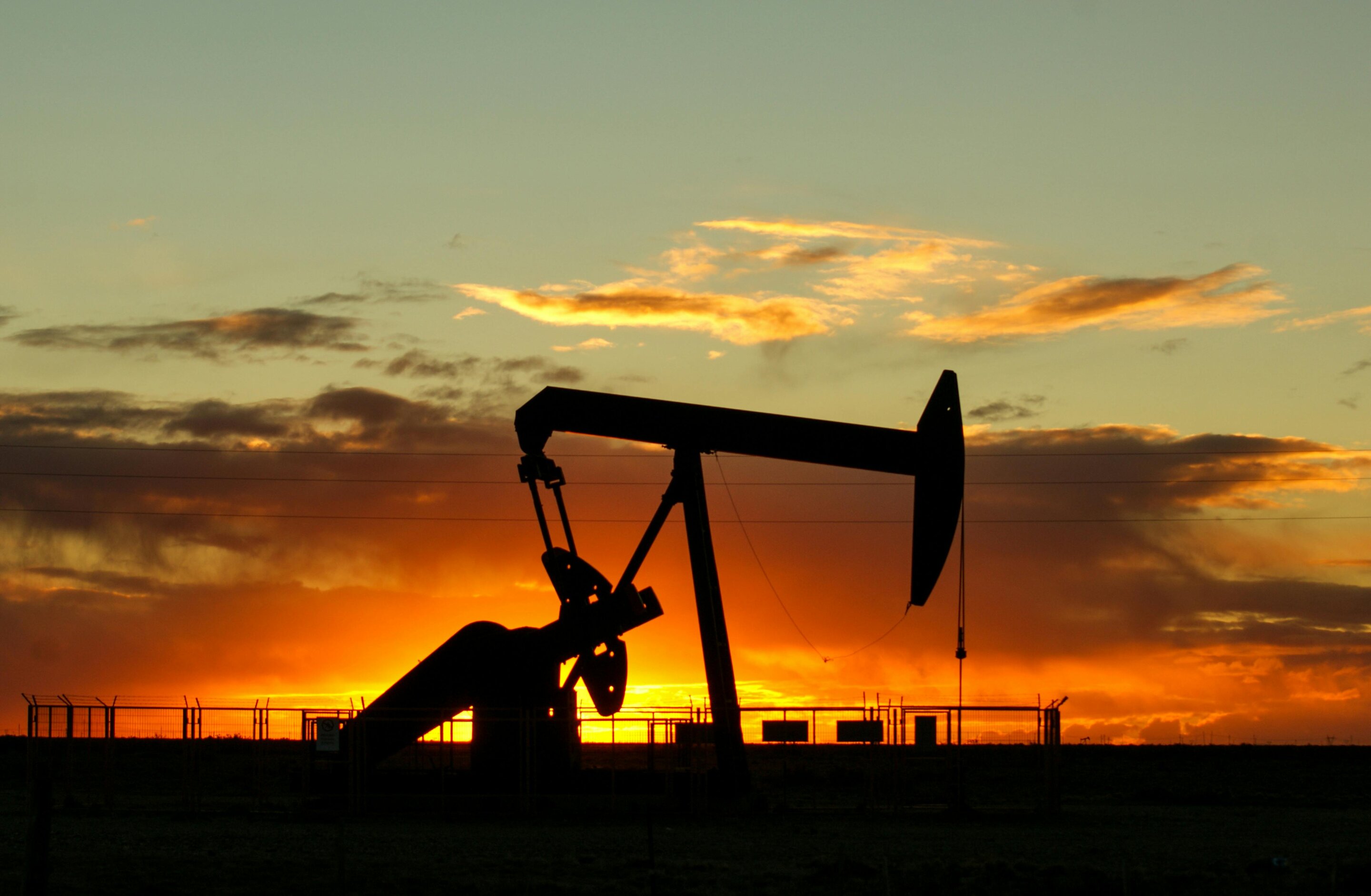
Then, in 2014, the drilling started. Oil and gas rigs sprang up, some just 800 feet from his bedroom window. The dream turned to nightmare: Loud noises rumbled all night long, and the air stank like exhaust. Neighbors started getting headaches and nosebleeds, and van Woudenberg developed new respiratory issues. He kept his windows shut and worried about his daughters going outside.
“So I got mad,” he said. “Like, ‘Oh, if they can do this to me in my fancy house as an upper middle class white guy, they can do it to anybody.’”
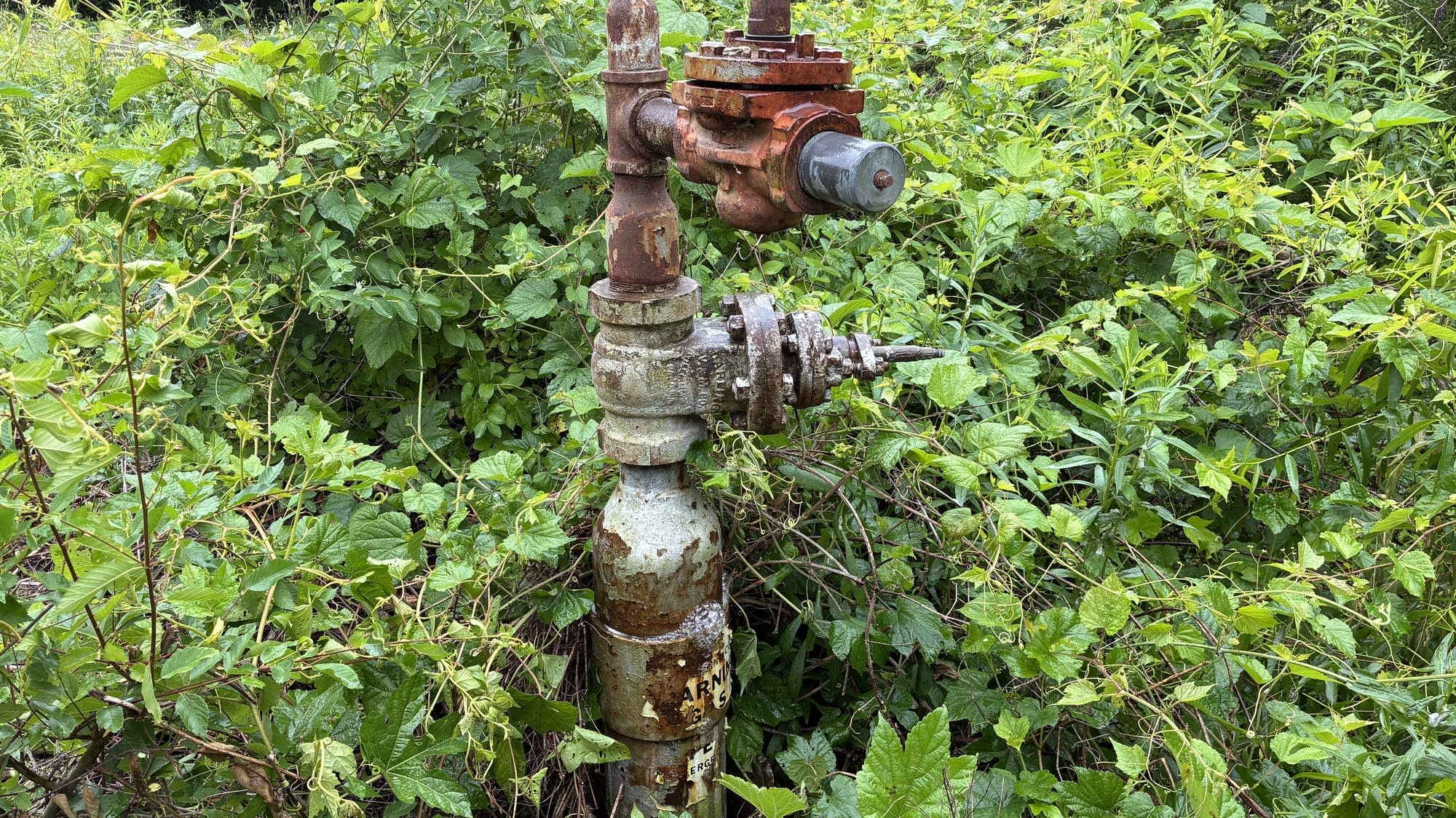
van Woudenberg looked for ways to visualize the scale of the industry’s pollution. A software developer, he sorted through reams of data published by the Energy and Carbon Management Commission (ECMC), Colorado’s oil and gas regulator. What he discovered shocked him. Chemical spills were turning up daily in Weld County, where he lives — sometimes at new drilling projects, but more often at old, defunct sites where the contamination had gone undetected for years.