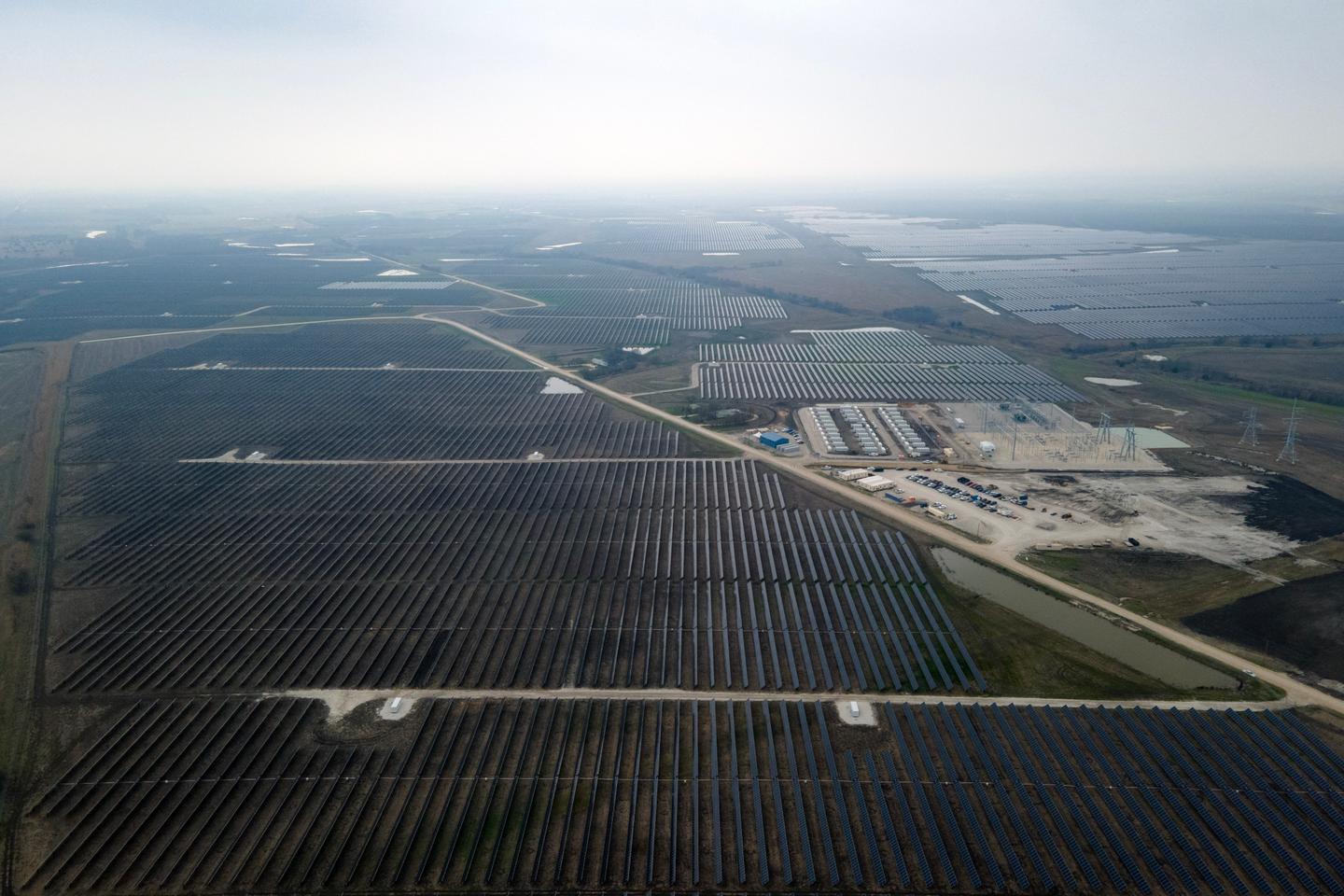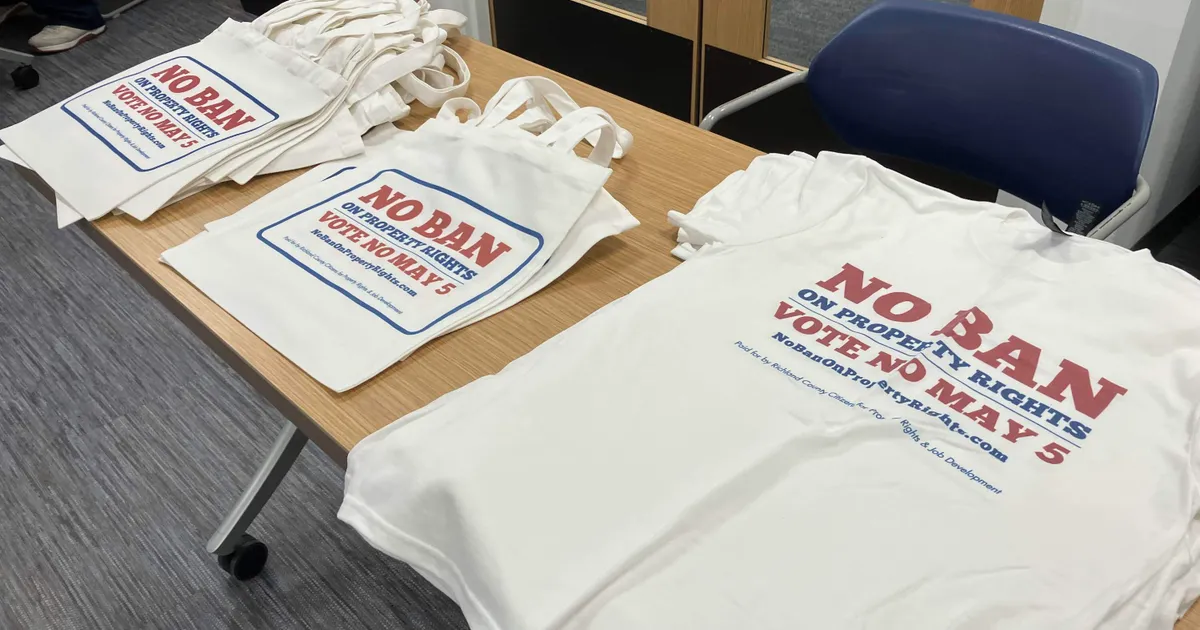
Ohio is a notoriously difficult state for building renewable energy. Many counties ban wind and solar outright, but even in those that don’t, state regulators often rely on local opposition to deny permits for developers.
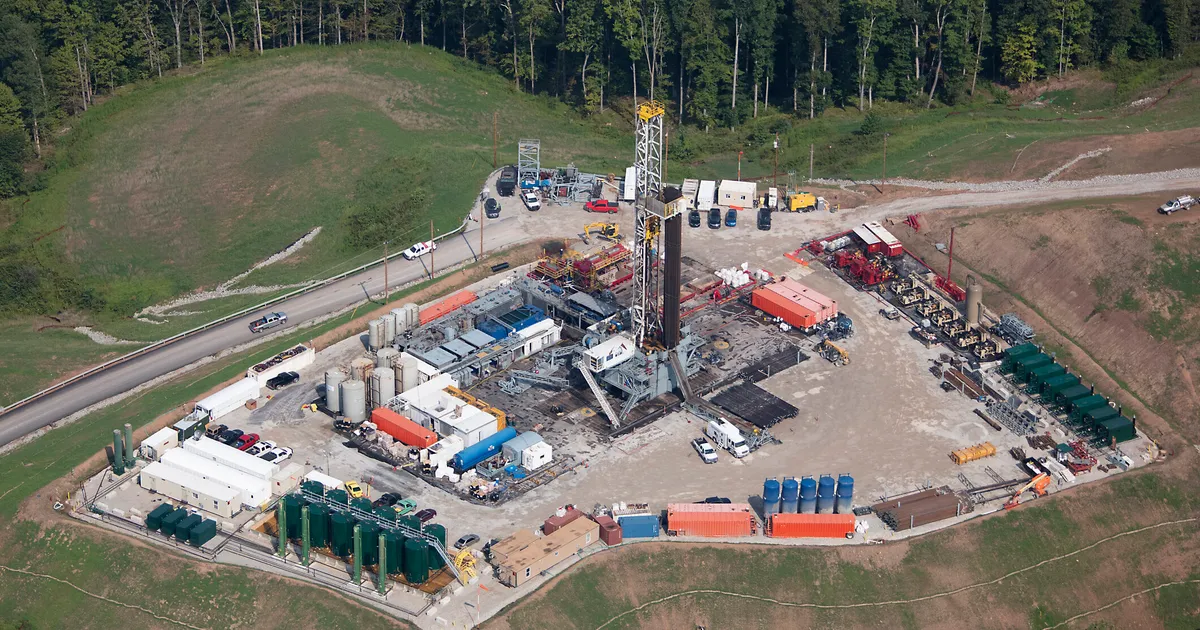
Fossil fuel companies, on the other hand, do not face these hurdles. This discrepancy is underscored by the fact that plans to build two fracking-waste wells in Ohio’s rural Washington County are poised to move ahead despite objections from residents, environmental groups, and nearby town governments. DeepRock Disposal Solutions aims to use these deep holes in the earth to push toxic liquid waste from fracking oil and gas into porous rock layers far underground.
Last week, a Franklin County Court of Appeals magistrate — a court officer who handles preliminary matters as well as detailed issues in complex cases — recommended the dismissal of a lawsuit filed by Buckeye Environmental Network in opposition to the wells. The group argues that the state illegally relied on outdated rules when permitting the project, which risks contaminating local groundwater supplies.
DeepRock applied for drilling permits in late 2021, about a month before the state adopted stricter waste-well regulations that are meant to better protect public safety and health. Although the state didn’t complete a technical review or issue DeepRock’s permits until 2025, it relied on the more lax standards in place when the company had first applied. Buckeye Environmental Network says that the current rules would have required a denial of the permits.