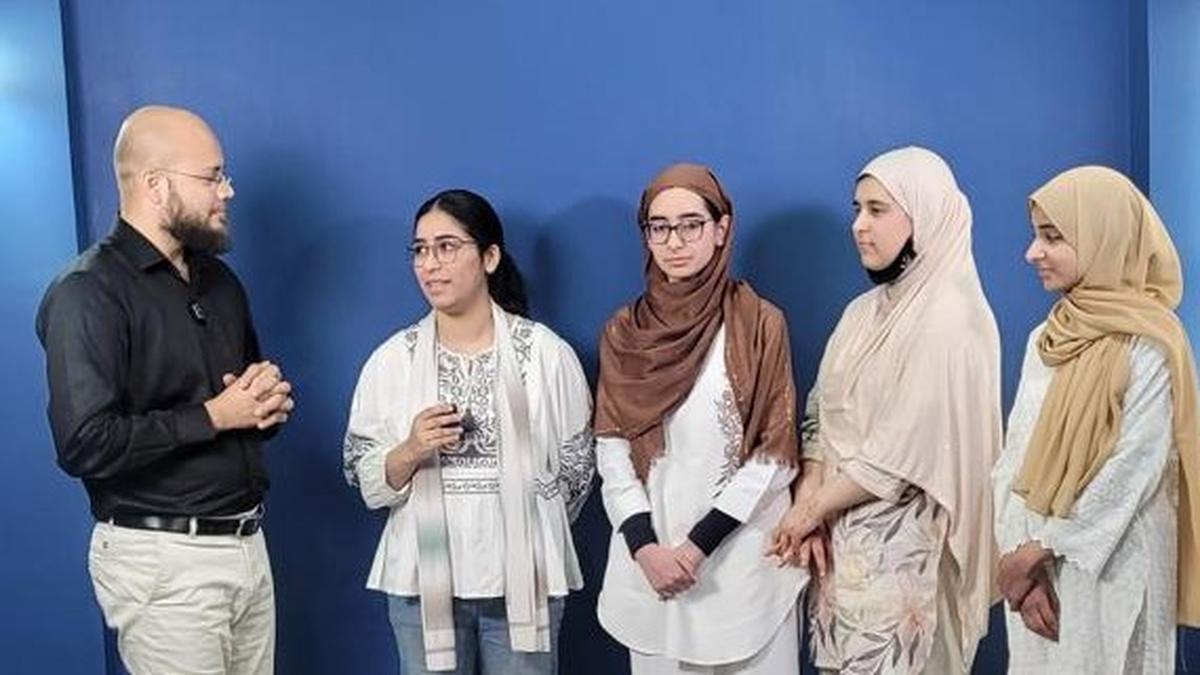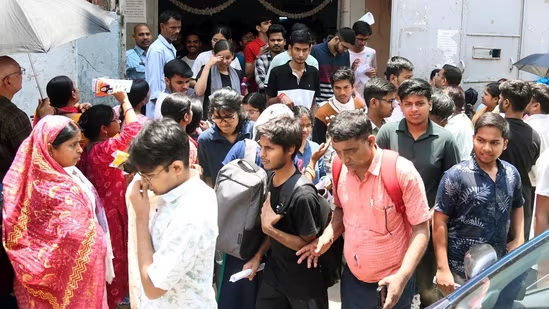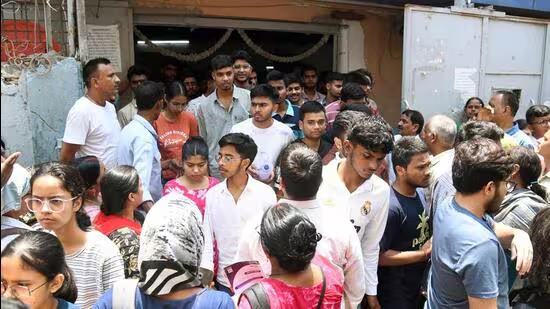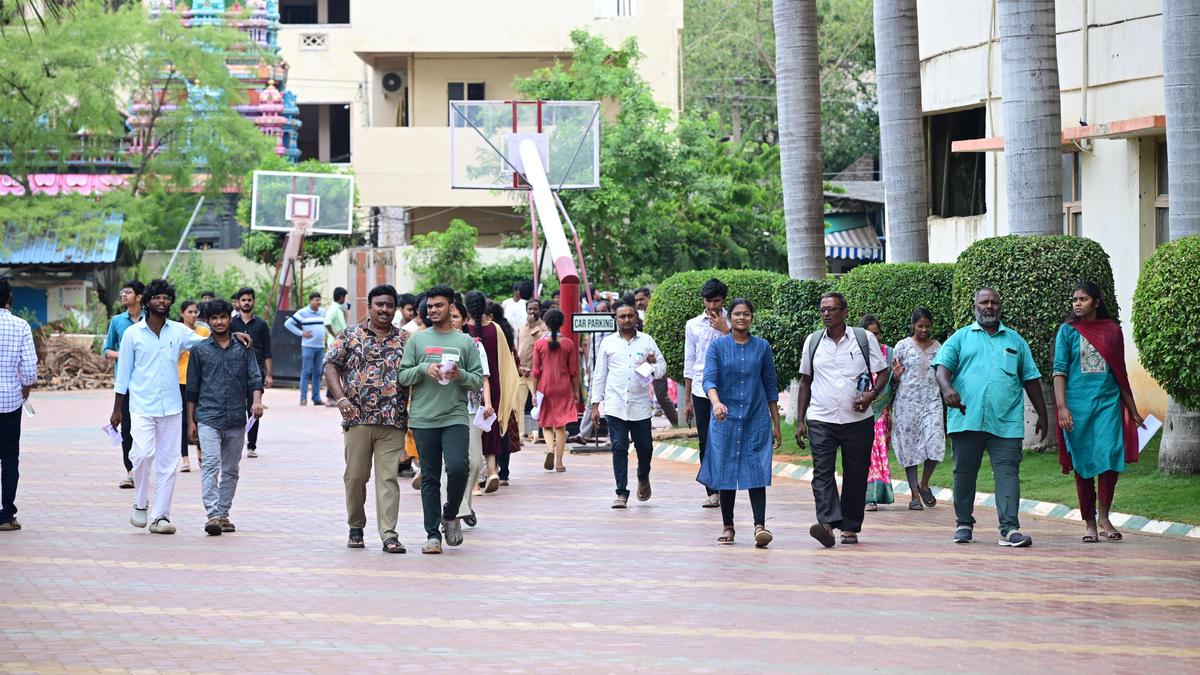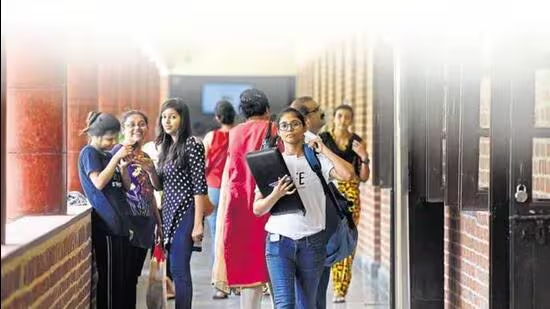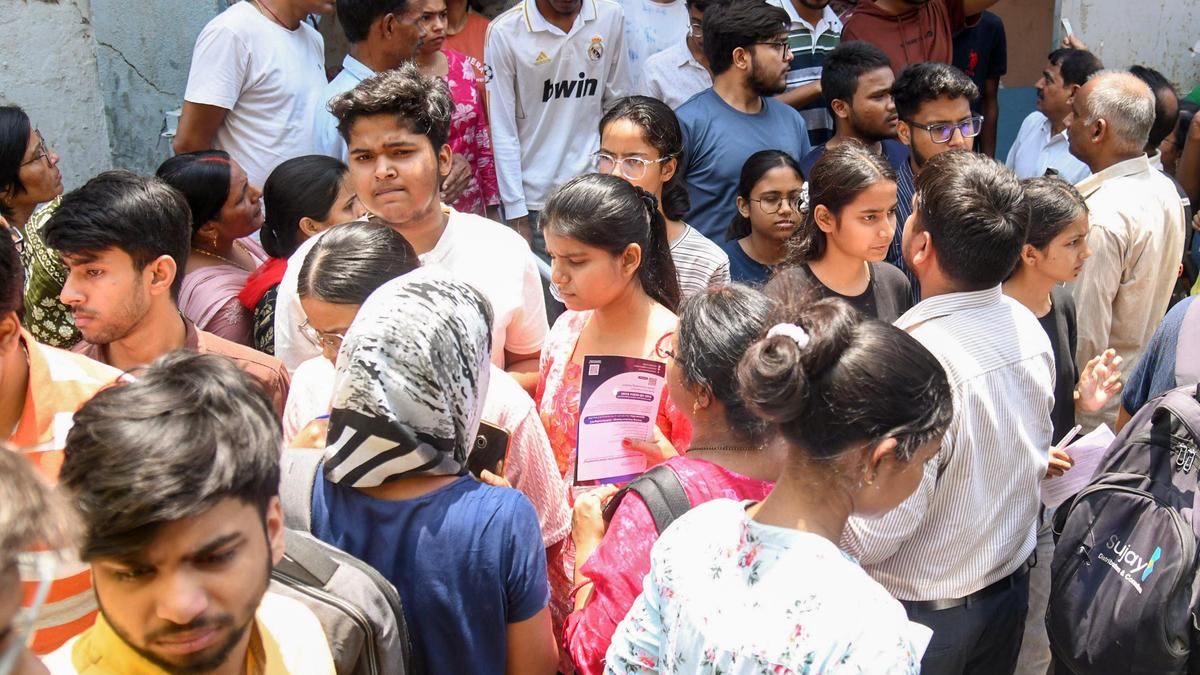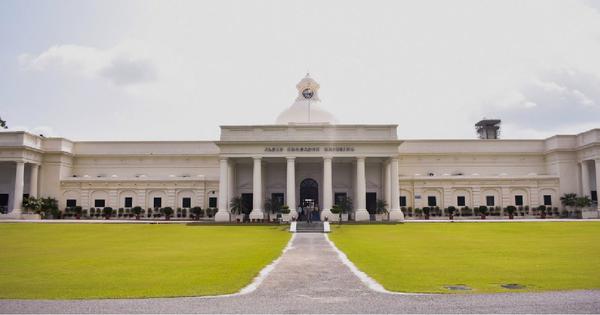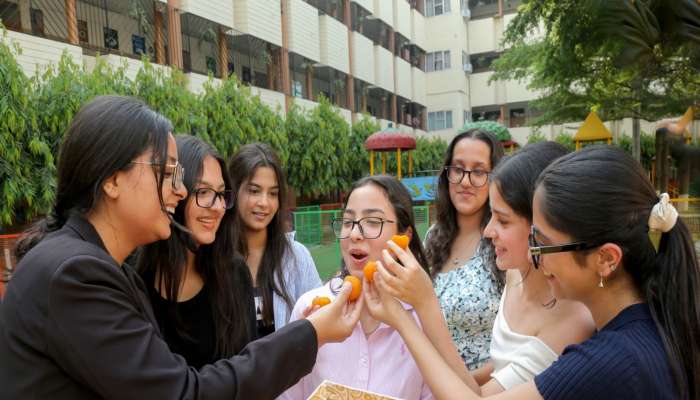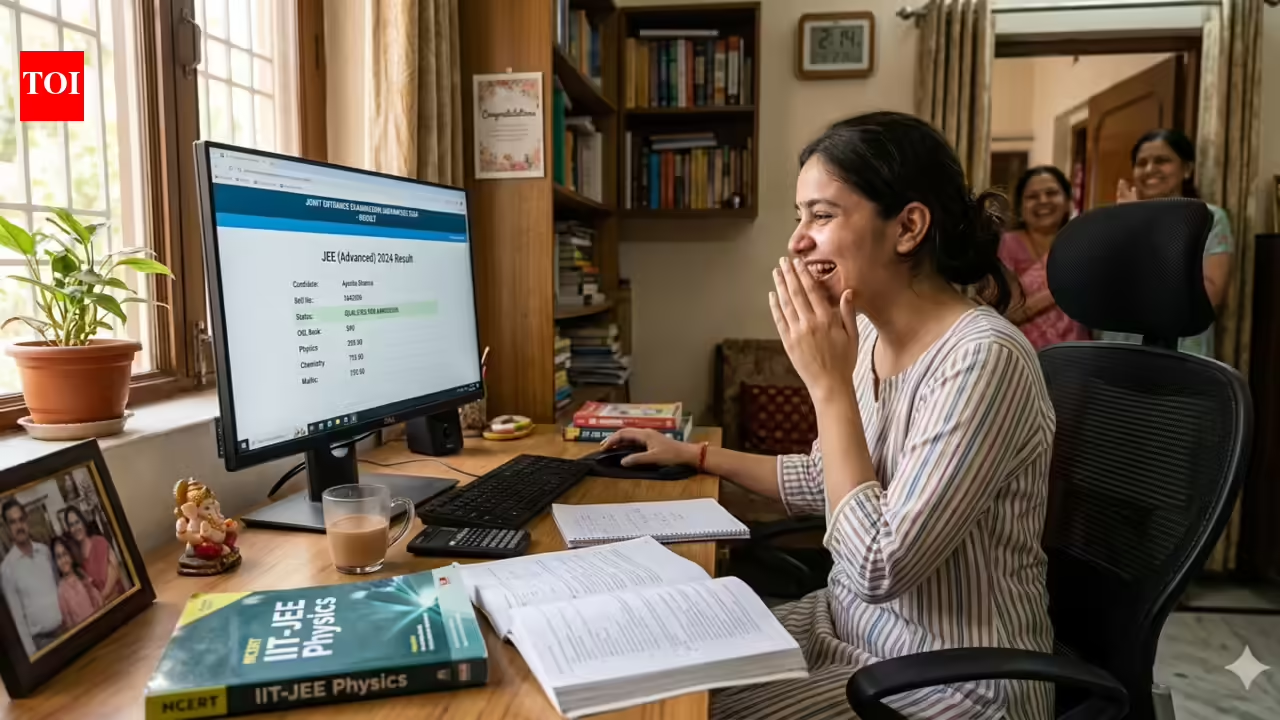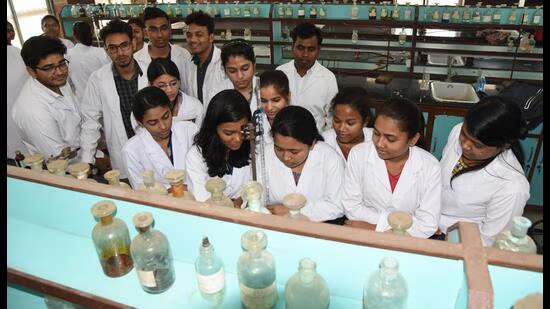
The announcement of JEE results resembles a festival in India. Young students work hard, as do their parents, to get a ticket to this well-deserved celebration of achievement. The big fact belongs to the girls in STEM this year. With 10,107 female candidates clearing JEE Advanced 2026, it is the highest pass percentage — one in five girls — witnessed so far.Expenditure on women’s education is still seen as an indulgence. Out of all women going abroad to study in elite institutions, only a third do it for STEM. (HT Archive)The lesser-known aspect of this success story is that a majority of these bright-eyed women engineers might end up leaving the world of engineering. Data on women in STEM continues to be an eye-opener. While almost half of all STEM graduates in India are women, they occupy barely 27% of the workforce. Their participation is even lower at 16-18% in the Research & Development vertical. Women’s proportion as researchers in India drops to 13% in the higher educational sector. Even in elite institutions like the older IITs, which this batch is starry eyed about joining, female faculty numbers are abysmally low at around 11%.Despite the inequality in workplace opportunities, this year’s result announcements offer hope, not just in the data, but also the anecdotes. Consider the story of the female topper, Arohi Deshpande. Her engineer parents relocated to Kota from Pune to be able to provide coaching opportunities to their daughter. Since even the first steps into STEM-related careers involve a hefty investment, female students continue to bear the brunt of attitudinal discrimination. Expenditure on women’s education is still seen as an indulgence. Out of all women going abroad to study in elite institutions, only a third do it for STEM. It is not a shocker, therefore, that out of around 900 Indian fellows of the Indian National Academy of Engineering, barely 2% happen to be women.We are a society that values engineers more than engineering. Just as we value big headlines more than the fine print. Therefore, inequalities meted out to women in STEM are rendered acceptable as occupational hazards. The rationalisation of discrimination as a social problem rather than an organisational issue delays redressal. Awaiting a social awakening to fix a policy gap is self-defeating.Girls are doing their best. They have been at it for a while. The State and the society have to match the spring in their step and stars in their eyes.
Girls are doing the heavy lifting
JEE results celebrate female achievement in STEM, with 10,107 girls passing, yet only 27% in the workforce. Inequalities persist, needing urgent action.
TL;DRAI
JEE Advanced 2026: 10,107 girls qualified (20% pass rate), the highest female percentage on record. STEM retention crisis: 50% of Indian graduates are women, but only 27% work in tech roles and 13% in research—a structural diversity and talent pipeline issue for CTO hiring.
407 words~2 min read