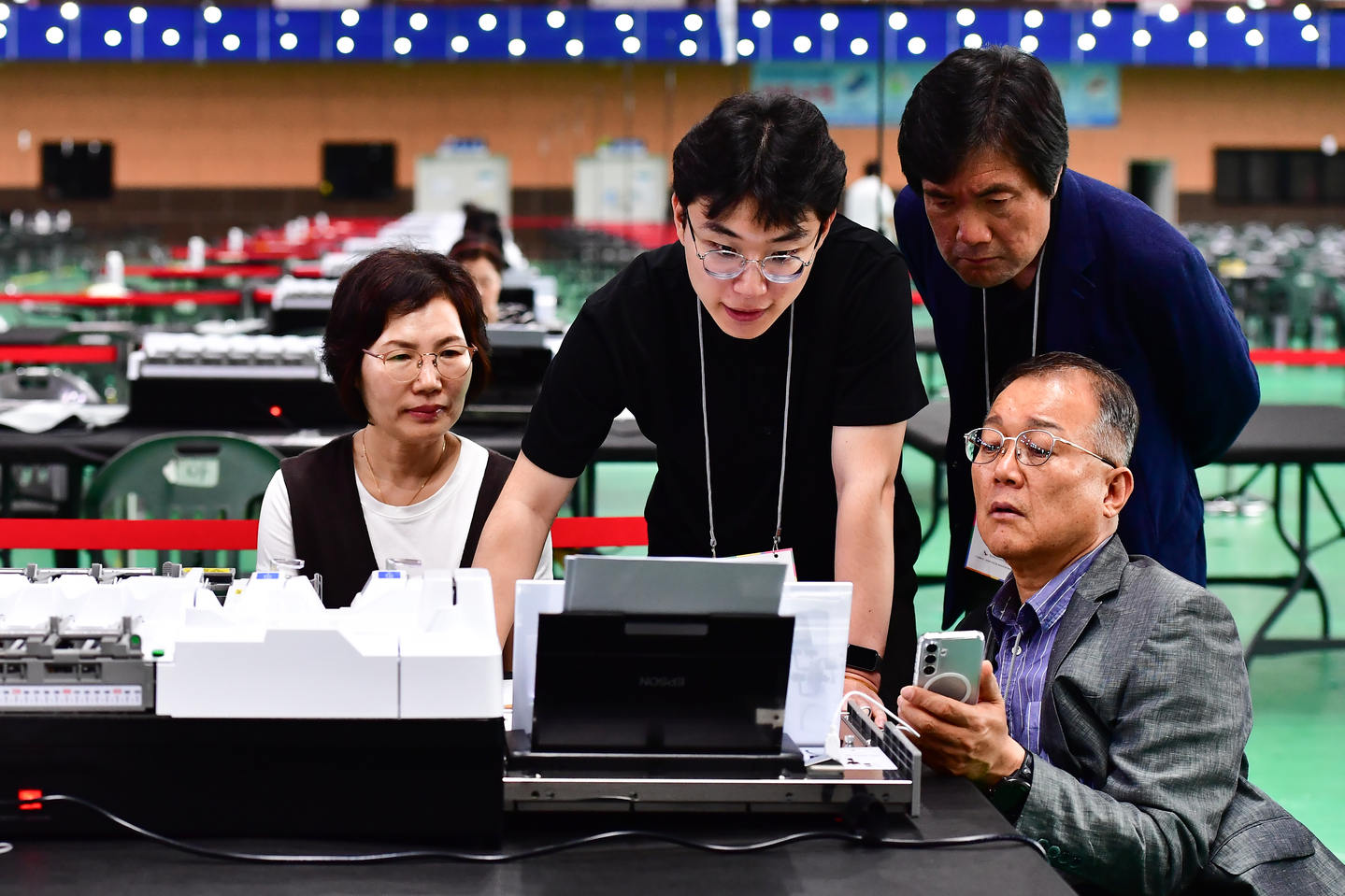
Civilian observers and National Election Commission officials inspect laptops connected to ballot-sorting machines at a vote-counting center set up at Manindang Hall in Pohang, North Gyeongsang, on June 2, one day before Korea’s June 3 nationwide local elections. [NEWS1]
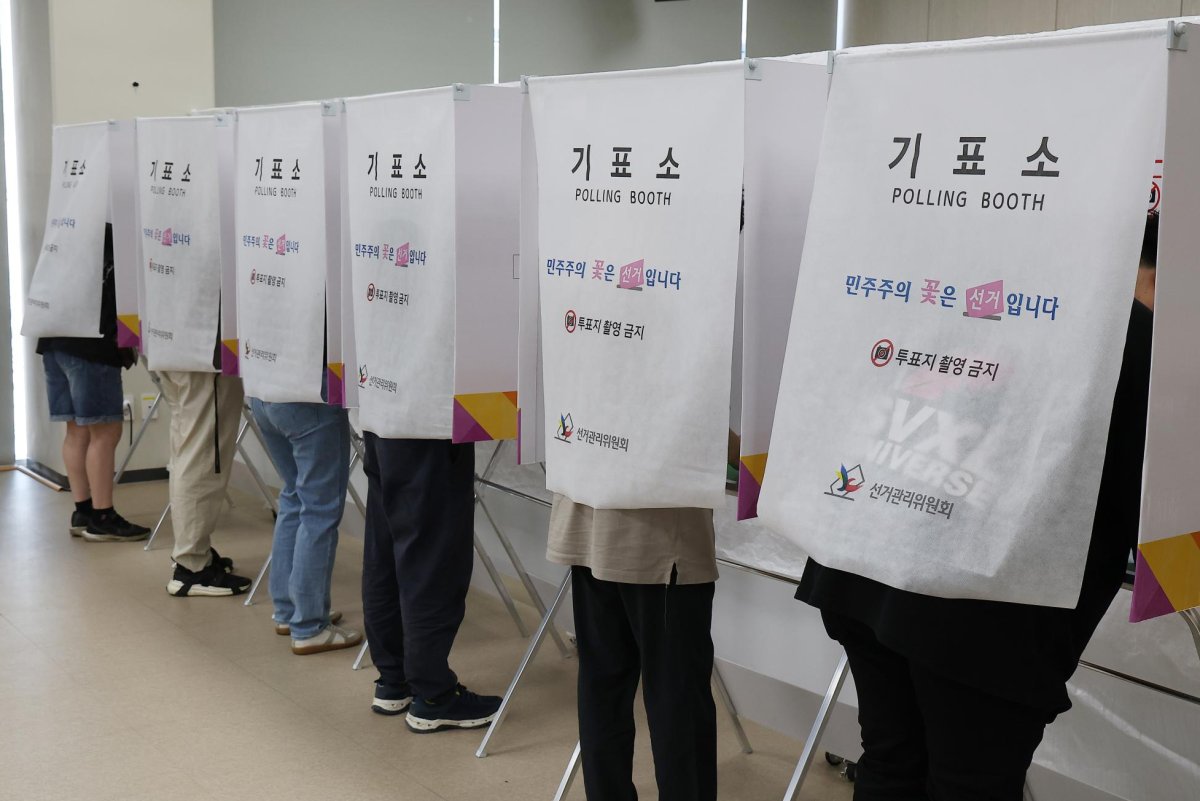
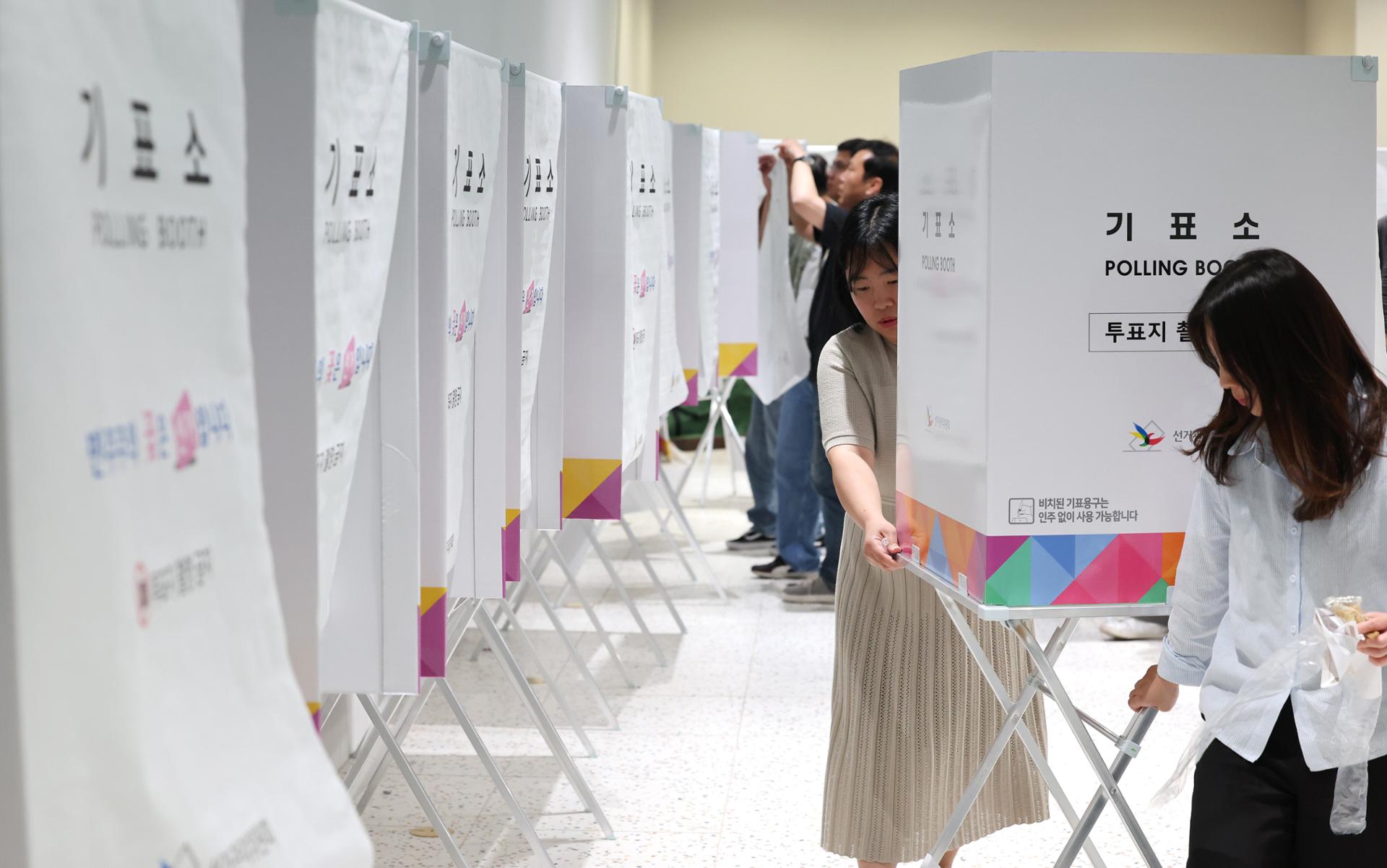
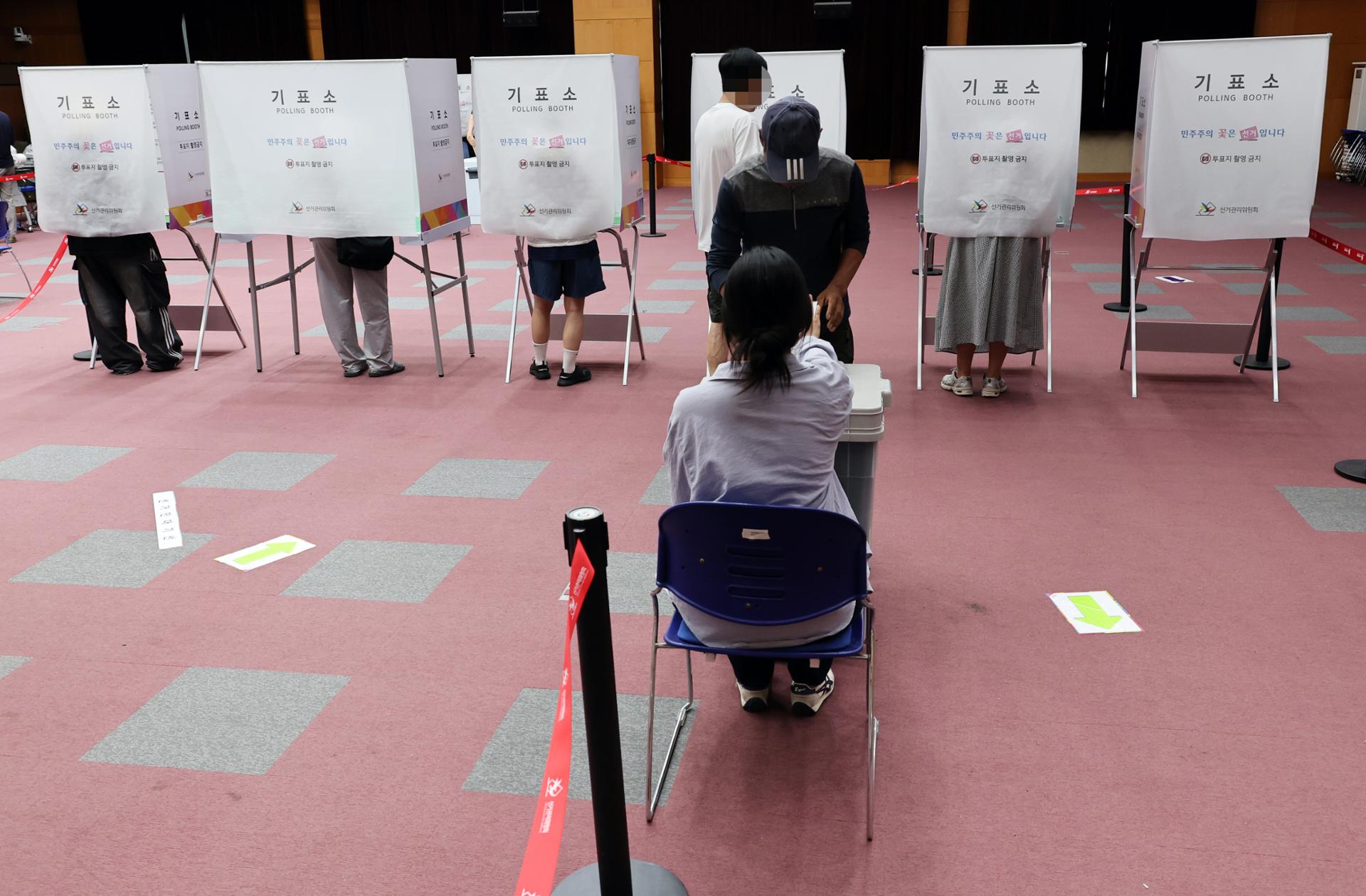
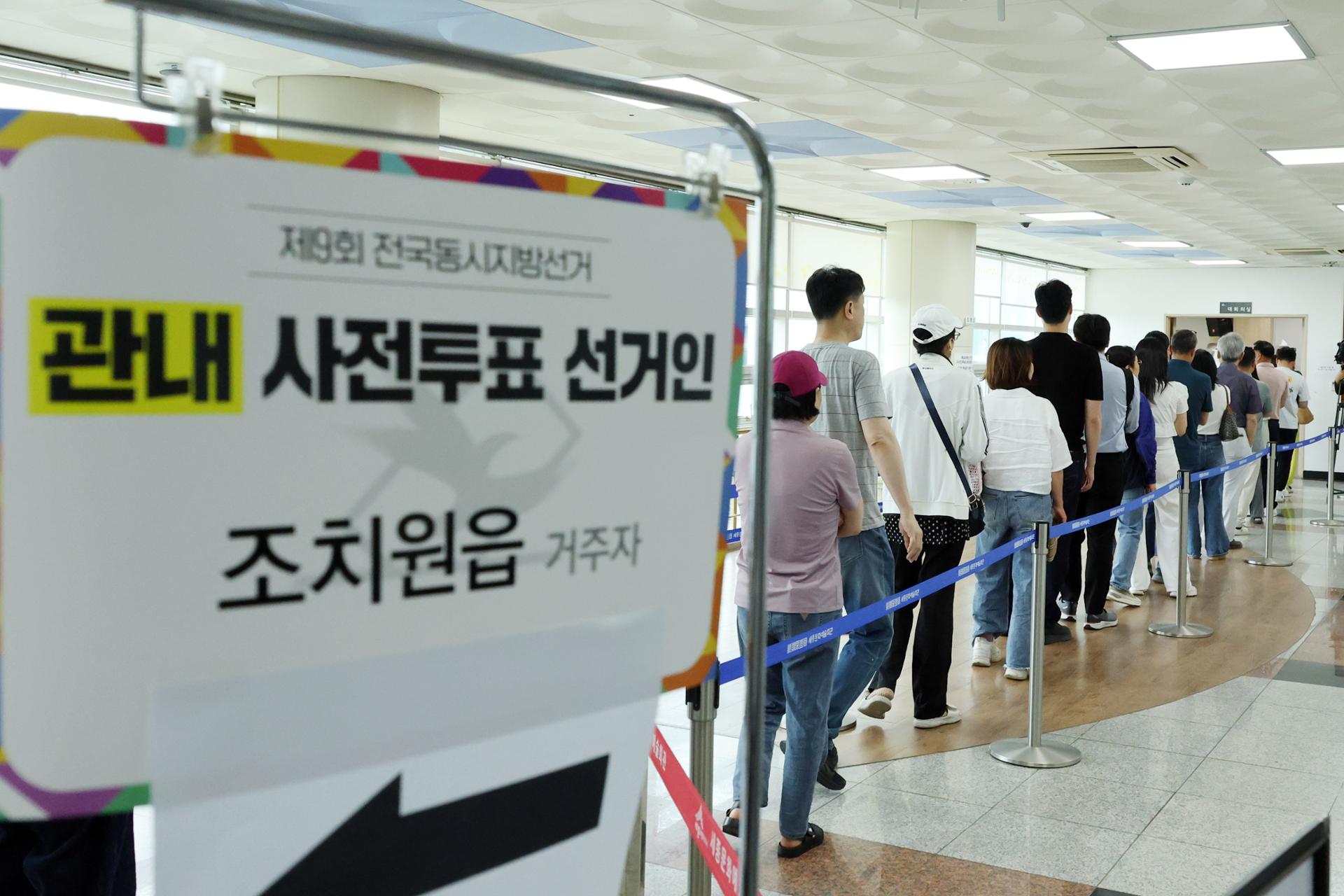
Today is Election Day for Korea’s June 3 local elections. Voters will choose governors, mayors, county chiefs, district heads and local council members who will serve four-year terms. Elections for provincial and metropolitan education superintendents, who help determine the direction of elementary, middle and high school education, will also be held.
Local elections carry significance comparable to presidential and parliamentary elections because they determine who will oversee policies that directly affect residents’ daily lives. Road maintenance, public transportation, welfare services, regional development and education are all matters handled by local governments and elected officials.
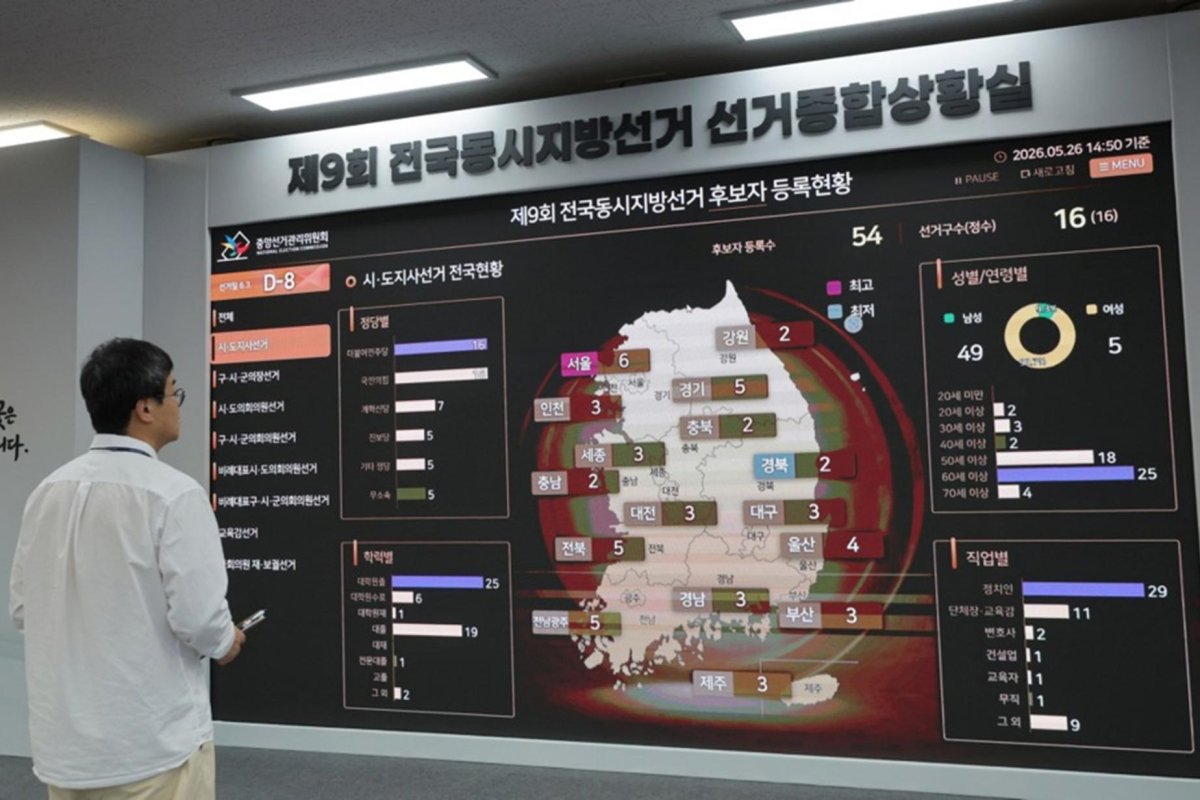
Depending on where they live, voters in this election may receive as many as eight ballots and must choose among numerous candidates. Evaluating the promises and qualifications of candidates ranging from mayoral contenders to district council hopefuls is no easy task. Even in education superintendent races, multiple candidates from progressive and conservative camps are competing, making it difficult for some voters to recognize even their names.