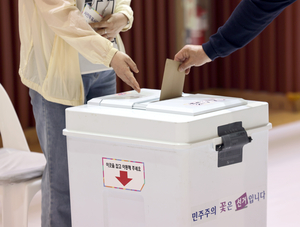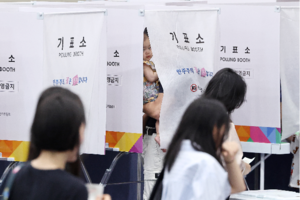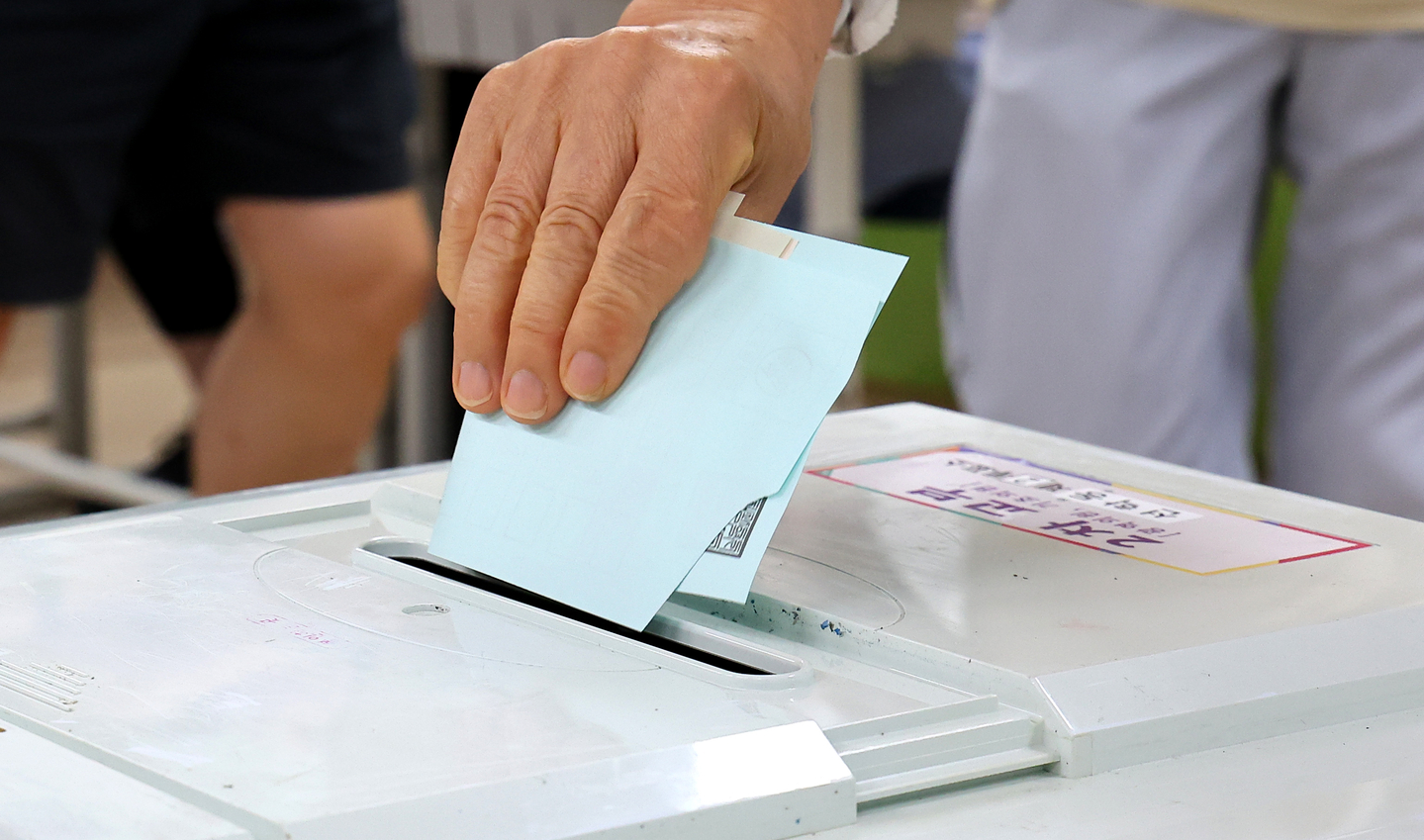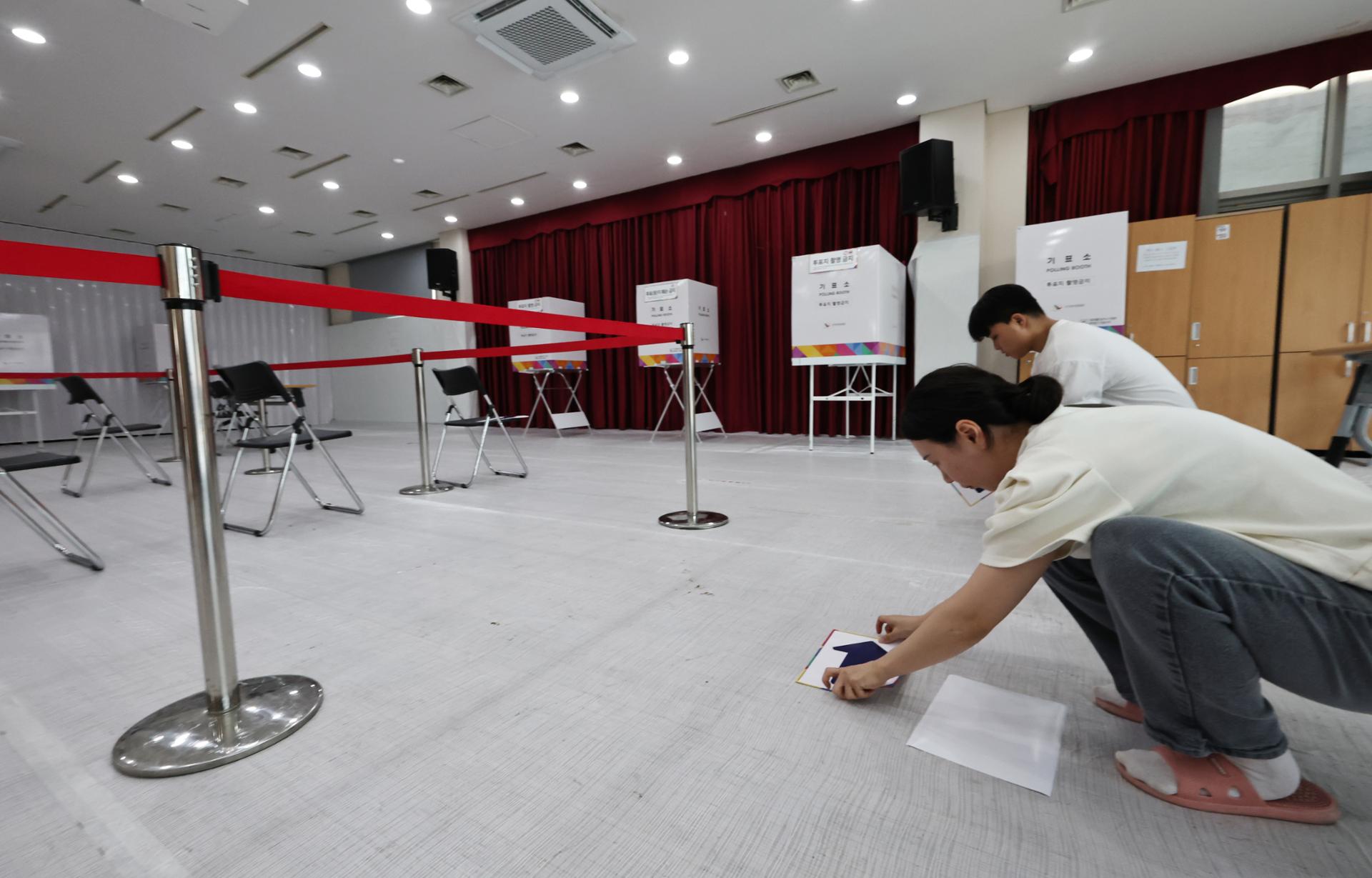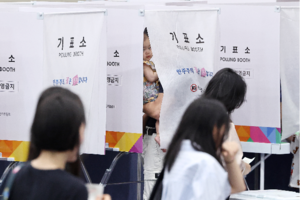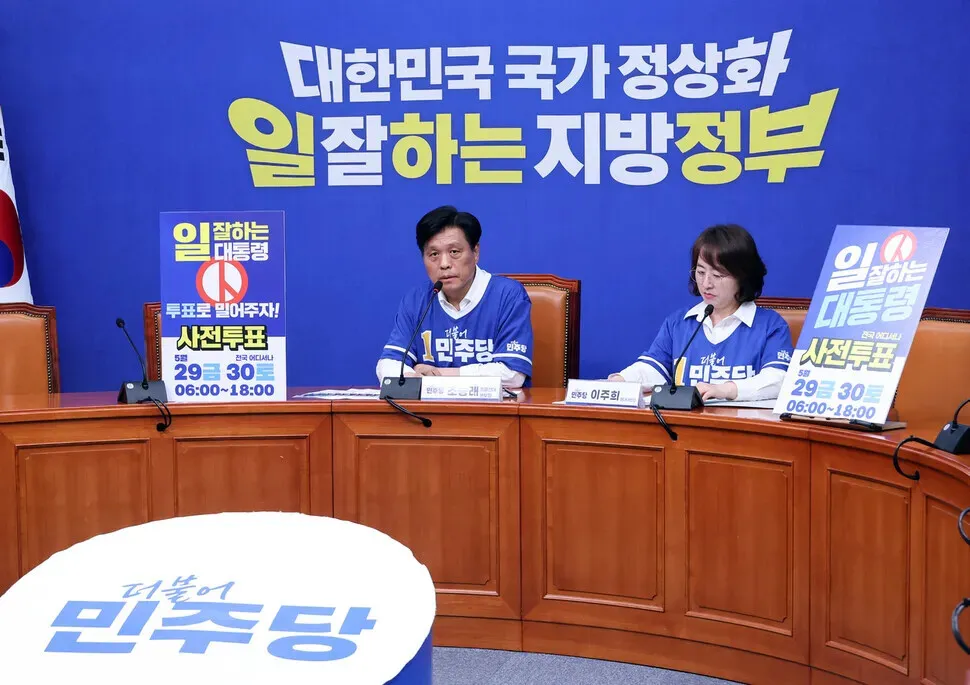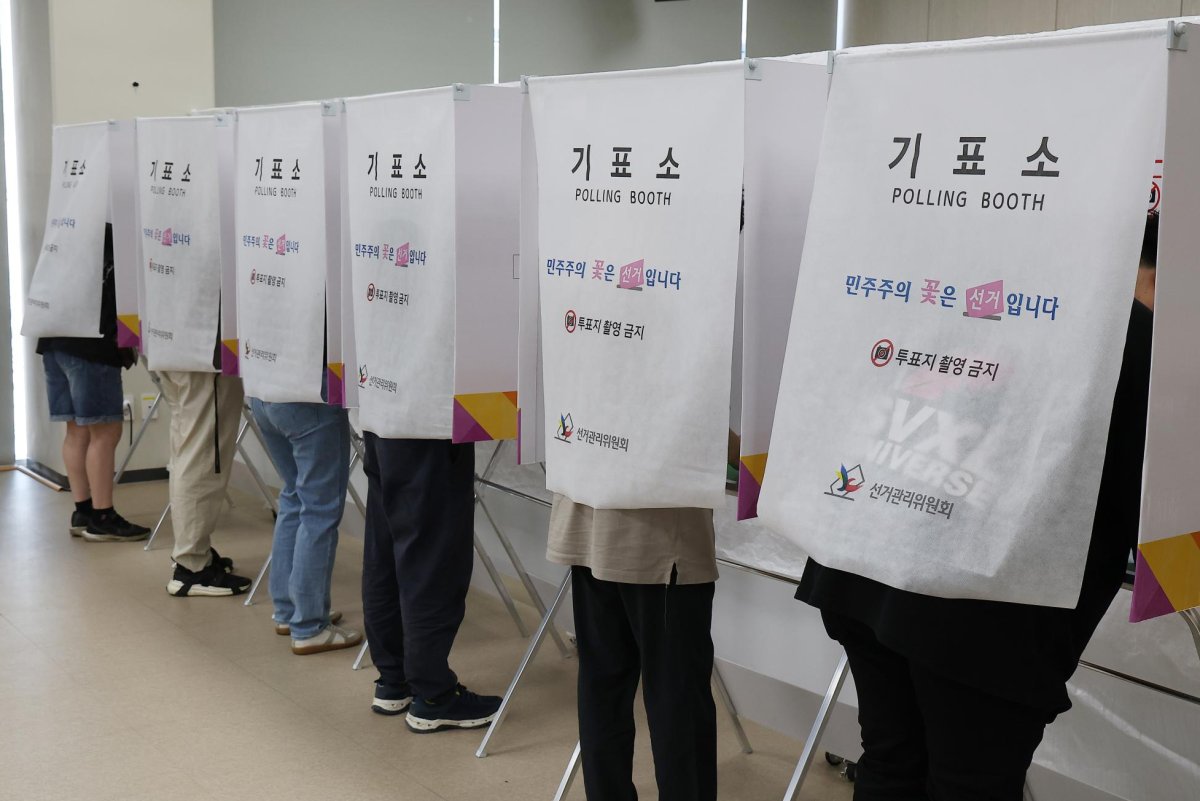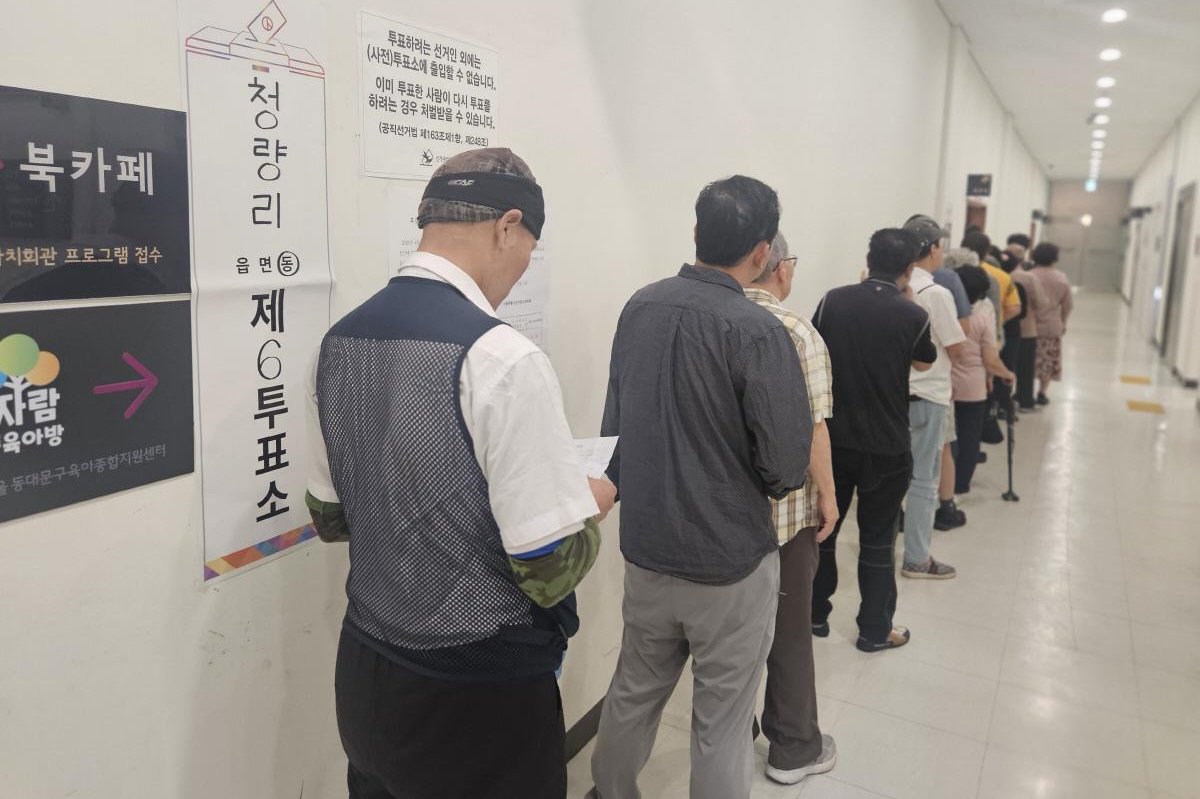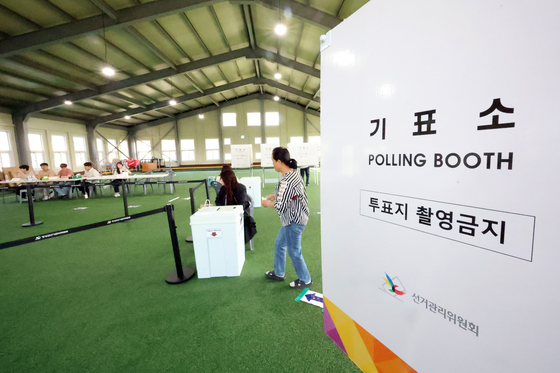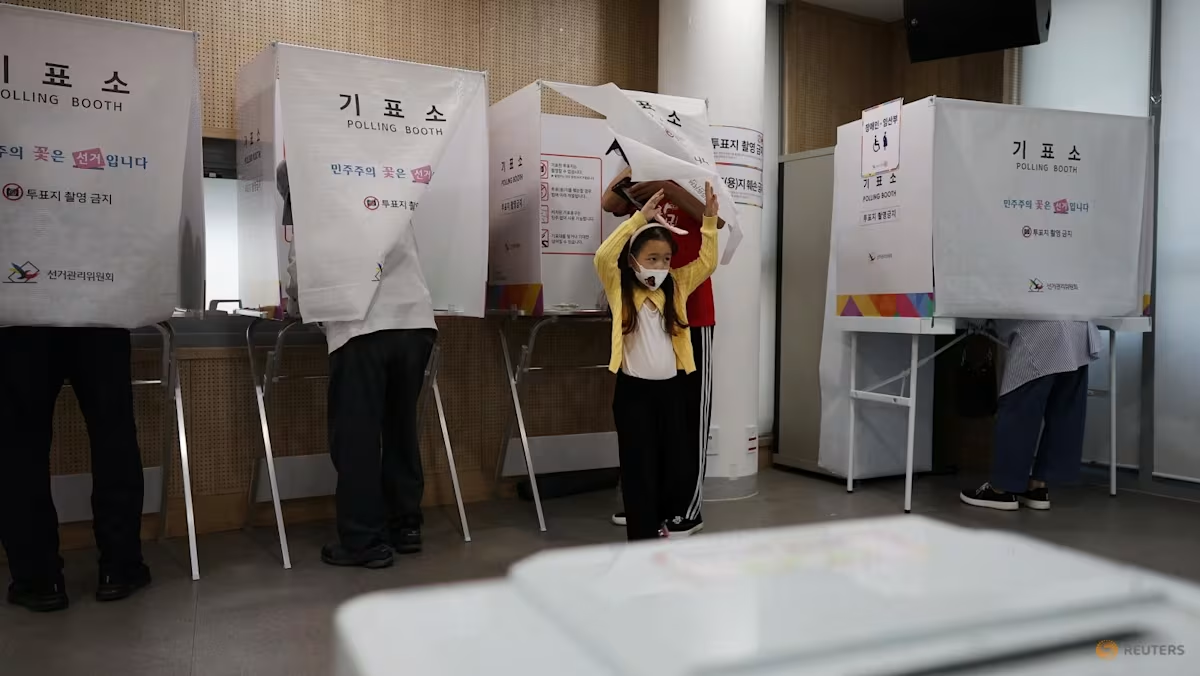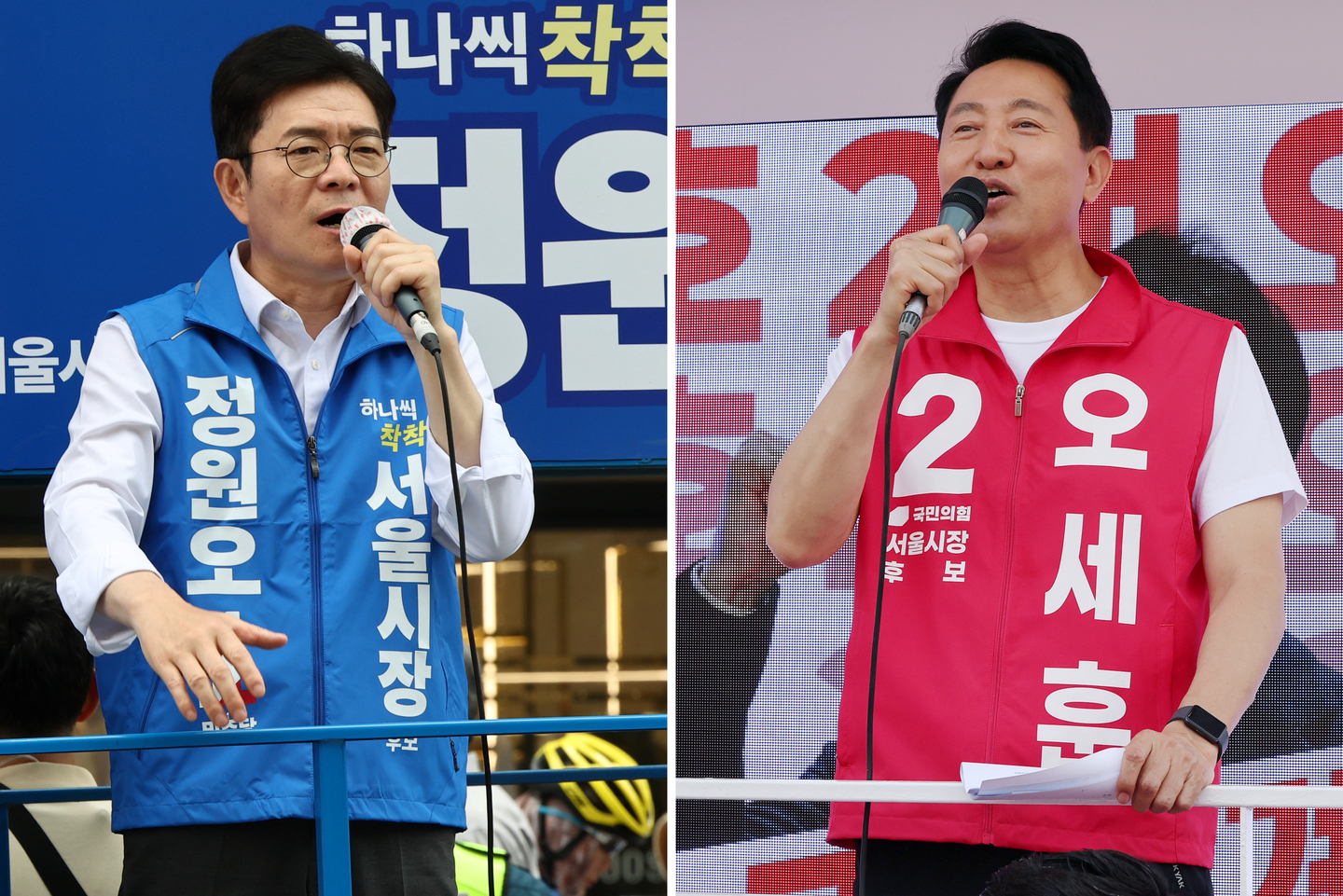
A display at the Seoul Metropolitan Election Commission in central Seoul on Tuesday shows one day remaining until South Korea's ninth nationwide local elections, ahead of Wednesday's vote. (Newsis) South Korea is set to hold nationwide local elections on Wednesday, with voters choosing governors, mayors, local council members and education superintendents across the country.The elections mark the ninth nationwide local elections since the restoration of local autonomy in 1995. Local elections are held every four years, midway between National Assembly elections, a schedule designed to prevent the two major electoral events from overlapping and to allow voters to assess local and national politics separately.This year's election is widely viewed as the first nationwide electoral test of the administration of President Lee Jae Myung since he took office last year following the impeachment and removal of former President Yoon Suk Yeol over his failed martial law declaration on Dec. 3, 2024.The ruling Democratic Party of Korea has framed the vote as an opportunity to consolidate support for the new administration and complete what it describes as the process of overcoming the political turmoil triggered by Yoon's presidency.The main opposition People Power Party has portrayed the election as a referendum on the Lee administration's first year in office and a chance to check what it describes as the ruling camp's growing dominance and political arrogance. Election officials inspect campaign posters for candidates running in the June 3 local elections at the Yeonsu District Election Commission in Incheon on May 20. (Yonhap) Who is being elected?Voters will elect a total of 4,227 officials, including the heads of 16 metropolitan and provincial governments, local council members, district chiefs, county heads and education superintendents.The elections are being held alongside by-elections for 14 National Assembly seats.One vacancy was created after President Lee resigned his Assembly seat upon becoming president. Other vacancies resulted from lawmakers resigning to run in local races or from court rulings that invalidated election victories or stripped elected officials of their eligibility to hold office.Several prominent politicians also gave up their Assembly seats to pursue local executive positions.Among them is six-term Democratic Party lawmaker Choo Mi-ae, a former justice minister and former chair of the Democratic Party, who is running for governor of Gyeonggi Province, the country's most populous province.Former People Power Party floor leader Choo Kyung-ho is running for mayor of Daegu. A veteran economic policymaker, Choo previously served as deputy prime minister and finance minister under the Yoon administration. Chong Won-o (left photo), Seoul mayoral candidate for the ruling Democratic Party of Korea, and incumbent Oh Se-hoon (right photo), candidate for the main opposition People Power Party, campaign near Yeouido Post Office and at Namdaemun Market in Seoul on Tuesday, one day ahead of the June 3 local elections. (Yonhap) A test for party leadersThe outcome could also affect the political standing of the leaders of both major parties.Democratic Party chair Rep. Chung Chung-rae, who succeeded President Lee as party leader last year, faces another leadership election in August. A strong showing by the ruling party could bolster his bid for a renewed mandate.People Power Party chair Rep. Jang Dong-hyeok likewise faces pressure. Since taking over the conservative party's leadership last year amid the fallout from Yoon's impeachment, Jang has faced persistent calls from critics within the party to take responsibility for declining approval ratings.Early voting reaches record highA total of 44.6 million voters are eligible to cast ballots in this year's elections.Two days of early voting concluded Saturday with a turnout of 23.51 percent, the highest ever recorded in local elections since the introduction of the system in 2014. More than 10.4 million voters cast ballots during the advance voting period.South Jeolla Province recorded the highest early voting turnout this year, while Daegu posted the lowest rate among major regions.Voters who did not participate in early voting may cast ballots on Election Day only at their designated polling stations. During the early voting period, voters were allowed to vote at any polling station nationwide regardless of their registered residence.Foreign votersForeign nationals who have held permanent resident status and lived in South Korea for at least three years are eligible to vote in local elections.While foreign residents may participate in local elections, they are not allowed to vote in presidential or National Assembly elections.Polls will be open from 6 a.m. to 8 p.m. on Election Day. More than 14,000 polling stations have been set up nationwide for the vote, according to the National Election Commission.For more information, visit the National Election Commission website at nec.go.kr.
What to know about South Korea's June 3 local elections
South Korea is set to hold nationwide local elections on Wednesday, with voters choosing governors, mayors, local council members and education superintendents
TL;DRAI
South Korea votes June 3 for 4,227 local officials with record 23.51% early turnout, testing the Lee administration's political standing. The domestic political outcome carries no implications for tech governance, enterprise compliance, or technology market trends.
755 words~3 min read