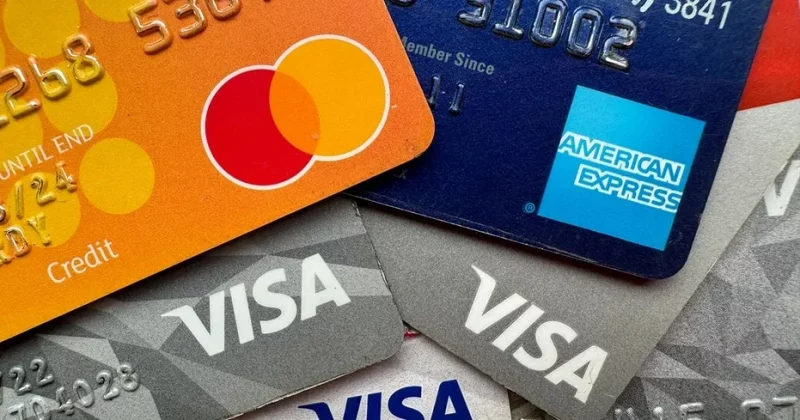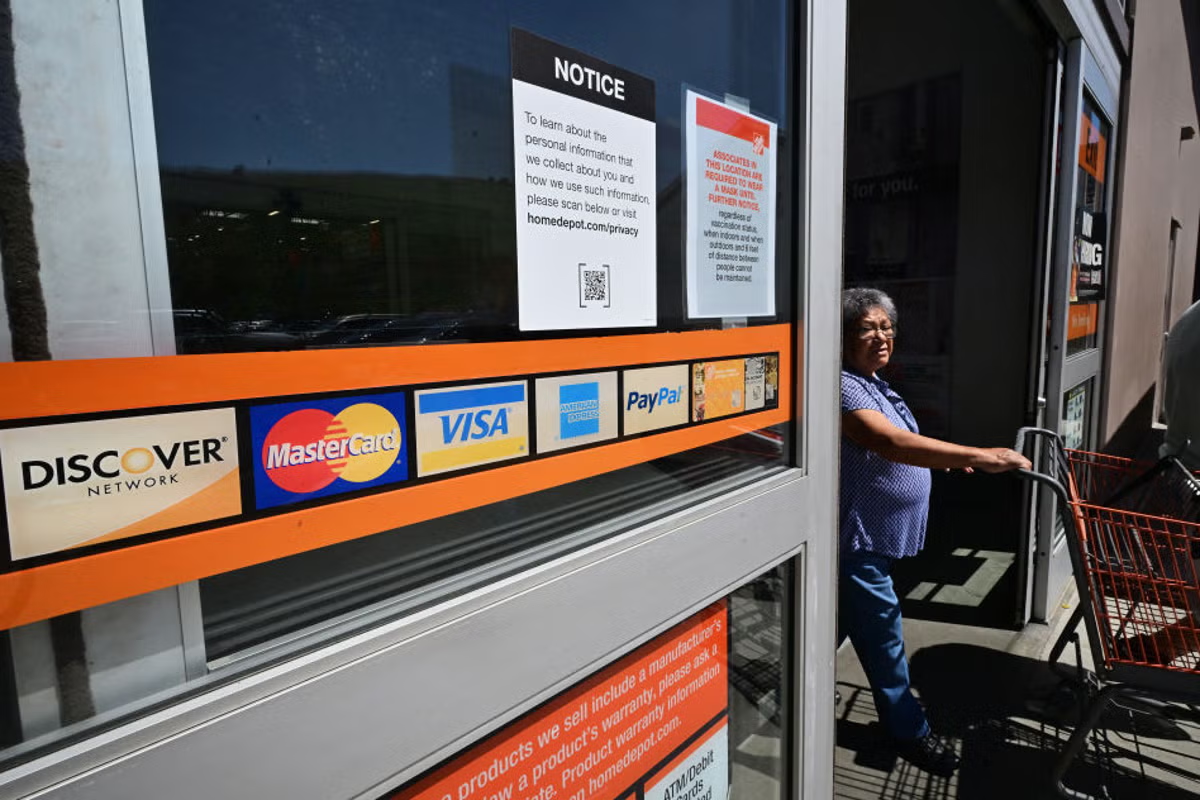
Americans are avoiding their credit card debt at nearly all costs. Roughly 78 percent of residents say they carry a balance on their credit card, but 20 percent say they would put off getting professional help with their debt until it’s a last resort, according to a new survey from credit counselor Consolidated Credit. “Waiting until you are in a financial crisis to get help is like waiting until your engine blows up to change the oil,” Consolidated Credit Director of Financial Education April Lewis- Parks said in a statement. “The earlier you address the problem, the easier and cheaper it is to fix.”The share of consumers willing to get help with their credit card debt dropped to 15 percent for those with collective balances of at least $10,000. The data comes as Americans face an affordability crisis amid soaring inflation, pricey interest rates and near-record-high credit card debt. Consumers are less willing to seek help for credit card debt when their balances rise to $10,000 or more (AFP/Getty)As the Iran war rages on, consumers continue to feel its impact on the cost of everyday goods in the United States. Gas prices have risen by more than 50 percent since the United States first attacked Iran on February 28. In May, every state in the country had an average gas price of at least $4. Higher energy prices contributed to a 3.8 percent inflation rate in April, which marked another year high. The price of staples such as beef and tomatoes jumped by double-digit percentage points from March to April, increasing pressure on Americans’ wallets. The Trump administration has seemed unfazed by the rising costs, noting on several occasions that the president is aware of the higher prices but does not consider them when negotiating peace deals with Iran. Many consumers are turning to their credit cards to make up for the household budget shortfalls the higher cost of living is creating. Everyday spending makes up the majority of the average American’s credit card debt (Getty)Nearly three-quarters of their credit card debt - around $883 billion - is tied to everyday spending, a January report from Kansas City-based Academy Bank found. At the time, credit card debt had reached an all-time high of $1.3 trillion, according to the Federal Reserve Bank of New York.Credit card balances have since fallen by $25 billion, according to data from the New York Fed for the first three months of 2026. That drop may be due to consumers using tax returns to pay off debt, a February analysis by Morgan Stanley found. Whether making progress on paying down their debt or not, consumers are facing average credit card interest rates of 21 percent, hovering near 2024’s all-time highs, according to the Fed.
1 in 5 Americans wait until last second to get help with credit card debt
Consumers are facing more than $1 trillion in credit card debt
458 words~2 min read