Stay up to date with notifications from The IndependentNotifications can be managed in browser preferences.Jump to contentThank you for registeringPlease refresh the page or navigate to another page on the site to be automatically logged inPlease refresh your browser to be logged inAllNewsSportCultureLifestyleDespite the high debt, 20 percent of consumers delay seeking professional help until it's a last resort, a reluctance that increases for those with balances exceeding $10,000 (Getty/iStock)Americans are facing over $1 trillion in credit card debt, with 78 percent of residents carrying a balance. Despite the high debt, 20 percent of consumers delay seeking professional help until it's a last resort, a reluctance that increases for those with balances exceeding $10,000. The surge in debt is driven by an affordability crisis, marked by soaring inflation, high interest rates, and increased costs for everyday goods, including a 50 percent rise in gas prices since February 28. Nearly three-quarters of this credit card debt, approximately $883 billion, is being used by consumers to cover daily expenses and household budget shortfalls. While credit card debt reached a peak of $1.3 trillion, it declined by $25 billion in the first quarter of 2026, possibly due to tax refunds, though average interest rates remain high at 21 percent.In full1 in 5 Americans wait until reaching a breaking point to get help with credit card debtThank you for registeringPlease refresh the page or navigate to another page on the site to be automatically logged inPlease refresh your browser to be logged in
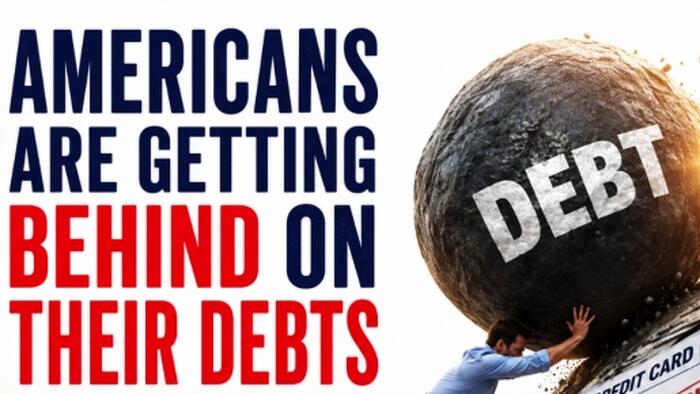
Americans drowning in $1 trillion debt as bills spiral out of control
Stay up to date with notifications from The IndependentNotifications can be managed in browser preferences.Jump to contentThank you for registeringPlease refresh the page or navigate to another page on the site to be automatically logged inPlease refresh your browser to be logged inAllNewsSportCultureLifestyleDespite the high debt, 20 percent of consumers delay seeking professional help until it's a last resort, a reluctance that increases for those with balances exceeding $10,000 (Getty/iStock)Americans are facing over $1 trillion in credit card debt, with 78 percent of residents carrying a balance. Despite the high debt, 20 percent of consumers delay seeking professional help until it's a last resort, a reluctance that increases for those with balances exceeding $10,000. The surge in debt is driven by an affordability crisis, marked by soaring inflation, high interest rates, and increased costs for everyday goods, including a 50 percent rise in gas prices since February 28. Nearly three-quarters of this credit card debt, approximately $883 billion, is being used by consumers to cover daily expenses and household budget shortfalls. While credit card debt reached a peak of $1.3 trillion, it declined by $25 billion in the first quarter of 2026, possibly due to tax refunds, though average interest rates remain high at 21 percent.In full1 in 5 Americans wait until reaching a breaking point to get help with credit card debtThank you for registeringPlease refresh the page or navigate to another page on the site to be automatically logged inPlease refresh your browser to be logged in