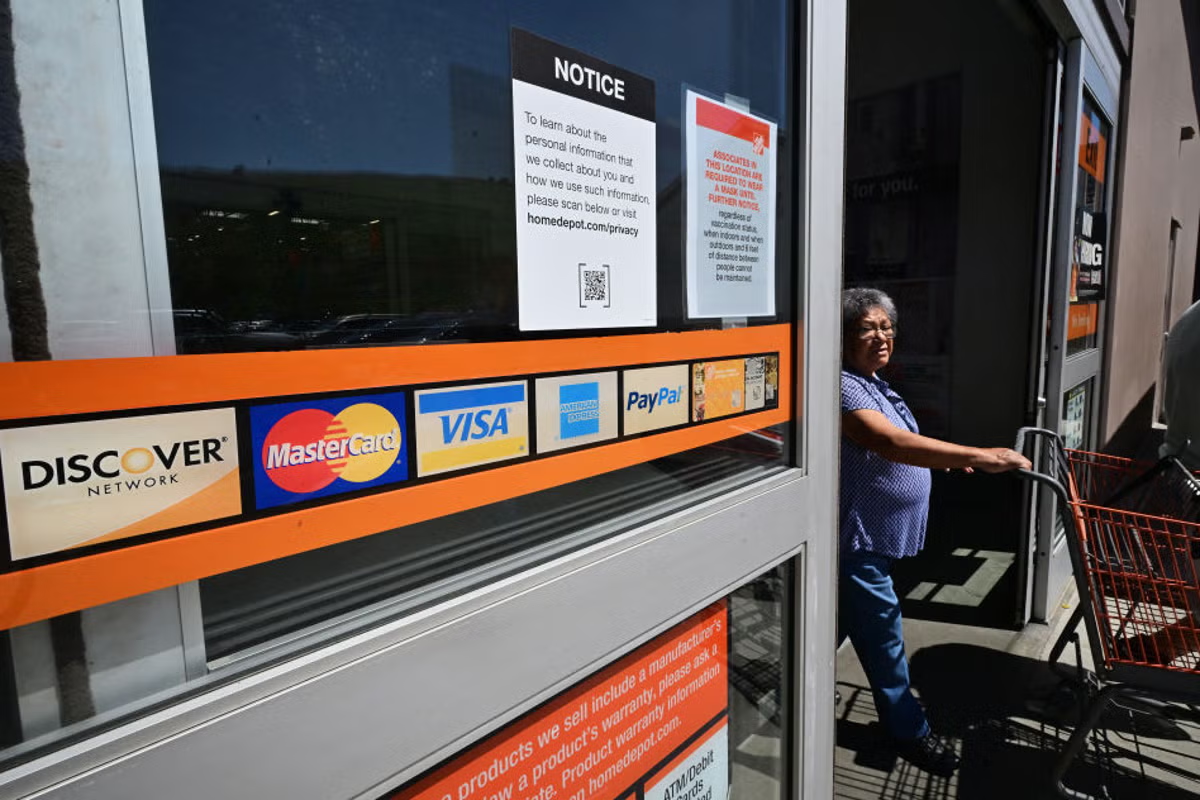
Americans have racked up a collective $1.23 trillion in credit card debt as of the third quarter of 2025, according to New York Fed data.
Some households are turning to credit cards and buy now, pay later loans to cover their everyday essentials as the costs of basic necessities, including rent, groceries and utilities, have risen in recent years.
But others are simply spending beyond their means. Nearly 30% of Americans reported overspending on luxuries and comforts, a 2023 survey from financial services company Empower found.
When individuals try to rein in their impulsive spending, they often go to one of two extremes: chaos or rigidity, Jaelyn Vickery, a certified financial therapist who specializes in the psychology of consumption, tells CNBC Make It. Between the two extremes, “Adaptability is what is most important,” to develop healthy spending habits, she says.
Chaos can look like saying, “Well, I already messed up, so I might as well just go all the way off the deep end,” and continue to overspend, she says. Rigidity, on the other hand, may look like enforcing a strict budget that doesn’t allow you to enjoy any discretionary spending.