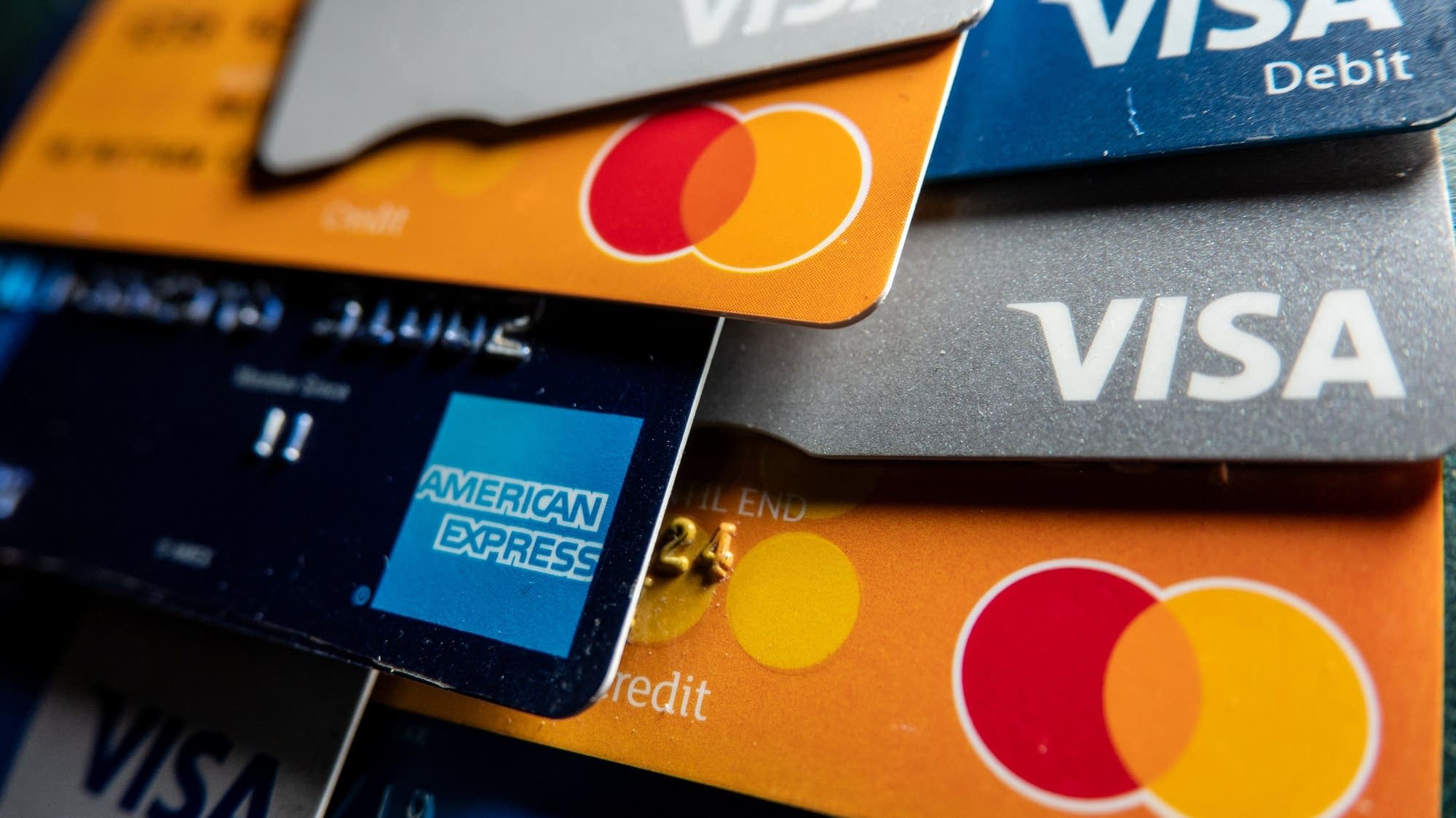
Because of the extremely high interest rates, credit cards are one of the most expensive ways to borrow money.
Even so, at least one-third of credit card users carry a balance from one month to the next, according to the Federal Reserve Bank of Boston.
However, a new paper published by the Boston Fed found that when credit card interest rates change, cardholders adjust their spending accordingly.
On average, a 1 percentage point increase in the annual percentage rate, or APR, on a credit card leads to a roughly 9% drop in credit card spending the following month — which is an “economically meaningful response,” the researchers found.
When borrowing becomes more expensive and consumers spend less on their cards, they also reduce their debt burden, the report found.