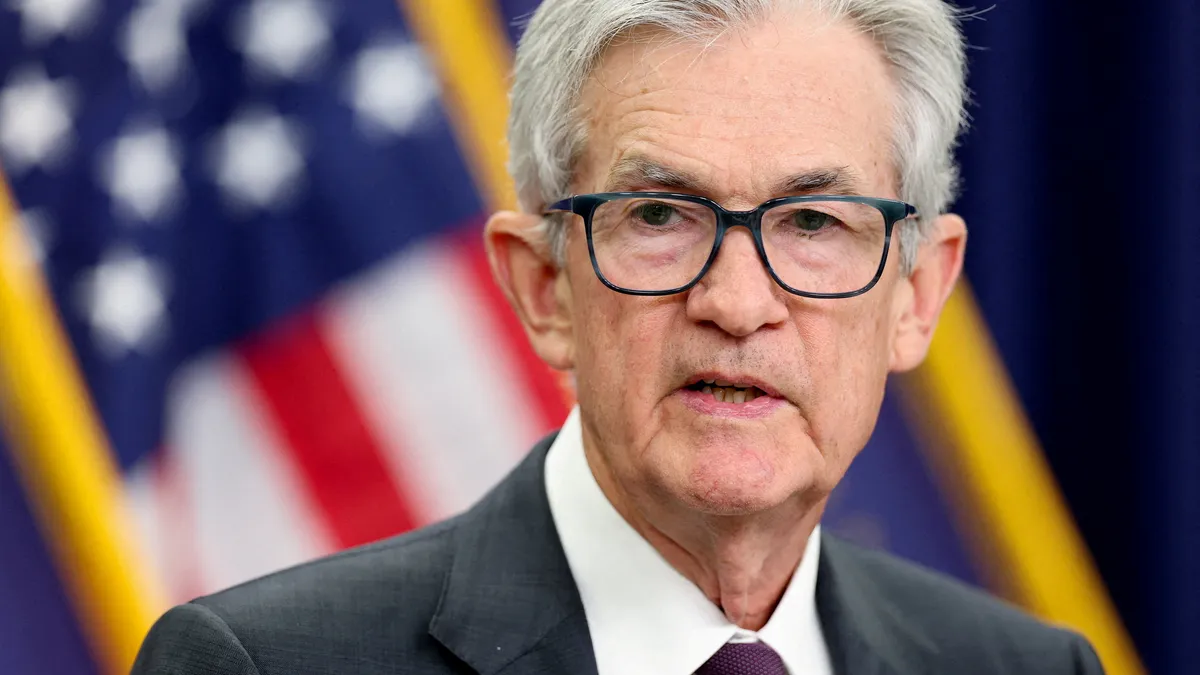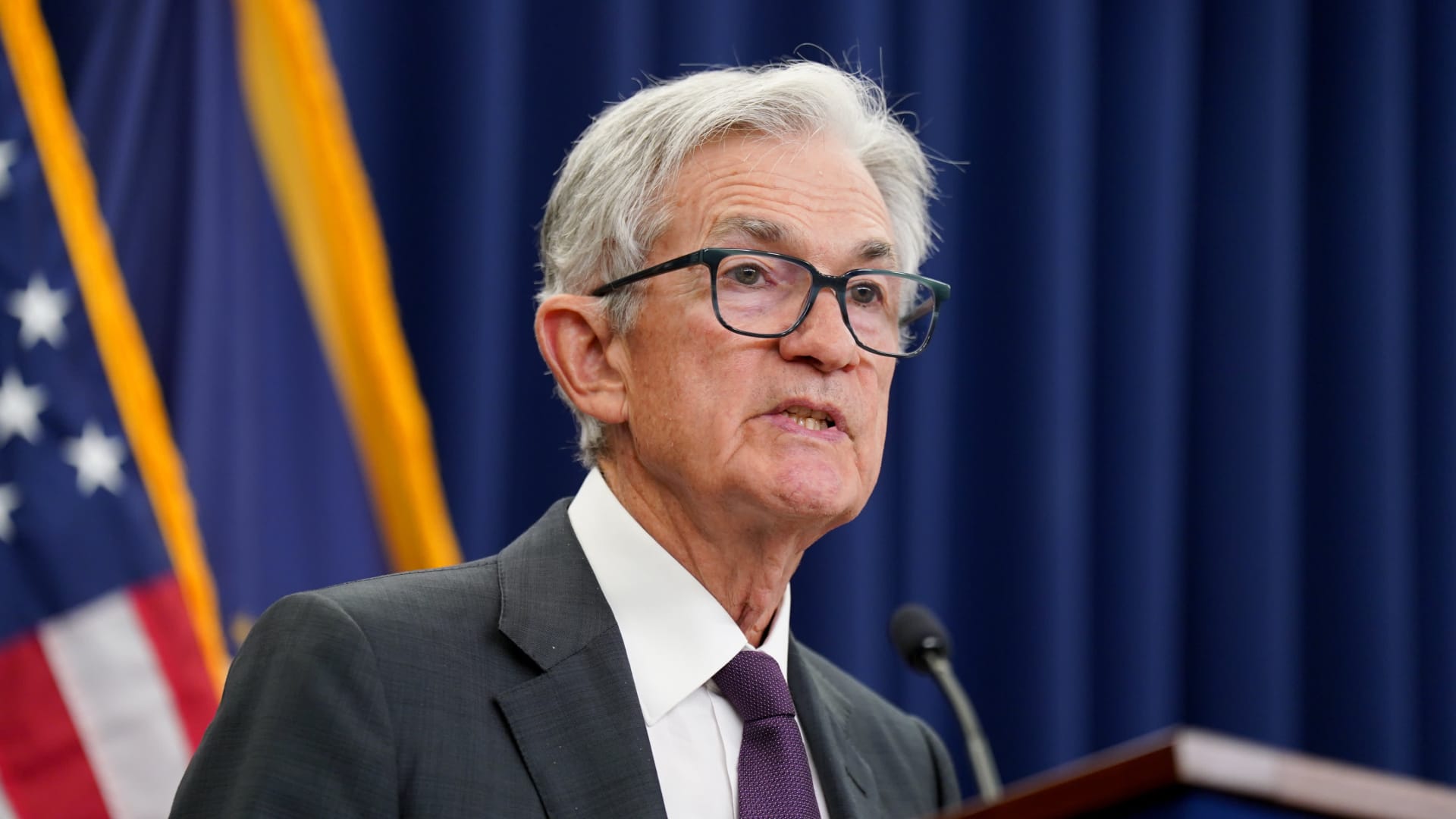
Americans may feel somewhat removed from the Federal Reserve, but the central bank’s moves have a ripple effect on many types of consumer products, most notably the credit cards in their wallet.
Nearly half of American households have credit card debt and pay more than 20% in interest, on average, on their revolving balances — making credit cards one of the most expensive ways to borrow money.
“For millions of American households, credit card debt represents their highest-cost debt by a wide margin,” said Ted Rossman, senior industry analyst at Bankrate.
Since most credit cards have a variable rate, there’s a direct connection to the Fed’s benchmark. When the Fed cuts rates, the prime rate lowers, too, and the interest rate on that credit card debt is likely to follow within a billing cycle or two.
And yet, credit card APRs aren’t falling much at all.