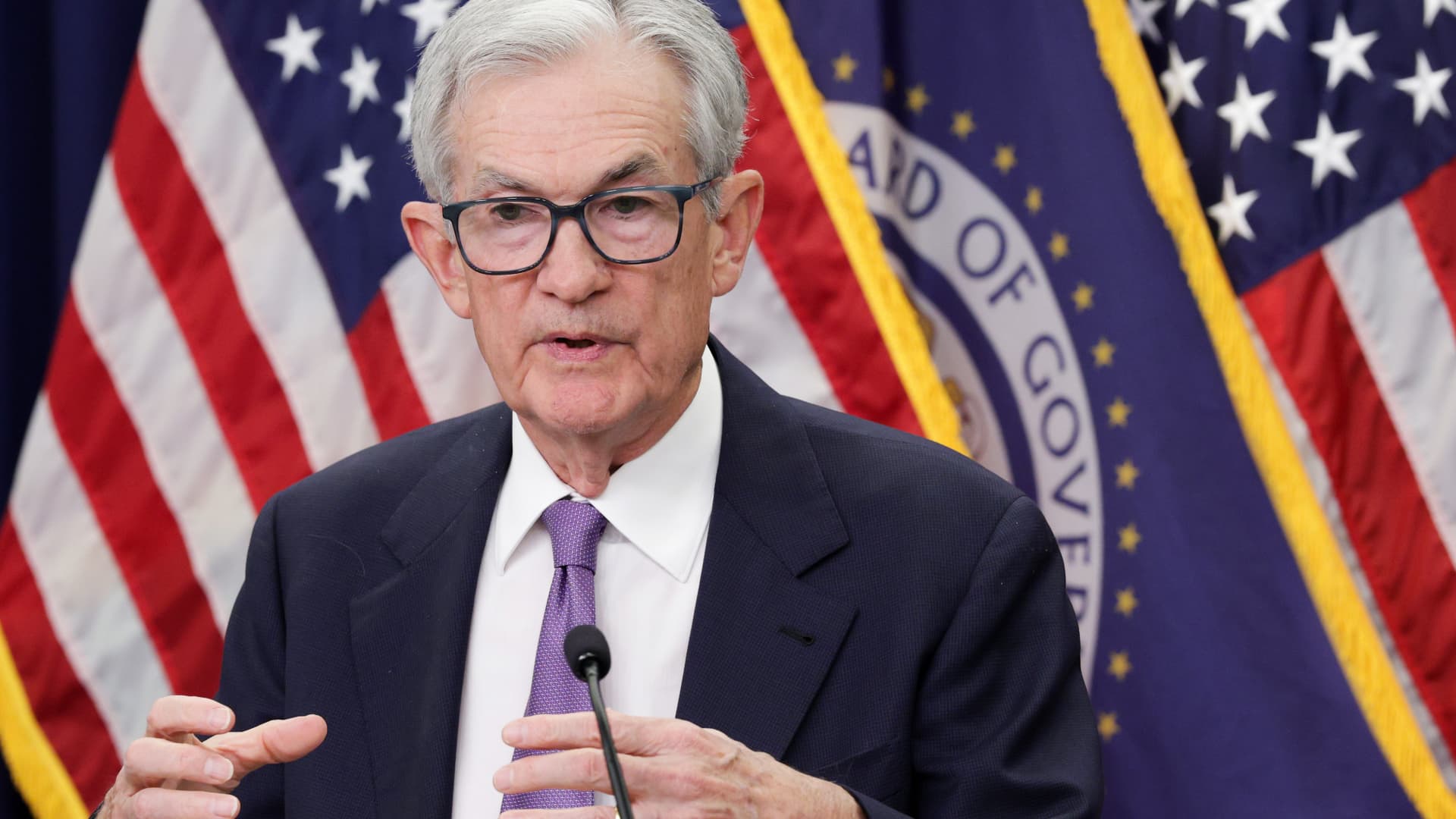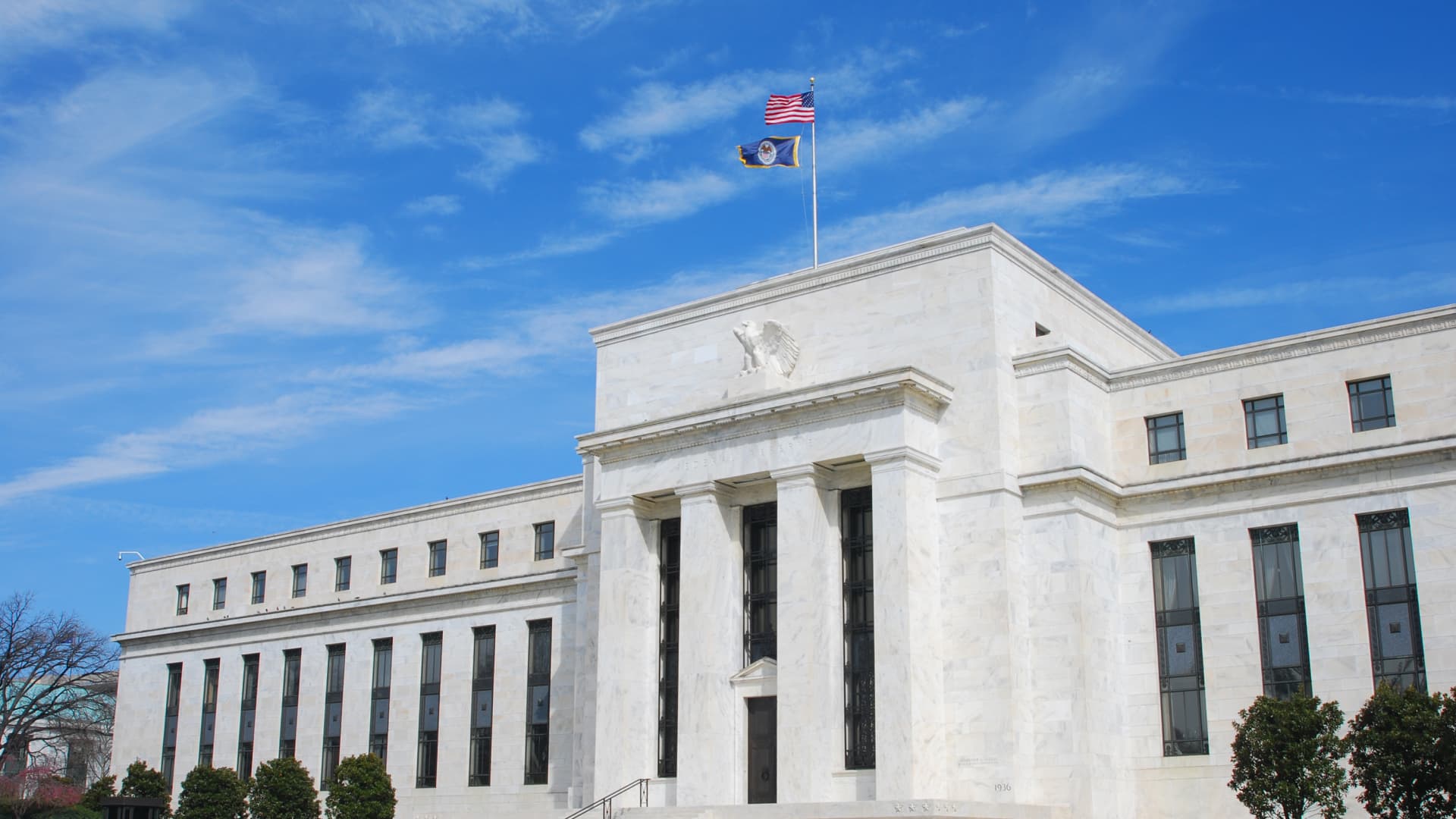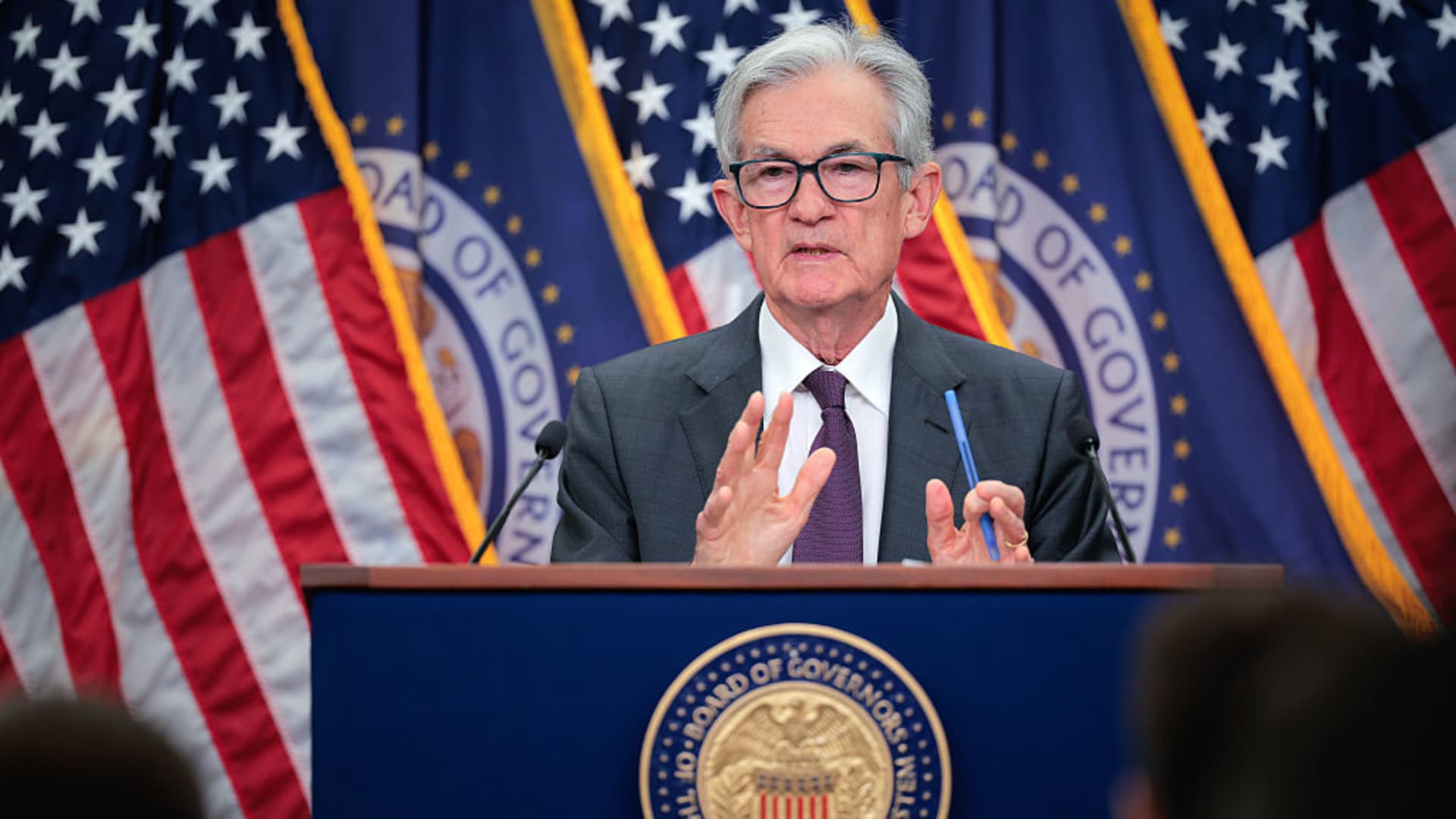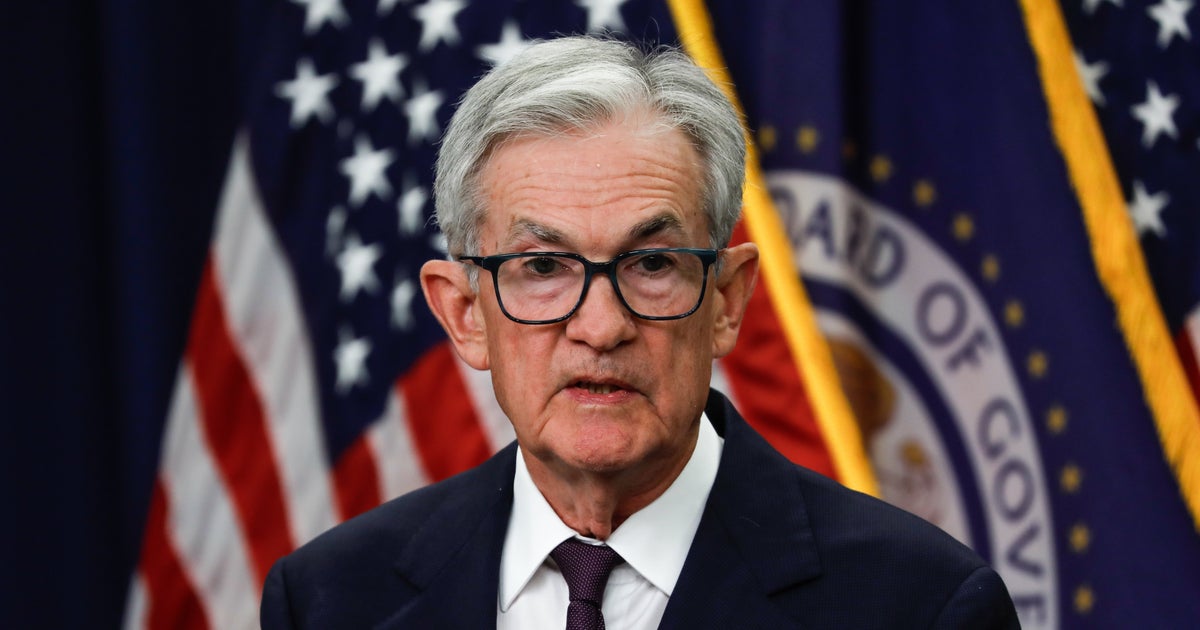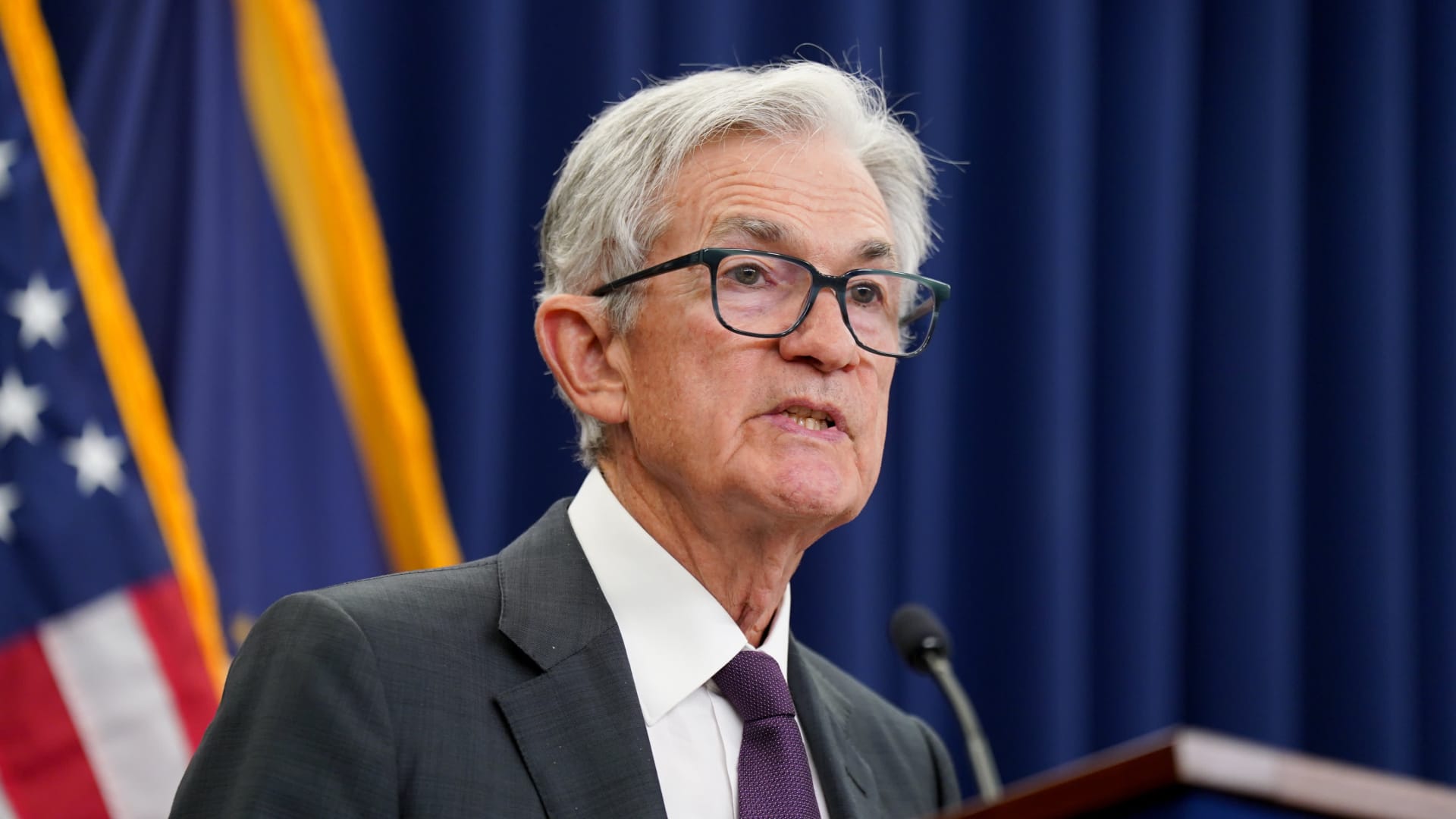
The Federal Reserve cut borrowing costs for the second time in a row on Wednesday.
Lowering the federal funds rate by a quarter point puts that benchmark in a range between 3.75%-4.00%. The decision comes amid intense pressure from President Donald Trump, who has repeatedly called on Fed Chair Jerome Powell to drastically lower rates, arguing that would make it easier for businesses and consumers to borrow and boost the economy.
The federal funds rate, which is set by the Federal Open Market Committee, is the interest rate at which banks borrow and lend to one another overnight. Although that’s not the rate consumers pay, the Fed’s moves have a ripple effect on many types of consumer products.
For Americans who are stretched thin, this latest move could bring some relief from high borrowing costs, according to Mark Zandi, chief economist at Moody’s. “Their standard of living has flatlined, and a lot of people are uncomfortable with that,” Zandi said. “Many are borrowing money to supplement their income, and now they are paying interest on that debt.”
Many shorter-term consumer rates are closely pegged to the prime rate, which is the rate that banks set and extend to their most creditworthy customers — typically 3 percentage points higher than the federal funds rate. Longer-term rates are also influenced by inflation and other economic factors.